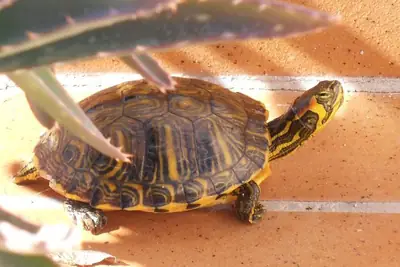
Trachemys scripta scripta: A Comprehensive Guide to the Yellow Bellied Slider
The Yellow Bellied Slider, a captivating aquatic turtle, is renowned for its distinctive yellow plastron and striking shell markings. As a species well-suited for both beginners and experienced reptile enthusiasts, understanding their specific care requirements is essential for a healthy and thriving pet turtle.
1. Breed Identity & Standards
The Yellow Bellied Slider, scientifically known as Trachemys scripta scripta, originates from the southeastern United States. This turtle is easily identifiable by its olive to brown carapace with yellowish streaks and an unmistakable yellow plastron. In terms of size, adult males typically reach 5 to 9 inches (12 to 23 cm) in shell length, while females can grow larger, ranging from 8 to 13 inches (20 to 33 cm). Their lifespan can extend up to 30 years or more with proper care.
These turtles are often confused with the Red Eared Slider, another popular pet turtle species. While they share similarities, the Yellow Bellied Slider lacks the distinctive red ear marking. Potential turtle owners should be aware of these differences when considering adoption.
| Trait | Typical Value | Why it Matters |
|---|---|---|
| Origin | Southeastern United States | Adapted to warm, aquatic environments. |
| Size | 5-13 inches (12-33 cm) | Size varies by gender; impacts tank size requirements. |
| Average Lifespan | Up to 30+ years | Long-term commitment for prospective owners. |
2. Temperament & Instincts
Yellow Bellied Sliders are generally docile creatures, known for their peaceful temperament. They are diurnal, meaning they are active during the day and rest at night. This aligns well with human activity patterns, making them an engaging pet for observation.
Historically, these turtles have thrived in environments with abundant water sources and basking areas. This instinctual behavior is evident in captivity, where they require both a spacious aquatic environment and a dry basking spot. Owners often observe their turtles basking under heat lamps, a natural behavior that supports their physiological health by regulating body temperature and facilitating digestion.
3. Daily Activity / Exercise Needs
While turtles might not need a daily walk like a dog, their environment should provide ample opportunity for activity and exploration. This is crucial for their physical and mental well-being.
| Life Stage | Target | Notes |
|---|---|---|
| Juvenile | Active swimming and exploring | Requires a tank with varied terrain and room to swim. |
| Adult | Regular basking and swimming | Ensure a balance of water space and basking areas. |
| Senior | Gentle movement | Monitor for signs of reduced mobility; adjust habitat as needed. |
4. Purchase/Adoption Price Framework
The cost of adopting a Yellow Bellied Slider can vary significantly based on factors such as age, health, and the source of acquisition. Adoption fees from rescues tend to be lower than purchasing from a breeder.
| Source | Price Range (USD) | Notes |
|---|---|---|
| Breeder | $20 - $50+ | Health guarantees and known lineage may be provided. |
| Pet Store | $15 - $40 | Prices can vary significantly; check for reputable care. |
| Rescue/Adoption | $10 - $30 | Often includes health checks and care guidance. |
5. First-Year Setup + Monthly Running Cost
Setting up for a Yellow Bellied Slider involves initial investments in habitat and ongoing costs for maintenance. Prospective owners should budget accordingly.
| Item | Cost (USD) | Notes |
|---|---|---|
| Tank & Accessories | $150 - $300 | Includes tank, filter, basking area, and lighting. |
| Initial Health Check | $50 - $100 | Veterinary examination to ensure health. |
| Monthly Food | $10 - $20 | Varied diet of pellets, vegetables, and occasional protein. |
| Annual Total | $350 - $600 | Includes all costs for the first year of ownership. |
6. Nutrition by Life Stage
Proper nutrition is vital for the health of a Yellow Bellied Slider. Their diet should be balanced and age-appropriate to support growth and maintenance.
| Life Stage | Diet | Notes |
|---|---|---|
| Juvenile | High protein, varied diet | Focus on growth - include pellets, insects, and leafy greens. |
| Adult | 50% plant, 50% protein | Maintain balance with vegetables and occasional protein sources. |
| Senior | Low protein, high fiber | Adjust to maintain healthy weight and digestion. |
7. Grooming / Coat & Hygiene Care
Unlike mammals, turtles do not require traditional grooming. However, maintaining a clean habitat is crucial for their health. Regular water changes and cleaning of the tank help prevent infections and diseases.
Their shells should be monitored for signs of damage or infection. If any abnormalities are noticed, a veterinarian with reptile experience should be consulted for a thorough examination.
8. Health
Yellow Bellied Sliders are generally hardy, but they can be susceptible to specific health issues, especially if their habitat conditions are not optimal. Regular veterinary check-ups and appropriate care can mitigate many of these risks.
- Respiratory Infections: Often caused by poor water quality or low temperatures.
- Shell Rot: A bacterial or fungal infection that can be prevented with proper hygiene.
- Metabolic Bone Disease: Results from insufficient UVB exposure or dietary calcium.
Regular health screenings and a well-maintained environment are crucial to prevent these conditions. Veterinary costs can vary, with routine check-ups typically ranging from $50 to $100.
9. Training / Behaviour Priorities
While turtles are not trainable in the same way as dogs, creating a consistent routine can help in managing their behavior and health. Ensuring a proper diet, regular feeding schedule, and maintaining clean living conditions are essential practices.
Handling should be done gently and infrequently to avoid stress. Observing their natural behaviors can provide insights into their well-being and any potential issues.
10. Home Environment Fit
Yellow Bellied Sliders require a spacious aquatic environment that mimics their natural habitat. A large tank with both water and basking areas is essential. Homes with ample space for a sizable aquarium are ideal.
These turtles can coexist with other non-aggressive aquatic species, though caution should be exercised to ensure compatibility. They are generally not suitable for homes with young children who may not understand the delicate nature of these reptiles.
11. Lifestyle Fit Matrix
| Lifestyle | Fit Verdict | Reason |
|---|---|---|
| Urban Apartment | Moderate | Requires space for a large tank; noise and activity levels are manageable. |
| Family with Young Children | Low | Handling sensitivity and care needs may be challenging. |
| Reptile Enthusiast | High | Suitable for those with experience and interest in reptiles. |
| Frequent Traveler | Low | Requires consistent care and stable environment. |
12. Breeder / Shelter / Adoption Checklist
- Ensure the turtle appears healthy: clear eyes, no signs of shell damage.
- Request information on the turtle's origin and any health guarantees.
- Verify that the turtle has been kept in clean and appropriate conditions.
- Ask about the turtle's age and expected lifespan.
- Check for any signs of respiratory distress or unusual behavior.
- Inquire about the turtle's dietary habits and current feeding schedule.
13. FAQ
Are Yellow Bellied Sliders good for beginners?
Yes, they can be good pets for beginners who are prepared to meet their specific care needs. Their hardiness and engaging behavior make them appealing, but a commitment to proper habitat maintenance is essential.
What do Yellow Bellied Sliders eat?
Their diet consists of a variety of foods including commercial turtle pellets, leafy greens, and occasional protein sources like insects or fish. A balanced diet is crucial for their health.
Do Yellow Bellied Sliders require UVB lighting?
Yes, UVB lighting is necessary to help them synthesize vitamin D3, which is essential for calcium metabolism and shell health. This mimics natural sunlight and supports their overall well-being.
How often should I clean my turtle's tank?
Regular cleaning is vital to maintain water quality and prevent disease. Partial water changes should be done weekly, with a full tank clean every month or as needed based on the tank's condition.
Can Yellow Bellied Sliders live with other turtles?
They can cohabitate with other non-aggressive turtles of similar size. It's important to monitor their interactions to prevent aggression and ensure that the tank is spacious enough to accommodate all inhabitants.
14. Conclusion
Yellow Bellied Sliders are fascinating aquatic turtles that can make rewarding pets for those willing to invest in their care. They offer a unique opportunity for observation and interaction, with the caveat that their long lifespan and specific requirements demand a committed owner. Ideal for reptile enthusiasts and those with space for a suitable habitat, they are less suitable for families with very young children or homes with limited space. Prospective owners should carefully consider their ability to meet these needs before adopting a Yellow Bellied Slider.