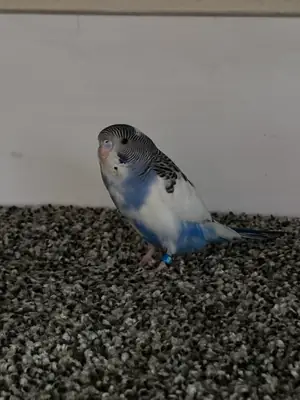
Belgian Budgie
The Belgian Budgie, a vibrant parakeet known for its striking colors and playful demeanor, originates from Belgium, where it was meticulously bred for its visual appeal. With a lifespan ranging from 7 to 15 years, these birds require attentive care, social interaction, and mental stimulation to thrive.
1. Breed Identity & Standards
The Belgian Budgie, or Melopsittacus undulatus, is a domesticated variant of the wild budgerigar, specifically refined in Belgium for its aesthetic traits. These birds typically weigh between **30 to 50 grams** and measure **18 to 20 centimeters** in length. The breed is celebrated for its diverse coat colors, including blues, greens, yellows, and even pied variations. A notable characteristic is their larger head and more pronounced features when compared to standard budgies. The average lifespan of a Belgian Budgie is **10 to 15 years**, although exceptional care can extend this significantly. Potential adopters should be cautious of similar-looking breeds, such as the English Budgie, which often features different body proportions and feathering.
| Trait | Typical Value | Why It Matters to an Adopter |
|---|---|---|
| Origin | Belgium | Understanding the breed's history can enhance the bonding experience. |
| Weight | 30-50 grams | Weight influences diet and health monitoring. |
| Height | 18-20 cm | Size affects housing requirements and interaction space. |
| Lifespan | 7-15 years | Longer lifespan requires long-term commitment. |
| Coat Colors | Multiple (blue, green, yellow, pied) | Color variety can impact popularity and adoptability. |
2. Temperament & Instincts
Belgian Budgies are renowned for their engaging and sociable nature. Historically bred for companionship, these birds thrive on social interaction, not only with their human caretakers but also with other birds. They are typically quite vocal, often mimicking sounds and phrases, which can be entertaining but may also require management in quieter homes. Their playful instincts drive them to explore their environment, and they benefit from ample toys and activities to satisfy their curiosity and prevent boredom.
Despite their sociable traits, Belgian Budgies do exhibit a degree of independence. They enjoy interacting but also appreciate having time to themselves. Early socialization is crucial to ensure they develop into well-adjusted companions. Their playful nature makes them suitable for families, provided that children are taught to interact gently and respectfully.
3. Daily Activity / Exercise Needs
| Life Stage | Target Activity | Notes |
|---|---|---|
| Chick (0-6 months) | 1-2 hours of supervised playtime | Focus on gentle handling and socialization. |
| Young Adult (6 months - 3 years) | 2-3 hours of active play | Encourage flight and exploration; provide varied toys. |
| Adult (3-8 years) | 1-2 hours of interaction and flight | Routine is important; ensure mental stimulation. |
| Senior (8+ years) | 1 hour of gentle activity | May become less active; monitor for health issues. |
Daily interaction is crucial for the well-being of a Belgian Budgie. Engaging them with toys and allowing supervised time outside their cage will support their physical and mental health.
4. Purchase/Adoption Price Framework
| Region | Price Range | Details |
|---|---|---|
| North America | $50 - $150+ | Prices vary based on breeder reputation and color mutations. |
| Europe | €40 - €120+ | Health-tested birds may be more expensive; adoption fees lower. |
| UK | £30 - £100+ | Cost influenced by lineage; rescue birds generally cheaper. |
Adoption or purchase prices can vary significantly based on factors like color mutations, breeder reputation, and geographic location. Prospective owners are encouraged to consider adopting from shelters, where costs are generally lower.
5. First-Year Setup + Monthly Running Cost
| Item | Initial Cost | Monthly Cost |
|---|---|---|
| Cage | $100-$200 | $0 |
| Toys | $50 | $10 |
| Food & Treats | $20 | $30 |
| Veterinary Check-up | $50 | $0 |
| Health Insurance | $0 | $20 |
The first year can range from **$300 to $500** for setup, with ongoing monthly costs around **$60 to $100** depending on dietary needs and veterinary care. Proper budgeting is essential to ensure that your Belgian Budgie receives adequate care and attention.
6. Nutrition by Life Stage
| Life Stage | Diet Type | Notes |
|---|---|---|
| Chick (0-6 months) | High-protein seed mix and soft foods | Essential for growth and development. |
| Young Adult (6 months - 3 years) | Balanced seed mixture and fresh vegetables | Variety helps prevent boredom and supports health. |
| Adult (3-8 years) | Seed mix with occasional pellets | Monitor weight; adjust diet as needed. |
| Senior (8+ years) | Lower-fat seed mix and soft foods | Support digestive health and maintain weight. |
Proper nutrition is vital for the overall health of a Belgian Budgie. Each life stage has specific dietary needs that should be met to promote longevity and vitality.
7. Grooming / Coat & Hygiene Care
Belgian Budgies require minimal grooming compared to other pets. Regular checks of their feathers and feet are essential to ensure they remain clean and healthy. Providing a shallow dish or birdbath for bathing will help maintain their feathers in good condition. Additionally, monitoring their beak and nails is important, as overgrowth can lead to health issues. A veterinarian may recommend trimming if they do not naturally wear down through activities.
Maintaining a clean cage environment is crucial, as it prevents health problems and promotes a hygienic living space. Regularly changing the bedding and cleaning food and water dishes will contribute to their overall health.
8. Health
- Psittacosis (parrot fever)
- Feather plucking
- Obesity
- Respiratory issues
- Vitamin A deficiency
Belgian Budgies are generally healthy but are predisposed to certain conditions. A veterinarian may recommend routine testing for Psittacosis, especially if introducing new birds. Feather plucking can occur due to stress or boredom, necessitating environmental enrichment. Regular veterinary check-ups are essential to monitor for obesity and respiratory issues, which can be exacerbated by poor living conditions. The average veterinary costs for routine examinations can range from **$50 to $100** per visit, depending on the region.
9. Training / Behaviour Priorities
Training a Belgian Budgie requires patience and consistency. Focus on establishing trust through gentle handling and regular interaction. Encouraging vocalization and simple commands can be accomplished with positive reinforcement, like treats. It's also important to provide toys that stimulate their intellect and prevent negative behaviours, such as chewing on cage bars or excessive screeching. Socialization with other birds is crucial for their development, helping them become well-adjusted companions.
10. Home Environment Fit
Belgian Budgies are adaptable and can thrive in various living situations, including apartments and houses. However, they do require sufficient space to fly and play. A cage should be spacious enough to allow for movement, ideally with horizontal bars for climbing. They are generally good with children and can cohabitate with other pets, provided introductions are managed carefully. Ensuring a safe environment free of hazards, such as open windows or toxic plants, will help maintain their health and safety.
11. Lifestyle Fit Matrix
| Lifestyle | Fit Verdict | Reason |
|---|---|---|
| Busy Professionals | Moderate | Requires regular interaction; may need a second bird. |
| Families with Kids | Good | Social and playful; great for teaching responsibility. |
| Active Singles | Excellent | Interactive pet; enjoys engagement and play. |
| Senior Citizens | Moderate | Requires active care; consider activity levels. |
12. Breeder / Shelter / Adoption Checklist
- Verify the bird's health status and vaccination records.
- Ask about the bird's socialization history.
- Inspect the living conditions and cleanliness of the environment.
- Inquire about any dietary needs or preferences.
- Check for signs of feather plucking or other behavioral issues.
- Request references or testimonials from previous adopters.
13. FAQ
How long do Belgian Budgies live?
Belgian Budgies typically live between **7 to 15 years**, depending on their care and living conditions. Providing a balanced diet, regular veterinary check-ups, and mental stimulation can help maximize their lifespan.
Do Belgian Budgies need a companion?
While they can thrive on human interaction, Belgian Budgies are social creatures and often benefit from having a companion bird. If adopting a single budgie, ensure you spend quality time each day to meet their social needs.
Are Belgian Budgies noisy?
Belgian Budgies can be vocal, especially when they are happy or seeking attention. They are known for their ability to mimic sounds and phrases, which can be entertaining but may not suit quieter living environments.
What should I feed my Belgian Budgie?
A balanced diet for Belgian Budgies includes high-quality seed mixtures, fresh vegetables, and occasional fruits. Avoid avocados and chocolate, as they are toxic to birds. Ensure fresh water is always available.
Can I train a Belgian Budgie?
Yes, Belgian Budgies can be trained using positive reinforcement techniques. Start with simple commands and gradually introduce more complex behaviors. Consistency and patience are key to successful training.
14. 2026 Note
As of 2026, the popularity of Belgian Budgies continues to rise, reflecting their engaging personalities and beautiful plumage. Prospective adopters should always consider the long-term commitment involved in caring for these birds.