Budgerigar 2026: Temperament, Costs, and Health Insights for New Owners
The Budgerigar, often affectionately referred to as the Budgie, is a small parrot native to Australia. Known for their vibrant plumage and playful personalities, Budgerigars are a popular choice for bird enthusiasts worldwide. This guide will explore key characteristics, including their typical lifespan, common health concerns, and what potential owners should consider before adoption.
1. Breed Identity & Standards
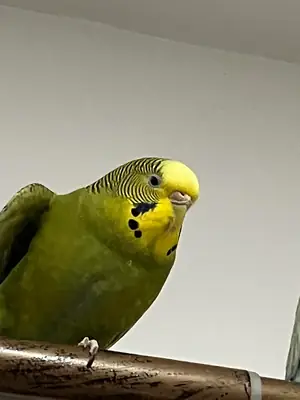
Originating from Australia, the Budgerigar is a member of the parrot family and is scientifically known as Melopsittacus undulatus. Historically, these birds thrived in the open grasslands of Australia, where their green and yellow plumage provided excellent camouflage. Typically, Budgerigars weigh between 30 to 40 grams and measure about 18 centimeters in length from beak to tail. They are renowned for their long tails and wavy patterns on their feathers, which can come in a variety of color mutations beyond the natural green and yellow, including blue, albino, and lutino varieties.
| Trait | Typical value | Why it matters |
|---|---|---|
| Origin | Australia | Native environment influences their care needs |
| Weight | 30-40 grams | Lightweight, easy to handle |
| Length | 18 cm | Compact size suitable for indoor living |
| Color Varieties | Green, Blue, Yellow, Albino, Lutino | Offers aesthetic variety for owners |
2. Temperament & Instincts
Budgerigars are known for their lively and social nature. They thrive on interaction, whether it's with humans or other birds. This sociability traces back to their wild origins, where they lived in large flocks, necessitating strong social bonds for survival. Their natural curiosity and intelligence make them quick learners, often picking up tricks and mimicking sounds if encouraged.
Despite their small size, Budgerigars can be quite vocal. They are not known for loud squawking like some larger parrots, but they do enjoy chattering and may learn to imitate speech. Prospective owners should appreciate this vocal nature and be prepared for a bit of noise. Overall, their friendly demeanor makes them excellent companions for attentive owners who can provide plenty of interaction.
3. Daily Activity / Exercise Needs by Life Stage
Budgerigars require ample opportunity for physical exercise to maintain their health and well-being. Providing a space where they can fly safely is ideal.
| Life Stage | Target | Notes |
|---|---|---|
| Young (up to 1 year) | 1-2 hours flight time | Supports muscle development |
| Adult (1-5 years) | 1-2 hours flight time | Maintains physical and mental health |
| Senior (5+ years) | 1 hour flight time | May need more rest, but exercise remains important |
4. Purchase/Adoption Price Framework
The cost of acquiring a Budgerigar can vary depending on factors such as coloration and breeder reputation. In general, Budgerigars are one of the more affordable parrots.
| Purchase Type | Price Range (USD) | Notes |
|---|---|---|
| Standard Budgie | $10-$40 | Common colors and patterns |
| Rare Color Mutations | $50-$100+ | Albino, Lutino, or rare blues |
| Adoption Fee | $20-$50 | Typically includes basic health checks |
5. First-Year Setup + Monthly Running Cost
Properly setting up for a Budgerigar involves several initial investments and ongoing costs to ensure their health and happiness.
| Expense Type | Cost (USD) | Notes |
|---|---|---|
| Cage | $50-$150 | Spacious and safe environment |
| Initial Vet Check | $50-$100 | General health assessment |
| Toys and Enrichment | $20-$50 | Essential for mental stimulation |
| Monthly Food | $10-$20 | Balanced diet of seeds and pellets |
| Annual Total | $240-$500+ | Includes all setup and ongoing costs |
6. Nutrition by Life Stage
Budgerigars benefit from a varied diet that includes seeds, pellets, and fresh produce. Nutritional needs can change as they age.
| Life Stage | Diet | Notes |
|---|---|---|
| Young | High-quality seeds, pellets | Supports growth and development |
| Adult | Balanced seeds, pellets, vegetables | Maintains health and vitality |
| Senior | Pellets, soft vegetables | Ease of digestion is key |
7. Grooming / Coat & Hygiene Care
Budgerigars are relatively low-maintenance when it comes to grooming. Regular cage cleaning and providing safe water for bathing will keep their feathers in good condition. Be sure to monitor their beak and claws, trimming them if necessary. Additionally, keep an eye on their health by observing their droppings and feather condition, as changes can indicate illness.
8. Health
While generally hardy, Budgerigars are predisposed to certain health issues. Ethical breeders and responsible shelters will screen for common conditions and provide health records.
- Psittacosis: A bacterial infection that can affect humans and birds.
- Feather Plucking: Often linked to stress or boredom.
- Fatty Liver Disease: Caused by a high-fat diet; ensure balanced nutrition.
- Respiratory Infections: Can be caused by drafts or poor air quality.
Regular veterinary check-ups can help catch and manage these conditions early. Expect vet costs for routine checks and minor treatments to range from $50 to $150 annually.
9. Training / Behaviour Priorities
Training a Budgerigar can be an enjoyable process, as they are naturally curious and intelligent. Focus on gentle handling, socialization, and teaching basic commands. Use positive reinforcement techniques to encourage desired behaviors. Be patient and consistent, as they respond well to repetition and praise. Remember, every Budgerigar is unique and may learn at their own pace.
10. Home Environment Fit
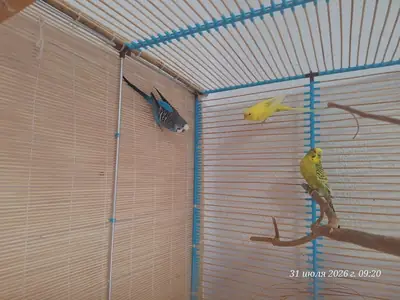
Budgerigars are adaptable birds that can thrive in a variety of home environments. However, they should not be confined to their cages for extended periods. Ensure they have a safe space to fly and explore. While they can be suitable for apartments, be mindful of their vocal tendencies, which may not be ideal for shared living spaces with noise-sensitive neighbors. Budgerigars generally get along well with other birds, but introductions should be managed carefully to ensure compatibility.
11. Lifestyle Fit Matrix
| Lifestyle | Fit Verdict | Reason |
|---|---|---|
| Busy Professionals | Moderate | Requires interaction but can entertain themselves in pairs |
| Families with Children | High | Interactive and social, great for kids |
| Retirees | High | Companionship and manageable upkeep |
| Frequent Travelers | Low | Needs regular care and attention |
12. Breeder / Shelter / Adoption Checklist
- Verify the breeder or shelter's reputation with references.
- Inspect the living conditions of the birds.
- Request health records and vaccination history.
- Ensure the bird is well-socialized and handled regularly.
- Check for signs of illness such as feather loss or discharge.
- Discuss diet and care requirements with the provider.
13. FAQ
Do Budgerigars require a lot of attention?
Yes, Budgerigars thrive on social interaction and need daily attention. It's beneficial to have them in pairs if you cannot dedicate significant time to them every day.
How long do Budgerigars typically live?
With proper care, Budgerigars can live between 5 to 10 years, and some even reach up to 15 years. Diet, environment, and genetics play crucial roles in their lifespan.
Are Budgerigars good for apartment living?
Budgerigars can adapt well to apartment living, provided they have enough space for flight and enrichment. Be mindful of noise levels, as they can be chatty.
What are common signs of illness in Budgerigars?
Watch for changes in droppings, feather condition, appetite, and activity levels. Sneezing, discharge, or lethargy warrant a veterinary visit.
14. Closing Verdict
Budgerigars are delightful companions for those who can offer the time and attention they require. Their small size and lively nature make them ideal for families and individuals who enjoy interacting with pets. However, they may not be suitable for those who travel frequently or live in environments where noise is a concern. Ultimately, the decision to adopt a Budgerigar should be based on your ability to meet their social and environmental needs.