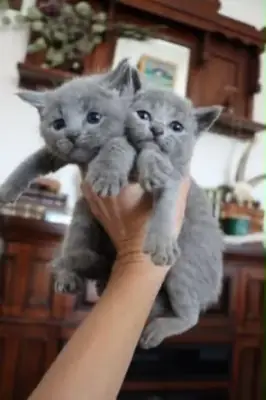
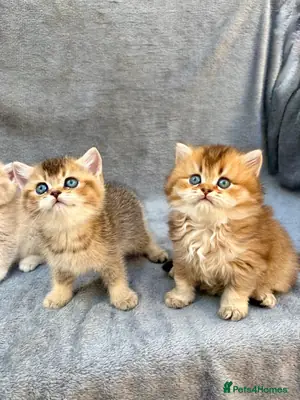
British Longhair Cats 2026: Health, Temperament, and Costs for New Owners
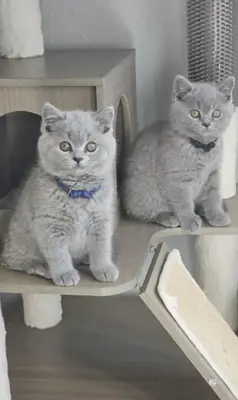
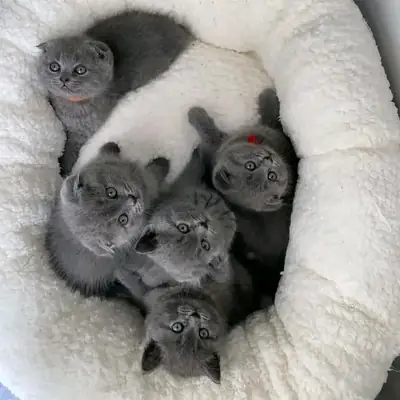
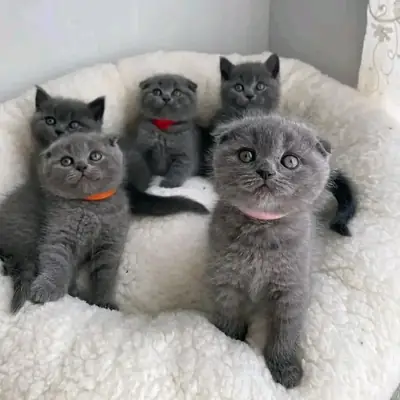
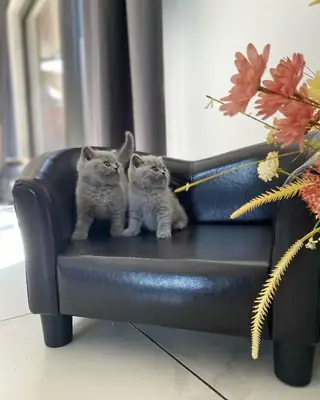
The British Longhair is a captivating breed known for its plush coat and calm demeanor. These cats combine the robust physique of the British Shorthair with a luxurious long coat, requiring specific grooming and health considerations. This guide provides an in-depth look at their characteristics, helping potential adopters make informed decisions.
1. Breed Identity & Standards
The British Longhair is a distinctive feline breed originating from the United Kingdom. It was developed by crossing British Shorthairs with Persian cats, resulting in a medium to large-sized cat with a sturdy build. Typical weights range from 4 to 8 kg, with a height of 30 to 35 cm at the shoulder. These cats feature a dense, long coat that comes in various colors and patterns, including solid, bicolor, and tabby. The breed's lifespan is typically 12 to 16 years, though this can vary with individual health factors.
| Trait | Typical Value | Why it matters to an adopter |
|---|---|---|
| Origin | United Kingdom | Understanding origin helps with recognizing breed traits. |
| Weight | 4-8 kg | Determines size and space needs in the home. |
| Coat | Long, dense | Requires regular grooming to prevent matting. |
| Lifespan | 12-16 years | Indicates long-term commitment and care needs. |
2. Temperament & Instincts
British Longhairs are known for their gentle and relaxed nature. They tend to be less vocal than some other breeds, often communicating through soft purrs and quiet meows. This calm demeanor can be traced back to their British Shorthair ancestors. Despite their laid-back nature, they possess a playful side, especially during their younger years. They enjoy interactive play but are equally content to lounge and observe their surroundings.
These cats are typically independent yet form strong bonds with their human companions. They are not overly demanding of attention but appreciate affection and companionship. Due to their Persian lineage, they may show a slight preference for routine and stability, making them less adaptable to frequent changes in their environment.
3. Daily Activity / Enrichment Needs by Life Stage
| Life Stage | Target | Notes |
|---|---|---|
| Kitten | 30-45 minutes daily | Engage with toys and climbing activities to develop muscles. |
| Adult | 15-30 minutes daily | Interactive play recommended to maintain health and weight. |
| Senior | 10-15 minutes daily | Gentle play and mental stimulation to support cognitive function. |
4. Purchase/Adoption Price Framework
The cost of a British Longhair can vary significantly depending on factors such as pedigree, breeder reputation, and location. While adopting from a shelter is generally less expensive, purchasing from a breeder can entail higher costs due to health screenings and pedigree documentation.
| Type | Price Range (USD) | Notes |
|---|---|---|
| Shelter Adoption | $75-$150 | Typically includes initial vaccinations and spaying/neutering. |
| Breeder Purchase | $500-$1,500+ | Higher cost reflects health testing and pedigree. |
5. First-Year Setup + Monthly Running Cost
| Item | Cost (USD) | Notes |
|---|---|---|
| Initial Veterinary Care | $150-$300 | Includes vaccinations, initial check-up, and microchipping. |
| Neutering/Spaying | $100-$250 | Varies by clinic and region. |
| Scratching Posts & Toys | $50-$100 | Essential for enrichment and preventing destructive behavior. |
| Monthly Food & Supplies | $30-$50 | High-quality diet is crucial for health maintenance. |
| Yearly Total | $500-$1,000+ | Includes emergency vet visits and occasional grooming. |
6. Nutrition by Life Stage
| Life Stage | Dietary Needs | Notes |
|---|---|---|
| Kitten | High-protein, high-fat | Supports rapid growth and development. |
| Adult | Balanced protein and fat | Maintains energy levels and healthy weight. |
| Senior | Lower protein, higher fiber | Aids in digestion and prevents obesity. |
7. Grooming / Coat & Hygiene Care
The British Longhair's luxurious coat demands regular grooming to prevent matting and reduce shedding. It is recommended to brush their coat at least three times a week, using a slicker brush to remove loose hairs and prevent tangles. Regular grooming also helps minimize hairballs, which can be a concern due to their dense fur.
In addition to coat care, regular nail trimming and dental hygiene should be part of their routine. Monitoring and cleaning their ears will help prevent infections, and occasional baths may be necessary, especially if the cat is exposed to outdoor environments.
8. Health
- Polycystic Kidney Disease (PKD): A genetic condition more common in breeds with Persian ancestry.
- Hypertrophic Cardiomyopathy (HCM): A heart condition that can affect the breed, necessitating regular veterinary check-ups.
- Obesity: Due to their less active nature, maintaining a healthy diet and regular exercise is crucial.
- Dental Disease: Regular dental care and check-ups can help prevent tartar build-up and gum disease.
Reputable breeders should screen for these conditions, and potential adopters are encouraged to discuss health histories with breeders or shelters. Veterinary costs for managing these conditions can vary, with regular check-ups normally costing between $50 and $100.
9. Training / Behaviour Priorities
Training a British Longhair primarily involves reinforcing positive litter habits and appropriate scratching behavior. Providing ample scratching posts and redirecting unwanted scratching are key. Socialization from a young age is important to nurture their natural sociability and prevent shyness.
While they are generally easy-going, consistency in routine and environment can help them thrive. They respond well to positive reinforcement and gentle guidance, making training a rewarding experience for both cat and owner.
10. Home Environment Fit
British Longhairs are well-suited for both apartments and larger homes due to their adaptable nature. They enjoy having a variety of spaces to explore and rest, so multi-level cat trees or window perches are ideal additions to their living space. They coexist well with children and other pets, provided introductions are handled gradually and respectfully.
Although they enjoy some outdoor time, supervised access or a secure catio is recommended to ensure their safety and prevent them from wandering. Their calm demeanor makes them a soothing presence in any household.
11. Lifestyle Fit Matrix
| Lifestyle | Fit Verdict | Reason |
|---|---|---|
| Single Professionals | Good | Low maintenance and independent, ideal for busy schedules. |
| Families with Children | Excellent | Gentle and tolerant, making them great companions for kids. |
| Senior Citizens | Excellent | Calm and affectionate, providing soothing companionship. |
| Active Outdoorsy | Moderate | Prefer indoor life but enjoy occasional supervised outdoor time. |
12. Breeder / Shelter / Adoption Checklist
- Verify health screenings for PKD and HCM.
- Request documentation of vaccinations and deworming.
- Meet the kitten's parents to assess temperament.
- Ensure the breeder follows ethical breeding practices.
- Consult references from previous adopters or clients.
- Assess the living conditions of the cattery or shelter.
13. FAQ
Does the British Longhair shed a lot?
Yes, the British Longhair does shed, particularly during seasonal changes. Regular grooming can help manage shedding and keep their coat healthy.
Is the British Longhair good with children?
British Longhairs are known for their gentle and tolerant nature, making them excellent companions for families with children. Proper introductions and supervision are recommended to ensure positive interactions.
What health issues should I be aware of?
Potential health issues include Polycystic Kidney Disease (PKD) and Hypertrophic Cardiomyopathy (HCM). Regular veterinary check-ups and discussions with breeders about genetic testing are advised.
How much grooming does a British Longhair need?
Due to their thick, long coats, British Longhairs require regular grooming at least three times a week to prevent matting and reduce shedding. This also helps prevent hairballs.
What is the typical lifespan of a British Longhair?
With proper care, British Longhairs can live between 12 to 16 years. Regular veterinary visits and a healthy lifestyle contribute to longevity.
14. Is the British Longhair Right for You?
British Longhairs are ideal for those seeking a calm, affectionate feline companion. They suit various living situations and are particularly well-matched with families and seniors. However, their grooming needs and potential health issues require commitment. If you're prepared for these responsibilities, the British Longhair can be a delightful addition to your home.