Chartreux 2026: An In-Depth Guide to Traits, Costs, and Health
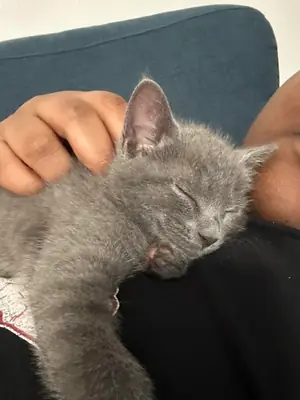
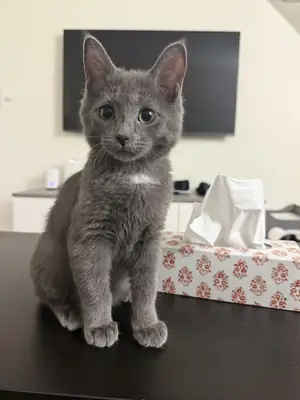
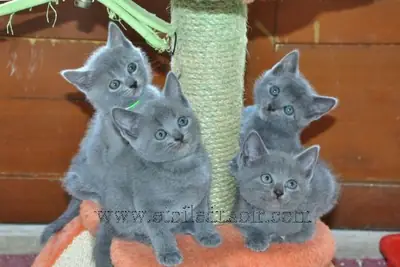
The Chartreux is a fascinating breed with a rich history and distinctive characteristics. Known for their robust build and plush blue-gray coats, these cats also have a gentle yet playful temperament. This guide will explore their unique traits, health predispositions, and what potential adopters need to know.
1. Breed Identity & Standards
The Chartreux is a breed of cat with a long-standing history, believed to have originated in France. Revered for their hunting prowess, these cats were often kept in monasteries. They are medium to large-sized cats with males typically weighing between 10-16 pounds (4.5-7.3 kg) and females slightly lighter, ranging from 6-11 pounds (2.7-5 kg). Their height typically ranges from 9-11 inches (23-28 cm) at the shoulder.
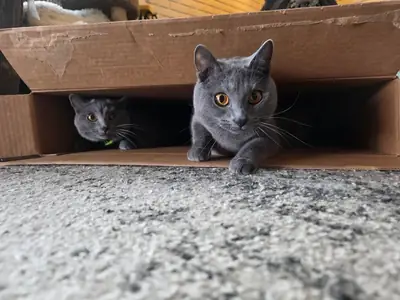
Chartreux cats are immediately recognizable by their short, dense, and water-repellent coat, which comes in shades of blue-gray. Their eyes are copper to gold, adding to their striking appearance. With a lifespan ranging from 12 to 15 years, these cats are generally healthy but may be confused with the British Shorthair or Russian Blue due to similar coat colors.
| Trait | Typical Value | Why it Matters |
|---|---|---|
| Origin | France | Rich history as hunters, possibly kept by monks |
| Weight | 10-16 lbs (males), 6-11 lbs (females) | Medium to large size, robust build |
| Coat | Short, dense, blue-gray | Distinctive appearance, low maintenance |
| Lifespan | 12-15 years | Relatively long-lived for a cat |
2. Temperament & Instincts
The Chartreux is known for its gentle and quiet demeanor, often described as having a dog-like devotion to its human companions. Historically valued for their mousing skills, these cats retain a playful nature and enjoy interactive play sessions. While they are not overly vocal, they communicate through soft chirps and purrs.
These cats are typically independent yet affectionate, making them well-suited for various living situations. They are known for forming strong bonds with their families and can be quite sociable with guests, though they may take some time to warm up to new people. Their calm and composed nature makes them an excellent choice for families and single owners alike.
3. Daily Activity / Enrichment Needs by Life Stage
Chartreux cats, while not hyperactive, do require regular mental and physical stimulation to keep them healthy and happy. Their playful nature persists throughout their life stages, though the intensity may vary.
| Life Stage | Target | Notes |
|---|---|---|
| Kitten | Multiple short play sessions daily | Use toys that stimulate hunting instincts |
| Adult | 1-2 hours of play and interaction | Incorporate puzzle feeders and interactive toys |
| Senior | Gentle play and mental stimulation | Aim for low-impact activities; monitor mobility |
4. Purchase/Adoption Price Framework
Chartreux cats can vary widely in price depending on pedigree and breeder reputation. Adoption fees are generally lower and can be a great option for those looking to provide a home for a rescue cat.
| Source | Price Range (USD) | Notes |
|---|---|---|
| Pedigree Breeder | $1,000 - $2,500+ | Price varies with health testing and lineage |
| Rescue/Adoption | $75 - $200 | Includes vaccinations and spay/neuter |
| Reputable Breeder | $500 - $1,200 | Ethical breeders perform health screenings |
5. First-Year Setup + Monthly Running Cost
Owning a Chartreux involves initial setup costs and monthly expenses. It's important to budget for these to ensure your cat's well-being.
| Item | First-Year Cost (USD) | Notes |
|---|---|---|
| Neuter/Spay | $100 - $300 | One-time cost |
| Vaccinations | $100 - $150 | Includes core vaccines |
| Microchip | $25 - $50 | Increases chance of recovery if lost |
| Litter Boxes | $30 - $100 | At least one per cat |
| Scratching Posts | $20 - $75 | Essential for claw maintenance |
| Monthly Food & Litter | $40 - $70 | Quality diet and litter |
| Annual Total | $800 - $1,500 | Includes all essential care costs |
6. Nutrition by Life Stage
Chartreux cats require a diet that supports their muscular build and maintains healthy weight. Their dietary needs will change as they age.
| Life Stage | Dietary Needs | Notes |
|---|---|---|
| Kitten | High-quality kitten formula | Rich in proteins and fats for growth |
| Adult | Balanced adult cat food | Focus on weight management |
| Senior | Senior formula with joint support | Lower calories, joint supplements |
7. Grooming / Coat & Hygiene Care
The Chartreux's dense, plush coat is relatively low maintenance but does require regular grooming. Weekly brushing is recommended to reduce shedding and prevent matting. Although they are not prone to excessive shedding, regular grooming helps manage hair around the home.
Additionally, routine dental care and nail trimming are important. Dental health can be maintained with regular teeth brushing and annual veterinary dental check-ups. Nail trimming every few weeks will prevent overgrowth and discomfort.
8. Health
While generally healthy, the Chartreux is predisposed to certain health issues that potential owners should be aware of. Ethical breeders often screen for known genetic conditions, helping ensure healthier litters.
- Polycystic Kidney Disease (PKD)
- Hip Dysplasia
- Patellar Luxation
- Dental Issues
Regular veterinary visits are critical for early detection and management of these conditions. Veterinary costs can vary widely, but routine check-ups are essential for maintaining health.
9. Training / Behaviour Priorities
Chartreux cats are intelligent and can be trained to understand basic commands and use the litter box consistently. Socialization is key, especially if they will live with other pets or children. Redirecting scratching instincts to appropriate surfaces is also important to prevent furniture damage.
Interactive play and mental stimulation through puzzle toys can help prevent boredom and undesirable behaviors. Their intelligence and curiosity should be nurtured through varied enrichment activities.
10. Home Environment Fit
The Chartreux is adaptable to both apartment and house living, provided they have enough mental stimulation and companionship. They generally do well in indoor environments, which helps protect them from outdoor hazards.
These cats can coexist with children and other pets, but early socialization and introduction are crucial. Their calm demeanor and affectionate nature make them an excellent choice for families or individuals looking for a gentle companion.
11. Lifestyle Fit Matrix
| Lifestyle | Fit Verdict | Reason |
|---|---|---|
| Busy professional | Good | Independent yet affectionate |
| Family with children | Excellent | Gentle and sociable |
| Senior citizen | Excellent | Low maintenance, calm demeanor |
| Pet lovers with other cats/dogs | Good | Adapts well with proper introduction |
12. Breeder / Shelter / Adoption Checklist
- Ask for genetic health screening results.
- Ensure the cat has been socialized with people and pets.
- Verify vaccination and deworming records.
- Observe the cat's behavior in various situations.
- Check the breeder's reputation and credentials.
- Consider adopting from a rescue to save a life.
13. FAQ
Does the Chartreux cat shed a lot?
Chartreux cats have a dense coat that sheds moderately. Regular brushing once a week can help manage shedding and maintain their plush coat. They are not known for excessive shedding, making them relatively low-maintenance compared to other breeds.
Are Chartreux cats good for apartments?
Yes, Chartreux cats adapt well to apartment living. They are relatively quiet and independent, making them suitable for smaller living spaces. Ensure they have enough enrichment and play opportunities to prevent boredom.
What are common health problems in Chartreux cats?
Chartreux cats can be predisposed to conditions such as Polycystic Kidney Disease (PKD), hip dysplasia, and dental issues. Regular veterinary check-ups and health screenings from breeders can help mitigate these risks.
How much does it cost to adopt a Chartreux cat?
Adoption fees for Chartreux cats from shelters typically range from $75 to $200, which usually includes vaccinations and spaying/neutering. Cats from reputable breeders can cost between $500 to $2,500 or more, depending on pedigree.
Are Chartreux cats good with children?
Chartreux cats are known for their gentle and affectionate nature, making them well-suited for families with children. They tend to tolerate the energy and activity levels of children, though supervision is always recommended to ensure positive interactions.
14. 2026 Note & Closing Verdict
As of 2026, the Chartreux continues to be a cherished breed for its unique blend of independence and affection. Their adaptability to various living environments and low maintenance needs make them suitable for a wide range of owners.
Who should adopt a Chartreux? If you're looking for a quiet, loyal companion that fits well into both active and relaxed lifestyles, the Chartreux may be the perfect match. They thrive in environments where they receive companionship and mental stimulation.
Who might not find a Chartreux ideal? Those seeking a highly vocal or exceptionally active cat might look elsewhere, as the Chartreux is known for its calm and reserved nature.