Korat Cats 2026: Temperament, Health, and Adoption Costs Unveiled
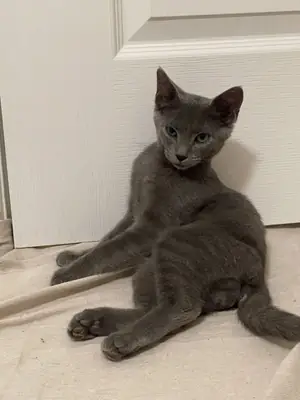
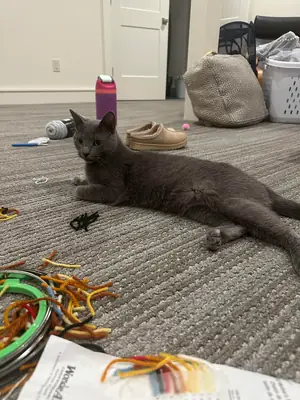
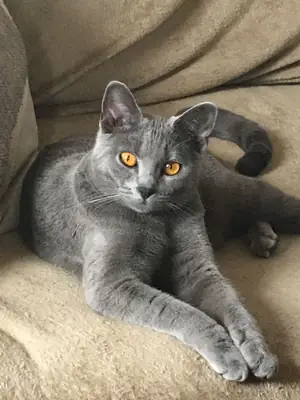
The Korat is a striking and affectionate breed known for its shimmering silver-blue coat and vibrant green eyes. Originating from Thailand, these cats are famous for their intelligence and strong bonds with their families. This guide provides a comprehensive look at the Korat's unique characteristics, health considerations, and what you need to know before adopting.
1. Breed Identity & Standards
The Korat cat is a medium-sized breed with a muscular and compact build. Native to Thailand, the Korat has a rich history and is considered a symbol of good luck. Males typically weigh between 3.5 to 4.5 kilograms, while females are slightly lighter, weighing between 2.5 to 3.5 kilograms. The breed is distinguished by its short, single-layered coat that comes in a striking silver-blue color, with no undercoat. The lifespan of a Korat ranges from 12 to 15 years, making them a long-term commitment for any household. It is essential to differentiate them from the Russian Blue, which shares a similar coat color but differs in body structure and eye color.
| Trait | Typical Value | Why it Matters |
|---|---|---|
| Origin | Thailand | Historical significance and cultural heritage |
| Weight | 3.5 - 4.5 kg (male) | Medium build, muscular |
| Coat | Silver-blue | Unique appearance, easy maintenance |
| Lifespan | 12 - 15 years | Long-term companion |
2. Temperament & Instincts
Korat cats are renowned for their affectionate and loyal nature. They form strong attachments to their human companions and tend to be very people-oriented. This breed is known for its intelligence and curiosity, often engaging in playful activities that challenge their minds. While Korats generally enjoy a quiet environment, they are not overly vocal but will communicate their needs and desires to their owners. Their historical role as companions to Thai royalty has ingrained a certain level of grace and dignity into their behavior.
Despite their reserved demeanor with strangers, Korats are incredibly affectionate with their families. They thrive on interaction and can become quite attached, following their favorite person from room to room. This breed's inquisitive nature and high energy levels mean they appreciate interactive play and mental stimulation to prevent boredom.
3. Daily Activity / Enrichment Needs by Life Stage
Korats require regular mental and physical stimulation to maintain their well-being. Their playful nature benefits from toys, puzzles, and interactive play sessions. Here is a guide to their enrichment needs across different life stages:
| Life Stage | Target | Notes |
|---|---|---|
| Kitten | 30 - 60 minutes daily | Interactive play to develop skills |
| Adult | 45 - 60 minutes daily | Play and mental challenges |
| Senior | 30 minutes daily | Gentle play, puzzles |
4. Purchase/Adoption Price Framework
The cost of acquiring a Korat can vary significantly based on the source and pedigree. Here is a framework outlining the typical costs:
| Source | Price Range (USD) | Notes |
|---|---|---|
| Breeder | $800 - $2,000+ | Health-tested pedigrees are pricier |
| Rescue/Adoption | $75 - $150 | Lower cost, includes basic vetting |
5. First-Year Setup + Monthly Running Cost
Owning a Korat involves initial setup and ongoing costs. Here is an overview of what to expect:
| Expense | Cost (USD) | Notes |
|---|---|---|
| Initial Vet Visits | $200 - $400 | Includes vaccinations and spay/neuter |
| Basic Supplies | $100 - $200 | Litter box, scratching post, toys |
| Monthly Food & Litter | $40 - $60 | Quality cat food and litter |
| Annual Total | $800 - $1,200 | Includes unexpected expenses |
6. Nutrition by Life Stage
Korat cats require a balanced diet tailored to their life stage to ensure optimal health. Here's a guide:
| Life Stage | Dietary Focus | Notes |
|---|---|---|
| Kitten | High protein, growth formulas | Supports rapid development |
| Adult | Balanced maintenance diet | Controls weight, maintains health |
| Senior | Lower calorie, joint support | Adjusts for decreased activity |
7. Grooming / Coat & Hygiene Care
The Korat's short, single-layered coat requires minimal grooming. Regular brushing once a week is sufficient to remove loose hairs and maintain the coat's natural luster. Despite their low shedding, the Korat's coat benefits from grooming to distribute natural oils and enhance their sheen. Dental hygiene is crucial, and regular brushing is recommended to prevent periodontal disease. Nail trimming should be done every few weeks to keep their claws in check.
Regular ear checks and cleaning are also advised to prevent infections. Korats are generally good at self-grooming, but they appreciate the bonding time that grooming sessions with their owners provide.
8. Health
While the Korat is generally a healthy breed, there are specific hereditary conditions they are predisposed to. Responsible breeders screen for these conditions to ensure the health of their lines. Common issues include:
- Gangliosidosis: A genetic disorder affecting nerve cells, requiring screening.
- Hypertrophic Cardiomyopathy (HCM): A heart condition that breeders often test for.
- Respiratory Issues: Occasional due to their brachycephalic-like facial structure.
Annual veterinary check-ups are essential to monitor their health and catch any potential issues early. Owners should budget for regular veterinary care, which can range from $200 to $500 annually.
9. Training / Behaviour Priorities
Korats are intelligent cats that respond well to positive reinforcement training. Key areas to focus on include litter box training, which is usually straightforward, and redirecting scratching behavior to appropriate surfaces. Socialization is important, as Korats can be wary of strangers. Gradual exposure to new people and environments will help them adapt.
Interactive play is not only a form of exercise but also a training opportunity. Using toys to simulate hunting can satisfy their predatory instincts and reduce unwanted behaviors.
10. Home Environment Fit
Korats adapt well to both apartment living and larger homes, provided they have enough mental and physical stimulation. They enjoy climbing and will appreciate cat trees or shelves to explore vertical spaces. Their social nature means they thrive in environments where they are not left alone for extended periods. Korats generally get along well with other cats and dogs, provided introductions are managed carefully.
While they are good with children, interactions should be supervised to ensure gentle handling. A Korat's inquisitive nature makes them prone to exploring, so securing windows and balconies is recommended to prevent accidents.
11. Lifestyle Fit Matrix
Assessing whether a Korat is the right fit for your lifestyle is crucial. Here's a matrix to guide you:
| Lifestyle | Fit Verdict | Reason |
|---|---|---|
| Busy Professional | Moderate | Needs interaction, consider a pair |
| Family with Kids | Good | Affectionate and playful |
| Single Person | Good | Strong bond with owner |
| Multi-pet Household | Good | Social, adapts well |
12. Breeder / Shelter / Adoption Checklist
When considering adoption or purchase, ensure the following:
- Verify the breeder's health testing for genetic conditions.
- Request a health guarantee or veterinary certificate.
- Observe the kitten's interaction with its littermates.
- Check the living conditions for cleanliness and socialization.
- Ask about the kitten's vaccination and deworming schedule.
- Consider the breeder's reputation and references.
13. FAQ
Are Korat cats good for apartments?
Yes, Korat cats adapt well to apartment living as long as they receive adequate mental and physical stimulation. Providing vertical spaces and interactive play can help meet their needs.
Do Korat cats shed a lot?
Korat cats have a low-shedding coat that requires minimal grooming. Weekly brushing is usually sufficient to keep their coat healthy and to reduce loose hairs.
What health issues are Korat cats prone to?
Korats can be predisposed to conditions such as Gangliosidosis and Hypertrophic Cardiomyopathy (HCM). Responsible breeders will test for these to ensure the health of their cats.
How much does it cost to own a Korat cat?
The initial setup and first-year costs can range from $800 to $1,200, including vet care and supplies. Monthly costs for food and litter typically range from $40 to $60.
Are Korat cats good with children?
Yes, Korats are generally good with children and enjoy playtime. However, interactions should be supervised to ensure that the cat is handled gently and respectfully.
14. Final Thoughts on Adopting a Korat
The Korat is a remarkable breed, known for its intelligence, affectionate nature, and striking appearance. They make excellent companions for individuals and families willing to provide the interaction and mental stimulation they crave. However, potential owners should be prepared for their social needs and ensure they have the time to engage with these charming cats. If you're looking for a devoted feline friend that combines beauty with brains, the Korat might just be the perfect fit for you.