Oriental Shorthair: Comprehensive Guide to Characteristics and Care in 2026
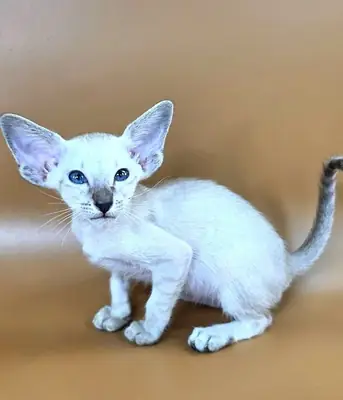
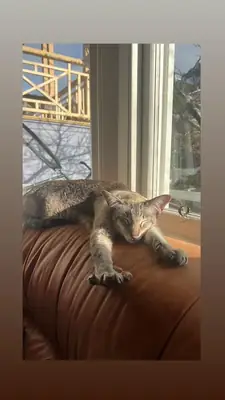
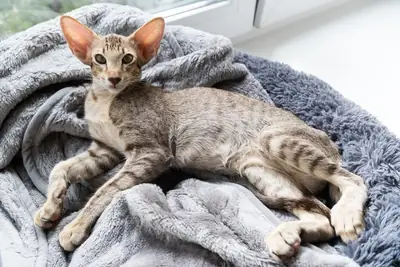
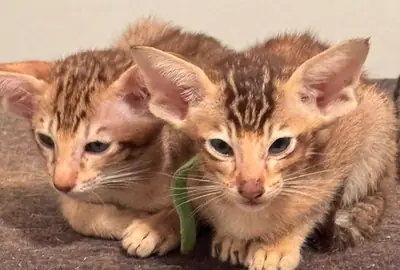
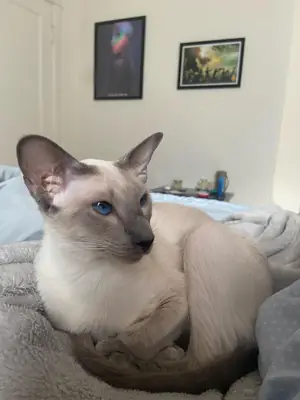
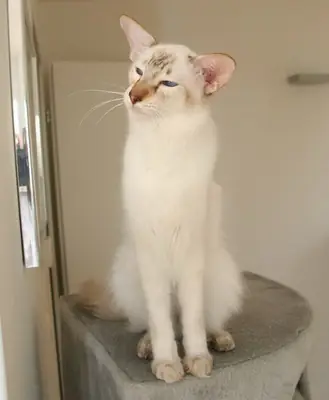
The Oriental Shorthair is a strikingly elegant cat with a sleek coat and a variety of colors and patterns. Known for their vocal nature and sociability, these cats require an informed approach to adoption, including understanding health considerations and daily care needs.
1. Breed Identity & Standards
The Oriental Shorthair is a breed of cat that originated in Thailand, sharing a close genetic lineage with the Siamese. This breed was developed in the mid-20th century to expand the range of colors and patterns available in the Siamese. They are medium-sized cats, typically weighing between 8 to 12 pounds (3.5 to 5.5 kg), with a length of about 12 to 15 inches (30 to 38 cm). Their lifespan ranges from 12 to 15 years, although some may live longer with proper care.
| Trait | Typical Value | Why it Matters |
|---|---|---|
| Origin | Thailand | Understanding origins helps in appreciating their behavioral traits. |
| Weight | 8-12 lbs (3.5-5.5 kg) | Medium size makes them ideal for various living environments. |
| Coat | Short, sleek in various colors | Low grooming needs but high shedding. |
| Lifespan | 12-15 years | Long lifespan encourages long-term commitment. |
2. Temperament & Instincts
The Oriental Shorthair is renowned for its lively and engaging personality. These cats are highly social animals, forming strong bonds with their human companions. They are often described as "dog-like" in their loyalty and desire for interaction. Historically, their ancestors were temple cats in Thailand, which may contribute to their affectionate and sometimes demanding nature.
Vocal and expressive, Oriental Shorthairs are not shy about communicating their needs. They are known for their distinctive voice, similar to that of their Siamese relatives, which they use to express curiosity, affection, or displeasure. This vocality, combined with their energetic and playful demeanor, makes them a constant presence in the home, requiring owners who appreciate a chatty feline companion.
3. Daily Activity / Enrichment Needs by Life Stage
Oriental Shorthairs thrive on interaction and stimulation. Their high energy levels mean they require regular play and mental engagement at all life stages. Providing varied toys and interactive play can help channel their energy constructively.
| Life Stage | Target | Notes |
|---|---|---|
| Kitten | 1-2 hours/day | Frequent play sessions to aid development. |
| Adult | 1 hour/day | Mental stimulation with puzzle toys recommended. |
| Senior | 30 minutes/day | Gentle play to maintain mobility and health. |
4. Purchase/Adoption Price Framework
The cost of acquiring an Oriental Shorthair can vary widely depending on the source and lineage. Pedigree cats from reputable breeders are priced higher due to health testing and lineage documentation.
| Source | Price Range (USD) | Notes |
|---|---|---|
| Breeder | $800-$3,000+ | Health tested and with pedigree. |
| Adoption | $75-$200 | Lower cost, often includes vaccinations. |
5. First-Year Setup + Monthly Running Cost
Owning an Oriental Shorthair involves initial setup costs and ongoing monthly expenses. Proper budgeting ensures you can provide for all their needs.
| Item | Cost (USD) | Notes |
|---|---|---|
| Initial Setup | $500-$1,000 | Includes neutering, vaccinations, and basic supplies. |
| Monthly Expenses | $50-$100 | Food, litter, and regular vet check-ups. |
| Yearly Total | $1,100-$2,200 | Comprehensive care and maintenance. |
6. Nutrition by Life Stage
Feeding an Oriental Shorthair involves catering to their life stage-specific needs to ensure balanced nutrition and healthy growth.
| Life Stage | Diet | Considerations |
|---|---|---|
| Kitten | High-protein kitten food | Nutrient-rich for growth support. |
| Adult | Balanced adult cat food | Maintain weight and health with quality ingredients. |
| Senior | Senior-specific formula | Lower calories, joint support ingredients. |
7. Grooming / Coat & Hygiene Care
The Oriental Shorthair's short, sleek coat is low-maintenance but does shed regularly. Weekly brushing can help manage shedding and reduce hairballs. Regular nail trimming and dental care are also essential to their overall health. These cats are generally adept at self-grooming, but periodic ear cleaning and dental checks can prevent common issues.
8. Health
Oriental Shorthairs are generally healthy, but like all breeds, they are predisposed to certain hereditary conditions. Regular veterinary check-ups and informed breeding can help prevent or manage these issues.
- Amyloidosis: A condition affecting the liver and kidneys.
- Progressive Retinal Atrophy (PRA): Leads to vision loss over time.
- Hypertrophic Cardiomyopathy (HCM): A heart condition common in many cat breeds.
Owners should budget for routine veterinary care and be aware of these potential health concerns. Costs for tests and treatments can vary, with heart scans and genetic tests being advisable for breeders.
9. Training / Behaviour Priorities
Training an Oriental Shorthair focuses on reinforcing positive behaviors and managing their natural curiosity. Litter box training is generally straightforward, but owners should ensure adequate scratching surfaces to prevent furniture damage. Socialization from a young age is important to foster their friendly nature and prevent shyness or aggression.
10. Home Environment Fit
Oriental Shorthairs are adaptable to various living situations, including apartments, as long as they have enough stimulation and interaction. They thrive in environments where they receive plenty of attention and can interact with family members. These cats generally coexist well with other pets, including dogs, if properly introduced. Families with children will find them to be affectionate companions, although they may prefer older children who can engage in gentle play.
11. Lifestyle Fit Matrix
| Lifestyle | Fit Verdict | Reason |
|---|---|---|
| Single, Busy Urban | Moderate | Needs attention; consider pet sitters. |
| Family with Children | Excellent | Great with kids and social environments. |
| Retired Individuals | Good | Can provide companionship and attention. |
| Frequent Travelers | Poor | Requires consistent human interaction. |
12. Breeder / Shelter / Adoption Checklist
- Verify the breeder is registered and reputable.
- Ensure health screenings are conducted for genetic conditions.
- Check for up-to-date vaccinations and health records.
- Observe the kitten's environment for cleanliness and socialization.
- Ask about the kitten's diet and care routine.
- Request references from previous buyers if possible.
13. FAQ
Does the Oriental Shorthair shed a lot?
Yes, Oriental Shorthairs do shed, although their short coat makes the shedding less noticeable than in long-haired breeds. Regular brushing can help manage shedding and reduce loose fur around the home.
Are Oriental Shorthairs good with other pets?
Oriental Shorthairs generally get along well with other pets, including dogs, if introduced properly. Their social nature means they enjoy the company, but initial introductions should be managed carefully to ensure a smooth transition.
How much does an Oriental Shorthair cost?
The cost can vary widely based on pedigree and source. From breeders, prices range from $800 to $3,000 or more, while adoption fees are typically between $75 and $200.
What health problems do Oriental Shorthairs have?
Oriental Shorthairs can be prone to certain hereditary conditions such as amyloidosis, progressive retinal atrophy, and hypertrophic cardiomyopathy. Regular veterinary check-ups can help manage these risks.
Is the Oriental Shorthair suitable for apartment living?
Yes, Oriental Shorthairs adapt well to apartment living, provided they have enough mental and physical stimulation. Their social nature requires interaction, making them suitable for active households.
14. 2026 Note & Closing Verdict
As we look to 2026, the Oriental Shorthair remains a beloved choice for those seeking an intelligent and interactive feline companion. Their broad color palette and engaging personality ensure they stand out in any home. However, potential owners should be prepared for their vocal nature and the need for regular interaction. Oriental Shorthairs are best suited for individuals or families who can offer them time, attention, and love, ensuring a rewarding relationship for both cat and owner.