Birmingham Lost Orange Shoulder Tang (Fish)
There's 1 Zebrasoma flavescens listing live right now, last updated 13 Feb 2026. Search lost and fou... There's 1 Zebrasoma flavescens listing live right now, last updated 13 Feb 2026. Search lost and found Orange Shoulder Tang notices in Birmingham and compare each report by aquarium location, last see... There's 1 Zebrasoma flavescens listing live right now, last updated 13 Feb 2026. Search lost and found Orange Shoulder Tang notices in Birmingham and compare each report by aquarium location, last seen time, colour stage, size, tank mates, reef tank setup, hiding spots, sump or overflow checks, transport details, salinity, temperature, health signs and safe contact information. The Orange Shoulder Tang is a marine aquarium fish, not a pet that should ever be released into local water, so a useful lost fish listing must explain whether the fish is missing inside a reef tank, jumped from the aquarium, found during a tank move, rehomed urgently or recovered alive, with clear photos, proof of ownership, emergency care notes and a fast handover plan through an experienced marine keeper.
Popular Searches
Lost Orange Shoulder Tang Birmingham
A lost Orange Shoulder Tang in Birmingham usually means a marine aquarium fish has gone missing inside a reef tank, jumped out, entered an overflow, been lost during transport or become unaccounted for after a tank move. This is not like a lost dog or cat notice; the listing must focus on the tank, water and survival window.
Include the last seen time, aquarium size, fish size, colour stage, tank mates, rockwork, sump, overflow, lid status, water parameters, recent stress events and clear photos. “Orange fish missing” is too weak; Orange Shoulder Tang owners need details that point to the exact risk.
Lost fish Birmingham
Lost fish Birmingham searches are often really about aquarium emergencies: a fish missing from the tank, a fish found in a sump, a fish lost during a house move, a fish jumped onto the floor or an unwanted fish needing urgent safe rehoming.
A useful listing should state whether the fish is freshwater or marine, whether it is alive or missing, where it was last seen, what water it needs and who can safely handle it. For an Orange Shoulder Tang, the page must make clear that it is a saltwater fish requiring marine conditions.
Orange Shoulder Tang missing from reef tank
An Orange Shoulder Tang missing from a reef tank may be hiding in rockwork, trapped behind décor, in the overflow, in the sump or stressed after aggression from tank mates. Do not assume the fish is dead after a short disappearance, especially if the tank has deep rock structures.
Check the overflow box, weir comb, sump chambers, return pump area, filter socks, behind heaters, under rock ledges and around the floor behind the aquarium. Add the exact timeline to the listing so other marine keepers can judge whether the fish is likely hiding, trapped or lost outside the tank.
Orange Shoulder Tang jumped out
An Orange Shoulder Tang that jumped out needs immediate action. Check behind the tank, under the cabinet, around pipework, behind skirting boards, near power cables and any gap where a wet fish could slide after impact.
If found alive, do not throw it into random water. It needs correct marine salinity, temperature and oxygen as quickly as possible. A listing should mention whether the tank had a lid, whether there was recent chasing, lights-out panic, new fish, maintenance or loud disturbance.
Orange Shoulder Tang found in sump
An Orange Shoulder Tang found in a sump may have entered through the overflow after stress, chasing or a gap in the weir. The fish may look pale, scratched or exhausted after being trapped in a low-light, high-flow area.
Before moving it back, check pump intakes, temperature, salinity, oxygen, injuries and whether the display tank still has the same aggression problem that pushed it down there. A good found notice should explain exactly where in the system the fish was recovered.
Tang hiding in live rock
A tang hiding in live rock may be reacting to stress, bullying, poor water quality, disease, sudden lighting changes or transport shock. Orange Shoulder Tangs can wedge into rock areas and stay out of sight if they feel threatened.
Do not tear apart the reef immediately unless there is a clear danger. Watch for breathing, flashes of movement, nori response, tank mate aggression and night-time position. In the listing, mention new additions, recent aquascape changes and whether the fish was eating before it vanished.
Orange Shoulder Tang disappeared overnight
An Orange Shoulder Tang that disappeared overnight may have hidden after lights out, jumped, entered the overflow or died unnoticed in rockwork. The first checks should be practical: floor, sump, overflow, rock caves, filter area and tank lid gaps.
Write the listing with the exact evening routine: feeding time, last behaviour, lights schedule, tank mate behaviour, whether the fish was breathing fast, whether it had spots, and whether any ammonia spike or cleanup crew activity appeared the next morning.
Orange Shoulder Tang lost during tank move
An Orange Shoulder Tang lost during a tank move can mean the fish was left in a container, jumped from a bucket, hidden inside rock, trapped in pipework or mixed into another holding tub. This is a transport emergency, not a normal lost pet search.
List every container used, timing, salinity, temperature, oxygen source, rock tubs, bags, buckets, cool boxes and destination address area. Marine fish can decline quickly in poor transport water, so the notice must help people identify the exact handover or recovery point.
Found Orange Shoulder Tang Birmingham
A found Orange Shoulder Tang in Birmingham should be treated as a marine aquarium emergency. This fish cannot be placed in tap water, pond water, a freshwater tank or a random bowl. It needs stable saltwater, oxygen, temperature control and someone experienced with marine fish.
Post the area, condition, size, colour, where it was found, whether it is alive, what container it is in and who can verify ownership. Keep proof details private, such as exact size, previous tank mates, old photos or distinctive marks.
Found marine fish Birmingham
Found marine fish Birmingham listings should prioritise water safety. A saltwater fish must be kept in suitable marine water with stable salinity and oxygen. Freshwater, untreated tap water or garden pond water can kill it quickly.
Contact an experienced marine aquarist, local fish shop, aquatic vet route or responsible keeper as fast as possible. In the listing, say if the fish is in a bag, bucket, tank, transport box or display aquarium and whether it is breathing normally.
Found aquarium fish Birmingham
Found aquarium fish Birmingham can cover anything from a fish found in a tank move to a fish left in a bag, returned from a closure, abandoned with equipment or recovered from a sump. The first job is identifying whether it is freshwater, brackish or marine.
An Orange Shoulder Tang is a marine fish, so the listing should say that clearly. Add photos, approximate size, colour, condition, location and current water setup. Do not rehome it to someone who cannot explain salinity, quarantine and tank size.
Do not release aquarium fish Birmingham
Do not release aquarium fish in Birmingham canals, ponds, rivers, lakes, drains or parks. Even when a fish looks unwanted or impossible to keep, releasing it is not a kind solution and can create disease, welfare and environmental problems.
For an Orange Shoulder Tang, release makes no sense: it is a marine aquarium fish and needs saltwater conditions. Use a safe rehome notice, contact an experienced marine keeper or local aquatic support instead of dumping the fish.
Rehome Orange Shoulder Tang Birmingham
Rehome Orange Shoulder Tang Birmingham searches often come from owners whose fish has outgrown a tank, become aggressive, needs more swimming space or must move because the aquarium is being closed. That is a rehoming issue, not a “lost fish” situation.
A strong rehome listing should include fish size, diet, temperament, tank size, tank mates, health history, any ich or parasite treatment, current salinity, whether it eats nori and what type of marine setup the new keeper must have.
Unwanted Orange Shoulder Tang
An unwanted Orange Shoulder Tang should be rehomed responsibly before the situation becomes an emergency. This species can grow large, graze actively and need a serious marine system, so impulse ownership often fails.
The listing should be honest about why the fish is being moved: tank too small, aggression, coral or algae issues, shutdown, relocation, disease management or compatibility. A vague “needs gone today” advert attracts the wrong keeper.
Orange Shoulder Tang emergency rehome
An Orange Shoulder Tang emergency rehome needs speed, but not recklessness. The fish should not be handed to a freshwater owner, a small nano tank owner or someone who only wants a colourful fish without understanding tang care.
State the current tank size, salinity, temperature, fish size, feeding routine, aggression level, disease history and whether transport bags or containers are available. Emergency does not mean abandoning the basics.
Orange Shoulder Tang identification
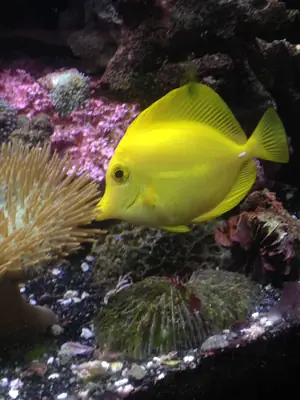
Orange Shoulder Tang identification should include the orange mark near the shoulder area, body shape, tail shape, size and colour stage. Juveniles and adults may not look identical, so a finder may describe the fish poorly if they are not a marine hobbyist.
Use clear side photos, approximate length, colour description and any scars or fin damage. If the fish is stressed, colours may look faded, so do not rely on one photo taken in bad light.
Orange Shoulder Tang juvenile missing
An Orange Shoulder Tang juvenile missing from a tank may be harder to spot because younger fish can be smaller, paler or less boldly marked than adults. It may hide deep in rockwork after being bullied by established tangs or larger fish.
In the listing, mention the juvenile size, how long it was in the tank, whether it was eating, whether it had been quarantined and which fish chased it. New juvenile tangs vanish most often when stress has already started before disappearance.
Adult Orange Shoulder Tang missing
An adult Orange Shoulder Tang missing is more alarming because a larger fish usually cannot disappear easily unless there is a deep aquascape, overflow path, jump incident or serious health issue. The search should start with the mechanical parts of the system.
Check the sump, overflow, pipework openings, floor, cabinet, rear glass gap and any rock caves large enough for the body. Add tank dimensions and aquascape style to the listing so experienced reef keepers can suggest realistic hiding points.
Orange Shoulder Tang stress signs
Orange Shoulder Tang stress signs can include hiding, faded colour, rapid breathing, clamped fins, refusal to eat, scratching, aggression, pacing, lying low or staying near high-flow areas. A fish that “vanished” may have shown warning signs first.
A lost notice should mention the last feeding response, breathing, colour, spots, fin condition, bullying, recent water changes and new tank mates. The more health context you add, the better other marine keepers can judge urgency.
Orange Shoulder Tang ich quarantine
Orange Shoulder Tang ich quarantine matters because tangs are often sensitive to parasite outbreaks and stress after moves. If a missing or found tang has white spots, flashing, heavy breathing or scratching, the issue is not just location; it is health.
In any recovery or rehome listing, state whether the fish has been quarantined, treated, exposed to ich, or added directly to a display tank. Do not move a sick tang into another established marine system without full disclosure.
Orange Shoulder Tang tank mates aggression
Orange Shoulder Tang tank mate aggression can cause hiding, jumping, overflow accidents and refusal to feed. Other tangs, territorial fish or a newly rearranged hierarchy may push a fish into dangerous areas.
The listing should include the full tank mate list, recent additions, whether aggression was seen, which fish chased it and whether feeding time was normal. A lost tang is often a bullied tang before it becomes a missing tang.
Orange Shoulder Tang not eating missing
An Orange Shoulder Tang that stopped eating before going missing may be ill, stressed, bullied or struggling with water quality. Tangs need steady grazing and should not be ignored when they suddenly refuse algae or prepared foods.
In the listing, say what it normally ate, when it last accepted food, whether it took nori, whether it picked at rocks and whether it had weight loss. This helps separate normal hiding from a real health emergency.
Orange Shoulder Tang salinity emergency
Orange Shoulder Tang salinity emergency searches matter when a fish is found outside its normal system, moved in a bag, placed in the wrong water or held by someone who does not keep marine fish. Salinity mismatch can kill quickly.
A found listing should state the current water type, salinity if known, temperature, container size, oxygen source and how long the fish has been there. The safest handover is to someone with a ready marine quarantine or suitable reef system.
Orange Shoulder Tang transport lost Birmingham
Orange Shoulder Tang transport lost Birmingham can happen during store collection, private sale pickup, courier handover, house move or aquarium shutdown. The listing should focus on route, time, packaging and water condition.
Include collection area, destination area, bag or box type, time packed, heat pack use, oxygen, salinity, temperature and last confirmed location. A marine fish lost in transport is time-sensitive and needs a keeper who can act immediately.
Marine fish found in bag Birmingham
A marine fish found in a bag in Birmingham may be from a failed handover, abandoned purchase, tank move or delivery mistake. Do not open the bag and dump the fish into unknown water without matching marine conditions.
Post the found area, time, bag condition, fish appearance, water temperature if known and whether the fish is breathing. Contact a marine aquarist quickly because bagged fish can deteriorate from oxygen loss, temperature swing and waste buildup.
Orange Shoulder Tang proof of ownership
Orange Shoulder Tang proof of ownership should use photos, videos, tank history, fish size, distinctive marks, tank mate list, purchase records or transport details. A marine fish has no collar, so the proof must come from accurate history.
For found notices, do not give away every detail publicly. Ask claimants to show older photos, explain where it came from, name the tank setup and identify marks or behaviour not visible in the listing.
Orange Shoulder Tang Birmingham marine keeper
Orange Shoulder Tang Birmingham marine keeper searches should connect the fish with someone who understands large saltwater systems, quarantine, algae feeding, oxygen, aggression and disease risks. Not every fish owner can safely take a tang.
If urgent help is needed, the listing should state the fish size, current container, salinity, health condition and required pickup speed. The right person should be able to explain how they will acclimate and quarantine the fish before collection.
Lost fish near Birmingham aquarium move
Lost fish near Birmingham aquarium move searches need exact logistics. Fish can hide inside rock, stay in a drained compartment, slip behind a cabinet, remain in a bucket or be sent with the wrong container during a rushed move.
List the move route, timing, number of containers, fish count before and after, who handled livestock and which equipment was moved separately. Aquarium move confusion is common; vague listings make recovery nearly impossible.
Orange Shoulder Tang near West Midlands
Orange Shoulder Tang near West Midlands searches may include Birmingham, Solihull, Wolverhampton, Walsall, Dudley, West Bromwich, Coventry, Sutton Coldfield, Smethwick and surrounding areas where marine aquarists may be able to help.
For a lost, found or emergency rehome marine fish, distance matters less than readiness. A nearby freshwater hobbyist is not useful; a slightly farther marine keeper with a prepared quarantine tank is much safer.
Orange Shoulder Tang listing on Petopic
A strong Orange Shoulder Tang listing on Petopic should make the situation clear: missing inside a reef tank, jumped out, found in a sump, found in transport, urgent rehome or recovered alive. These are completely different cases and should not be mixed into one vague “lost fish” post.
Include species, size, colour stage, photos, location, last seen time, tank size, salinity, temperature, tank mates, health signs, sump checks, transport details, current holding setup, proof of ownership and safe contact terms. For marine fish, accuracy is not decoration; it is survival.
Frequently Asked Questions
What should I include in a lost Orange Shoulder Tang notice in Birmingham?
Include the fish species, size, colour stage, photos, last seen time, aquarium location, tank size, tank mates, sump or overflow checks, lid status, water parameters and any recent stress events.
Also state whether the fish is missing inside a reef tank, jumped out, lost during transport, found in a sump or being urgently rehomed. Each case needs a different response.
Is an Orange Shoulder Tang a fish?
Yes, an Orange Shoulder Tang is a marine aquarium fish, also known as an orangespot or orangeband surgeonfish. It is not a freshwater fish and should not be placed in tap water, pond water or a freshwater aquarium.
In lost and found notices, clearly say it is a saltwater fish so finders understand it needs marine conditions immediately.
Can an Orange Shoulder Tang be lost outside like a cat or dog?
No, not in the normal pet-search sense. A “lost” Orange Shoulder Tang usually means it is missing inside an aquarium system, has jumped out, entered the sump or overflow, or was misplaced during transport or a tank move.
The listing should focus on aquarium checks, water conditions, transport details and marine fish emergency care rather than normal street-search wording.
Where should I check first if my Orange Shoulder Tang disappears?
Check the live rock, caves, overflow, weir, sump chambers, filter socks, pipework openings, behind heaters, under rock shelves, floor behind the aquarium and inside the cabinet.
Also check whether tank mates have been aggressive, whether the lid has gaps and whether the fish had signs of stress or illness before it vanished.
What should I do if my Orange Shoulder Tang jumped out?
Search immediately behind and under the tank, around cables, inside the cabinet, behind skirting boards and near any gap where the fish may have slid.
If found alive, return it only to suitable saltwater with correct temperature and oxygen. Do not place it in freshwater or untreated tap water.
Can an Orange Shoulder Tang hide in live rock?
Yes, a stressed or bullied Orange Shoulder Tang may hide in rockwork, especially after new tank mates, aquascape changes, lights-out panic, poor water conditions or transport stress.
Do not destroy the reef structure immediately unless there is clear danger. Watch feeding response, breathing, tank mate behaviour and signs of movement before escalating.
What does it mean if the tang is found in the sump?
If the tang is found in the sump, it likely entered through the overflow or another gap. It may be stressed, scratched, pale or exhausted.
Before returning it to the display tank, check injuries, water conditions, pump risks and whether aggression or panic caused it to enter the overflow in the first place.
What should I do if I find a marine fish in Birmingham?
Keep it in suitable marine water only if you know how to do so safely. Do not place it in tap water, pond water or a freshwater tank.
Post a found notice with photos, area, time, condition and current holding setup, then contact an experienced marine aquarist, local aquatic support or appropriate animal help quickly.
Should I release a found aquarium fish into a pond or canal?
No. Aquarium fish should not be released into ponds, canals, rivers, lakes, drains or any local waterway.
For an Orange Shoulder Tang, release is especially wrong because it is a marine fish that needs saltwater aquarium conditions. Rehome it through an experienced marine keeper instead.
How can I prove ownership of an Orange Shoulder Tang?
Proof can include older photos or videos, purchase records, tank photos, fish size, distinctive marks, known tank mates, transport details and behaviour history.
If you find a fish, keep some details private and ask claimants to prove ownership before handover. A marine fish should not be given to someone who cannot identify its care needs.
Can an Orange Shoulder Tang survive in freshwater?
No. An Orange Shoulder Tang is a saltwater fish and needs marine conditions. Freshwater can kill it quickly.
If the fish is found outside its tank, the priority is correct salinity, stable temperature, oxygen and expert marine help.
What water details should be included in a found fish listing?
Include whether the fish is in marine water, freshwater or unknown water, plus salinity if known, temperature, container size, oxygen source and how long the fish has been there.
For a marine fish, these details matter immediately because wrong water, low oxygen or temperature swings can become fatal fast.
Why might an Orange Shoulder Tang go missing in a tank?
Common reasons include hiding after stress, bullying from tank mates, disease, poor water conditions, recent transport, aquascape changes, overflow entry or jumping through a lid gap.
The listing should mention recent changes, feeding behaviour, aggression, spots, breathing rate and whether the fish was new to the system.
What stress signs should I mention in the listing?
Mention hiding, faded colour, heavy breathing, scratching, clamped fins, refusal to eat, pacing, aggression, lying low or staying near high-flow areas.
These signs help other marine keepers understand whether the fish may be sick, bullied, trapped or simply hiding temporarily.
Should a recovered Orange Shoulder Tang be quarantined?
Quarantine may be sensible if the fish has been moved, stressed, found in unknown water, exposed to disease or shows spots, scratching, heavy breathing or injuries.
Do not move a sick or unknown fish straight into another established reef system without explaining its health and exposure history.
How should I rehome an unwanted Orange Shoulder Tang?
State the fish size, current tank size, diet, temperament, tank mates, health history, salinity, temperature, any disease treatment and why it needs a new home.
Only rehome it to someone with a suitable marine aquarium, quarantine ability and understanding of tang care. Do not release it into the wild.
What should I write if the fish was lost during transport?
Write the collection area, destination area, route, time packed, bag or box type, heat pack use, oxygen, salinity, temperature and last confirmed location.
Also include fish size, photos and safe contact details. Transport-related marine fish cases are time-sensitive and need fast action.
Can a local freshwater fish keeper take an Orange Shoulder Tang?
No, not safely unless they also have a proper marine aquarium setup. An Orange Shoulder Tang needs saltwater conditions, correct acclimation, oxygen and suitable marine husbandry.
A nearby freshwater owner is not a safe solution. A marine keeper with a prepared quarantine or suitable reef system is the right target.
Which Birmingham areas should I mention in a lost fish notice?
Mention the exact aquarium, shop, house move, collection point or transport route first. Nearby areas may include Birmingham, Solihull, Sutton Coldfield, Wolverhampton, Walsall, Dudley, West Bromwich, Coventry and Smethwick if relevant.
Do not list random areas with no connection. For fish cases, the exact tank, container, shop, route or handover point is more useful than a broad location list.
How should I list a lost or found Orange Shoulder Tang on Petopic?
List it as a marine fish and include whether it is lost, found, missing inside a reef tank, found in a sump, jumped out, lost during transport or urgently needing rehome.
Add photos, size, colour stage, location, last seen time, tank size, salinity, temperature, tank mates, health signs, current holding setup, proof of ownership and safe contact details.