Free Lovebird Adoption in Birmingham
There's 1 Lovebird listing live right now, last updated 19 Apr 2026. Find Lovebird adoption listings... There's 1 Lovebird listing live right now, last updated 19 Apr 2026. Find Lovebird adoption listings in Birmingham for people who want a small parrot with colour, character and real daily needs: compa... There's 1 Lovebird listing live right now, last updated 19 Apr 2026. Find Lovebird adoption listings in Birmingham for people who want a small parrot with colour, character and real daily needs: compare single lovebirds, bonded pairs, tame birds and aviary birds on Petopic by age, species type, ring or microchip detail, health history, feather condition, diet, noise level, biting or handling habits, cage setup, free-flight routine, companion needs and safe rehoming options across Birmingham and the West Midlands.
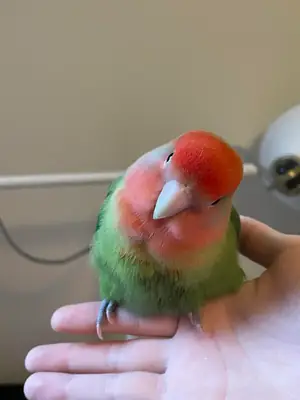
Haven't found the pet you're looking for? Let people who want to find a new home for their pet reach out to you.
Create your free pet adoption request listing now and be seen by thousands of pet owners.
Other listings in your area
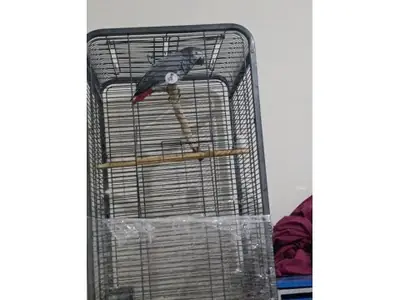
Curious African Grey Parrot seeking a calm and patient home
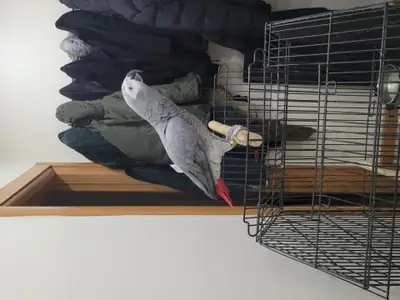
Highly intelligent African Grey Parrot looking for a patient new home
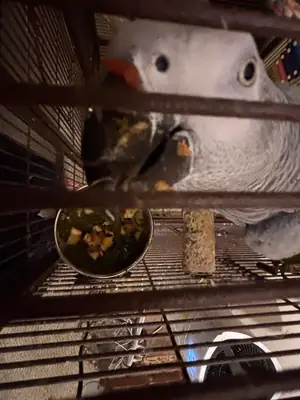
African grey parrot needing a new home
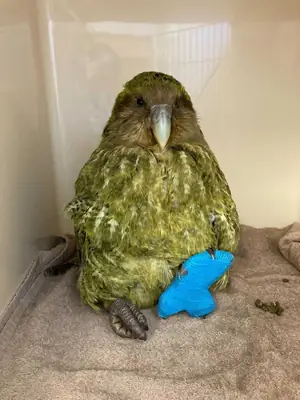
Rescue Bird Seeking Calm Home | Free Adoption | Patient Owner Needed
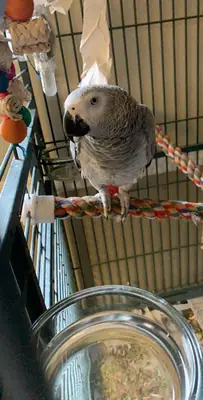
Amazon parrot used to home life
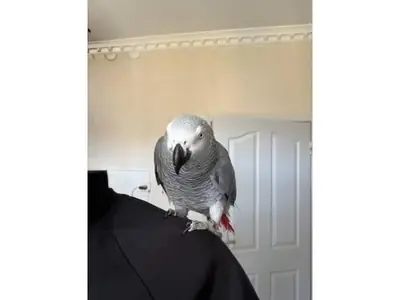
African Grey parrot that talks a lot needs a new family
Popular Searches
Lovebird adoption Birmingham
Lovebird adoption in Birmingham is usually searched by people who want a small, colourful pet bird without taking on a large parrot. That is sensible, but lovebirds are still parrots: active, social, clever, noisy at times and capable of strong attachment.
On Petopic, a strong adoption listing should explain whether the bird is single or bonded, tame or aviary-raised, ringed or microchipped, used to handling, eating a varied diet, flying daily and showing any feather, beak, breathing or behaviour concerns. A lovebird is small, not simple.
Lovebirds for adoption in Birmingham
Lovebirds for adoption in Birmingham can include hand-tame pets, bonded pairs, birds from mixed aviaries, older birds, nervous birds and birds needing quieter homes. The best option depends on how the bird actually lives now, not just its colour.
Ask about the bird’s daily routine, cage size, free-flight time, diet, noise, biting, bathing, sleep schedule and whether it has lived with other birds. A good lovebird match is built around routine and patience, not impulse.
Adopt a Lovebird in Birmingham
To adopt a Lovebird in Birmingham, look for a listing that tells you how the bird behaves on a normal day. A bird that steps up, calls for people and flies indoors is very different from a bird that is nervous, cage-bound or only comfortable in an aviary.
Check whether the lovebird tolerates hands, bites when stressed, screams when alone, accepts fresh food, has a known age and comes with a familiar cage, toys or companion bird. Those details decide whether the adoption will work.
Lovebird rehoming Birmingham
Lovebird rehoming in Birmingham often happens because of noise, landlord rules, allergies, lack of time, a lost companion bird, unexpected breeding behaviour or a bird becoming nippy after being handled badly.
Ask the current keeper why the lovebird is being rehomed, how long they have owned it, whether it has seen an avian vet, whether it has ever laid eggs, and whether it needs another lovebird nearby to stay settled.
Lovebird rescue Birmingham
Lovebird rescue in Birmingham should be approached with calm expectations. A rescued lovebird may need time to trust hands, adjust to a new room, recover from a poor diet or learn safe indoor flying again.
Look for background detail: feather condition, appetite, droppings, breathing, perching, flight ability, previous cage setup and reaction to people. Rescue should mean giving the bird a better life, not forcing it to become cuddly on day one.
Free Lovebird adoption Birmingham
Free Lovebird adoption in Birmingham can be genuine, especially when someone can no longer keep birds, but free does not remove the need for proper checks. A bird with missing history can still need a specialist vet, better housing and diet correction.
Ask whether the cage, perches, toys, food, paperwork, ring details and companion bird are included. A free lovebird with no background, no safe carrier and no clear routine can become difficult very quickly.
Pair of Lovebirds for adoption Birmingham
A pair of Lovebirds for adoption in Birmingham can be a better choice than separating birds that are already bonded. Lovebirds often build strong attachments, and splitting a settled pair can cause stress, calling, plucking or defensive behaviour.
Ask whether the pair preens, feeds, sleeps and flies together, whether they have ever fought, whether they are male and female, and whether there has been egg laying. A bonded pair should be adopted as a relationship, not as two decorations.
Single Lovebird adoption Birmingham
Single Lovebird adoption needs honesty because some birds cope well with human attention while others become lonely, loud or frustrated without another bird nearby. The word “single” is not the problem; the routine is.
Ask how long the lovebird is left alone, whether it calls constantly, whether it has mirrors, whether it has lost a mate and whether it needs a slow introduction to another lovebird in the future.
Tame Lovebird adoption Birmingham
Tame Lovebird adoption in Birmingham is attractive because people want a bird that steps up, sits near them and accepts gentle handling. Tame does not mean silent, harmless or instantly bonded to a new owner.
Ask what the bird actually does: steps onto a finger, flies to people, accepts head scratches, bites strangers, panics outside the cage or only trusts one person. A tame lovebird may need time before showing the same confidence in your home.
Hand reared Lovebird adoption Birmingham
Hand reared Lovebird adoption often draws buyers and adopters because these birds may be more used to people. That can be positive, but it can also create a bird that over-bonds to humans and struggles around other birds.
Ask whether the lovebird has lived with birds, whether it screams for attention, whether it bites when ignored and whether it can play independently. Human-friendly is useful only when the bird’s emotional needs are still respected.
Aviary Lovebirds adoption West Midlands
Aviary Lovebirds for adoption across the West Midlands are not the same as indoor hand-tame pets. They may be confident with other birds but nervous around hands, household noise and close human contact.
Ask whether the birds are used to outdoor or indoor housing, what temperature range they have lived in, whether they fly well, whether they are colony-safe and whether they should move as a pair or group.
Indoor Lovebird adoption Birmingham
Indoor Lovebird adoption in Birmingham needs a safe room as much as a cage. Lovebirds need daily movement, climbing, chewing, perching and supervised free flight, not a life spent parked in a small cage.
Check whether your windows, mirrors, open doors, ceiling fans, hot pans, candles, sprays and other pets can be managed. A lovebird’s safety depends on the room, not only the cage.
Lovebird cage setup adoption Birmingham
Lovebird cage setup matters before adoption because these birds are active climbers and chewers. A cramped cage with two plastic perches and nothing to destroy is not a proper daily home.
Ask what cage size the bird currently has, whether it uses natural perches, swings, shredding toys, foraging items, cuttlebone, water bowls and safe feeding stations. Better housing can change a bird’s behaviour dramatically.
Lovebird diet adoption Birmingham
Lovebird diet should be checked before adoption because many small parrots are kept on seed-heavy routines that do not give enough variety. A bird can look bright and still have poor nutrition.
Ask whether the lovebird eats pellets, fresh vegetables, safe fruit, sprouted seed, herbs or only dry seed. Sudden diet changes can stress a bird, so ask what it already accepts and plan improvement gradually.
Lovebird noise level Birmingham
Lovebird noise level matters for flats, shared houses and close neighbours. Lovebirds are small, but their calls can be sharp, frequent and hard to ignore when they are excited, bored, lonely or calling to a mate.
Ask when the bird is loudest, whether it contact-calls in the morning, screams when people leave the room and whether noise was part of the rehoming reason. Do not adopt a lovebird expecting it to behave like a quiet ornament.
Lovebird biting adoption Birmingham
Lovebird biting is common enough to ask about directly. These birds have strong beaks and can nip from fear, hormones, cage defence, poor handling or because people ignored warning signs.
Ask when the bird bites: inside the cage, when hands approach, near a partner bird, around food, during nesting behaviour or only with strangers. A nippy lovebird may improve with patience, but only if the adopter understands the trigger.
Lovebird feather plucking adoption
Lovebird feather plucking or damaged feathers should never be dismissed as “just moulting” without context. Feather problems can be linked to stress, loneliness, poor diet, irritation, illness or previous neglect.
Ask when the feather issue started, whether an avian vet has checked the bird, whether the bird over-preens, whether a mate is involved and whether the environment has changed. A plucked lovebird can still be adoptable, but the adopter needs the truth.
Ringed Lovebird adoption Birmingham
Ringed Lovebird adoption in Birmingham gives adopters a better chance of confirming age or breeder background, depending on the ring type and information available. It also helps identify the bird if it escapes.
Ask whether the ring is closed or split, whether the number is readable, whether any paperwork exists and whether the bird has ever caught the ring on toys or cage bars. Identity details matter with small parrots.
Microchipped Lovebird adoption Birmingham
Microchipped Lovebird adoption is less common than ringed bird adoption, but identification still matters. If a lovebird escapes through a door or window, proof of identity can help recovery.
Ask whether the bird is ringed, microchipped or has any written ID record. For a very small bird, identity options should be discussed with an avian vet rather than guessed by a general seller.
Peach faced Lovebird adoption Birmingham
Peach faced Lovebird adoption is one of the most common lovebird searches because these birds are bright, bold and popular as pets. Their confidence can be charming, but it can also turn into bossy behaviour without routine.
Ask whether the bird is tame, paired, noisy, territorial around the cage, good with hands and used to indoor flying. Colour and species type are useful, but behaviour decides the match.
Fischer’s Lovebird adoption Birmingham
Fischer’s Lovebird adoption in Birmingham should focus on confidence, compatibility and housing. These small parrots can be active, social and quick, so they need a setup that allows movement and mental work.
Ask whether the bird lives alone, in a pair or in an aviary group, whether it is used to humans and whether it can move safely to an indoor home. A bird raised in an aviary may not become hand-tame immediately.
Masked Lovebird adoption Birmingham
Masked Lovebird adoption attracts people looking for a striking small parrot, but appearance is the least important part of the adoption decision. The bird’s current routine tells you more than its face markings.
Ask about diet, flight, cage aggression, pair bond, noise, health checks and whether the bird has been moved between homes before. A nervous masked lovebird may need a patient adopter who does not force contact.
Male Lovebird adoption Birmingham
Male Lovebird adoption searches usually come from people trying to avoid egg-laying issues or hoping for a calmer pet. Sex can matter, but it does not guarantee temperament.
Ask how the sex was confirmed, whether by behaviour, DNA test or assumption. Also ask whether the bird bites, calls, bonds intensely to people or has lived with another bird. A guessed sex should not drive the whole adoption.
Female Lovebird adoption Birmingham
Female Lovebird adoption needs extra questions around nesting, egg laying and cage defence. Some females become protective of enclosed spaces, paper strips, boxes, beds or dark corners.
Ask whether the bird has laid eggs, shown hormonal behaviour, guarded the cage or needed changes to sleep, diet and nesting triggers. A female lovebird can be a wonderful pet, but the adopter must understand breeding-related behaviour.
Baby Lovebird adoption Birmingham
Baby Lovebird adoption in Birmingham can be tempting, but very young birds need stable feeding, warmth, socialisation and safe handling. A bird should not be moved before it is ready just because someone wants a tame pet.
Ask whether the bird is fully weaned, eating independently, flying confidently, used to hands and ready for a normal home routine. Avoid any listing that makes a young bird sound like an unfinished project for beginners.
Adult Lovebird adoption Birmingham
Adult Lovebird adoption can be more predictable than adopting a very young bird because personality, noise, pair bond and handling tolerance are already visible. Adult does not mean less valuable.
Ask what the adult lovebird likes, dislikes, eats, chews, fears and how it behaves during cleaning, feeding and free flight. A settled adult bird can be a better match than a baby chosen only for cuteness.
Lovebird adoption for beginners Birmingham
Lovebird adoption for beginners can work if the adopter understands that small parrots need daily attention, safe flight, cleaning, fresh food, enrichment and patience with noise or nipping.
A beginner should avoid birds with serious biting, long-term plucking, unclear illness or complicated breeding behaviour unless experienced support is available. Your first bird should teach you good care, not punish your inexperience.
Lovebird adoption near Solihull Coventry Wolverhampton
Lovebird adoption near Solihull, Coventry, Wolverhampton, Walsall, Dudley, Sutton Coldfield, West Bromwich, Tamworth, Redditch and Worcester helps Birmingham adopters compare realistic local options.
Short distance matters because birds should travel safely, calmly and quickly in a proper carrier. Use local access to ask better questions, view the bird’s normal setup and avoid rushed handovers in car parks.
Lovebird adoption scam Birmingham
Lovebird adoption scams in Birmingham can use copied bird photos, vague age claims, fake rescue stories, delivery-only offers, pressure for deposits and no clear information about the bird’s current setup.
Ask for current videos, ring or ID details if available, cage photos, diet notes, behaviour notes and a safe handover plan. If the person avoids simple proof but wants money quickly, walk away.
Frequently Asked Questions
What should I check before adopting a Lovebird in Birmingham?
Check whether the Lovebird is single or bonded, tame or aviary-raised, ringed or microchipped, healthy, fully feathered, eating well, flying safely and used to people.
Also ask about biting, noise, cage size, free-flight routine, diet, vet history, age, sex if known and the exact reason for rehoming.
Is a Lovebird a good pet bird?
Yes, a Lovebird can be a lively and rewarding pet bird for the right home.
The adopter must be ready for daily care, safe flight time, fresh food, cleaning, noise, chewing, possible nipping and strong social needs.
Should I adopt one Lovebird or a pair?
A bonded pair should usually stay together because separating settled birds can cause stress and calling.
A single Lovebird may work if it is used to people and gets enough daily attention, but some single birds become lonely or frustrated without bird companionship.
Can a Lovebird live alone?
Some Lovebirds live alone successfully when they have strong daily interaction, enrichment and a stable routine.
Others need another compatible Lovebird nearby. Ask whether the bird has lived alone before, whether it calls constantly and whether it has lost a mate.
Are Lovebirds noisy?
Lovebirds can be noisy despite their small size. Their calls can be sharp, especially in the morning, when excited, when alone or when calling to another bird.
Ask when the bird is loudest and whether noise is one of the reasons for rehoming.
Do Lovebirds bite?
Lovebirds can bite or nip when frightened, hormonal, territorial, poorly handled or protective of a cage or mate.
Ask when the biting happens, how hard it is, whether the bird gives warning signs and whether it is worse around food, toys, nesting spaces or hands inside the cage.
Is a tame Lovebird better for adoption?
A tame Lovebird may be easier for an indoor pet home, especially if it steps up, accepts hands and is used to people.
Tame does not mean problem-free. Ask whether the bird only trusts one person, whether it bites strangers and whether it can play independently without constant attention.
Can an aviary Lovebird become tame?
An aviary Lovebird may become more comfortable with people over time, but it should not be adopted with the expectation that it will quickly become hand-tame.
Ask whether the bird has ever been handled, whether it panics around hands and whether it would be happier with another bird or in a larger flight setup.
What cage does a Lovebird need?
A Lovebird needs a spacious cage with room to move, stretch, climb, flap, perch and play.
Choose natural perches, safe toys, shredding items, feeding areas and daily supervised flight time. A tiny cage is not enough for an active small parrot.
Do Lovebirds need time out of the cage?
Yes, indoor Lovebirds need safe time out of the cage for flying, climbing, playing and mental stimulation.
Close windows and doors, cover mirrors, remove hazards and keep kitchens, candles, sprays, fans and other pets under control before letting the bird fly.
What should a Lovebird eat?
A Lovebird should have a varied diet, not only dry seed.
Ask whether the bird eats pellets, safe vegetables, small amounts of safe fruit, herbs, sprouted seed or other healthy foods. Change diet gradually to avoid stress and refusal.
Should an adopted Lovebird be ringed or microchipped?
Many Lovebirds have a leg ring, and some birds may have other identification records.
Ask for the ring number, any paperwork and whether an avian vet has advised microchipping. Identification helps if a bird escapes or ownership needs to be confirmed.
Do I need to register a Lovebird in the UK?
Indoor pet birds such as parrots and similar species may be treated differently from birds with outdoor access, so the requirement depends on how the bird is kept.
If the Lovebird will live in an outdoor aviary or have access to outside air, check the current bird keeper rules before adoption.
Can Lovebirds live with budgies or cockatiels?
Lovebirds can be territorial, so mixing them with budgies, cockatiels or other birds should be done very carefully.
Ask what species the Lovebird has lived with before, whether it has fought, whether there is enough space and whether separate cages are safer.
Are Lovebirds suitable for children?
Lovebirds can live in family homes, but children must be calm, supervised and taught not to grab, chase, poke or frighten the bird.
A Lovebird is delicate, quick and capable of biting. It is not a toy or a pet that should be passed around for entertainment.
Can a Lovebird live in a flat?
A Lovebird can live in a flat if noise, free-flight safety, cage space and daily routine are managed properly.
Ask how loud the bird is, whether neighbours could be disturbed and whether you can provide safe flying time without open windows or household hazards.
What health signs should I check in a Lovebird?
Check feather condition, eyes, breathing, beak, feet, droppings, appetite, balance, posture and energy level.
Ask whether the bird has seen an avian vet, whether it has plucked feathers, sneezed, sat fluffed up, lost weight or had any previous illness.
What should I prepare before bringing a Lovebird home?
Prepare a suitable cage, natural perches, safe toys, familiar food, water bowls, a travel carrier, cleaning supplies, safe flight room and contact details for an avian vet.
Keep the first week calm. Let the bird observe, eat, sleep and settle before expecting handling, tricks or instant bonding.
How do I avoid Lovebird adoption scams?
Watch for copied photos, vague age claims, delivery-only offers, pressure for deposits, no current videos and no clear details about cage, diet or behaviour.
Ask for recent videos, ring details if available, setup photos, diet notes, behaviour history and a safe handover plan before sending money or travelling.