Blackpool British Shorthair Cat Adoption
There are 3 British Shorthair listings live right now, last updated 17 Jul 2026. Adopting a British ... There are 3 British Shorthair listings live right now, last updated 17 Jul 2026. Adopting a British Shorthair in Blackpool is not just about finding a round-faced British Blue cat with a plush coat; i... There are 3 British Shorthair listings live right now, last updated 17 Jul 2026. Adopting a British Shorthair in Blackpool is not just about finding a round-faced British Blue cat with a plush coat; it means choosing a calm, sturdy, people-friendly cat whose age, microchip details, neutering status, vaccination record, vet history, weight, diet, litter habits, grooming needs, indoor or outdoor routine, temperament with children, dogs and other cats, and reason for rehoming are clearly explained before you visit. On Petopic, compare British Shorthair adoption and rehoming notices across Blackpool, North Shore, South Shore, Bispham, Layton, Marton, Anchorsholme, Thornton-Cleveleys, Fleetwood, Poulton-le-Fylde, Lytham St Annes, Preston and the Fylde Coast, looking for honest photos, clear behaviour notes, safe handover details and a cat whose real personality fits your home rather than a listing that sells only colour, cuteness or pedigree language.
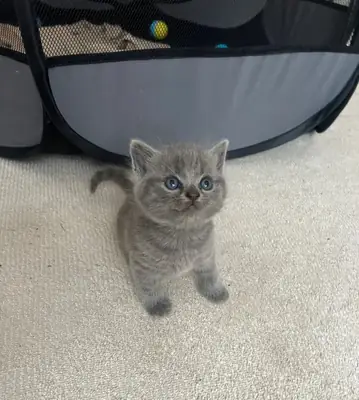
British short hair kittens
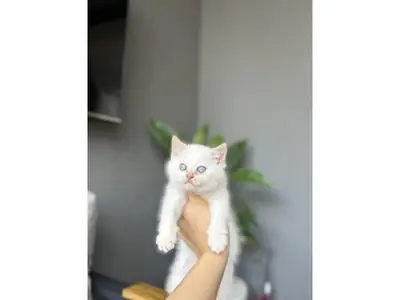
Gentle British Shorthair cat searching for a calm household
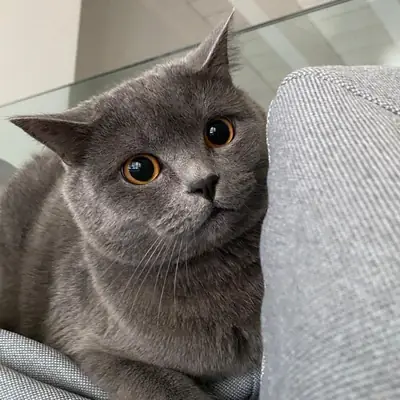
British Shorthair Looking for a Calm Home | Free Adoption | Gentle Personality
Haven't found the pet you're looking for? Let people who want to find a new home for their pet reach out to you.
Create your free pet adoption request listing now and be seen by thousands of pet owners.
Other listings in your area
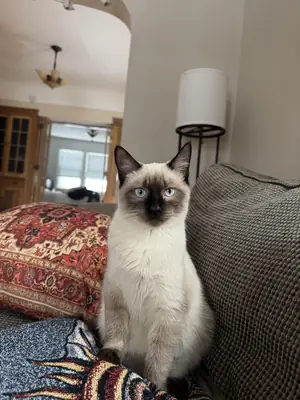
great cat but doesn’t fit my routine anymore
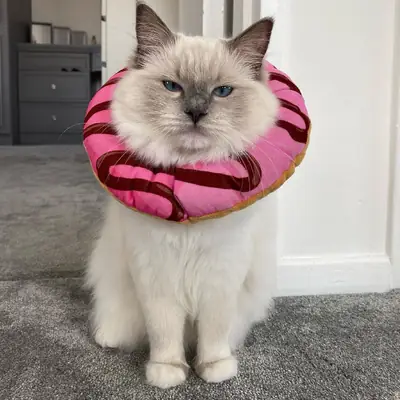
🏆GCCF REG. EXTENSIVELY TESTED RAGDOLL KITTENS 🌟
Siberian pedigree kittens
not urgent, just want a better setup for her
easy cat, just doesn’t match my current routine
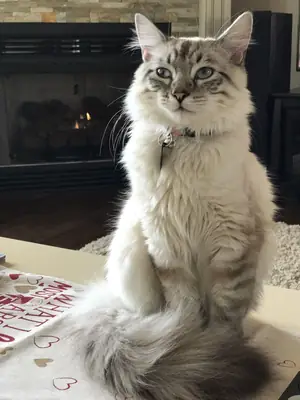
American Wirehair Cat for Adoption | Unique Coat and Friendly Nature
Popular Searches
British Shorthair adoption in Blackpool
British Shorthair adoption in Blackpool attracts people who want a calm, rounded, plush-coated cat with a steady home temperament. The mistake is treating the breed like a guaranteed teddy bear. A British Shorthair can be affectionate and settled, but each cat still has its own boundaries, habits and history.
On Petopic, look for adoption notices that explain age, microchip, neutering, vaccinations, vet checks, diet, weight, litter habits, indoor or outdoor routine, grooming tolerance and reason for rehoming. A good listing tells you how the cat actually lives, not just that it is “beautiful” or “British Blue”.
Adopt British Shorthair Blackpool
People searching to adopt a British Shorthair in Blackpool usually want a cat that is already in need of a new home, not a vague kitten sales advert dressed up as adoption. The listing should make the rehoming reason clear: owner illness, housing change, allergy, conflict with other pets, lack of time or a genuine welfare-based move.
Before contacting the owner, check whether the cat is comfortable with handling, visitors, children, dogs, other cats and time alone. A British Shorthair may look relaxed in photos, but you still need behaviour details before deciding if it fits your home.
British Blue adoption Blackpool
British Blue adoption in Blackpool is one of the strongest search patterns because many people use “British Blue” when they mean a blue-grey British Shorthair. That phrase should be present naturally, but the page should not act as if colour is the main adoption criterion.
Ask for clear daylight photos, weight, coat condition, eye clarity, microchip status, neutering, vet history and temperament. A blue-grey coat is attractive, but a stable, healthy, well-described cat is what makes the adoption work long term.
British Shorthair rehoming Blackpool
British Shorthair rehoming in Blackpool should be written with full honesty. If the cat is being rehomed because it dislikes other cats, hides from children, overeats, scratches furniture, becomes stressed indoors or needs medical follow-up, that must be stated clearly.
A serious rehoming notice protects both the cat and the adopter. It should explain what kind of home is suitable and what kind of home should avoid the cat. Pretty wording without honest limits creates failed adoptions.
British Shorthair rescue Blackpool
British Shorthair rescue Blackpool searches often come from people who want to give a pedigree-looking cat a second chance. That is a good instinct, but the adopter needs to look past the breed label and focus on adjustment, stress, vet care and routine.
Rescue or private rehoming cats may need time to decompress. Ask whether the cat hides, overgrooms, refuses certain foods, dislikes being picked up, reacts to noise or has lived with other animals. A calm move matters more than a fast collection.
British Shorthair adoption Lancashire
British Shorthair adoption in Lancashire can include Blackpool, Preston, Fleetwood, Thornton-Cleveleys, Poulton-le-Fylde, Lytham St Annes and nearby Fylde Coast areas. Local distance matters because you may be able to meet the cat and understand its current home setup before committing.
Do not choose only by location. A nearby cat with poor information, no vet details and unclear behaviour is not a better match than a slightly further cat with transparent history and a careful handover plan.
Adult British Shorthair adoption Blackpool
Adult British Shorthair adoption in Blackpool is often smarter than chasing kittens. With an adult cat, you can usually understand real temperament, litter habits, grooming tolerance, noise sensitivity, weight, food preferences and whether the cat prefers attention or independence.
Ask how the cat behaves during a normal day, whether it sits near people or on laps, whether it likes being picked up, how it reacts to strangers and whether it has lived with children or pets. Adult adoption works best when the listing is detailed, not sentimental.
British Shorthair kitten adoption Blackpool
British Shorthair kitten adoption in Blackpool needs careful wording because many “adoption” searches can be mixed with sales intent. If the listing is genuinely for adoption or rehoming, it should explain why the kitten needs a new home and what care has already been provided.
Ask about age, microchip, vaccinations, parasite treatment, litter training, food, socialisation, mother cat history if known and vet checks. A kitten should not be moved too casually just because demand for British Shorthairs is high.
British Shorthair cat Blackpool
British Shorthair cat Blackpool is a broad search, so the page must quickly separate adoption from buying. Someone landing here should understand that adoption means reviewing the cat’s existing routine, behaviour and needs, not shopping by coat colour alone.
A strong listing should show the cat’s face, body, coat condition, weight, current living environment and behaviour notes. For this breed, roundness is normal, but overweight is still a real welfare issue, so body condition should be described honestly.
Blue British Shorthair rehoming Blackpool
Blue British Shorthair rehoming in Blackpool attracts a lot of attention because the blue-grey coat is iconic. That demand can create weak listings that lean on appearance and skip the cat’s actual needs.
Do not let colour do the thinking for you. Ask about age, weight, diet, grooming, vet records, dental history, microchip details, neutering and whether the cat is confident, shy, territorial or independent.
Silver British Shorthair adoption Blackpool
Silver British Shorthair adoption searches often come from users who know the look they want but not the care reality. Silver, shaded or tabby-pattern British Shorthairs still need the same practical checks as any other cat.
Ask for daylight photos, eye clarity, coat condition, grooming needs, litter habits, vet history and whether the cat has lived indoors or outdoors. A striking silver coat is not a substitute for a stable temperament and transparent health notes.
Black British Shorthair adoption Blackpool
Black British Shorthair adoption in Blackpool should not be buried behind only blue-colour searches. Black British Shorthairs can be just as striking, but dark photos often hide coat texture, eye condition and body shape.
Ask for natural-light images and a video of the cat walking, grooming or interacting. Good adoption decisions come from seeing the cat as it lives, not from a single dark sofa photo.
British Shorthair indoor cat adoption Blackpool
British Shorthair indoor cat adoption in Blackpool can be a strong fit for flats, houses near busy roads or homes close to seafront traffic, but indoor life must be enriched. Indoor does not mean bored, overweight or ignored.
Ask whether the cat uses scratching posts, enjoys window watching, plays daily, accepts grooming and copes with being alone. A British Shorthair can be settled indoors if the home provides space, routine and stimulation.
British Shorthair outdoor cat Blackpool
If a British Shorthair has been used to outdoor access in Blackpool, the adopter needs to understand its routine before changing everything. Some cats become stressed if moved from outdoor freedom to strict indoor life overnight.
Ask whether the cat uses a cat flap, roams far, avoids roads, comes when called, wears a collar, has microchip details up to date and has ever gone missing. Coastal weather, roads and tourist areas make safe outdoor planning important.
British Shorthair for flat Blackpool
A British Shorthair can suit flat living, especially if the cat is calm, indoor-experienced and not desperate for outdoor access. But flat suitability depends on the individual cat, not the breed name alone.
Check whether the cat scratches furniture, cries at doors, needs a quiet room, uses high resting spots and tolerates visitors. A flat home should be prepared with litter trays, scratching areas, toys, safe windows and consistent feeding.
British Shorthair good with children
British Shorthairs are often described as tolerant, but that does not mean every adopted cat will enjoy children. A cat that has never lived with children may hide, freeze, swat or become stressed by noise and fast movement.
Ask whether the cat has lived with toddlers, older children or visiting children. The listing should say if the cat dislikes being picked up, needs quiet, avoids loud play or prefers adult-only homes.
British Shorthair with dogs Blackpool
British Shorthair with dogs in Blackpool is possible, but only if the cat has the right background and the dog is calm around cats. A confident cat may tolerate a respectful dog, while a nervous cat may be miserable in a dog-heavy home.
Ask if the cat has lived with dogs, whether it hides, hisses, chases, freezes or ignores them. The first weeks should include separate rooms, scent swapping, controlled introductions and escape routes for the cat.
British Shorthair with other cats
A British Shorthair may live peacefully with other cats, but many prefer stable territory and slow introductions. Do not assume a calm-looking cat will automatically accept another cat in the home.
Ask whether the cat has shared space before, guarded food, bullied others, been bullied, sprayed, hidden or fought. A good adoption listing should be honest about whether the cat needs to be the only pet.
British Shorthair temperament adoption
British Shorthair temperament is often described as calm, steady and affectionate without being overly clingy. In adoption, the individual cat’s lived experience matters more than the breed stereotype.
Ask whether the cat likes laps, follows people, sleeps nearby, dislikes being lifted, enjoys brushing, greets strangers or hides from noise. The answer decides suitability better than a generic “friendly” label.
British Shorthair grooming Blackpool
British Shorthair grooming is easy to underestimate because the coat is short. The coat can still be dense and plush, so shedding, seasonal coat changes and loose fur need regular brushing.
Ask whether the cat accepts a brush, sheds heavily, gets mats, has dandruff, overgrooms or dislikes being handled. A short coat is not an excuse to ignore skin, claws, ears and weight.
British Shorthair weight and diet adoption
British Shorthairs have a naturally solid build, but that does not mean every heavy cat is healthy. In adoption, weight and diet must be discussed clearly because this breed can be allowed to become too sedentary if owners mistake roundness for condition.
Ask current weight, food brand, portion size, feeding schedule, treats, activity level and vet advice. A good adopter should be ready for measured feeding, play and gradual diet changes rather than guessing.
British Shorthair vet history Blackpool
British Shorthair vet history in Blackpool adoption listings should include vaccinations, parasite treatment, neutering, microchip, dental checks, weight notes and any known health concerns. “Healthy” without details is too weak.
Ask whether there has been a heart murmur, breathing issue, kidney concern, dental problem, urinary trouble, skin problem or mobility change. You are not accusing the owner; you are protecting the cat and avoiding a blind handover.
Microchipped British Shorthair adoption
A microchipped British Shorthair adoption should include clear handover details. The microchip record must be updated to the new keeper, and the adopter should know which database holds the information.
Ask for microchip confirmation, transfer process, vet paperwork and whether the cat’s details are current. A microchip only helps if the registration is correct after adoption.
Neutered British Shorthair adoption Blackpool
Neutered British Shorthair adoption in Blackpool is usually easier to manage because it reduces breeding-related stress, roaming behaviour and accidental litters. If the cat is not neutered, the reason should be explained clearly.
Ask for neutering status, date if known, vet record and any behaviour linked to hormones such as spraying, calling, roaming or conflict with other cats. A responsible adoption listing should not leave this vague.
Vaccinated British Shorthair adoption
Vaccinated British Shorthair adoption listings should say when the cat was last vaccinated and whether boosters are due. This is especially important if the cat will meet other pets or move into a home with outdoor access.
Ask for the vaccination card or vet record, not just a verbal “done”. During adoption, missing health paperwork creates confusion and can delay safe settling-in.
British Shorthair litter trained Blackpool
Litter training should be stated clearly in every British Shorthair adoption listing. Most cats use a tray well, but stress, poor tray setup, urinary issues or a sudden move can create problems.
Ask what litter the cat uses, whether the tray is covered or open, how many trays it has, whether accidents ever happen and whether there were any urinary problems. Keep the same litter at first to reduce stress.
British Shorthair senior cat adoption Blackpool
Senior British Shorthair adoption in Blackpool can be deeply rewarding, but it needs honesty about health and routine. Older cats may need softer resting spots, easy tray access, weight monitoring, dental checks and calm handling.
Ask age, mobility, appetite, medication, vet history, hearing, eyesight, litter habits and how the cat copes with change. A senior cat should not be marketed with vague “still playful” wording if it has real care needs.
British Shorthair adoption North Shore Blackpool
British Shorthair adoption around North Shore, Bispham and Anchorsholme should include whether the cat has been indoor-only or used to outdoor access. Coastal roads, visitors and busy streets can affect how safely a cat settles.
If the cat previously went outside, ask how far it roamed and whether it used a cat flap. If it was indoor-only, ask what enrichment it enjoys and whether it tries to escape through doors or windows.
British Shorthair adoption South Shore Blackpool
South Shore, Marton and nearby Blackpool areas can be suitable for British Shorthair adoption if the home setup is right. The listing should mention whether the cat is used to family homes, quieter flats, gardens or multi-pet households.
Ask if the cat is confident with visitors, noises, children and daily routine changes. In tourist-heavy or busy areas, safe indoor settling and gradual introductions matter more than quick handover.
British Shorthair adoption Lytham St Annes
British Shorthair adoption near Lytham St Annes, Poulton-le-Fylde, Fleetwood and Thornton-Cleveleys often appeals to adopters who can travel a little outside Blackpool for the right cat. That broader Fylde Coast search can be useful if the listing quality is strong.
Still, do not chase every nearby listing. Focus on cats with clear history, good photos, vet details, behaviour notes and a realistic rehoming reason. Travel distance matters less than adoption fit.
British Shorthair adoption fee Blackpool
British Shorthair adoption fee in Blackpool should be transparent. A fair rehoming contribution may reflect vet care, neutering, microchip, vaccinations or included equipment, but it should not quietly become a sales price disguised as adoption.
Ask what the fee includes and whether paperwork proves the care claimed. If the listing uses adoption language but pushes urgency, deposits, rare colour pricing or pedigree promises, slow down and inspect the details.
Reliable British Shorthair adoption listing Blackpool
A reliable British Shorthair adoption listing in Blackpool includes age, sex, colour, microchip, neutering, vaccinations, vet history, weight, diet, litter habits, temperament, home suitability, grooming needs, reason for rehoming and clear handover expectations.
A weak listing says only “British Shorthair available, lovely cat, message me”. That may get attention, but it does not help a serious adopter decide safely or protect the cat from another failed move.
Frequently Asked Questions
What should I check before adopting a British Shorthair in Blackpool?
Check the cat’s age, microchip status, neutering, vaccinations, parasite treatment, vet history, weight, diet, litter habits, grooming tolerance, temperament and reason for rehoming.
Also ask whether the cat has lived with children, dogs, other cats, visitors, indoor-only routines or outdoor access. A good adoption decision depends on behaviour and history, not just breed appearance.
Is a British Shorthair a good cat for adoption?
A British Shorthair can be a very good adoption choice for the right home because many are calm, steady and people-friendly without being overly demanding.
However, each cat is individual. You still need to check confidence, handling tolerance, noise sensitivity, litter habits, weight, health and whether the cat suits your household.
Is British Blue the same as British Shorthair?
British Blue usually refers to a blue-grey British Shorthair, one of the most recognised looks of the breed.
Not every British Shorthair is blue. They can appear in many colours and patterns, so adoption listings should describe the cat clearly rather than relying only on the phrase British Blue.
Can a British Shorthair live as an indoor cat?
Yes, many British Shorthairs can live well indoors if they have enough space, scratching posts, play, window views, resting spots and a stable routine.
Ask whether the cat is already used to indoor life. An outdoor-experienced cat may need a careful transition and may not suit every flat or busy household.
Is a British Shorthair suitable for a flat in Blackpool?
A British Shorthair may suit a flat if the cat is calm, indoor-experienced and not strongly driven to roam outside.
The flat should have safe windows, litter trays, scratching areas, comfortable resting places and daily play. Do not assume breed alone makes a cat suitable for flat living.
Are British Shorthairs good with children?
Some British Shorthairs are tolerant with children, but this depends on the individual cat and previous experience.
Ask if the cat has lived with children before, whether it tolerates noise, whether it dislikes being picked up and whether it needs a quiet room. Children must respect the cat’s space, sleep and body language.
Can a British Shorthair live with dogs?
It can, but only if the cat has the right temperament and the dog is calm around cats. Previous experience with dogs is very important.
Use slow introductions, separate rooms, scent swapping, supervised meetings and escape routes for the cat. Do not force contact during the first days.
Can a British Shorthair live with other cats?
Some British Shorthairs live well with other cats, while others prefer to be the only cat in the home.
Ask about past cohabitation, food guarding, fighting, hiding, spraying or stress. Cat-to-cat introductions should be gradual and territory should be managed carefully.
Does a British Shorthair need much grooming?
The coat is short, but it is dense and can shed. Regular brushing helps control loose fur and lets you check skin, weight, claws and coat condition.
Ask whether the cat enjoys being brushed or becomes stressed. A cat that dislikes grooming may need slow, positive handling after adoption.
Why is weight important when adopting a British Shorthair?
British Shorthairs have a naturally sturdy build, but that does not mean excess weight is healthy.
Ask for current weight, diet, portion size, treats, activity level and vet advice. A good home should support controlled feeding, play and gradual changes rather than sudden dieting.
Should an adopted British Shorthair be microchipped?
Yes. In England, pet cats must be microchipped and the registered keeper details should be kept up to date.
When adopting, ask for the microchip number or confirmation, the database transfer process and any vet paperwork. The adoption is not complete until keeper details are correctly updated.
What vet records should I ask for?
Ask for vaccination records, neutering confirmation, parasite treatment, microchip details, dental history, weight notes and any known health concerns.
If the cat has had heart, kidney, urinary, dental, skin, breathing or mobility issues, those details should be explained before adoption. Vague “healthy” wording is not enough.
Is it better to adopt an adult British Shorthair or a kitten?
An adult British Shorthair often comes with clearer information about temperament, size, grooming, litter habits and household suitability.
A kitten may need more supervision, socialisation and training. The better choice depends on your time, experience, home routine and the quality of information in the listing.
What should I prepare before bringing an adopted British Shorthair home?
Prepare a quiet starter room, litter trays, familiar food, water bowls, scratching posts, hiding places, safe windows, bedding, toys, grooming brush and a carrier.
Keep the first days calm. Do not invite visitors immediately, do not force handling and do not change food or litter too suddenly unless there is a health reason.
How can I spot a reliable British Shorthair adoption listing in Blackpool?
A reliable listing includes age, sex, colour, microchip, neutering, vaccinations, vet history, weight, diet, litter habits, temperament, grooming needs, reason for rehoming and suitable home type.
A weak listing relies only on “British Blue”, “beautiful cat”, “urgent rehome” or “message for details”. Serious adoption needs clear information before any visit or handover.