Free Adoption of Oriental Shorthair Cats in Bradford
There's 1 Oriental Shorthair listing live right now, last updated 15 Mar 2026. Find Oriental Shortha... There's 1 Oriental Shorthair listing live right now, last updated 15 Mar 2026. Find Oriental Shorthair cats for free adoption in Bradford for people who want a sleek, vocal and people-focused cat with... There's 1 Oriental Shorthair listing live right now, last updated 15 Mar 2026. Find Oriental Shorthair cats for free adoption in Bradford for people who want a sleek, vocal and people-focused cat with real daily companionship needs: compare local rehoming listings on Petopic by age, microchip transfer, neutering, vaccination history, indoor routine, talking level, separation stress, litter habits, diet, coat condition, children, other cats, dogs, health background and safe handover options across Bradford, Leeds, Halifax, Huddersfield and wider West Yorkshire.
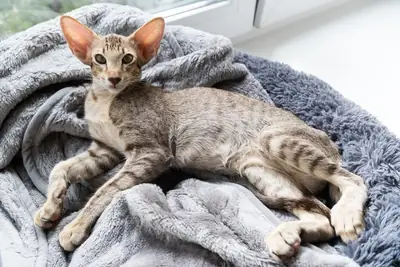
Haven't found the pet you're looking for? Let people who want to find a new home for their pet reach out to you.
Create your free pet adoption request listing now and be seen by thousands of pet owners.
Other listings in your area
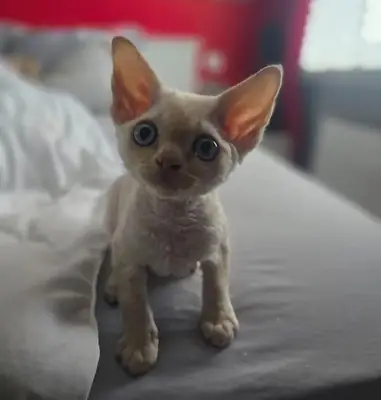
Beautiful Devon Rex Boy :)
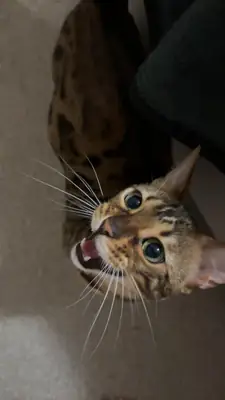
Bengal cat raised indoors available
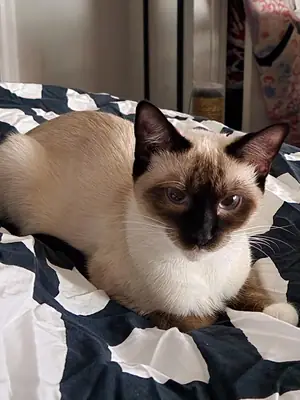
Siamese cat looking for a calmer home
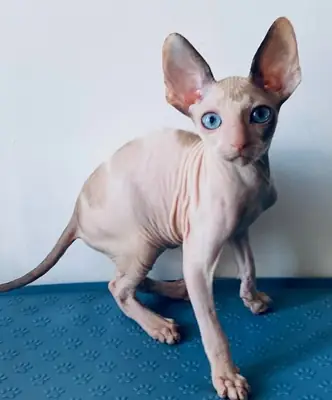
Meet Laska — a charming Cornish Rex
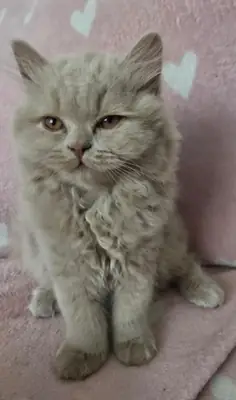
Stunning British Shorthair Kittens
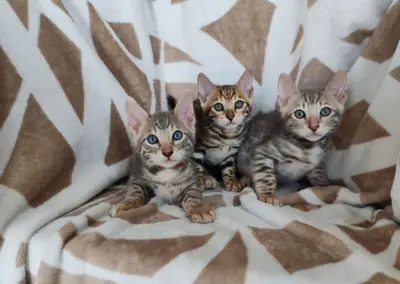
Rare Bengal kittens
Popular Searches
Free Oriental Shorthair cat adoption Bradford
Free Oriental Shorthair cat adoption in Bradford should be treated as a personality match first. This is a sleek, intelligent, talkative cat breed that often wants company, warmth, attention and a home where people actually enjoy an involved cat.
On Petopic, strong adoption listings should explain age, microchip transfer, neutering, vaccination history, indoor routine, litter tray habits, vocal behaviour, clinginess, other cats, dogs, children, diet, health notes and the real reason for rehoming. A free Oriental Shorthair with no background is not a safe shortcut.
Oriental Shorthair cats for adoption in Bradford
Oriental Shorthair cats for adoption in Bradford usually appeal to people who like the Siamese-style look but want the wide colour range and sharp personality of the Oriental. The adoption decision should still be based on routine, not looks.
Ask whether the cat talks constantly, follows people from room to room, sleeps under blankets, dislikes being alone, plays intensely or needs another cat for company. This breed is rarely background decoration.
Oriental Shorthair adoption Bradford
Oriental Shorthair adoption in Bradford can be a brilliant match for someone who wants a social, expressive indoor companion. It can be a bad match for someone who works long hours and expects a cat to stay quiet and detached.
Look for listings that describe the cat’s normal day: how it greets people, how loud it is, whether it demands lap time, whether it eats well, whether it sleeps alone and whether it becomes stressed when the home is empty.
Adopt an Oriental Shorthair in Bradford
To adopt an Oriental Shorthair in Bradford, check whether your home suits a cat that may want conversation, contact and involvement every day. Many Orientals are happiest when they can be near people or another compatible cat.
Ask whether the cat is confident with strangers, nervous in busy homes, used to children, happy with other cats, safe around dogs and whether it has ever shown stress behaviours such as overgrooming, hiding, spraying or appetite changes.
Oriental Shorthair rehoming Bradford
Oriental Shorthair rehoming in Bradford often happens because of owner illness, housing changes, allergies, multi-pet conflict, noise sensitivity, separation stress or a cat needing more attention than the household can provide.
Ask why the Oriental Shorthair is being rehomed, how long the current keeper has had it, whether it has moved homes before and whether any behaviour became difficult when the routine changed.
Oriental Shorthair rescue Bradford
Oriental Shorthair rescue in Bradford should focus on emotional fit as much as health. A rescued Oriental may bond quickly, shout for attention, hide for days or become clingy once it trusts the new home.
Ask about previous home setup, vet history, appetite, weight, litter tray behaviour, voice level, confidence with visitors and whether the cat needs a calm home or a companion animal to settle properly.
Oriental Shorthair free to good home Bradford
Oriental Shorthair free to good home listings in Bradford can be genuine, but the adopter still needs proof and detail. Free does not remove vet costs, insurance, food, enrichment, litter, microchip transfer and settling work.
Ask for microchip details, neutering status, vaccination record, health notes, normal videos and the exact reason for rehoming. If the listing only says “lovely cat needs home”, it is too thin for this breed.
Oriental Shorthair adoption West Yorkshire
Oriental Shorthair adoption across West Yorkshire may include Bradford, Leeds, Halifax, Huddersfield, Wakefield, Keighley, Shipley, Bingley, Pudsey and Dewsbury. A wider local search matters because this is not the most common cat breed.
Use local distance properly: view the cat’s current setup, check documents, ask about routine and plan a calm journey home. A nearby Oriental Shorthair is useful only when the history is clear.
Adult Oriental Shorthair adoption Bradford
Adult Oriental Shorthair adoption in Bradford can be easier to judge than kitten adoption because voice level, confidence, affection style and tolerance of being alone are already visible.
Ask whether the adult cat is lap-focused, demanding, independent, nervous, playful, good with other cats and reliable with the litter tray. Adult Orientals can be outstanding companions when the routine matches their personality.
Senior Oriental Shorthair adoption Bradford
Senior Oriental Shorthair adoption can suit people who want a devoted, vocal companion with a more settled routine. Older cats may still be chatty and affectionate, but their habits are usually clearer.
Ask about teeth, weight, kidney history, thyroid checks, heart notes, appetite, medication, mobility, warmth, litter tray changes and how the cat copes with noise or being left alone.
Oriental Shorthair kitten adoption Bradford
Oriental Shorthair kitten adoption in Bradford needs caution because kittens from this breed group can be lively, people-focused and demanding from the start. A quiet home with no time may struggle.
Ask exact age, microchip status, vaccination plan, flea and worm treatment, litter training, socialisation, parent background and whether the kitten is confident, eating independently and ready to leave safely.
Private Oriental Shorthair rehoming Bradford
Private Oriental Shorthair rehoming in Bradford can be genuine, but you must ask the questions a structured rescue might normally cover. Some owners minimise noise, clinginess, litter issues or conflict with other pets.
Ask for microchip transfer, vet history, neutering proof, vaccination records, normal behaviour videos and the exact reason the cat needs a new home. A responsible keeper should care where the cat goes, not just how quickly it leaves.
Microchipped Oriental Shorthair adoption Bradford
A microchipped Oriental Shorthair adoption listing should explain the transfer process clearly. The chip should match the cat, and keeper details should be updated correctly after adoption.
Ask for the microchip number, database process and proof that the person rehoming the cat has the right to do so. Identity is not optional, even for indoor cats.
Neutered Oriental Shorthair adoption Bradford
Neutered Oriental Shorthair adoption in Bradford can reduce roaming, calling, spraying and unwanted breeding risks, but it does not automatically solve stress or attention-seeking behaviour.
Ask whether the cat is neutered, when it was done, whether recovery was normal and whether spraying, calling or restless behaviour happened before or after neutering.
Vaccinated Oriental Shorthair rehoming Bradford
Vaccinated Oriental Shorthair rehoming should state what has been given, what is due next and whether a vet record is available. “Healthy” is not the same as documented care.
Ask about boosters, flea treatment, worming, dental checks, weight, appetite, heart notes, respiratory history, medication and any ongoing condition. A clear health picture makes adoption safer.
Oriental Shorthair indoor cat adoption Bradford
Oriental Shorthair indoor cat adoption can work very well when the home gives enough company, height, warmth, play and routine. Indoor does not mean low-effort.
Ask whether the cat uses scratching posts, shelves, window spots, heated beds, puzzle feeders and daily play. A bored Oriental Shorthair may become loud, clingy, restless or destructive.
Oriental Shorthair for flat living Bradford
An Oriental Shorthair can live in a flat if the cat has enough enrichment and if the household can tolerate a vocal, people-focused companion. The challenge is not only space; it is noise and attention.
Ask whether the cat cries at doors, talks at night, scratches when bored, tries to escape or becomes stressed when left alone. A flat can work, but only with a proper routine.
Talkative Oriental Shorthair cat adoption
Talkative Oriental Shorthair cat adoption is a real search intent because this breed is known for expression. Some people love the conversation; others find it too much after a week.
Ask when the cat is loudest, whether it calls for food, attention, doors, bedtime or company, and whether neighbours or previous owners found the voice difficult. Do not adopt a vocal cat expecting silence.
Oriental Shorthair separation anxiety adoption
Oriental Shorthair separation anxiety can show as crying, door scratching, overgrooming, appetite changes, clinginess, destructive behaviour or stress around routine changes.
Ask how long the cat can be left, whether another cat helps, whether it follows people constantly and whether previous owners worked long hours. This breed often needs real companionship, not occasional attention.
Oriental Shorthair with children Bradford
An Oriental Shorthair with children can work when the cat is confident and the children are calm. These cats may enjoy attention, but they still need respect, predictable handling and quiet retreat spaces.
Ask whether the cat has lived with children, what ages, whether it scratches during play, hides from noise or becomes overstimulated. Family-friendly does not mean grab-proof.
Oriental Shorthair with other cats Bradford
Oriental Shorthair with other cats can be a strong match because many social cats prefer company, but compatibility still depends on personality, introduction style and whether resources are shared fairly.
Ask whether the Oriental has lived with cats, whether it bonds closely, bullies, hides, guards food or becomes lonely as a single cat. Slow introductions matter more than assuming all social cats will get along.
Oriental Shorthair with dogs Bradford
An Oriental Shorthair with dogs may work if the cat is confident and the dog is calm, cat-safe and not pushy. A nervous Oriental can become stressed if chased or crowded.
Ask whether the cat has lived with dogs, whether it hides, swipes, approaches, plays or panics. The cat needs high escape spaces and a slow introduction, not forced friendship.
Oriental Shorthair litter tray problems adoption
Oriental Shorthair litter tray problems should be asked about directly because stress, territory conflict, medical issues, dirty trays or routine changes can cause accidents.
Ask whether the cat urinates outside the tray, sprays, avoids certain litter, shares trays with other cats or has had urine checks. Litter problems need truth before adoption, not excuses after arrival.
Oriental Shorthair spraying rehoming Bradford
Oriental Shorthair spraying can be linked to hormones, stress, territory, other cats, outdoor cats near windows or big routine changes. It is a major rehoming detail, not a small habit.
Ask whether the cat sprays, when it started, whether it is neutered, whether a vet checked for urinary issues and whether household changes triggered the behaviour.
Oriental Shorthair health checks adoption
Oriental Shorthair health checks should cover more than coat condition. A slim, elegant cat can still have dental problems, weight loss, heart concerns, respiratory issues, digestive sensitivity or stress-related grooming problems.
Ask for vet records, current weight, appetite, dental history, heart notes, breathing, medication, previous illness and whether the cat has ever needed specialist care.
Oriental Shorthair dental problems adoption
Oriental Shorthair dental problems should be checked before adoption because mouth pain can affect appetite, mood, grooming and long-term vet costs.
Ask whether the cat has had dental treatment, extractions, bad breath, gum inflammation, drooling, difficulty chewing or a recent vet check. A cat can look elegant and still have a painful mouth.
Oriental Shorthair weight loss adoption
Oriental Shorthair weight loss should not be brushed away as “just a slim breed”. These cats are naturally elegant, but unexplained weight change still needs vet context.
Ask current weight, appetite, feeding routine, vomiting, diarrhoea, thyroid checks, kidney notes, dental pain and whether the weight has changed recently. Breed shape is not a substitute for health detail.
Black Oriental Shorthair adoption Bradford
Black Oriental Shorthair adoption in Bradford may attract people who love the sleek panther look, but colour should come after temperament, health and routine.
Ask whether the cat is vocal, affectionate, nervous, good with pets, litter trained, neutered, microchipped and comfortable indoors. A beautiful coat does not make a weak listing safe.
Blue Oriental Shorthair adoption Bradford
Blue Oriental Shorthair adoption searches are colour-led, but the real question is whether the cat’s personality fits your home. A blue coat says nothing about loneliness, noise level or health.
Ask for normal videos, vet records, microchip details, neutering status, litter habits and how the cat behaves when left alone. Colour can help choose between good matches; it should not hide missing information.
Oriental Shorthair Siamese type adoption
Oriental Shorthair Siamese type adoption searches usually come from people who want the long body, large ears, sharp face and social personality linked to this breed family.
That type often comes with a talkative, people-attached temperament. Ask whether the cat needs company, whether it cries when shut out and whether another cat or a more present household would suit it better.
Oriental Shorthair adoption near Leeds Halifax Huddersfield
Oriental Shorthair adoption near Leeds, Halifax, Huddersfield, Keighley, Shipley, Bingley, Pudsey and Wakefield gives Bradford adopters more realistic local options for a less common breed.
Shorter distance helps you view the cat’s current home, discuss routine, check records and make the journey less stressful. Local convenience matters only when the adoption history is solid.
Oriental Shorthair adoption scam Bradford
Oriental Shorthair adoption scams in Bradford can use copied photos, fake pedigree claims, urgent rehoming stories, missing microchip details, delivery-only offers and pressure for deposits or transport fees.
Ask for current videos, proof of ownership, microchip information, vet records, setup photos and a safe viewing or handover plan. If the person avoids proof but pushes urgency, walk away.
Frequently Asked Questions
What should I check before adopting an Oriental Shorthair cat in Bradford?
Check the cat’s age, microchip transfer, neutering, vaccination history, vet records, litter tray habits, vocal behaviour, separation stress, diet, weight, dental history, children, other cats, dogs and the exact reason for rehoming.
An Oriental Shorthair is a social, talkative cat breed, so adoption should be based on daily routine and personality fit, not only appearance.
Can I adopt an Oriental Shorthair cat for free in Bradford?
You may find free Oriental Shorthair rehoming listings in Bradford, but free adoption still needs proper checks.
Ask for microchip details, vet records, neutering status, vaccination history, behaviour notes and a clear handover plan. Free does not mean low responsibility.
Is an Oriental Shorthair a good adoption cat?
Yes, an Oriental Shorthair can be a wonderful adoption cat for a home that wants an affectionate, intelligent and involved companion.
It may be a poor fit for someone who wants a quiet, independent cat that can be left alone for long periods without much interaction.
Are Oriental Shorthair cats noisy?
Many Oriental Shorthair cats are talkative and expressive.
Ask when the cat is loudest, whether it calls at night, whether it cries when left alone and whether noise was part of the rehoming reason.
Can an Oriental Shorthair be left alone?
Some Oriental Shorthairs cope with short alone time, but many prefer company and routine.
Ask how long the cat can be left, whether it cries, scratches doors, overgrooms, loses appetite or settles better with another cat nearby.
Should an adopted Oriental Shorthair be microchipped?
Yes, cats in England over 20 weeks old must be microchipped, and keeper details should be kept up to date.
Ask for the microchip number, transfer process and proof that the cat matches the listing before completing the adoption.
Should an Oriental Shorthair be neutered before adoption?
Many adult Oriental Shorthair cats should be neutered before rehoming, especially to reduce unwanted breeding, roaming, spraying and hormone-related calling.
Ask whether the cat is neutered, when it was done and whether any spraying or calling happened before or after neutering.
Should vaccination status be clear before adoption?
Yes, vaccination status should be clear before adopting an Oriental Shorthair.
Ask what has been given, what is due next, whether a vet record exists and whether flea and worm treatment are up to date.
Can Oriental Shorthair cats live indoors?
Yes, many Oriental Shorthair cats can live indoors if they have enough company, climbing space, scratching posts, toys, warmth and daily play.
An indoor Oriental with no stimulation may become loud, clingy, restless or stressed.
Can an Oriental Shorthair live in a flat?
An Oriental Shorthair can live in a flat if noise, enrichment, safe windows, litter tray access and daily attention are managed properly.
Ask whether the cat talks at night, cries at closed doors, tries to escape or becomes stressed when the home is quiet.
Are Oriental Shorthair cats good with children?
Some Oriental Shorthair cats are good with children, especially if they are confident and used to family noise.
Ask whether the cat has lived with children, whether it scratches during play, hides from noise or becomes overstimulated. Children must handle the cat calmly.
Can Oriental Shorthair cats live with other cats?
Many Oriental Shorthair cats can live well with other cats, especially when they are social and introductions are slow.
Ask whether the cat has lived with cats, whether it bonds closely, fights, hides, guards food or becomes stressed as a single cat.
Can Oriental Shorthair cats live with dogs?
An Oriental Shorthair may live with dogs if the cat is confident and the dog is calm, cat-safe and properly introduced.
Ask whether the cat has lived with dogs before, whether it hides, swipes, approaches or becomes stressed around them.
Do Oriental Shorthair cats need another cat?
Some Oriental Shorthairs are happier with another compatible cat because they are social and attached to company.
Ask whether the cat has lived with another cat, whether it becomes lonely as a single cat and whether it should be adopted with a bonded companion.
Do Oriental Shorthair cats have litter tray problems?
Some cats can develop litter tray problems because of stress, medical issues, dirty trays, territory conflict or changes in routine.
Ask whether the cat urinates outside the tray, sprays, dislikes certain litter or has had urinary checks by a vet.
What health problems should I ask about in an Oriental Shorthair?
Ask about dental health, weight, appetite, heart notes, breathing, digestive issues, previous illness, medication, coat condition and stress-related overgrooming.
An Oriental Shorthair does not need a perfect health record to be adoptable, but the history should be honest and specific.
Are Oriental Shorthair cats suitable for first-time owners?
An Oriental Shorthair can suit a first-time cat owner who wants a social, vocal and involved cat and is ready to provide daily attention.
It may not suit someone who wants a quiet, independent cat with minimal interaction.
How do I avoid Oriental Shorthair adoption scams?
Watch for copied photos, fake pedigree claims, urgent rehoming stories, missing microchip details, no vet records, delivery-only offers and pressure for deposits or transport fees.
Ask for current videos, proof of ownership, microchip information, vet history, setup photos and a safe viewing or handover plan.
What should I prepare before bringing an Oriental Shorthair home?
Prepare litter trays, familiar food, bowls, warm beds, scratchers, climbing spaces, toys, safe windows, a secure carrier, vet registration and quiet settling space.
Keep the first week calm and predictable. Let the cat settle before expecting full confidence, constant handling or access to the whole home.