Brighton Beagle Adoption
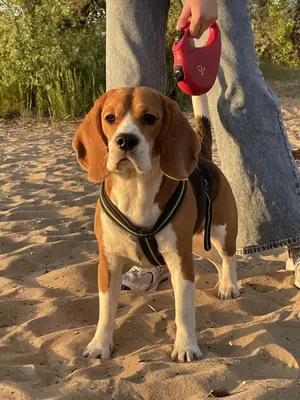
There are 2 Beagle listings live right now, last updated 2 weeks ago. Find Beagles for adoption in B... There are 2 Beagle listings live right now, last updated 2 weeks ago. Find Beagles for adoption in Brighton by looking past the soft eyes and wagging tail and checking the details that decide whether ... There are 2 Beagle listings live right now, last updated 2 weeks ago. Find Beagles for adoption in Brighton by looking past the soft eyes and wagging tail and checking the details that decide whether this scent-driven, sociable and food-motivated dog will truly fit your home: age, microchip transfer, neutering status, vaccination and flea-worming record, vet history, adoption fee, home check requirements, rescue backup, reason for rehoming, behaviour with children, cats and other dogs, separation history, baying or howling, recall reliability, lead pulling, food guarding, escape attempts, secure garden needs, crate or settling routine, toilet training, weight control, ear care, exercise level, beach-walk safety, South Downs recall risks and whether the Beagle needs an experienced hound owner. On Petopic, adopting a Beagle in Brighton, Hove, Shoreham, Worthing, Lewes, Eastbourne and wider Sussex should not mean choosing the sweetest photo; it should mean finding a dog whose background, temperament, care needs and long-term support are described honestly before you apply.

Haven't found the pet you're looking for? Let people who want to find a new home for their pet reach out to you.
Create your free pet adoption request listing now and be seen by thousands of pet owners.
Other listings in your area
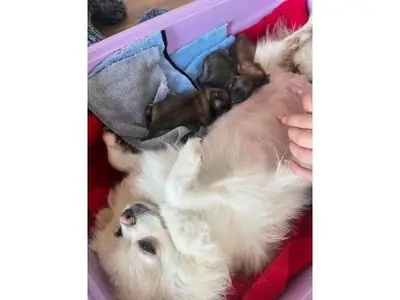
Playful white Pomeranian puppy looking for a loving family

Gift male and female Boxer puppies
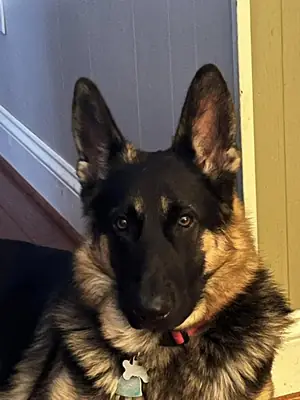
german shepherd dog
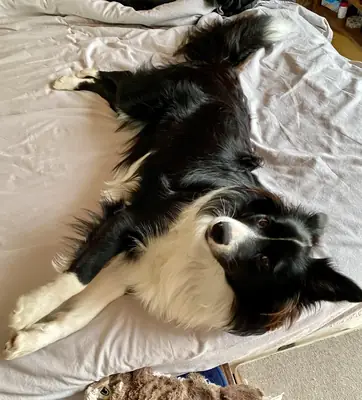
Border Collie that needs someone who actually enjoys active dogs
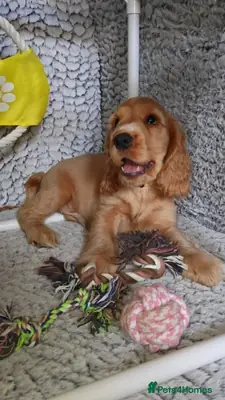
Cocker Spaniel Puppy For Adoption
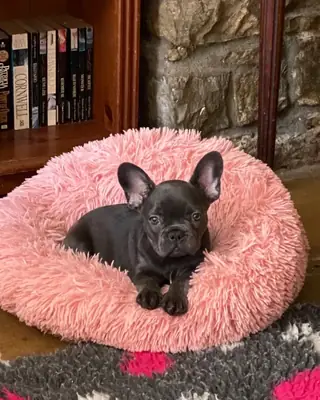
French Bulldog Puppies For Adoption
Popular Searches
Beagle adoption Brighton
Beagle adoption in Brighton attracts people who want a cheerful, compact, affectionate dog with a big personality. The trap is thinking a Beagle is simply a small, easy family dog. This breed is a scent hound: nose-led, curious, vocal, food-focused and often unreliable off lead without careful management.
A strong Petopic adoption listing should explain the Beagle’s age, microchip transfer, neutering status, vaccination record, vet history, reason for rehoming, home-check expectations, behaviour with children and pets, separation history, recall, escape behaviour and daily routine. “Lovely Beagle needs home” is not enough information for a serious adopter.
Adopt Beagle Brighton
People searching adopt Beagle Brighton usually want a dog close enough to meet, walk and assess before committing. That is the right instinct. A Beagle should not be adopted from a vague online profile with no behaviour detail, no support plan and no clear handover process.
Before applying, check whether the dog can cope with your working hours, garden security, walking routine, neighbours, children, cats and existing dogs. The best adoption match is not the fastest one; it is the one where the Beagle’s real habits are clear before arrival.
Beagle rescue Brighton
Beagle rescue Brighton searches often come from adopters who want to avoid puppy buying and give a dog a second chance. Good. But rescue Beagles are not blank slates. Some arrive with separation issues, poor recall, food obsession, anxiety, hunting drive or lack of training.
The listing should be honest about what the dog needs: quiet home, active home, secure garden, no cats, older children only, resident dog possible, training required or experienced hound owner preferred. Sugar-coating a rescue Beagle’s needs only creates a failed adoption later.
Beagle rehoming Brighton
Beagle rehoming in Brighton should clearly explain why the dog needs a new home. Moving house, work changes, owner illness, behaviour issues, escape problems or conflict with pets all lead to different adoption decisions.
Ask for the dog’s daily routine, sleep setup, diet, walking habits, recall level, reactions to traffic, visitors, dogs, children and being left alone. A private rehoming advert with no background is weak; Beagles need context.
Beagle rescue Sussex
Beagle rescue Sussex captures adopters looking beyond Brighton into Hove, Lewes, Worthing, Shoreham, Eastbourne, Haywards Heath and the wider South East. Expanding the area can help, but the same checks stay non-negotiable.
Local availability is useful because you may be able to meet the dog, test walking behaviour and discuss home suitability in detail. But a nearby Beagle with vague information is still a risky match. Prioritise assessment quality over distance.
Adult Beagle adoption Brighton
Adult Beagle adoption in Brighton can be a better choice than a puppy for many homes because you may already know the dog’s size, temperament, energy level, recall issues and behaviour around people. That makes the match more realistic.
Ask whether the adult Beagle is toilet trained, crate trained, used to car travel, able to settle indoors, safe around food, comfortable at the vet and manageable on lead. Adult does not mean easy; it means the profile should be more specific.
Senior Beagle adoption
Senior Beagle adoption is often overlooked, and that is a mistake. Older Beagles can be affectionate, settled and deeply rewarding, but adopters must understand vet needs, weight management, arthritis checks, dental care, ear care and realistic walking limits.
A senior Beagle listing should mention medication, insurance considerations, mobility, hearing, sight, diet, sleep routine and how the dog handles being alone. A calm older Beagle can be a brilliant companion when the adopter is prepared.
Beagle puppy adoption Brighton
Beagle puppy adoption in Brighton is less common than adult rehoming, but when puppies appear, interest can spike fast. Do not rush. A Beagle puppy needs toilet training, bite inhibition, recall foundations, scent games, sleep routine, socialisation and careful food management.
The profile should state age, microchip, vaccination stage, worming, vet check, early socialisation and what support the adopter receives. A puppy adopted without structure can quickly become a noisy, mouthy, scent-obsessed teenager.
Ex-laboratory Beagle adoption UK
Ex-laboratory Beagle adoption UK is a highly emotional search, and it needs careful wording. These dogs may be gentle and trusting, but some need patient exposure to normal home life, stairs, traffic, household noise, lead walks, toys, visitors and being touched in everyday ways.
An ex-lab Beagle profile should be honest about confidence, noise sensitivity, toilet training, handling, other dogs, secure garden needs and whether a calm resident dog would help. Emotion gets people to click; honesty keeps the adoption stable.
Beagle home check Brighton
Beagle home check Brighton matters because this breed can expose weak household planning fast. A home check should look at garden fencing, gate security, work hours, walking plan, children, other pets, food storage, sleeping area and how the adopter will manage recall.
For Beagles, “we have a garden” is not enough. Fences, gaps, bin access, compost, food cupboards and open doors all matter. If a Beagle can smell it, reach it or squeeze through it, assume it will try.
Beagle adoption fee Brighton
Beagle adoption fee Brighton searches usually come from people trying to understand the real cost of rescue. The adoption fee is only the start. Food, insurance, vet care, flea-worm treatment, training, secure equipment and possible behaviour support must be budgeted.
A good adoption profile should say what the fee includes: microchip transfer, vaccinations, neutering if already done, vet check, flea-worm treatment or rescue backup. “Free Beagle” may sound attractive, but free with no support can cost more than a proper adoption.
Free Beagle adoption Brighton
Free Beagle adoption Brighton is a risky search if the adopter is only looking to avoid a fee. A genuinely urgent private rehome may not ask much money, but the dog still needs a safe transfer, microchip update, vet history and clear behaviour information.
Never treat “free” as the main advantage. Ask why the dog is being rehomed, whether vaccinations are current, whether the dog is neutered, how it behaves when left, whether it escapes and whether the current owner will take the dog back if the trial fails.
Microchipped Beagle adoption Brighton
Microchipped Beagle adoption Brighton should include a clear transfer process. The dog’s chip should be scanned, the registered keeper details should be updated and the adopter should receive the information needed to complete the change properly.
This matters even more with Beagles because escape and following scent are realistic risks. If the dog slips a lead or gets through a gate, correct microchip details can be the difference between a fast reunion and a disaster.
Neutered Beagle adoption
Neutered Beagle adoption is a practical search because adopters want to know whether future vet costs or behaviour considerations are already handled. The profile should state whether the Beagle is neutered, not neutered, too young, medically delayed or adopted with a neutering agreement.
Neutering is not a magic fix for training, scent drive or food obsession, but it is still important for planning. Ask for the vet record and any relevant recovery or health notes.
Vaccinated Beagle for adoption Brighton
Vaccinated Beagle for adoption Brighton should mean the dog’s vaccination record is available and clear. Adopters need to know what has been done, what is due next and whether there are any recent health concerns.
Ask about vaccinations, flea and worm treatment, dental care, ear infections, allergies, weight and previous vet visits. A rescue dog does not need to be perfect, but the health history must be honest.
Beagle with children Brighton
Beagles can be good family dogs, but “good with children” must be specific. Has the dog lived with toddlers, older children, visiting children or only calm adults? Does it guard food? Does it jump up? Does it steal toys?
A strong profile should state the age of children the Beagle has lived with, how it behaves around food, whether it tolerates noise and whether it needs a quieter home. Friendly does not automatically mean suitable for every family.
Beagle with cats Brighton
Beagle with cats Brighton is a high-value adoption question because scent hounds can be interested in movement, food bowls and small animals. Some Beagles live well with cats; others are too chase-driven.
The listing should say whether the Beagle has lived with cats, only seen cats on walks or has a known chase history. At home, adopters need gates, safe cat spaces, slow introductions and no forced face-to-face meetings on day one.
Beagle with other dogs Brighton
Beagles were developed to work around other hounds, so many enjoy canine company. But that does not mean every Beagle fits every dog. Food guarding, resource sharing, rough play, nervousness and age differences can change the match.
Ask whether the Beagle has lived with dogs, walked with dogs, shared food areas or shown jealousy. A meet-and-greet with the resident dog is useful, but the first weeks at home still need supervision and separate feeding.
Beagle recall training Brighton
Beagle recall training in Brighton is not optional. Parks, beaches, rabbits, gulls, food smells and the South Downs can turn a loose Beagle into a disappearing dot. The nose often wins unless the owner manages freedom carefully.
Ask whether the dog has reliable recall, whether it has ever run off, and whether it is walked on a lead, long line or secure field. For many adopted Beagles, long-line walks and enclosed spaces are the honest answer, not risky off-lead freedom.
Beagle secure garden adoption
Beagle secure garden adoption is a serious requirement, not rescue bureaucracy. Beagles can follow scent, squeeze through gaps, dig under weak fencing, jump low barriers or bolt through open doors.
Adopters should check fence height, gate locks, gaps under panels, bins, compost, outdoor food, children leaving doors open and shared entrances. If your garden is not secure, be honest before applying.
Beagle separation anxiety adoption
Beagle separation anxiety adoption searches matter because Beagles are social dogs and many dislike being left alone for long periods. Rehomed dogs may become more anxious during the first weeks, even if they were fine before.
The listing should state how long the Beagle can be left, whether it barks, howls, chews, soils indoors or panics, and whether it needs gradual alone-time training. A household out all day with no plan is usually a poor fit.
Beagle howling and barking
Beagle howling and barking should be mentioned honestly in adoption listings. Beagles can bay, howl, bark at visitors, complain when left, vocalise around food or react to outdoor noises.
For flats, terraced homes and close neighbours in Brighton, noise matters. Ask when the dog vocalises, what triggers it, whether training has helped and whether the dog settles after exercise. “Quiet Beagle” should be supported by real experience.
Beagle food obsession and weight
Beagle food obsession and weight control are huge adoption topics. Many Beagles are highly food motivated, which helps training, but it can also lead to bin raiding, counter surfing, stealing, guarding and obesity.
Ask what food the dog eats, whether it steals, whether it guards bowls, whether it is overweight and what treat routine works. Adopters should plan measured meals, secure bins, safe storage and training games that use food without overfeeding.
Beagle lead pulling Brighton
Beagle lead pulling in Brighton is common because scent is everywhere: pavements, parks, cafés, seafront paths, bins, dogs, tourists and food smells. A Beagle that pulls is not being stubborn for fun; it is following a powerful nose.
Ask what equipment the dog uses, whether it walks on a harness, whether it lunges, whether it sniffs constantly and whether it can focus outdoors. Adopters should expect training, not instant polite pavement walking.
Beagle Brighton beach walks
Beagle Brighton beach walks sound perfect, but they need management. Food wrappers, gulls, other dogs, tourists, dropped chips and open space can all be more interesting than the owner.
Use a lead or long line unless recall is genuinely safe in that environment. Rinse salt from paws, watch for scavenging and avoid letting the dog disappear after scents under the promenade or near busy roads.
Beagle South Downs walks
Beagle South Downs walks can be brilliant for exercise and sniffing, but open countryside brings livestock, wildlife, scent trails and long-distance visibility problems. Off-lead confidence should not be guessed.
Adopters should ask whether the Beagle has livestock experience, chase history and recall reliability. For many Beagles, a long line is not a failure; it is responsible ownership.
Beagle apartment adoption Brighton
Beagle apartment adoption in Brighton can work for the right dog and right owner, but the risk points are noise, stairs, neighbours, alone time, toilet routine and enough outdoor enrichment.
A Beagle in a flat needs regular walks, sniffing opportunities, training, calm indoor routine and noise management. If the dog howls when alone or reacts to hallway sounds, a flat may be a bad match unless the adopter has a serious plan.
Beagle first-time owner adoption
Beagle first-time owner adoption can work, but only if the adopter understands hound behaviour before applying. A Beagle is friendly, but friendliness does not cancel out scent drive, selective hearing, scavenging and vocal habits.
First-time owners should look for a well-assessed Beagle with clear support, manageable separation history, known dog compatibility and honest recall expectations. Choosing a difficult Beagle because it looks cute is a brutal beginner mistake.
Beagle health issues adoption
Beagle health issues in adoption profiles should be written clearly. Common adopter concerns include weight, ears, allergies, dental care, joints, thyroid history, epilepsy history, eye problems and previous surgery.
A dog with a health condition may still be a great adoption match, but the adopter needs costs, medication, vet records and lifestyle impact explained. Hiding health problems just creates failed matches and resentment.
Beagle ear care adoption
Beagle ear care is not glamorous, but it matters. Their floppy ears can trap warmth and moisture, especially after rainy walks, swimming, beach trips or muddy runs.
Ask whether the dog has had ear infections, whether it tolerates handling and what cleaning routine is recommended by the vet or rescue. New adopters should learn to check ears calmly without over-cleaning.
Beagle trial adoption Brighton
Beagle trial adoption Brighton searches usually come from adopters who want reassurance before committing. Trial periods or staged introductions can help, especially with resident dogs, cats, children or separation concerns.
The terms should be clear: who covers vet costs during trial, what happens if the dog returns, how microchip transfer is handled, and what support is available. A vague “try him and see” arrangement is not enough.
Private Beagle rehoming Brighton
Private Beagle rehoming in Brighton can work, but it needs stronger caution because there may be no rescue safety net. The adopter should ask for vet records, microchip details, behaviour history, reason for rehoming and a written agreement.
Do not take a Beagle from a private advert with no meeting, no paperwork and no honest discussion of problems. A responsible owner rehoming a dog should care where the Beagle is going, not just how quickly it leaves.
Beagle adoption near Hove and Worthing
Beagle adoption near Hove and Worthing broadens the local search while staying close enough for meetings, home checks and follow-up. That is useful for adopters who can travel across Sussex for the right dog.
The local area should be part of the plan: seafront walks, secure fields, busy streets, public transport, flats, gardens and nearby vets all affect fit. A Beagle that suits a rural home may not suit a central Brighton flat.
Responsible Beagle adoption Brighton
Responsible Beagle adoption in Brighton means choosing the dog whose needs you can meet, not the one with the saddest story or cutest face. Beagles can be funny, loving and loyal, but they need secure handling, food management, recall planning, companionship and mental enrichment.
On Petopic, the best adoption listing is the one that gives practical truth: age, health, microchip, neutering, behaviour, separation, recall, children, cats, dogs, garden security, adoption fee and support. The weakest listing sells emotion and hides the hard parts.
Frequently Asked Questions
What should I check before adopting a Beagle in Brighton?
Check the Beagle’s age, microchip transfer, neutering status, vaccination record, flea and worming history, vet notes, reason for rehoming, adoption fee, home-check requirements and rescue backup.
You should also ask about recall, lead pulling, food stealing, separation anxiety, howling, escape behaviour, children, cats, other dogs, secure garden needs and daily exercise routine.
Is a Beagle a good rescue dog for Brighton homes?
A Beagle can be a brilliant rescue dog for the right home: affectionate, sociable, funny and full of character.
It is not a good match for every home. Beagles can be vocal, scent-driven, food-focused and difficult off lead, so adopters need realistic expectations and secure routines.
Can a Beagle live in a flat in Brighton?
Some Beagles can live in flats if they get enough walks, sniffing time, training and companionship.
The main risks are howling, barking at hallway noise, separation distress and lack of secure outdoor space. Ask the rescue whether the specific Beagle has lived in a flat before.
Do Beagles need a secure garden?
A secure garden is strongly preferred for many Beagles because they can follow scent, dig, squeeze through gaps or bolt through gates.
Check fence height, gaps, gate locks, compost bins, food waste and shared entrances. A Beagle should not be trusted in an insecure garden just because it seems calm indoors.
Can Beagles be let off lead?
Some Beagles can learn good recall, but many remain risky off lead in open spaces because scent can override training.
For Brighton beach, parks and the South Downs, a long line or secure field may be safer. Ask whether the Beagle has any history of running off.
Are Beagles good with children?
Many Beagles can be good with children, but the individual dog’s history matters. Some may jump up, steal food, guard items or become overwhelmed by noise.
Ask what age children the dog has lived with, whether it guards food or toys, and whether it needs a calmer home. Supervision is still necessary.
Can a Beagle live with cats?
Some Beagles can live with cats, but it depends on chase drive, previous experience and the cat’s confidence.
Ask whether the Beagle has lived with cats before. Use slow introductions, safe cat spaces, baby gates and supervision. Do not assume a Beagle is cat-safe without evidence.
Can a Beagle live with another dog?
Many Beagles enjoy other dogs, but compatibility still depends on temperament, food behaviour, play style and the resident dog.
Arrange careful introductions and feed separately at first. Ask whether the Beagle has lived with dogs or only met dogs on walks.
Do Beagles suffer from separation anxiety?
They can. Beagles are social dogs and some struggle when left alone, especially after rehoming.
Ask how long the dog can be left, whether it howls, barks, chews, soils indoors or panics. If your home is empty for long hours, you need a realistic support plan.
Do Beagles bark or howl a lot?
Beagles can bark, bay or howl, especially around food, visitors, other dogs, excitement, boredom or being left alone.
This matters in flats, terraced homes and close-neighbour areas. Ask about the dog’s noise history before applying.
Are Beagles hard to train?
Beagles are intelligent, but they are scent hounds. They may ignore commands when following smells, so training needs patience, food rewards, consistency and management.
Recall, lead walking, food manners and settling should be part of the adoption plan from day one.
Why do Beagles need food management?
Many Beagles are highly food motivated. This helps training but can also lead to stealing, bin raiding, counter surfing, weight gain or food guarding.
Ask about the dog’s eating habits, weight, guarding behaviour and current diet. Secure bins and measured meals are important.
What health issues should I ask about when adopting a Beagle?
Ask about weight, ears, teeth, allergies, joints, eyes, epilepsy history, thyroid issues, previous surgery and current medication.
A Beagle with health needs can still be a good match, but you need accurate vet history and realistic cost expectations.
Is private Beagle rehoming safe?
It can be safe if the current owner is transparent and provides vet records, microchip details, behaviour history, reason for rehoming and a written agreement.
Be cautious if the owner wants the dog gone immediately, hides behaviour issues, refuses questions or has no paperwork. A rushed private rehome can fail quickly.
How do I recognise a reliable Beagle adoption listing in Brighton?
A reliable listing clearly states location, age, microchip, neutering status, vaccinations, health history, adoption fee, home-check expectations, reason for rehoming, behaviour and the type of home needed.
A weak listing relies on emotional phrases like “urgent”, “free to good home”, “lovely dog” or “perfect family pet” without evidence. With Beagles, real behaviour detail matters more than a cute photo.