Free British Shorthair Cat Adoption in Cambridge
There are 2 British Shorthair listings live right now, last updated 2 weeks ago. Free British Shorth... There are 2 British Shorthair listings live right now, last updated 2 weeks ago. Free British Shorthair cat adoption in Cambridge is for people looking for a calm, round-faced, short-coated cat with a... There are 2 British Shorthair listings live right now, last updated 2 weeks ago. Free British Shorthair cat adoption in Cambridge is for people looking for a calm, round-faced, short-coated cat with a steady personality, not a high-drama pet that demands attention all day. Check British Shorthair cats and kittens around Cambridge, Chesterton, Trumpington, Cherry Hinton and nearby areas with care for microchip details, vaccination history, neutering status, age, weight, coat condition, dental care, HCM or PKD notes where known, indoor routine, litter habits, behaviour with children or pets and whether the listing gives enough proof for a safe local adoption.
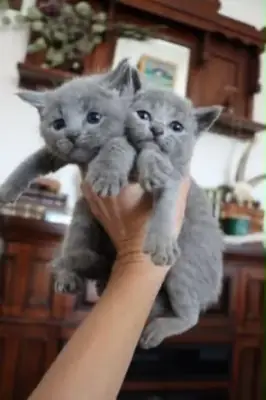
Sweet & Charming British Shorthair Kittens
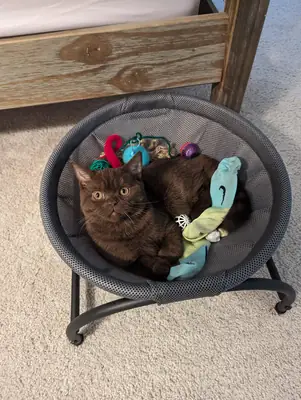
Gentle British Shorthair looking for a quiet forever home
Haven't found the pet you're looking for? Let people who want to find a new home for their pet reach out to you.
Create your free pet adoption request listing now and be seen by thousands of pet owners.
Other listings in your area
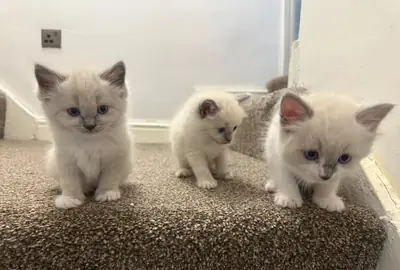
RAGDOLL KITTENS
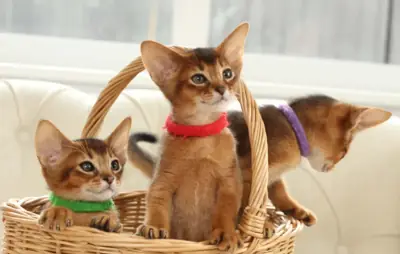
Abyssinian kittens
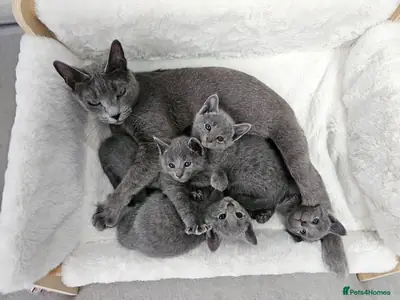
Pure Russian Blue kittens
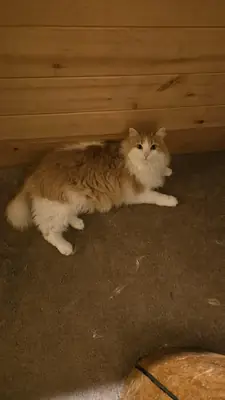
better suited to a quieter household
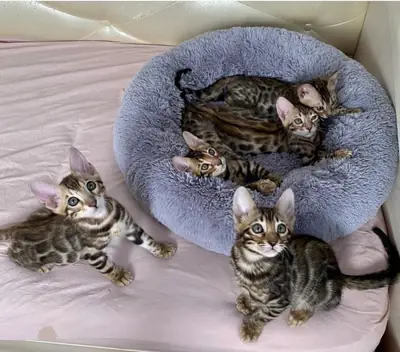
Beautiful Bengal kitten’s for Rehoming
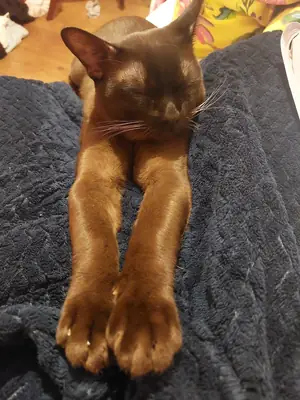
social cat, currently under-stimulated
Popular Searches
Free British Shorthair cat adoption Cambridge
Free British Shorthair cat adoption in Cambridge should be checked carefully because this is one of the most searched pedigree cat breeds in the UK. A genuine listing should explain the cat’s age, microchip status, vaccination record, neutering, health history, weight, temperament and reason for rehoming.
The right British Shorthair is not simply the nearest free cat. It is the cat whose routine, health, litter habits, handling style and indoor needs are described clearly enough for a calm, safe adoption.
British Shorthair cats for adoption Cambridge
British Shorthair cats for adoption in Cambridge attract people who want a calm, solid, affectionate cat with a plush coat and a round face. The breed can be wonderfully steady, but that does not mean every listing is automatically safe.
Ask whether the cat enjoys being stroked, dislikes being picked up, prefers quiet routines, hides from visitors, uses the litter tray reliably and has any heart, kidney, dental or weight concerns. A good listing makes the cat’s normal day easy to picture.
British Shorthair kitten adoption Cambridge
British Shorthair kitten adoption in Cambridge needs strict checking because kitten photos can make people ignore weak evidence. A kitten listing should include clear age, microchip plan or proof, vaccination details, flea and worm treatment, diet, litter training and a safe handover plan.
If the advert pushes urgent collection, delivery-only handover, vague parent history or no current home details, slow down. A British Shorthair kitten should grow slowly and steadily, with proper care from the beginning.
Adult British Shorthair rehoming Cambridge
Adult British Shorthair rehoming in Cambridge can be smarter than chasing kittens because the cat’s personality, body condition, weight, litter habits and handling preferences are already visible.
Ask whether the cat is calm, shy, affectionate, independent, lap-seeking, food-driven or nervous around change. Adult adoption works best when the listing describes the cat’s real routine instead of relying on breed reputation.
British Shorthair rescue Cambridge
British Shorthair rescue in Cambridge often means a cat rehomed because of owner illness, moving home, allergies, cost, conflict with pets, weight issues or a change in household routine. The reason matters.
A useful rescue-style listing should explain how the cat behaves with people, whether it likes being handled, whether it is indoor-only, whether it has lived with children or pets and what kind of home keeps it relaxed.
British Shorthair adoption Cambridge area
British Shorthair adoption searches around Cambridge often include Chesterton, Trumpington, Cherry Hinton, Newnham, Milton, Histon, Girton, Ely, Royston and nearby villages. Local distance helps because viewing, questions and safe collection are more realistic.
Use that local access properly. Check microchip details, vet records, vaccination history, neutering status, litter habits, weight, coat condition and the reason the cat needs a new home before trusting the listing.
British Blue cat adoption Cambridge
British Blue cat adoption in Cambridge is one of the strongest search patterns because many users know the British Shorthair through the classic blue-grey coat. Colour is not proof of breed or care quality.
Ask whether the cat is confirmed British Shorthair, British Blue, British-type or simply a blue-grey shorthair. Then check microchip, vet record, weight, temperament and health notes before making the colour the deciding factor.
Blue British Shorthair kitten Cambridge
Blue British Shorthair kitten searches in Cambridge can attract weak or copied adverts because the colour is so popular. A kitten should never be judged on coat shade alone.
Ask for current photos, age, microchip plan, vaccination schedule, litter training, diet, parent background where known and whether collection can happen safely. A popular colour with missing records is not a strong adoption lead.
British Shorthair cat free to good home Cambridge
British Shorthair cat free to good home Cambridge searches should not stop at the word free. A no-fee cat can still need vaccination, microchip update, dental care, weight management, neutering or vet checks.
Ask why the cat is free, whether there are health or behaviour issues and whether the current keeper is choosing a suitable home rather than the fastest reply. Free can become expensive when the background is vague.
Private British Shorthair rehoming Cambridge
Private British Shorthair rehoming in Cambridge can be genuine, but attractive pedigree-style listings need proof. A private owner should be able to explain the cat’s history, routine, health care and why the cat needs a new home.
Ask for microchip transfer details, vaccination record, neutering status, vet notes, diet, litter habits, indoor or outdoor history, weight and the exact rehoming reason. A responsible owner should care about the match.
British Shorthair adoption fee Cambridge
British Shorthair adoption fee Cambridge searches usually compare free adoption, private rehoming and pedigree-style listings. The fee matters less than the evidence behind the cat.
A free British Shorthair with no microchip proof, no vaccination detail and no health history can cost more than a prepared adoption. Judge the listing by records, honesty and suitability, not by price alone.
Indoor British Shorthair adoption Cambridge
Indoor British Shorthair adoption in Cambridge can work very well when the home gives the cat quiet spaces, scratching posts, play sessions, window views and a stable routine. Calm does not mean inactive.
Ask whether the cat has always lived indoors, whether it tries to escape, whether it uses the litter tray reliably and whether it gains weight easily. Indoor life should be safe and enriched, not lazy and empty.
British Shorthair for flat living Cambridge
A British Shorthair can suit flat living in Cambridge if weight, litter tray access, scratching, play and window safety are handled properly. The breed’s calm style can fit flats, but boredom and overfeeding are still risks.
Ask whether the cat reacts to hallway noise, whether it has balcony or window access, whether it scratches furniture and whether it needs a quieter home. A flat can work when the routine is realistic.
British Shorthair temperament adoption
British Shorthair temperament is usually calm, steady and affectionate without being constantly demanding. Many prefer sitting near people rather than being carried around like a toy.
Ask whether the cat enjoys stroking, accepts brushing, dislikes being picked up, follows people around or hides from guests. A good adoption depends on the cat’s actual personality, not just the breed stereotype.
Calm British Shorthair cat adoption
Calm British Shorthair cat adoption is a strong search because many people want a steady companion for a quiet home. Calm should not be confused with needing no attention.
Ask how the cat asks for food, play, affection or space. A calm British Shorthair still needs routine, grooming during shedding, weight control and enough interaction to stay healthy and settled.
British Shorthair with children Cambridge
A British Shorthair with children can be a good match when the cat is confident and the children understand gentle handling. This breed may be patient, but patience is not permission for rough play.
Ask whether the cat has lived with children, what ages, whether it tolerates being picked up, whether it scratches when annoyed and where it goes when it wants quiet. A family match should protect the cat’s comfort.
British Shorthair with other cats Cambridge
British Shorthair cats can live with other cats in the right home, but introductions should still be slow. A calm cat can still dislike sharing territory, litter trays, food bowls or favourite resting places.
Ask whether the cat has lived with other cats, whether it guards food, hides, swats, chases or prefers being the only pet. A peaceful-looking breed still needs proper introductions.
British Shorthair with dogs Cambridge
A British Shorthair with dogs may work if the cat is confident and the dog is calm around cats. The important detail is previous experience, not hope.
Ask whether the cat has lived with dogs, whether it runs, freezes, swats, hides or settles nearby. Safe rooms, high resting places and slow introductions should be ready before adoption.
British Shorthair weight problem adoption
British Shorthair weight problem adoption should be handled seriously because this breed can become too heavy when food is generous and activity is low. A chunky cat is not automatically a healthy cat.
Ask current weight, target weight if advised, feeding routine, treats, mobility, jumping ability and whether a vet has discussed weight control. The cat’s round shape should not become an excuse for obesity.
British Shorthair HCM adoption
British Shorthair HCM adoption searches come from people who understand that heart history can matter in this breed. A cat may look calm and healthy while still needing proper vet checks.
Ask whether any heart murmur, scan, vet note, breathing change, fainting episode or family health background is known. The listing should be honest about what has been checked and what remains unknown.
British Shorthair PKD adoption
British Shorthair PKD adoption searches focus on kidney-related inherited risk. Not every adopted cat will have full genetic paperwork, but the question is still valid.
Ask whether any PKD test history, breeder background, kidney scan, blood test, urine test, excessive thirst, weight loss or vomiting has been recorded. A responsible listing should not dismiss serious health questions.
British Shorthair dental care adoption
British Shorthair dental care should be checked before adoption because dental pain can be easy to miss in a quiet cat. Bad breath, drooling, slow eating or avoiding hard food can matter.
Ask when the cat last had a dental check, whether teeth have been removed, whether it eats comfortably and whether the current keeper has noticed mouth pain. Calm behaviour does not prove the mouth is healthy.
British Shorthair grooming and coat care
British Shorthair grooming is usually manageable, but the dense short coat still needs attention during shedding. The plush coat can hold loose hair and may need more help as the cat ages.
Ask whether the cat accepts brushing, sheds heavily, gets mats, dislikes being handled or has skin issues. Short hair does not mean no grooming at all.
Microchipped British Shorthair adoption
A microchipped British Shorthair adoption listing should explain keeper transfer clearly. In England, microchip details are part of responsible cat ownership and help prove the cat matches the advert.
Ask for the chip process, current keeper details, database update steps and whether the vet record matches the cat. A desirable cat with unclear identity needs extra caution.
Vaccinated British Shorthair rehoming
Vaccinated British Shorthair rehoming should state what has been given, what is due next and whether a vet record is available. “Healthy” is not the same as documented care.
Ask about vaccinations, flea and worm treatment, dental checks, weight, appetite, litter habits, recent illness and any current medication. A calm cat can still arrive with hidden vet questions.
Neutered British Shorthair adoption Cambridge
Neutered British Shorthair adoption in Cambridge can make home life easier, especially for indoor homes and multi-cat households. It can reduce accidental breeding risk, spraying and some roaming behaviour.
Ask whether the cat is neutered, when it was done, whether recovery was normal and whether any marking, calling or weight changes followed. If not neutered, the next step should be clear.
British Shorthair adoption scam UK
British Shorthair adoption scams in the UK can use copied kitten photos, blue coat claims, fake free adoption stories, delivery promises, urgent deposits and vague local locations.
Ask for current videos, proof the cat is in or near Cambridge, microchip information, vet records, safe viewing or collection and a clear reason for rehoming. If proof disappears but payment pressure appears, walk away.
Frequently Asked Questions
Can I adopt a British Shorthair cat for free in Cambridge?
Yes, British Shorthair cats may be offered for free adoption in Cambridge, but every listing should be checked carefully before contact or collection.
Ask about microchip details, vaccination record, neutering status, age, weight, health history, litter habits, temperament and the reason for rehoming.
Is a British Shorthair a cat or a dog?
A British Shorthair is a cat breed, not a dog. It is known for a round face, dense short coat, solid body and calm personality.
Many British Shorthairs enjoy being close to people, but they may prefer sitting nearby rather than being picked up constantly.
Is a British Blue the same as a British Shorthair?
British Blue usually refers to the blue-grey colour of a British Shorthair.
Not every blue-grey cat is a British Shorthair, so ask whether the cat is confirmed British Shorthair, British Blue, British-type or simply a blue shorthair cat.
Are British Shorthair cats good adoption cats?
British Shorthairs can be excellent adoption cats for calm homes that want a steady, affectionate and fairly quiet companion.
They still need proper feeding, weight control, grooming during shedding, vet checks, enrichment and a safe indoor routine.
What should I check before adopting a British Shorthair?
Check microchip details, vaccination history, neutering status, vet notes, weight, dental health, HCM or PKD background where known, diet, litter habits, indoor or outdoor routine and temperament.
Also ask why the cat is being rehomed and whether any hiding, aggression, toileting, overfeeding or health history exists.
Should a British Shorthair be microchipped before adoption?
Yes, microchip details should be clear before adoption, and keeper information should be updated correctly after the cat changes home.
Ask for the chip process, current keeper details and whether the vet record matches the British Shorthair in the listing.
Should a British Shorthair be vaccinated and neutered?
Vaccination and neutering status should be clear before adoption. Ask what vaccinations have been given, what is due next and whether the cat is neutered.
If the cat is not neutered, ask why and whether the adopter is expected to arrange it with a vet.
Are British Shorthairs good indoor cats?
Many British Shorthairs can suit indoor life if the home is safe, calm and enriched.
Provide scratching posts, play sessions, window views, litter tray access and weight control. Indoor should not mean inactive.
Can a British Shorthair live in a flat in Cambridge?
A British Shorthair can live in a flat if the space is safe, calm and enriched enough for daily movement and play.
Ask about litter habits, scratching, window safety, balcony access, weight control and whether the cat becomes bored or restless indoors.
Are British Shorthairs good with children?
Some British Shorthairs are good with children, especially when the cat is confident and the children are gentle.
Ask whether the cat has lived with children, whether it tolerates being picked up and where it goes when it wants quiet space.
Can British Shorthairs live with other cats or dogs?
British Shorthairs can live with other pets in the right home, but introductions should be slow and supervised.
Ask whether the cat has lived with cats or dogs before, whether it hides, swats, guards food or becomes stressed around other animals.
Do British Shorthairs gain weight easily?
British Shorthairs can gain weight if food is not controlled and daily activity is too low.
Ask the cat’s current weight, feeding routine, treat habits, mobility and whether a vet has advised weight loss or portion control.
What health issues should I ask about in a British Shorthair?
Ask about HCM, PKD background, dental disease, weight, arthritis in older cats, appetite, drinking, vomiting, breathing changes and previous vet checks.
A British Shorthair does not need perfect records to be adoptable, but the health history should be honest and clear.
Do British Shorthairs need much grooming?
British Shorthairs have short but dense coats, so regular brushing can help remove loose hair, especially during shedding.
Ask whether the cat accepts brushing, sheds heavily, gets mats or has any skin or coat problems before adoption.
How can I avoid British Shorthair adoption scams?
Be cautious with copied kitten photos, urgent deposits, delivery-only offers, vague Cambridge locations, blue coat claims, missing microchip details and no vet records.
Ask for current videos, proof the cat is local, safe viewing or collection, identity details and a clear reason for rehoming before trusting any advert.