Cambridge Doberman Dog Adoption
There's 1 Doberman listing live right now, last updated 14 Apr 2026. Find Doberman dog adoption list... There's 1 Doberman listing live right now, last updated 14 Apr 2026. Find Doberman dog adoption listings in Cambridge and compare intelligent, athletic, loyal dogs looking for experienced, well-prepar... There's 1 Doberman listing live right now, last updated 14 Apr 2026. Find Doberman dog adoption listings in Cambridge and compare intelligent, athletic, loyal dogs looking for experienced, well-prepared homes across the city and wider Cambridgeshire area. On Petopic, you can review Doberman and Dobermann adoption profiles by age, health history, microchip status, neutering, vaccination record, exercise needs, training level, recall, lead manners, child suitability, behaviour around other dogs, prey drive, separation tolerance, cropped-ear history, rescue notes and home requirements before choosing a dog that genuinely fits your lifestyle, property and handling ability.
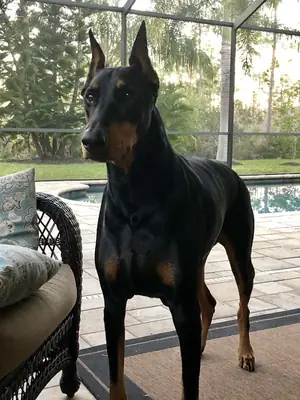
Haven't found the pet you're looking for? Let people who want to find a new home for their pet reach out to you.
Create your free pet adoption request listing now and be seen by thousands of pet owners.
Other listings in your area
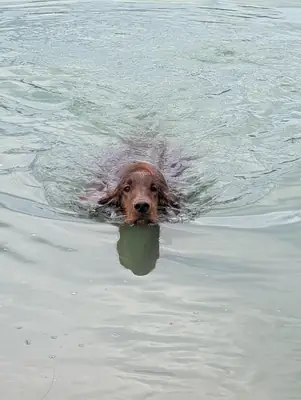
not compatible with my current routine
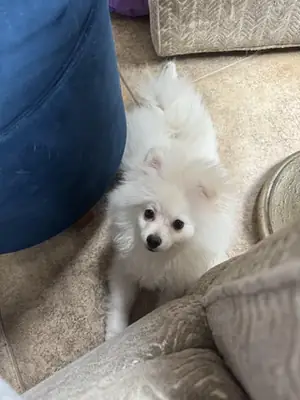
White pomeranian that prefers staying close to people

Pomeranian puppies
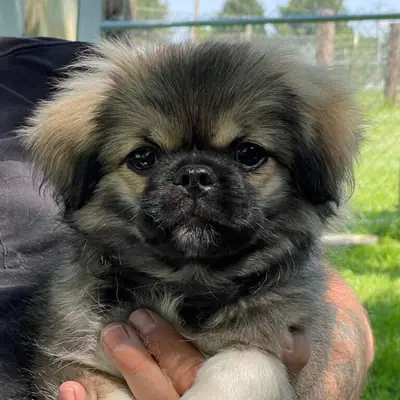
Lovely Tibetan Spaniel for Adoption
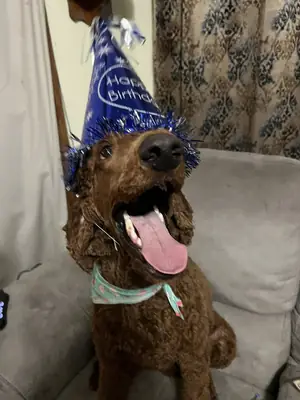
Brown poodle companion that prefers people over toys
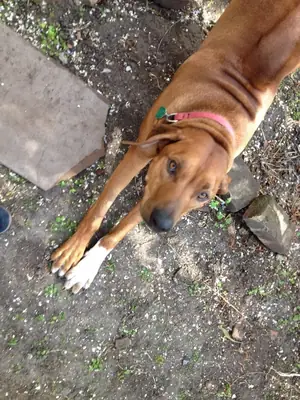
requires a more structured and active environment
Popular Searches
Doberman dogs for adoption in Cambridge
Doberman dogs for adoption in Cambridge should be approached with more judgement than “I want a loyal, impressive-looking dog”. A Doberman is a strong, athletic, intelligent dog that needs structure, exercise, training, socialisation and a home that understands working-breed intensity. If the listing only shows photos and says “friendly Doberman”, it is not giving enough information.
On Petopic, Doberman adoption listings should be checked for age, microchip status, neutering, vaccinations, health history, training level, lead manners, behaviour with strangers, children, dogs, cats, traffic, visitors and time alone. A strong adoption profile does not sell the image of the breed; it explains whether this specific dog can safely and happily live in your Cambridge home.
Adopt a Doberman in Cambridge
To adopt a Doberman in Cambridge, start by judging your daily routine honestly. This is not a low-effort sofa dog for someone who wants a dramatic-looking companion without putting in work. A Doberman needs proper walks, mental stimulation, calm handling, boundaries and positive training that continues after adoption.
Before applying, ask whether the dog has lived in a home, how it reacts to cyclists, runners, buses, livestock, visitors, doorbells and other dogs. Cambridge has busy streets, green spaces, shared paths and student-heavy areas; a Doberman with poor lead manners or weak social skills can become difficult fast if the adopter is not ready.
Doberman rescue Cambridge
Doberman rescue Cambridge searches usually come from people who want to give a second chance to a breed they already admire. That is good, but rescue Dobermans can arrive with gaps in training, anxiety, reactivity, previous neglect, poor socialisation or unclear history. Emotion alone is not enough.
A serious rescue-style listing should explain assessment notes, known triggers, health checks, behaviour around people and dogs, home requirements, garden needs, handling limits and whether follow-up support is expected. If a profile says “needs experienced home”, take it literally. That phrase is not decoration.
Dobermann rescue UK near Cambridge
Many UK users search both “Doberman” and “Dobermann”, so listings near Cambridge should use clear wording without confusing the breed. Dobermann rescue UK searches may include dogs outside Cambridge, but a wider radius can be worth it if the profile is better assessed and the match is safer.
Look across Cambridgeshire, Ely, Newmarket, Huntingdon, St Neots, Peterborough, Bedfordshire, Suffolk and Hertfordshire if needed. Location matters, but it should not beat behaviour and health information. A nearby Doberman with vague history is not automatically safer than a well-assessed dog further away.
Adult Doberman for adoption Cambridge
An adult Doberman for adoption in Cambridge can be a smarter choice than a puppy because the dog’s real temperament is easier to judge. You can ask about lead walking, recall, house training, guarding behaviour, reactions to other dogs, time alone, visitors and handling at the vet.
A good adult Doberman listing should explain why the dog is being rehomed, whether it is neutered, microchipped, vaccinated, crate trained, muzzle trained, used to travel, safe around children and able to settle indoors. Adult adoption is not second best. For a powerful breed, known behaviour is a major advantage.
Doberman puppy adoption Cambridge
Doberman puppy adoption in Cambridge may sound easier because you can “raise it your way”, but that is exactly where weak owners fool themselves. A Doberman puppy needs structured socialisation, bite inhibition, toilet training, calm exposure, lead training, recall foundations and a home that does not create anxiety or overexcitement.
A puppy listing should state age, microchip status, vaccinations, worming, vet checks, parent information where known, early socialisation and why the puppy needs adoption. If the puppy is very young, poorly documented or being moved quickly with no support, do not treat it as a lucky find. Treat it as risk.
Doberman rehoming Cambridgeshire
Doberman rehoming in Cambridgeshire should be written with brutal clarity. If the dog pulls hard, guards food, chases cats, barks at strangers, cannot be left alone, jumps at visitors or reacts to dogs, the listing should say so. Hiding behaviour problems only creates failed adoption.
A strong rehoming profile explains the reason for rehoming, current routine, training, health, diet, exercise, home type, garden requirement, behaviour triggers and ideal adopter. The goal is not to get the fastest enquiry. The goal is to prevent the Doberman from being passed around again.
Doberman temperament for adoption
Doberman temperament is often described as loyal, intelligent, alert and people-focused, but those words are useless without real behaviour detail. A Doberman can be affectionate at home and still struggle with strangers, other dogs, noisy streets, separation or overexcitement.
A useful adoption listing should explain how the dog behaves with visitors, children, dogs, cats, traffic, bikes, joggers, grooming, vet handling, car travel and being left alone. “Protective” should not be used as a selling point. In adoption, stability and safe management matter more than romantic breed language.
Doberman exercise needs Cambridge
Doberman exercise needs are serious. This dog usually needs more than a quick block walk and a garden. It needs structured walks, sniffing time, training, controlled play, mental work and calm recovery. Overdoing chaotic exercise is also poor handling; the aim is a trained, fulfilled dog, not an overstimulated machine.
In Cambridge, check whether the dog can handle shared paths, cyclists, parks, river walks, city noise and passing dogs. A Doberman that pulls hard or reacts on lead needs an adopter who can manage safely and train consistently. Exercise without control is not enough.
Doberman training before adoption
Doberman training before adoption should be described clearly. Does the dog know sit, stay, recall, loose lead walking, leave it, settle, crate time and calm greetings? Does it jump, mouth, bark at the door, chase movement or guard objects? These details matter more than a polished photo.
Positive, consistent training is essential after adoption. A Doberman does not need harsh handling; it needs clear rules, rewards, patience and a handler who is not intimidated by the breed. If the adopter wants status without training, the match is wrong.
Doberman with children Cambridge
A Doberman can live with children in the right home, but this should never be assumed. The dog is large, strong, fast and emotionally sensitive. Even a friendly Doberman can knock over small children, become overexcited or struggle with rough handling.
A responsible listing should state whether the dog has lived with children, what ages, how it reacts to shouting, running, toys, visitors and food around children. For many Dobermans, older dog-aware children are more realistic than toddlers. The phrase “good with kids” is too thin unless backed by behaviour detail.
Doberman with other dogs
Doberman compatibility with other dogs depends on the individual. Some Dobermans are sociable and playful; others are selective, intense, frustrated on lead or uncomfortable with unknown dogs. A strong breed label does not tell you the dog’s social skill.
The listing should explain whether the dog has lived with dogs, how it greets on lead, whether it guards toys or food, whether it plays roughly and whether it needs to be the only dog. If introductions are needed, they should be controlled, slow and handled by people who know what they are doing.
Doberman with cats and small pets
Doberman adoption into a home with cats or small pets needs caution. Some Dobermans can live with cats they know, but others have strong chase instincts or become too intense around fast movement. Guessing is not good enough.
A useful profile should state whether the dog has lived with cats, how it reacts to squirrels, rabbits, birds, small dogs and moving animals outside. If the history is unknown, a cat-free or small-pet-free home may be safer. “Can be tested” is not the same as proven compatibility.
Doberman separation anxiety adoption
Dobermans can become very attached to their people, so separation tolerance must be checked before adoption. A dog that cannot be left alone may bark, howl, destroy, pace, toilet indoors, panic or injure itself trying to follow the owner.
Ask how long the dog has been left, whether it is crate trained, whether it settles after exercise, whether it follows people constantly and whether separation training has started. If everyone in the household works long hours away from home, do not pretend the dog will “just get used to it”.
Doberman health checks before adoption
Doberman health checks before adoption should include vaccination record, microchip details, neutering status, weight, heart history, movement, hips, digestion, skin, coat, teeth, eyes and any medication. This breed has known health concerns, so vague health language is weak.
Ask whether the dog has had any heart checks, fainting episodes, exercise intolerance, wobbliness, neck pain, bleeding issues, allergies or previous surgery. Not every Doberman will have problems, but an adopter should be prepared. “Looks healthy” is not a medical history.
Cropped ear Doberman adoption UK
Cropped ear Doberman adoption in the UK needs careful wording and welfare awareness. Ear cropping is not a normal care choice and should never be promoted as a desirable look. If a Doberman has cropped ears, the listing should focus on the dog’s welfare, history and needs, not aesthetics.
Ask where the dog came from, whether there are ear-related medical issues, whether the dog was imported, whether the history is known and whether the rescue or current keeper has assessed behaviour and health properly. Do not reward listings that use cropped ears to make a dog look tougher. That is exactly the wrong signal.
Doberman microchip and adoption paperwork UK
Doberman adoption paperwork in the UK should include microchip details, keeper transfer, vaccination record, neutering information if applicable, medical notes, insurance history if known and any behaviour assessment or rescue agreement. Paperwork is not boring admin; it protects the dog and the adopter.
Before taking the dog home, confirm that the microchip details can be updated correctly and that the current keeper is authorised to rehome the dog. A large breed with unclear paperwork, vague ownership or missing health notes is not a clean adoption. It is a future dispute waiting to happen.
Doberman adoption near Cambridge city areas
Doberman adoption near Cambridge may include Trumpington, Cherry Hinton, Chesterton, Arbury, Newnham, Romsey, Histon, Milton, Girton, Fulbourn and nearby villages. Local adoption makes visits and introductions easier, but location should not carry the decision.
Use area searches to find options, then filter hard by behaviour, health, training and home match. A Doberman in your exact postcode with poor recall, unknown history and missing vet records is not better than a well-assessed dog elsewhere in Cambridgeshire.
Frequently Asked Questions
How can I adopt a Doberman in Cambridge?
To adopt a Doberman in Cambridge, review listings that clearly show the dog’s age, health history, microchip status, neutering, vaccinations, training level, temperament, exercise needs and reason for rehoming.
Before applying, ask how the dog behaves with children, other dogs, cats, visitors, traffic, cyclists, time alone and lead walking. Do not adopt a Doberman just because it looks impressive or is available nearby.
Is a Doberman suitable for first-time dog owners?
A Doberman can suit a first-time owner only if that person is highly prepared, active, consistent and willing to invest in training. This is not a good breed for someone who wants an easy dog with minimal structure.
First-time adopters should choose a well-assessed Doberman with clear behaviour notes, stable temperament and support from the rescue or current keeper. A reactive, anxious or poorly trained Doberman is not a beginner project.
How much exercise does a Doberman need?
A Doberman usually needs significant daily exercise plus mental stimulation. Walks, training, sniffing, structured play and calm settling practice should all be part of the routine.
Exercise should be controlled and sensible, not chaotic. A Doberman that gets physical exercise without training can become stronger, fitter and harder to manage. The goal is fulfilment with control.
Can Dobermans live in flats or smaller homes?
A Doberman can live in a flat or smaller home only if exercise, toilet breaks, training, enrichment and settling time are properly handled. The home size matters less than the owner’s routine and the dog’s behaviour.
Before adopting into a flat, ask whether the dog barks at hallway noise, reacts to neighbours, uses stairs calmly, settles indoors and can be left alone. A high-energy or noise-reactive Doberman may struggle in dense housing.
Are Dobermans good with children?
Some Dobermans are excellent with children, but this depends on the individual dog’s history, temperament and training. A Doberman is large and powerful, so even friendly behaviour can be too much for very young children.
Ask whether the dog has lived with children, what ages, how it reacts to running, shouting, toys, food and visitors. Older, dog-aware children are often more realistic than toddlers for many adopted Dobermans.
Can Dobermans live with other dogs?
Some Dobermans can live with other dogs, but compatibility must be assessed carefully. Size, play style, sex, age, confidence, resource guarding and lead reactivity all matter.
Ask whether the Doberman has lived with dogs before, whether it is dog-selective, whether it guards food or toys and how introductions should be managed. Do not assume two dogs will “sort it out”.
Can a Doberman live with cats?
A Doberman can live with cats only if the individual dog has suitable history, low chase behaviour and careful introductions. Unknown history should be treated cautiously.
Ask whether the dog has lived with cats, how it reacts to squirrels, rabbits, birds and small dogs, and whether it chases movement outdoors. If prey drive is high or history is unknown, a cat-free home may be safer.
What training should a Doberman have before adoption?
Useful training includes loose lead walking, recall foundations, sit, stay, leave it, settle, calm greetings, handling tolerance and safe travel. Crate training and muzzle training can also be helpful when done positively.
Ask what the dog already knows, what needs work and whether a trainer or behaviourist has been involved. A Doberman needs consistent positive training after adoption, not harsh handling or dominance-based ideas.
What health issues should I ask about before adopting a Doberman?
Ask about heart checks, fainting, exercise intolerance, wobbliness, neck pain, bleeding problems, hip or movement issues, skin problems, allergies, digestion, weight, medication and previous surgery.
You should also review vaccination records, microchip details, neutering status and vet history. “Looks healthy” is not enough for a breed where long-term health planning matters.
Is a cropped-ear Doberman a concern in adoption?
A cropped-ear Doberman should be approached with welfare awareness. Ear cropping should not be promoted as a desirable look, and the listing should explain the dog’s known history, health and behaviour rather than using cropped ears as a selling feature.
Ask where the dog came from, whether it was imported, whether there are ear-related medical issues and whether the current keeper has proper records. Do not choose a dog because cropped ears make it look tougher.
Are Dobermans banned in the UK?
Dobermans are not listed as a banned dog breed in the UK. However, every dog must be kept under proper control, and behaviour matters regardless of breed.
Before adopting, focus on the individual dog’s assessment, training, temperament, handling needs and public-control risk. Legal status is not the same as suitability for every home.
Why is microchipping important when adopting a Doberman?
Microchipping is important because it links the dog to keeper details and helps reunite lost dogs with their owners. In adoption, the chip details must be transferred correctly to the new keeper.
Before taking the dog home, confirm the microchip number, database transfer process and current ownership authority. Missing or unclear chip information is a serious paperwork problem.
Can a Doberman be left alone during the day?
Some Dobermans can be left for reasonable periods if trained gradually, but many are very people-focused and may struggle with long absences. Separation anxiety should be checked before adoption.
Ask how long the dog has been left, whether it barks, howls, destroys, toilets indoors, paces or panics. If your household is empty for long hours every day, be honest before applying.
What home is best for an adopted Doberman?
The best home for an adopted Doberman is active, structured, calm and committed to training. A secure garden, sensible exercise routine, clear rules and experience with large dogs are strong advantages.
The exact home depends on the dog. Some need to be the only pet, some need older children only, some need low-traffic homes and some need owners who can continue behaviour work. Match the home to the dog, not the other way around.
What should I prepare before bringing home a Doberman?
Prepare a secure home, strong lead and harness setup, bed, bowls, food transition plan, safe travel plan, vet registration, insurance, training plan, enrichment toys and clear household rules.
The first days should be calm. Avoid crowded parks, visitors and uncontrolled dog meetings immediately after adoption. Let the dog decompress, learn the home and build trust gradually.
What red flags should I avoid in Doberman adoption listings?
Avoid listings with vague health history, missing microchip details, no behaviour assessment, rushed handover pressure, unclear ownership, cropped-ear glamour wording, “guard dog” marketing or no explanation of why the dog is being rehomed.
Also be cautious if the dog has known aggression, severe separation anxiety, uncontrolled reactivity or bite history but the listing minimises it. Honest problems can be managed by the right home; hidden problems cause failed adoption.
What questions should I ask before adopting a Doberman in Cambridge?
Ask the dog’s age, reason for rehoming, microchip status, vaccination record, neutering, health history, training level, lead manners, recall, behaviour with children, dogs, cats, visitors, traffic and time alone.
Also ask what home the dog needs, what triggers are known, whether there has been any bite history, what support is available after adoption and what equipment or paperwork is included. If the answers are vague, do not move forward by impulse.