Pomeranian Dogs for Free Adoption in Cambridge
There are 2 Pomeranian listings live right now, last updated 7 Aug 2026. Find Pomeranian dogs for fr... There are 2 Pomeranian listings live right now, last updated 7 Aug 2026. Find Pomeranian dogs for free adoption in Cambridge with the checks this tiny, fluffy and vocal companion dog genuinely needs b... There are 2 Pomeranian listings live right now, last updated 7 Aug 2026. Find Pomeranian dogs for free adoption in Cambridge with the checks this tiny, fluffy and vocal companion dog genuinely needs before you bring one home: compare local rehoming listings on Petopic by age, microchip transfer, neutering, vaccination history, current weight, patella or trachea concerns, dental care, coat condition, grooming routine, barking level, toilet habits, children, cats, other dogs, flat suitability and safe handover options across Cambridge, Ely, Newmarket, Huntingdon, St Neots and wider Cambridgeshire.
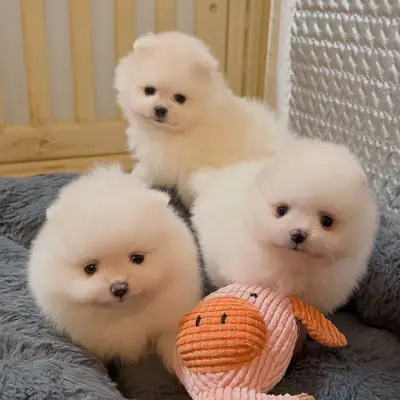
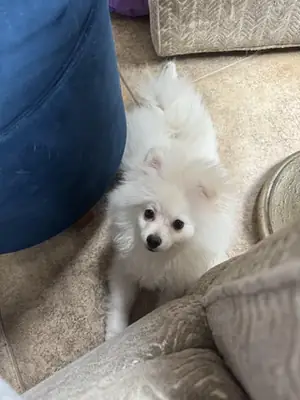
Haven't found the pet you're looking for? Let people who want to find a new home for their pet reach out to you.
Create your free pet adoption request listing now and be seen by thousands of pet owners.
Quick Information
Other listings in your area
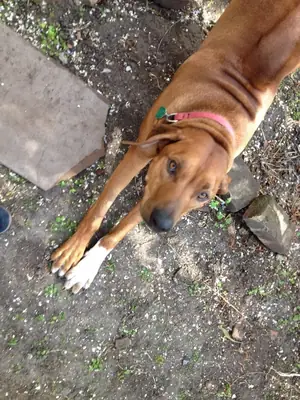
requires a more structured and active environment

Kc Reg Miniature Wire Haired Dachshund Puppy
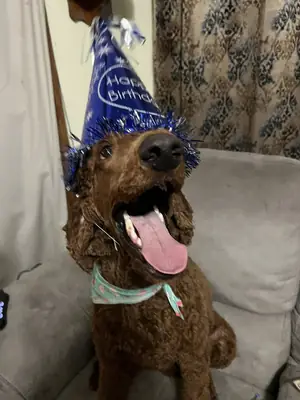
Brown poodle companion that prefers people over toys
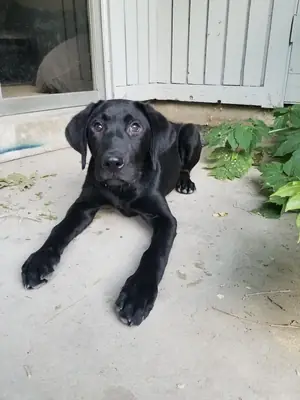
Friendly labrador retriever used to living with people
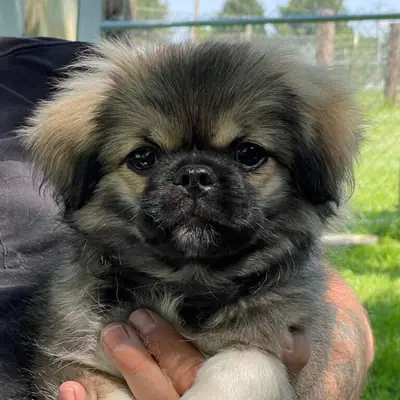
Lovely Tibetan Spaniel for Adoption
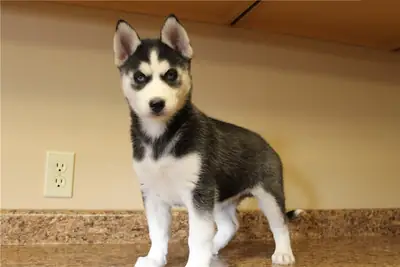
Sweet & Playful Husky Puppies Available
Popular Searches
Free Pomeranian adoption Cambridge
Free Pomeranian adoption in Cambridge should be checked carefully because this breed is small, popular and easy to romanticise. A Pom may look like a soft toy, but it still needs grooming, training, dental care, safe handling and a routine that manages barking.
On Petopic, strong adoption listings should explain age, microchip transfer, neutering, vaccination history, weight, coat condition, barking, toilet habits, children, cats, other dogs and the real reason for rehoming. A free Pomeranian with no detail is not a safe shortcut.
Pomeranian dogs for free adoption in Cambridge
Pomeranian dogs for free adoption in Cambridge can include adult Poms, older puppies, retired breeding dogs, senior companions and small dogs being rehomed because their owner can no longer manage time, housing, cost or barking.
The best listing should tell you whether the dog is confident, nervous, noisy, clingy, house trained, used to grooming and safe around children or other pets. With Pomeranians, the missing details are usually where the problems hide.
Pomeranian rehoming Cambridge
Pomeranian rehoming in Cambridge often happens because of barking, landlord rules, owner illness, moving home, separation anxiety, grooming neglect, toilet accidents or a dog becoming too delicate for a busy household.
Ask why the Pomeranian is being rehomed, how long the current keeper has owned it, whether it has moved homes before and what daily behaviour has been difficult. “No fault of his own” is not enough if the actual routine is missing.
Pomeranian rescue Cambridge
Pomeranian rescue in Cambridge should be approached with practical questions, not only emotion. Some rescue Poms are confident and affectionate; others are frightened, overhandled, barky, poorly groomed or carrying untreated dental and knee problems.
Ask about vet history, teeth, knees, coughing, coat loss, grooming tolerance, barking triggers, toilet routine and whether the dog is comfortable being picked up. Rescue means better care, not blind sympathy.
Pomeranian free to good home Cambridge
Pomeranian free to good home listings in Cambridge get attention quickly, but free does not mean low-cost. Grooming, dental work, vet checks, insurance, harnesses, good food and behaviour support can still cost serious money.
A responsible listing should include microchip transfer, vaccination proof, neutering status, vet notes, behaviour detail and a calm handover plan. If the current keeper only wants the dog collected fast, slow down.
Pomeranian adoption Cambridgeshire
Pomeranian adoption across Cambridgeshire may include Cambridge, Ely, Newmarket, Huntingdon, St Neots, St Ives, Cambourne, Royston, Saffron Walden and Peterborough. A wider local search helps because genuine free Pomeranian rehoming is not always common in one city.
Use local distance properly: meet the dog safely, check paperwork, ask about normal home behaviour and avoid handovers where a tiny dog is passed over with no proper history.
Adult Pomeranian adoption Cambridge
Adult Pomeranian adoption in Cambridge can be smarter than chasing a puppy because size, coat condition, barking level, confidence, toilet routine and handling tolerance are already visible.
Ask whether the adult Pom is house trained, can be left alone, barks at neighbours, accepts grooming, walks calmly and has dental, knee or coughing history. Adult Pomeranians are often the clearest match.
Senior Pomeranian adoption Cambridge
Senior Pomeranian adoption can be a strong choice for someone who wants a smaller companion with a calmer rhythm. Older Poms may still bark, follow people and need grooming, but their personality is usually easier to read.
Ask about teeth, heart notes, coughing, patella history, coat loss, appetite, medication, toilet habits, stairs and whether the dog needs lifting carefully. A senior Pom needs comfort and honest care, not pity adoption.
Pomeranian puppy free adoption Cambridge
Pomeranian puppy free adoption in Cambridge should raise extra questions because Pomeranian puppies are usually in high demand. A free puppy can be genuine, but it can also hide missing paperwork, health worries, fake photos or rushed rehoming.
Ask exact age, microchip status, vaccination plan, worming, flea treatment, current weight, feeding routine, parent background and whether the puppy is old enough, eating well and confident enough to move homes safely.
Private Pomeranian rehoming Cambridge
Private Pomeranian rehoming in Cambridge can be genuine, but the adopter has to uncover the facts. Some owners minimise barking, toileting, separation anxiety, snapping when picked up, grooming neglect or dental costs.
Ask for microchip transfer, vaccination records, vet history, normal behaviour videos, grooming notes and the exact rehoming reason. A responsible keeper should care where the dog goes, not just how quickly it leaves.
Microchipped Pomeranian adoption Cambridge
A microchipped Pomeranian adoption listing should explain how keeper details will be transferred. The chip should match the dog, and the transfer process should be clear before collection.
Ask for the microchip number, database process and proof that the current keeper is allowed to rehome the dog. Tiny dogs can still get lost, stolen or passed on badly when identity details are vague.
Vaccinated Pomeranian rehoming Cambridge
Vaccinated Pomeranian rehoming should state what has been given, what is due next and whether a vet record is available. “Healthy” is not the same as documented care.
Ask about boosters, flea treatment, worming, recent illness, coughing, dental checks, eye problems, skin issues, coat condition, weight and any medication. Good rehoming detail protects both the dog and adopter.
Neutered Pomeranian adoption Cambridge
Neutered Pomeranian adoption in Cambridge can reduce unwanted breeding and some management issues, but it does not automatically fix barking, anxiety, toileting or snapping when handled.
Ask whether the dog is neutered, when it was done, whether recovery was normal and whether marking, calling, weight or behaviour changed afterwards. Behaviour still needs routine and patience.
Pomeranian adoption for flats Cambridge
Pomeranian adoption for flats in Cambridge can work, but barking is the deal-breaker. Small size does not make a dog flat-proof if it reacts to doors, stairs, neighbours, cyclists, street noise or corridor sounds.
Ask whether the Pom barks at windows, doorbells, other dogs, students, bikes or visitors, and whether it settles when left alone. A flat can suit a Pom only when noise and routine are under control.
Pomeranian barking rehoming Cambridge
Pomeranian barking can be a serious rehoming reason. These dogs are alert and may react quickly to footsteps, other dogs, doors, strangers, cars, bikes or being left alone.
Ask what triggers the barking, how long it lasts, whether neighbours complained and whether training or routine has helped. Do not adopt a Pom expecting silent pocket-dog behaviour.
Pomeranian separation anxiety adoption Cambridge
Pomeranian separation anxiety can show as crying, barking, pacing, scratching doors, toileting indoors or becoming frantic when the owner leaves. A small dog can still create a large daily problem.
Ask how long the Pom can be left, whether it sleeps alone, whether crate training was tried and whether another dog helps or worsens the issue. Love alone does not fix panic.
Pomeranian with children Cambridge
A Pomeranian with children can work when the dog is confident and the children are gentle. The biggest risk is rough handling, dropping, grabbing, loud chaos or a Pom snapping because warnings were ignored.
Ask whether the dog has lived with children, what ages, whether it dislikes being picked up, guards toys, hides from noise or nips when crowded. Small does not mean child-proof.
Pomeranian with cats Cambridge
A Pomeranian with cats can work well if both animals are calm and introduced slowly. The cat must not bully the dog, and the Pom must not bark, chase or guard attention constantly.
Ask whether the Pom has lived with cats, whether it chases, hides, barks, becomes jealous or shares space calmly. Small dog adoption still needs managed introductions.
Pomeranian with other dogs Cambridge
A Pomeranian with other dogs needs careful matching because small size can make rough play risky. Some Poms are social and bold; others are nervous, jealous, bossy or reactive on lead.
Ask whether the dog has lived with dogs, whether it barks at larger dogs, guards food or attention, plays safely and whether a calm meet is possible. “Good with dogs” needs context.
Pomeranian for older people Cambridge
A Pomeranian for older people in Cambridge can be a good match when the dog is calm, manageable, not too barky and comfortable with gentle handling. The trap is ignoring grooming, teeth, stairs and vet costs.
Ask whether the Pom pulls, jumps off furniture, needs lifting, snaps when handled, barks heavily or needs frequent grooming and dental checks. A calm adult or senior Pom may fit better than a puppy.
Pomeranian adoption for students Cambridge
Pomeranian adoption for students in Cambridge is usually a weak idea unless housing is stable, landlord permission is clear, daily routine is predictable and the dog will not be left alone through lectures, work and nights out.
Ask whether the Pom copes alone, barks in shared housing, handles visitors and can stay with you long term after study plans change. A free dog is not a temporary lifestyle accessory.
Pomeranian grooming adoption Cambridge
Pomeranian grooming adoption checks should happen before collection because a thick double coat can mat behind the ears, under the legs and around the tail. Neglected coat care can become painful.
Ask how often the dog is brushed, whether mats are present, whether the coat has ever been shaved, whether the dog tolerates grooming and whether skin or coat loss has been checked by a vet.
Matted Pomeranian coat adoption
Matted Pomeranian coat adoption needs honesty because severe matting can pull skin, hide sores and make grooming stressful. Do not assume a fluffy dog is automatically well cared for.
Ask whether the dog has mats, whether a groomer has seen it, whether shaving was needed and whether the dog panics during brushing. A coat problem can be fixable, but the adopter must know before handover.
Pomeranian dental problems adoption
Pomeranian dental problems should be checked before adoption because small dogs can develop tartar, retained teeth, bad breath, gum disease and painful mouths.
Ask when the dog last had a dental check, whether teeth were removed, whether it eats comfortably and whether tooth brushing or dental chews are tolerated. A cute face can hide an expensive mouth.
Pomeranian patella adoption Cambridge
Pomeranian patella history matters because slipping kneecaps can affect walking, jumping, stairs and future vet costs. Small dogs still need sound movement.
Ask whether the Pom skips, hops, limps, avoids stairs, has had vet comments on the knees or takes pain relief. A dog can run around excitedly and still have a knee issue that needs monitoring.
Pomeranian trachea adoption Cambridge
Pomeranian trachea concerns should be asked about before adoption because coughing, honking or gagging can affect walking equipment, excitement, exercise and vet planning.
Ask whether the dog coughs on lead, struggles after excitement, uses a harness, has noisy breathing or has had vet advice about the airway. Do not put neck pressure on a dog with unclear coughing history.
Pomeranian coat loss adoption
Pomeranian coat loss adoption should be handled openly because thinning coat, bald patches or darkened skin can have several causes and may need vet investigation.
Ask when the coat loss started, whether itching is present, whether thyroid or skin checks were done, whether the dog has been shaved and whether medication or supplements are used. Coat loss is not just cosmetic.
Overweight Pomeranian adoption Cambridge
Overweight Pomeranian adoption matters because extra weight can worsen knees, breathing, heat tolerance and general comfort. Small dogs gain weight fast when treats are used as love.
Ask current weight, target weight, food amount, treat habits, exercise, mobility and whether a vet has advised weight loss. Adopting a Pom means caring enough not to overfeed it.
Orange Pomeranian adoption Cambridge
Orange Pomeranian adoption in Cambridge attracts people who want the classic Pom look. Colour is not health history, temperament or grooming proof.
Ask about microchip transfer, vet records, teeth, knees, coat care, barking, toilet routine and whether the dog is confident in a normal home. A beautiful orange coat cannot compensate for a weak listing.
Cream Pomeranian adoption Cambridge
Cream Pomeranian adoption searches are often appearance-led, but the actual decision should stay practical. A pale fluffy coat can hide tear staining, skin issues, mats or poor grooming.
Ask for normal videos, clear vet notes, coat photos, grooming history, microchip details and behaviour around people. Colour can help choose between good matches; it should not hide missing information.
Pomeranian adoption near Ely Newmarket Huntingdon
Pomeranian adoption near Ely, Newmarket, Huntingdon, St Neots, St Ives and Cambourne gives Cambridge adopters more realistic local options without rushing into the first free listing.
Short distance helps you meet properly, check paperwork, watch the dog move, discuss grooming and plan a calm journey home. Nearby is useful only when the dog’s history is clear.
Pomeranian adoption scam Cambridge
Pomeranian adoption scams in Cambridge can use stolen photos, fake urgent rehoming stories, tiny-size claims, delivery-only offers, missing microchip details and pressure for deposits or transport fees.
Ask for current videos, proof of ownership, microchip information, vet history, grooming photos and a safe viewing or collection plan. If the person avoids proof but pushes urgency, walk away.
Frequently Asked Questions
What should I check before adopting a Pomeranian in Cambridge?
Check the dog’s age, microchip transfer, neutering, vaccination history, vet records, current weight, teeth, knees, coughing or trachea concerns, coat condition, grooming routine, barking, toilet habits, separation anxiety, children, cats, other dogs and the reason for rehoming.
A Pomeranian is a small dog, but adoption should still be based on health, behaviour and daily care, not just size or cuteness.
Can I adopt a Pomeranian for free in Cambridge?
You may find free Pomeranian rehoming listings in Cambridge, but free adoption still needs proper checks.
Ask for microchip details, vet records, vaccination history, neutering status, grooming notes, behaviour history and a clear handover plan. Free does not mean low-cost care.
Is a Pomeranian a good adoption dog?
Yes, a Pomeranian can be a loving and lively adoption dog for the right home.
The adopter must be ready for coat care, barking management, gentle handling, dental checks, small-dog safety and a routine that prevents anxiety or boredom.
Are Pomeranians good for first-time dog owners?
A Pomeranian can suit a first-time owner who is prepared for grooming, barking, toilet training, careful handling and regular vet care.
It may not suit someone who wants a silent, low-care dog with no coat work and no training routine.
Can a Pomeranian live in a flat?
A Pomeranian can live in a flat if barking, toilet routine, exercise, grooming and alone-time are managed properly.
Ask whether the dog barks at neighbours, corridor noise, doorbells or windows. Small size does not automatically make a dog flat-proof.
Are Pomeranians good with children?
Pomeranians can live with children if the dog is confident and children are gentle.
Ask whether the dog has lived with children, whether it snaps when picked up, guards toys, hides from noise or gets nervous around rough play.
Can Pomeranians live with cats?
Some Pomeranians live well with cats, especially with slow introductions and calm management.
Ask whether the dog barks, chases, hides, becomes jealous or has lived with cats before. Both animals need safe space during the introduction period.
Can Pomeranians live with other dogs?
Some Pomeranians live well with other dogs, but size and play style matter.
Ask whether the Pom has lived with dogs, whether it barks on lead, guards attention, plays safely or becomes nervous around larger dogs.
Do Pomeranians bark a lot?
Some Pomeranians bark a lot because they are alert, vocal and quick to react.
Ask what the dog barks at, how long it lasts, whether neighbours have complained and whether training has helped.
Can Pomeranians be left alone?
Some Pomeranians can be left for short periods if trained gradually and given a stable routine.
Others cry, bark, scratch doors or toilet indoors when anxious. Ask how long the dog can be left and what happens during that time.
Do Pomeranians need a lot of grooming?
Yes, Pomeranians need regular coat care because their double coat can mat, shed and trap dirt.
Ask how often the dog is brushed, whether mats form, whether the coat has ever been shaved and whether the dog tolerates grooming around ears, legs and tail.
Do Pomeranians shed?
Yes, Pomeranians can shed, especially because they have a thick double coat.
Ask about brushing routine, seasonal shedding, coat condition, skin health and whether grooming costs fit your budget.
What health problems should I ask about in a Pomeranian?
Ask about patella problems, trachea or coughing concerns, dental health, eyes, coat loss, skin, weight, appetite, previous illness and medication.
A Pomeranian does not need a perfect health record to be adoptable, but the health history should be clear and honest.
What is patella luxation in Pomeranians?
Patella luxation means the kneecap slips out of place, which can cause skipping, hopping, limping or discomfort.
Ask whether the dog has knee history, whether a vet has commented on movement and whether stairs or jumping cause problems.
What should I ask about Pomeranian coughing or trachea issues?
Ask whether the dog coughs, gags, honks, struggles after excitement or reacts badly to pressure on the neck.
A harness may be safer than neck pressure for some small dogs, but any breathing or coughing concern should be discussed with a vet.
Should an adopted Pomeranian be microchipped?
Yes, the dog should be microchipped and keeper details should be transferred correctly after adoption.
Ask for the chip number, database process and proof that the dog matches the listing before completing the handover.
Should vaccination status be clear before adoption?
Yes, vaccination status should be clear before adopting a Pomeranian.
Ask what has been given, what is due next, whether a vet record is available and whether flea and worm treatment are up to date.
Should a Pomeranian be neutered before rehoming?
Some adult Pomeranians are neutered before rehoming, but not all.
Ask whether the dog is neutered, when it was done, whether recovery was normal and whether a vet has advised neutering if the dog is still entire.
How do I avoid Pomeranian adoption scams?
Watch for stolen photos, urgent rehoming stories, delivery-only offers, missing microchip details, no vet records and pressure for deposits or transport fees.
Ask for current videos, proof of ownership, microchip information, vet history, grooming photos and a safe viewing or collection plan.
What should I prepare before bringing a Pomeranian home?
Prepare a small harness, lead, ID tag, bed, bowls, familiar food, grooming brush or comb, safe toys, a travel carrier, vet registration, insurance if possible and a calm sleeping area.
Keep the first week predictable. Do not overwhelm the dog with rough handling, too many visitors, long walks or constant carrying immediately after arrival.