Canterbury Rhodesian Ridgeback Adoption Listings
There's 1 Rhodesian Ridgeback listing live right now, last updated 16 Dec 2025. Find Rhodesian Ridge... There's 1 Rhodesian Ridgeback listing live right now, last updated 16 Dec 2025. Find Rhodesian Ridgebacks for adoption in Canterbury and nearby Kent areas with clear, practical details before you cont... There's 1 Rhodesian Ridgeback listing live right now, last updated 16 Dec 2025. Find Rhodesian Ridgebacks for adoption in Canterbury and nearby Kent areas with clear, practical details before you contact. The Rhodesian Ridgeback is a large, athletic and independent hound with a strong family bond, natural watchfulness and serious exercise needs, so it is not a casual first-time dog or a simple flat-friendly choice. On Petopic, you can review Rhodesian Ridgeback adoption listings around Canterbury, Whitstable, Herne Bay, Ashford, Faversham, Dover, Sittingbourne and wider Kent by checking age, temperament, health, microchip status, recall, prey drive, lead manners, experience with children, cats, other dogs, secure gardens and the type of home the dog genuinely needs.
Haven't found the pet you're looking for? Let people who want to find a new home for their pet reach out to you.
Create your free pet adoption request listing now and be seen by thousands of pet owners.
Other listings in your area

Beautiful Husky Puppies – Active & Affectionate
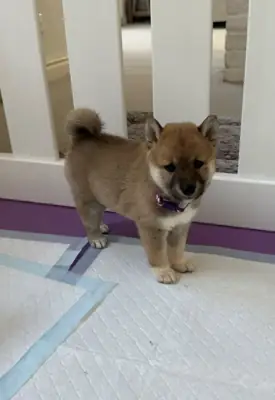
Gift male and female Shiba Inu puppies

Sweet Chocolate Brown Poodle Girl - Free Adoption to the Right Family

Miniature X Toy Poodle Boy Only Pra Clear

Athletic Rhodesian Ridgeback
Popular Searches
Rhodesian Ridgebacks for adoption in Canterbury
Adopting a Rhodesian Ridgeback in Canterbury is not about choosing a big impressive dog with a striking ridge along its back. This is a powerful, athletic and independent hound that needs confident handling, steady training, daily exercise and a home that understands watchful behaviour. A useful adoption listing should explain the dog’s age, health, temperament, microchip status, lead manners, recall, prey drive and reason for rehoming.
Canterbury homes range from city streets and student-heavy areas to villages, coastal routes and countryside edges across Kent. That matters for a Ridgeback. A dog with strong chase interest, poor recall or weak boundary training may be a poor fit for a small unsecured garden or a busy household. The right advert helps you judge the dog’s real lifestyle needs before you fall for the photo.
Adopt a Rhodesian Ridgeback in Canterbury
People searching to adopt a Rhodesian Ridgeback in Canterbury often want a loyal, protective and elegant companion. That interest is understandable, but this breed needs more than admiration. Ridgebacks are usually deeply bonded to their people, often reserved with strangers and strong enough to become difficult if the adopter lacks structure, patience and control.
Before contacting about an advert, check whether the dog has lived indoors, with children, with cats, with other dogs or around livestock. Ask how it behaves with visitors, delivery drivers, open fields, cyclists, joggers and wildlife. A vague “lovely family dog” description is not enough for a breed this large and self-assured.
Rhodesian Ridgeback rescue near Canterbury
Rhodesian Ridgeback rescue near Canterbury is a strong search for people who want to give a large hound a second chance. That can be a brilliant route, but only if the dog is assessed properly. Rescue notes should cover confidence, stranger reaction, dog tolerance, prey drive, lead strength, home behaviour, separation tolerance and any known health concerns.
If there are few listings directly in Canterbury, it can make sense to check Whitstable, Herne Bay, Faversham, Ashford, Dover, Sittingbourne, Maidstone and wider Kent. Distance helps with meeting the dog, but it should never replace good information. A nearby Ridgeback with a weak profile is riskier than a well-described dog a little further away.
Rhodesian Ridgeback rehoming in Kent
Rhodesian Ridgeback rehoming in Kent should be handled with more care than a quick handover. This breed can be loyal and affectionate, but it can also be strong-willed, protective and slow to trust unfamiliar people. A serious rehoming advert must explain why the dog needs a new home and what type of household will be realistic next.
Useful details include boundary behaviour, visitors, recall, livestock exposure, chase drive, food guarding, lead pulling, car travel, vet handling and whether the dog has lived in a busy home or a quieter rural setting. Honest information is not negative. It is what stops the dog being moved again after a bad match.
Rhodesian Ridgeback puppy for adoption Canterbury
A Rhodesian Ridgeback puppy for adoption in Canterbury can look easier to shape than an adult, but that is only half true. A puppy will grow into a large, powerful hound with independence, speed and confidence. Early socialisation, calm lead work, recall foundations, visitor manners, crate or rest training and careful introductions to animals are not optional.
A good puppy listing should include age, vaccination status, microchip details, feeding routine, vet checks, parent information if known and early behaviour notes. The worst mistake is choosing the puppy because it is cute and ignoring the adult dog it will become. A Ridgeback puppy needs an adopter with a plan, not just enthusiasm.
Adult Rhodesian Ridgeback for adoption in Kent
An adult Rhodesian Ridgeback for adoption in Kent can be a smarter option for many experienced homes. With an adult, you can usually see the real temperament: how it behaves with strangers, whether it guards the home, how strong it is on lead, whether it chases wildlife and whether it settles indoors after exercise.
A strong adult listing should explain previous routine, health history, neuter status if known, microchip status, weight, recall, dog tolerance, children, cats and any guarding or anxiety concerns. Adult does not mean difficult by default. Poorly described means difficult to judge.
Rhodesian Ridgeback for experienced owners
Rhodesian Ridgebacks are best approached by people who understand large, independent dogs. This is not about being harsh. It is about being consistent, calm, clear and realistic. A Ridgeback that lacks boundaries can become too strong on walks, too suspicious of visitors or too self-directed around wildlife and other dogs.
A good adoption advert should be direct if the dog needs an experienced home. That is not an insult to the dog; it is honest matching. The wrong adopter will see loyalty and strength as attractive. The right adopter will understand the daily management behind those traits.
Rhodesian Ridgeback for family adoption Canterbury
A Rhodesian Ridgeback can be devoted to its family, but that does not automatically make every individual suitable for every family home. Size, strength, confidence, visitor reaction, food manners and excitement levels all matter, especially around younger children.
A proper advert should say whether the dog has lived with children, what ages, how it reacts to running, shouting, toys, food, visitors and rough play. “Good with children” is too vague for a dog of this size. The listing should show what has actually been observed in a real household.
Rhodesian Ridgeback with cats or other dogs
Rhodesian Ridgebacks may live well with other animals in the right circumstances, but compatibility must never be guessed. Their hound background, speed and prey interest mean cats, small pets, livestock and unfamiliar dogs need proper assessment.
The advert should explain whether the dog has lived with cats, dogs, poultry, horses, sheep or small animals, plus any chasing, guarding, reactivity or rough play. For Kent homes with existing pets or countryside access, this information is essential. Guessing is lazy and dangerous.
Rhodesian Ridgeback for homes with a secure garden
A secure garden is a major advantage for a Rhodesian Ridgeback, but it does not replace walks, training or supervision. This breed can patrol, watch boundaries, react to movement and make independent decisions if the environment is poorly managed. A big garden with weak fencing is not a good setup.
A listing should mention fencing, gate manners, escape attempts, boundary behaviour and whether the dog reacts to people or animals passing outside. For a Ridgeback, secure space is not a luxury detail. It is part of responsible ownership.
Rhodesian Ridgeback for active homes in Canterbury
A Rhodesian Ridgeback can suit active homes around Canterbury, especially people who enjoy structured walks, countryside routes, training and outdoor time. But activity alone is not enough. A Ridgeback also needs impulse control, calm rest, recall work, visitor management and a clear household routine.
The advert should explain how much exercise the dog currently gets, whether it settles indoors, how it behaves around wildlife, cyclists, joggers, livestock and off-lead spaces. The best adopter is not just fit. The best adopter is consistent, observant and prepared for a powerful hound with its own opinions.
Rhodesian Ridgeback in Canterbury countryside homes
Canterbury and the wider Kent area include many semi-rural and countryside homes that may seem ideal for a Rhodesian Ridgeback. Space can help, but countryside also means livestock, wildlife, open gates, public footpaths and more chances for chasing. That makes training and management more important, not less.
A good listing should say whether the dog has been around horses, sheep, poultry, farm tracks, walkers, cyclists and off-lead fields. A Ridgeback in the countryside needs controlled freedom, not random freedom. Without recall and secure boundaries, the setting can become a problem fast.
Rhodesian Ridgeback health checks adoption
Health information matters in every adoption, but it is especially important with a large breed like the Rhodesian Ridgeback. Ask about hips, elbows, skin, previous surgery, allergies, weight, digestion, bloat awareness, lumps, mobility and any known history of dermoid sinus. A good listing should not hide health issues behind flattering photos.
You are not trying to diagnose the dog from an advert. You are checking whether the known facts are being shared honestly. Adopting a dog with a health history can be fine for the right home, but adopting without knowing the history is a weak decision.
Rhodesian Ridgeback near Whitstable, Ashford and Dover
Searching for a Rhodesian Ridgeback near Whitstable, Herne Bay, Ashford, Faversham, Dover, Sittingbourne or Canterbury can make it easier to meet the dog and ask serious questions in person. Local adoption has an advantage because you can observe handling, movement, confidence and reaction to people before deciding.
Location still does not fix a poor advert. A proper listing should cover age, health, microchip status, temperament, lead strength, recall, children, other animals, garden security and reason for rehoming. A close dog with missing detail is not automatically a good match. Clear information matters more than postcode convenience.
Frequently Asked Questions
What should I check before adopting a Rhodesian Ridgeback in Canterbury?
Before adopting a Rhodesian Ridgeback in Canterbury, check the dog’s age, size, health, microchip status, vaccination history, temperament, recall, lead strength, prey drive, guarding behaviour and reason for rehoming. You should also ask whether the dog has lived with children, cats, other dogs or around livestock.
This is a large, athletic hound with independence and natural watchfulness. A reliable listing should help you understand whether your home, fencing, experience, routine and walking plans are suitable before you arrange a meeting.
Is a Rhodesian Ridgeback suitable for a first-time dog owner?
A Rhodesian Ridgeback is usually not the easiest choice for a first-time dog owner. Some first-time adopters may manage with strong support and the right individual dog, but the breed’s size, confidence, independence and strength make experience very valuable.
A new owner must be ready for consistent training, socialisation, controlled exercise, visitor management and safe handling on walks. If a listing says the dog needs an experienced home, take that seriously.
Can a Rhodesian Ridgeback live in a flat?
A Rhodesian Ridgeback is generally a difficult fit for a typical flat. Some calm individuals may cope if they receive excellent exercise, routine and training, but many Ridgebacks do better with more space, secure outdoor access and a quieter environment.
Before considering a flat, ask whether the dog has lived in one before, whether it barks at hallway noise, how it handles stairs or lifts, how long it can be left and whether it settles well indoors. The answer depends on the individual dog, not just the breed name.
Does a Rhodesian Ridgeback need a secure garden?
A secure garden is strongly recommended for many Rhodesian Ridgebacks. This breed can be powerful, fast and alert to movement, so weak fencing, open gates or easy boundary access can create serious problems.
A garden alone is not enough. The dog still needs walks, training, recall work and supervision. The listing should explain boundary behaviour, gate manners, escape attempts and reaction to people or animals passing nearby.
Are Rhodesian Ridgebacks good with children?
Some Rhodesian Ridgebacks can be excellent with children, but it depends on the individual dog’s history, temperament and the children’s behaviour. Their size and strength mean supervision and clear boundaries are important.
Ask whether the dog has lived with children, what ages, how it reacts to noise, running, visitors, toys and food. A vague “good with children” line is not enough for a responsible adoption decision.
Can Rhodesian Ridgebacks live with cats or other dogs?
Some Rhodesian Ridgebacks can live with cats or other dogs, but this should be judged by the individual dog’s history. Their speed, strength and prey interest mean cats, small animals and unfamiliar dogs should be introduced carefully.
A useful listing should explain previous exposure to cats, dogs, livestock or small pets, plus any chasing, guarding or reactivity. Introductions should be slow, controlled and based on the dog’s actual behaviour.
How much exercise does a Rhodesian Ridgeback need?
A Rhodesian Ridgeback needs regular exercise and mental structure. Walks, controlled running, training, sniffing opportunities, recall work and calm rest all matter. Simply leaving the dog in a garden is not a proper exercise plan.
The right amount depends on age, health and temperament. A young, fit Ridgeback may need much more structure than an older dog. A good listing should describe the dog’s current routine rather than leaving you to guess.
What health questions should I ask about a Rhodesian Ridgeback?
Ask about hips, elbows, skin, previous surgery, dermoid sinus history, allergies, weight, mobility, digestion, bloat awareness and recent vet checks. Large breeds need clear health information before adoption.
You are not diagnosing the dog from an advert. You are checking whether known issues are being described honestly. A good listing should not hide pain, lameness, skin problems, previous operations or ongoing treatment.
What documents should I check when adopting a dog in England?
When adopting a dog in England, check the microchip details, keeper transfer process, vaccination information, vet history and any adoption or rehoming agreement. The dog’s microchip details should be kept up to date with the correct keeper information.
If the advert is unclear about identification or paperwork, slow down and ask for clarity before committing. A responsible adoption should not rely on rushed handover or missing information.
How should I evaluate Rhodesian Ridgeback listings on Petopic?
On Petopic, start with Rhodesian Ridgeback listings that give clear information about location, age, health, microchip status, temperament, exercise needs, recall, prey drive, lead manners, reason for rehoming, children, cats, dogs and home suitability.
The best listing is not the one with the most impressive photo. It is the one that describes a real Rhodesian Ridgeback clearly enough for you to judge whether the match is safe, realistic and fair to the dog.