Free Adoption of British Shorthair Cats in Derby
There are 2 British Shorthair listings live right now, last updated 20 Apr 2026. Find free British S... There are 2 British Shorthair listings live right now, last updated 20 Apr 2026. Find free British Shorthair cat adoption in Derby with clear details on age, microchip transfer, vaccination status, ne... There are 2 British Shorthair listings live right now, last updated 20 Apr 2026. Find free British Shorthair cat adoption in Derby with clear details on age, microchip transfer, vaccination status, neutering, temperament, weight, health history and indoor home suitability. Compare British Shorthair kittens, adult cats and rescue listings across Derby and Derbyshire before choosing a calm, sturdy cat that needs honest care, gentle handling and long-term health awareness.
Haven't found the pet you're looking for? Let people who want to find a new home for their pet reach out to you.
Create your free pet adoption request listing now and be seen by thousands of pet owners.
Other listings in your area
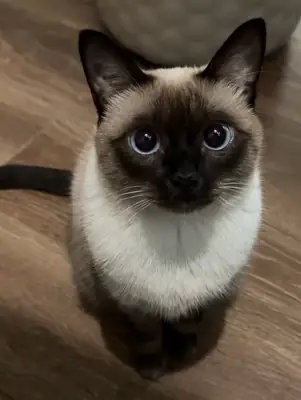
Adopt a Birman Cat | Loving & Social
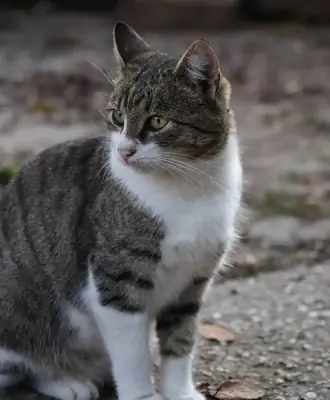
Brazilian Shorthair Adoption | Easygoing House Cat
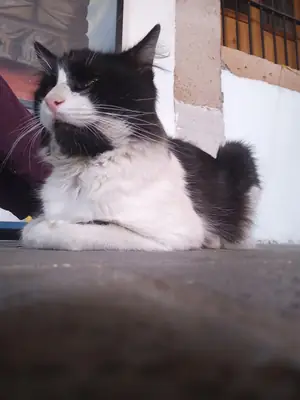
munchkin cat rehome
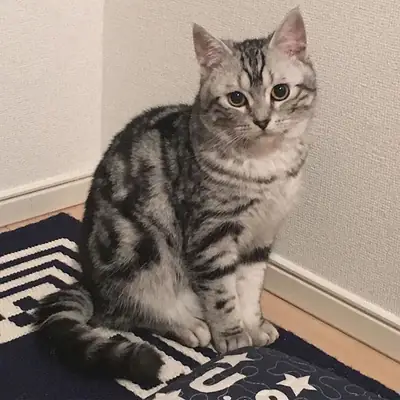
Asian Cat Adoption | Elegant and Loving Bree
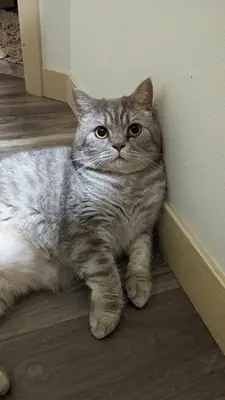
british shorthair, easy cat
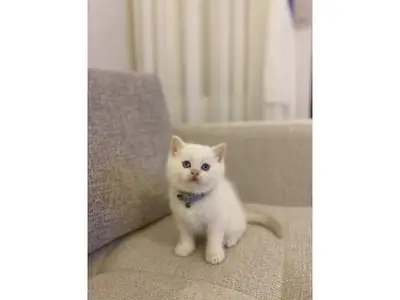
Quiet British Shorthair cat searching for a peaceful home
Popular Searches
Free British Shorthair cat adoption Derby
Free British Shorthair cat adoption in Derby should be judged by health history, temperament and home fit, not only by round cheeks, dense coat or the promise of a no-fee handover. A strong listing should state the cat’s age, microchip transfer, vaccination status, neutering, vet records, weight, litter habits, diet and the real reason the cat is being rehomed.
British Shorthairs are often calm, solid cats, but that does not mean every home is suitable. Ask whether the cat enjoys being handled, dislikes being picked up, gains weight easily, tolerates other pets, lives indoors, scratches furniture or has any heart, kidney, dental or mobility concerns.
British Shorthair rescue Derby
British Shorthair rescue in Derby attracts adopters who want a steady, affectionate cat without buying from a breeder. The right rescue listing should explain whether the cat is shy, confident, independent, lap-loving, food-driven, nervous with visitors or happiest in a quiet home.
Do not accept “lovely British Shorthair needs home” as enough detail. Ask about HCM, PKD, weight, grooming, litter tray use, scratching, previous homes and whether the cat has lived with children, dogs or other cats.
British Shorthair rehoming Derby
British Shorthair rehoming in Derby needs a clear reason for the move. Owner illness, relocation, allergy, cost, another pet conflict, litter issues, weight problems or hidden health concerns all create different adoption risks.
Ask how long the owner has had the cat, whether vet records are available, whether the cat is insured, whether it has changed homes before and how it behaves in a normal week. A free adoption can still be expensive if the history is vague.
Adopt a British Shorthair Derby
To adopt a British Shorthair in Derby, focus on the cat’s routine and comfort. This breed often suits calm homes, but many British Shorthairs prefer keeping all four paws on the ground rather than being carried around.
Ask whether the cat enjoys attention, accepts brushing, uses the litter tray reliably, hides from noise, likes quiet companionship or becomes stressed by being lifted. The best adoption match is based on behaviour, not breed reputation.
British Shorthair cats for adoption near me
British Shorthair cats for adoption near me searches around Derby often include Ilkeston, Long Eaton, Burton upon Trent, Swadlincote, Belper, Ripley, Alfreton, Ashbourne, Nottingham and wider Derbyshire.
Local distance helps because you can meet safely, check microchip details, watch the cat move and ask for vet records before handover. A nearby British Shorthair with no health or behaviour detail is still a weak adoption option.
British Shorthair adoption Derbyshire
British Shorthair adoption across Derbyshire gives adopters a wider search area while keeping viewing and collection realistic. This matters because genuine free British Shorthair adoption listings may not appear in central Derby every day.
Compare each cat by microchip transfer, vaccination status, neutering, weight, temperament, vet records, HCM or PKD history and indoor routine. Do not choose the first available cat if the listing avoids the serious details.
British Blue cat adoption Derby
British Blue cat adoption in Derby usually means people are searching for the classic blue-grey British Shorthair look. The colour is popular, but it should never outrank health, temperament or owner honesty.
Ask whether the cat is truly British Shorthair, whether vet records exist, whether the microchip details are ready to transfer and whether the cat has any heart, kidney, dental, weight or mobility history. Blue coat appeal does not replace proof.
Free British Blue cat Derby
Free British Blue cat listings in Derby can move quickly because the colour is so recognisable. That urgency is exactly why the adopter needs to slow down.
Ask why the cat is free, whether it is neutered, microchipped, vaccinated, litter trained and vet checked. A free British Blue with missing records, unclear ownership or rushed collection is not a bargain; it is a risk.
British Shorthair kitten adoption Derby
British Shorthair kitten adoption in Derby needs long-term thinking. A kitten may look round, quiet and easy, but future size, weight control, health monitoring and socialisation still matter.
Ask the kitten’s age, microchip status, vaccination plan, flea and worm treatment, parent background, litter habits, food routine and whether any HCM or PKD testing information is known. A cute kitten with weak detail is not enough.
Free British Shorthair kittens Derby
Free British Shorthair kittens in Derby should trigger careful checks. Genuine rehoming can happen, but free pedigree-style kitten listings are also where vague ownership, missing vet care and emotional pressure can appear.
Ask the kitten’s exact age, whether it is eating independently, whether it is microchipped where age-appropriate, whether vaccination has started and why the kitten is being rehomed for free. Do not pay a hidden “reservation” before proof exists.
Adult British Shorthair adoption Derby
Adult British Shorthair adoption in Derby can be a smart choice because the cat’s real size, weight, temperament and home habits are already visible. You can ask whether the cat is calm, shy, independent, cuddly, food-obsessed or easily stressed.
Check neutering, microchip, vaccination status, litter habits, scratching, grooming, diet, current weight and why the cat is being rehomed. Adult British Shorthairs can be excellent matches when the history is honest.
Senior British Shorthair adoption Derby
Senior British Shorthair adoption in Derby can suit a quiet home, but the adopter must be realistic about weight, teeth, kidneys, heart checks, mobility and medication. Older British Shorthairs may be calm, but calm should not be confused with pain-free.
Ask about appetite, drinking, litter tray use, arthritis, dental work, blood tests, heart checks, medication and whether the cat still jumps comfortably. A senior cat deserves comfort and routine, not a home ignoring vet needs.
British Shorthair indoor cat adoption Derby
British Shorthair indoor cat adoption in Derby can suit many homes because this breed is often calm and steady indoors. Indoor living still needs enrichment, scratching posts, play, clean litter trays and weight control.
Ask whether the cat has always lived indoors, whether it tries to escape, whether it becomes bored and whether it gains weight easily. Indoor should mean safe and enriched, not inactive and overfed.
British Shorthair for flat living Derby
A British Shorthair can live in a flat in Derby if the home is calm, secure and set up with enough play, scratching and resting space. The breed may be less frantic than some cats, but it still needs daily stimulation.
Ask whether the cat reacts to corridor noise, uses litter reliably, scratches furniture, tries to escape or becomes restless when alone. A flat can work when the routine is right.
British Shorthair with children Derby
A British Shorthair with children can be a good match when the cat is confident and the children are calm. Many British Shorthairs prefer respectful attention over rough handling or constant lifting.
Ask whether the cat has lived with children, what ages, whether it hides from noise, whether it scratches when picked up and whether it needs a quiet room. Family-friendly should mean proven behaviour, not a lazy label.
British Shorthair with dogs Derby
A British Shorthair with dogs may settle well if the dog is calm and introductions are controlled. A confident cat that has lived with polite dogs is different from a cat that has never shared space with one.
Ask whether the cat hides, freezes, swats, approaches calmly or needs dog-free areas. A good match depends on the actual dog and cat, not just the breed’s reputation for being tolerant.
British Shorthair with other cats Derby
A British Shorthair with other cats needs careful checking because some British Shorthairs prefer being the only cat unless they have grown up with feline company. Calm does not always mean social with other cats.
Ask whether the cat has lived with cats, whether it shares food or litter spaces, whether it hides from dominant cats and whether slow introductions are needed. A peaceful multi-cat home is built gradually.
British Shorthair weight problem adoption
British Shorthair weight problems should be discussed before adoption because this breed can be sturdy, calm and prone to inactivity. A solid build should not be used to excuse obesity.
Ask the cat’s current weight, body condition, food amount, treat habits, play routine and whether a vet has advised weight loss. A healthy British Shorthair should feel substantial, not overloaded.
British Shorthair HCM adoption Derby
British Shorthair HCM adoption searches come from people checking heart health before taking a cat home. Hypertrophic cardiomyopathy can affect British Shorthairs, so heart history should not be skipped.
Ask whether a vet has heard a murmur, whether scans were ever done, whether the cat has fainted, tired quickly, breathed unusually or needed heart medication. A serious rehoming listing should answer heart questions clearly.
British Shorthair PKD adoption Derby
British Shorthair PKD adoption checks matter because polycystic kidney disease is a recognised breed concern. Kidney history can affect long-term care, insurance and vet planning.
Ask whether parent testing is known, whether the cat drinks excessively, loses weight, vomits, has appetite changes or has had abnormal blood or urine tests. Kidney questions are not overthinking; they are responsible adoption.
British Shorthair dental care adoption
British Shorthair dental care should be checked before adoption because dental pain can change appetite, mood and grooming. Bad breath, drooling, chewing on one side or avoiding dry food should not be ignored.
Ask whether the cat has had dental treatment, tooth extractions, gum disease, recent vet checks or difficulty eating. A calm cat may still be hiding mouth pain.
British Shorthair grooming adoption Derby
British Shorthair grooming adoption checks are simple but still important. The coat is short, dense and plush, so loose hair can build up during moulting even if the cat does not need the same care as a long-haired breed.
Ask whether the cat accepts brushing, whether it sheds heavily, whether it grooms itself properly and whether weight or stiffness makes grooming difficult. Coat condition often reveals more than the photos show.
Microchipped British Shorthair adoption Derby
Microchipped British Shorthair adoption in Derby should include clear transfer details. The chip should match the cat, and keeper information should be updated correctly after adoption.
This matters even for indoor cats because a newly adopted cat can panic, slip through a door or get lost before it understands the new home. Identity details should be correct from day one.
Vaccinated British Shorthair rehoming Derby
Vaccinated British Shorthair rehoming in Derby should include what has been given, what is due next and whether a vet record is available. “Healthy” is too vague for a cat changing homes.
Ask about boosters, flea and worm treatment, dental care, weight, heart history, kidney history, medication and recent illness. A proper health picture protects both the cat and adopter.
Neutered British Shorthair adoption Derby
Neutered British Shorthair adoption in Derby can make home management clearer, especially with adult cats. Neutering does not solve weight, stress, litter tray issues or poor socialisation, but it is still an important ownership detail.
Ask whether the cat is neutered, when it was done, whether recovery was normal and whether weight or behaviour changed afterwards. If not neutered, ask what a vet has advised.
British Shorthair adoption fee Derby
British Shorthair adoption fee Derby searches usually compare free rehoming, private adoption and rescue-style processes. Free does not automatically mean cheaper if vet checks, insurance, dental care, weight management or medication are needed.
A no-fee British Shorthair with missing records, unclear microchip transfer and no health history can cost more than expected. Judge the adoption by evidence, not by the absence of a fee.
British Shorthair adoption scam Derby
British Shorthair adoption scams in Derby can use stolen photos, fake rescue stories, delivery-only offers, urgent deposits, missing microchip details and vague health claims. Popular pedigree-looking cats attract fast emotion, and dishonest listings exploit that.
Ask for current videos, proof of ownership, microchip details, vet records, a clear reason for rehoming and a safe viewing or collection plan. If the person avoids proof but pushes speed, walk away.
Frequently Asked Questions
What should I check before adopting a free British Shorthair cat in Derby?
Check the cat’s age, microchip, vaccination status, neutering, vet records, weight, diet, litter habits, temperament and reason for rehoming.
For a British Shorthair, also ask about HCM, PKD, dental care, weight gain, grooming, mobility and whether the cat has lived with children, dogs or other cats.
Is a British Shorthair a good adoption cat?
A British Shorthair can be a good adoption cat for a calm home that wants a steady, affectionate companion without forcing constant handling.
The adopter still needs to manage weight, vet checks, litter routine, enrichment and the cat’s preference for space and gentle interaction.
Are British Shorthair cats good for first-time owners?
British Shorthair cats can suit first-time owners because many are calm and not overly demanding.
First-time adopters should still be ready for weight control, regular vet care, play, grooming during shedding and careful introductions to children or other pets.
Are British Shorthair cats indoor cats?
Many British Shorthair cats can live indoors if the home is safe, enriched and managed for healthy weight.
Provide scratching posts, play, clean litter trays, climbing options, secure windows and a feeding routine that prevents boredom eating.
Can a British Shorthair live in a flat?
A British Shorthair can live in a flat if the environment is calm, secure and enriched.
Ask whether the cat reacts to corridor noise, uses litter reliably, scratches furniture, tries to escape or needs more play than expected.
Are British Shorthair cats good with children?
Some British Shorthairs are good with children, especially calm children who respect the cat’s space.
Ask whether the cat has lived with children, whether it dislikes being picked up and whether it hides from noise or rough handling.
Can British Shorthair cats live with dogs?
A British Shorthair may live with dogs if the dog is calm and introductions are slow.
Ask whether the cat has lived with dogs before, whether it hides, freezes, swats or approaches calmly, and whether dog-free rooms are available.
Can British Shorthair cats live with other cats?
Some British Shorthairs live well with other cats, but others prefer being the only cat unless they grew up with feline company.
Ask whether the cat has lived with cats, whether it guards food or hides from dominant cats and whether slow introductions are needed.
Do British Shorthair cats like being picked up?
Many British Shorthairs prefer affection on their own terms and may not enjoy being carried around.
Ask whether the cat accepts lifting, lap time, brushing and handling before adopting, especially if the home has children.
Do British Shorthair cats gain weight easily?
British Shorthairs can gain weight if food, treats and activity are not managed carefully.
Ask about current weight, body condition, feeding routine, treat habits and whether a vet has advised weight control.
What health problems should I ask about in a British Shorthair?
Ask about hypertrophic cardiomyopathy, polycystic kidney disease, obesity, dental disease, arthritis, medication and recent vet visits.
A British Shorthair does not need a perfect health history to be adoptable, but the history must be honest enough for proper care planning.
What is HCM in British Shorthair cats?
HCM means hypertrophic cardiomyopathy, a heart condition that can affect cats, including British Shorthairs.
Ask whether a vet has heard a murmur, whether scans were done, whether the cat has fainted, tired easily or needed heart medication.
What is PKD in British Shorthair cats?
PKD means polycystic kidney disease, a condition where kidney cysts can affect long-term kidney function.
Ask whether parent testing is known, whether the cat drinks excessively, loses weight, vomits or has had abnormal blood or urine tests.
Do British Shorthair cats need much grooming?
British Shorthairs have short but dense coats, so they usually need light regular brushing and extra help during shedding periods.
Ask whether the cat accepts brushing and whether weight, stiffness or age affects its ability to groom itself.
Should a British Shorthair be microchipped before adoption?
Yes, the cat should be microchipped where required, and keeper details should be transferred correctly after adoption.
Ask for the microchip number, database process and proof that the cat matches the listing.
Should a British Shorthair be vaccinated before rehoming?
Vaccination status should be clear before rehoming. Ask what has been given, what is due next and whether a vet record is available.
Also ask about flea treatment, worming, dental care, weight, heart history, kidney history and any current medication.
Should a British Shorthair be neutered before adoption?
Neutering can make home life clearer and helps avoid unwanted breeding.
Ask whether the cat is neutered, when it was done, whether recovery was normal and whether a vet has advised anything further.
Is an adult British Shorthair better than a kitten?
An adult British Shorthair can be easier to assess because weight, temperament, litter habits, grooming tolerance and home routine are already visible.
A kitten gives more time to shape habits, but future size, weight control and health history may be less clear.
How do I avoid British Shorthair adoption scams in Derby?
Watch for stolen photos, fake rescue stories, delivery-only offers, urgent deposits, missing microchip details, no vet records and vague rehoming claims.
Ask for current videos, proof of ownership, microchip details, vet history, a safe viewing or collection plan and a clear reason for rehoming.
What should I prepare before bringing a British Shorthair home?
Prepare a sturdy carrier, clean litter trays, familiar food, bowls, scratching posts, brush, toys, quiet resting areas, secure windows and vet registration.
Keep the first week calm and predictable while the cat learns the new home, feeding routine, litter area and safe hiding places.