Edinburgh British Shorthair Cat Adoption
There are 5 British Shorthair listings live right now, last updated 6 days ago. Find British Shortha... There are 5 British Shorthair listings live right now, last updated 6 days ago. Find British Shorthair cat adoption listings in Edinburgh and compare calm, sturdy, affectionate but independent cats lo... There are 5 British Shorthair listings live right now, last updated 6 days ago. Find British Shorthair cat adoption listings in Edinburgh and compare calm, sturdy, affectionate but independent cats looking for safe, well-prepared homes across the city and wider Lothian area. On Petopic, you can review British Shorthair and British Blue adoption profiles by age, health history, microchip details, neutering, vaccination record, weight condition, HCM or PKD notes, grooming needs, indoor suitability, child compatibility, behaviour with other cats or dogs, litter habits, previous home routine and adoption conditions before choosing a cat that genuinely fits your home, budget and daily lifestyle.
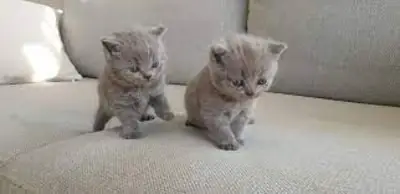
Affectionate male and female British short-haired kitten for adoption
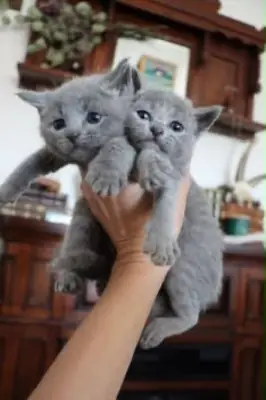
Stunning British Shorthair
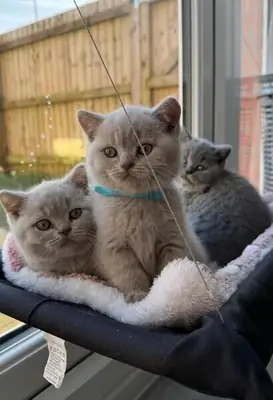
Pure British Shorthair Kittens for Sale
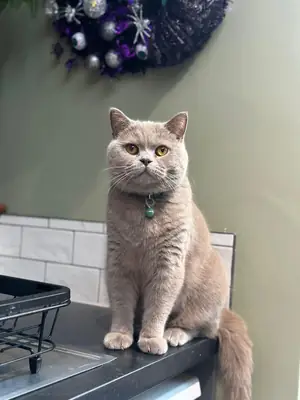
Calm British Shorthair cat that quietly became part of our everyday life

My friend adopted a new cat, and I want to adopt one too.
Haven't found the pet you're looking for? Let people who want to find a new home for their pet reach out to you.
Create your free pet adoption request listing now and be seen by thousands of pet owners.
Other listings in your area
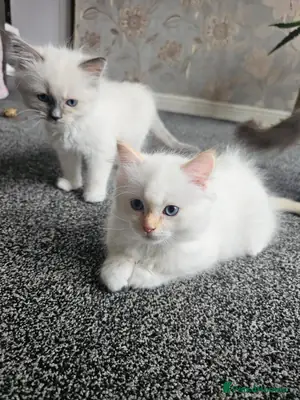
Ragdoll Kittens For Adoption
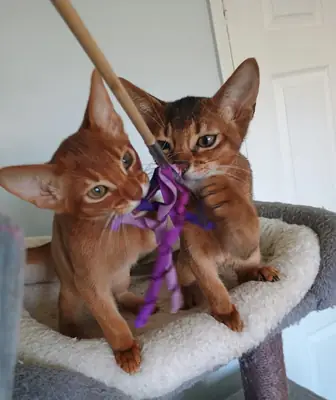
Pegasus and Phoenix are two stunning Abyssinian brothers
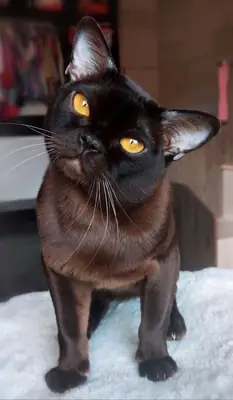
European Burmese Cat Adoption | Social and Loving Companion
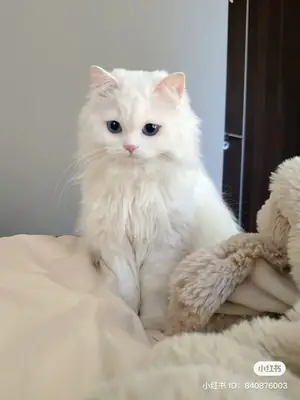
Healthy Persian Cat
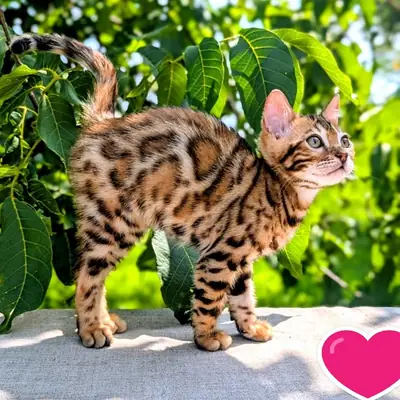
Luxurious Bengal Cat Zeus with a Gentle Temperament
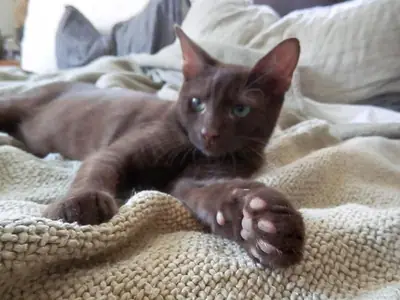
Havana Brown Cat Adoption | Elegant and Loyal Breed
Popular Searches
British Shorthair cats for adoption in Edinburgh
British Shorthair cats for adoption in Edinburgh attract people who want a calm, solid, round-faced cat with a steady home personality. That is a fair reason to search, but it is not enough for a good adoption decision. This is a cat breed where weight, health history, indoor routine, grooming and temperament detail matter just as much as looks.
On Petopic, British Shorthair adoption listings should be checked for age, microchip details, neutering, vaccinations, weight condition, litter habits, vet history, behaviour with people, children, other cats and dogs, and whether the cat is used to indoor-only living. A strong listing does not just say “beautiful British Shorthair”; it explains how this specific cat lives and what kind of home will keep it well.
Adopt a British Shorthair in Edinburgh
To adopt a British Shorthair in Edinburgh, start by judging the cat’s real routine, not just the breed reputation. British Shorthairs can be calm, loyal and easy to live with, but many are not clingy lap cats and may prefer affection on their own terms. Buying into the “teddy bear cat” idea without understanding boundaries is weak decision-making.
Before applying, ask whether the cat likes being picked up, whether it enjoys brushing, how it reacts to visitors, whether it hides from noise, how active it is in the evening and whether it has been left alone during normal workdays. A good match is not the cutest listing; it is the cat whose behaviour fits your actual home.
British Shorthair rescue Edinburgh
British Shorthair rescue Edinburgh searches usually come from people who want a pedigree-looking cat without supporting careless breeding. That is a better starting point than chasing kittens, but rescue and rehoming still require proper checks. A British Shorthair in rescue may have weight issues, stress, poor socialisation, previous neglect or a home-change history that needs patience.
A serious rescue-style listing should explain why the cat needs a new home, whether it has lived indoors, whether it is confident with strangers, whether it tolerates handling and what health checks are known. If the listing is vague, ask more. Rescue does not mean lower standards; it means the matching process must be even more honest.
British Shorthair rehoming Scotland
British Shorthair rehoming in Scotland may include Edinburgh, Leith, Portobello, Morningside, Stockbridge, Corstorphine, Musselburgh, Dalkeith and the wider Lothian area. Expanding the search can help, but location should not outrank health and behaviour information.
A strong rehoming profile should state the cat’s age, sex, neutering, microchip details if available, vaccination history, weight, diet, litter routine, indoor or outdoor history and reason for rehoming. “Needs a loving home” is not enough. The cat needs the right home, not just a fast one.
Adult British Shorthair for adoption
An adult British Shorthair for adoption can be a much smarter choice than a kitten. With an adult cat, you can see the real temperament: whether it is confident, shy, independent, affectionate, food-driven, playful, tolerant of handling or easily stressed by change.
A good adult listing should explain health history, weight condition, diet, litter habits, grooming tolerance, behaviour with other pets and whether the cat is used to flats, houses, gardens or indoor-only living. Adult adoption is not a downgrade. For this breed, known behaviour is often more useful than kitten cuteness.
British Shorthair kitten adoption Edinburgh
British Shorthair kitten adoption in Edinburgh sounds attractive because kittens are easier to fall for. That is exactly the trap. A kitten still needs proper weaning, early socialisation, vet checks, vaccinations, parasite treatment, litter training and a home prepared for years of care.
A kitten listing should state age, health checks, vaccination plan, microchip details if available, diet, litter training, socialisation, parent information where known and whether there are any breed-related health concerns. If the kitten is very young, poorly documented or being moved quickly, do not treat it as a lucky find. Treat it as risk.
British Blue cat adoption Edinburgh
British Blue cat adoption is one of the strongest search patterns around British Shorthairs, but colour should not lead the adoption decision. Blue-grey coats are popular, yet colour says nothing about heart health, kidney history, weight, temperament or how the cat handles a real home.
A listing can mention British Blue colouring, but the useful information is health, age, behaviour, litter habits, diet, grooming and home suitability. If the profile pushes colour harder than care details, it is shallow. Pretty coat, weak information: bad adoption signal.
Indoor British Shorthair adoption
Indoor British Shorthair adoption can work well if the home is set up properly. This cat may adapt to indoor life, but indoor does not mean boring. It needs climbing options, scratching posts, calm resting places, safe windows, play sessions, food control and enough stimulation to avoid weight gain and frustration.
Before adopting an indoor British Shorthair, ask whether the cat has lived indoors before, whether it tries to escape, whether it uses scratching posts, how active it is and whether it becomes bored or demanding. A quiet cat still needs a designed environment. Four walls and a food bowl are not a plan.
British Shorthair for flats in Edinburgh
A British Shorthair can suit flat living in Edinburgh if the cat is already comfortable indoors and the flat has safe windows, quiet sleeping spots, scratching areas and enough enrichment. The breed’s calm reputation helps, but it does not cancel basic welfare needs.
Ask whether the cat reacts to stairwell noise, neighbours, visitors, lifts, street sounds and being left alone. In tenement flats or busy buildings, sound and hallway movement can stress some cats. A flat is suitable only when it matches the individual cat’s confidence and routine.
British Shorthair weight control
British Shorthair weight control is not a minor detail. This breed can look naturally chunky, so owners may miss the line between solid build and excess weight. Extra weight makes movement harder and can worsen long-term health risks.
A good adoption listing should mention current weight, body condition, feeding routine, treat habits, activity level and any vet advice. “Big boned” is not a medical assessment. If the cat is overweight, the adopter needs a realistic feeding and activity plan from day one.
British Shorthair HCM and heart checks
British Shorthair HCM and heart checks should be part of serious adoption questions, especially for adult cats or cats with incomplete history. A cat can appear calm and healthy at home while still having heart-related risk that deserves proper veterinary attention.
Ask whether there has been any heart murmur, fainting, breathing issue, exercise intolerance, scan history, medication or family health information. Not every adopted cat will have full records, but the listing should not pretend breed-related health questions are irrelevant.
British Shorthair PKD kidney health
British Shorthair PKD kidney health is another important topic. Polycystic kidney disease is an inherited concern in this breed, so adoption listings should be honest about any known testing, vet history, drinking habits, urination changes or kidney-related notes.
If no testing is known, that does not automatically mean the cat is a bad choice, but the adopter should understand the uncertainty. Ask about appetite, water intake, litter box changes, bloodwork if available and any previous vet warnings. Silence is not the same as a clean health history.
British Shorthair grooming and shedding
British Shorthair grooming is often underestimated because the coat is short. The coat is dense, and shedding can increase seasonally, so regular brushing helps remove loose hair, check skin condition and reduce hair around the home.
A good listing should say whether the cat accepts brushing, nail trimming, ear checks and carrier travel. Grooming tolerance matters because some British Shorthairs dislike being forced. Calm handling habits make ownership easier and reduce stress for the cat.
British Shorthair with children
A British Shorthair can be good with children in the right home, but this should never be assumed from the breed name. Many British Shorthairs are calm and tolerant, but they may dislike rough handling, being picked up repeatedly or being treated like a soft toy.
A responsible listing should state whether the cat has lived with children, what ages, how it reacts to noise, running, cuddling, toys and visitors. For some cats, older respectful children are a better fit than toddlers. “Good with kids” is too thin unless backed by real behaviour detail.
British Shorthair with other cats
British Shorthair compatibility with other cats depends on the individual. Some cats are relaxed with feline company; others prefer being the only cat, especially if they did not grow up with other cats or dislike sharing space, food, litter trays and attention.
The listing should explain whether the cat has lived with other cats, whether it guards food, hides, hisses, bullies or gets bullied. New introductions should be slow, with separate rooms, scent swapping and controlled meetings. “They will sort it out” is not a responsible plan.
British Shorthair with dogs
A British Shorthair may live with a calm, cat-aware dog, but the history matters. A cat that has never lived with dogs may be frightened by barking, chasing, sniffing and sudden movement. The dog’s behaviour is just as important as the cat’s confidence.
A useful adoption profile should state whether the cat has lived with dogs, whether it hides, swats, freezes or stays relaxed, and what kind of dog it tolerated. If the dog in the new home is excitable or has chase behaviour, do not gamble with the cat’s safety.
British Shorthair microchip and adoption paperwork Scotland
British Shorthair adoption paperwork in Scotland should still be taken seriously even where cat microchipping rules differ from England. Microchip details, keeper information, vaccination records, neutering status, vet notes and transfer permission should be checked before the cat moves home.
For an indoor cat, microchip information still matters. Doors get left open, carriers break, visitors make mistakes and stressed cats can bolt. A missing or outdated chip record makes a lost cat harder to reunite. Paperwork is not boring admin; it is basic protection.
British Shorthair adoption near Edinburgh areas
British Shorthair adoption near Edinburgh may include Leith, New Town, Old Town, Morningside, Stockbridge, Portobello, Corstorphine, Musselburgh, Dalkeith, Livingston and other Lothian areas. Local listings make visits easier, but location should not carry the decision.
Use area searches to find options, then filter hard by health, temperament, weight, paperwork and home fit. A cat in your exact neighbourhood with vague history is not better than a well-described British Shorthair a little farther away.
Frequently Asked Questions
How can I adopt a British Shorthair in Edinburgh?
To adopt a British Shorthair in Edinburgh, review listings that clearly show the cat’s age, health history, microchip details if available, neutering, vaccinations, weight, diet, litter habits, temperament and reason for rehoming.
Before applying, ask whether the cat is used to indoor living, children, other cats, dogs, visitors, grooming and time alone. Do not adopt only because the cat has a round face, blue coat or calm-looking photos.
Is a British Shorthair a good indoor cat?
A British Shorthair can be a good indoor cat if the home offers safe windows, scratching posts, resting spots, play, climbing options and weight control. Indoor life should still be active and interesting.
Before adopting, ask whether the cat has lived indoors before, whether it tries to escape and how it handles boredom. Indoor-only does not mean low-effort ownership.
Are British Shorthair cats good for flats?
British Shorthair cats can suit flats if they are calm, confident indoors and given enough enrichment. A quiet flat with secure windows, good litter placement and daily play can work well.
Ask how the cat reacts to hallway noise, neighbours, visitors, lifts and being left alone. Some cats settle easily; others become stressed by busy building sounds.
Is a British Shorthair good for first-time cat owners?
A British Shorthair can suit first-time cat owners if the cat’s health, weight, temperament and routine are clearly understood. The breed is often calm, but it still needs proper care, vet planning and stimulation.
First-time adopters should choose a listing with detailed behaviour notes, litter habits, diet information and health history. A vague listing is a poor starting point for a new owner.
Are British Shorthair cats lap cats?
Some British Shorthairs enjoy sitting near people, but many are independent and may not like being picked up or held for long. They can be affectionate without being clingy.
Before adopting, ask whether the cat likes laps, brushing, being carried, sleeping near people or being left alone. Do not assume the breed will behave like a cuddly toy.
What health issues should I ask about before adopting a British Shorthair?
Ask about heart history, HCM checks, kidney history, PKD testing if known, weight, dental health, breathing, movement, appetite, drinking, litter box changes and any previous medication or surgery.
Also review vaccination records, neutering, microchip details if available and vet notes. “Looks healthy” is not enough for a breed where heart, kidney and weight questions matter.
Why is weight control important for British Shorthairs?
British Shorthairs have a naturally solid build, so excess weight can be missed. Extra weight can reduce activity and put more strain on the body over time.
Before adoption, ask the current weight, body condition, feeding routine, treat habits and activity level. A good adopter should be ready to manage food portions and play, not just admire the cat’s chunky look.
What is HCM in British Shorthair cats?
HCM is a heart condition that can affect cats, including British Shorthairs. It cannot be ruled out just by looking at a cat or judging normal behaviour at home.
Ask whether the cat has any heart murmur history, scans, breathing issues, fainting, exercise intolerance or medication. If records are not available, plan a vet check after adoption.
What is PKD in British Shorthair cats?
PKD is an inherited kidney condition that can be relevant in British Shorthairs. Adoption listings should mention any known testing, kidney history or vet concerns where available.
Ask about drinking, urination, appetite, weight changes, bloodwork and previous kidney notes. Unknown history does not always mean a bad cat, but it does mean the adopter should not ignore vet follow-up.
Do British Shorthairs need much grooming?
British Shorthairs have short but dense coats. They usually do not need complicated grooming, but regular brushing helps remove loose hair, especially during moulting periods.
Ask whether the cat accepts brushing, nail trimming, carrier travel and handling. Grooming is easier when the cat has already learned calm touch.
Are British Shorthair cats good with children?
British Shorthair cats can be good with respectful children, but this depends on the individual cat. Many dislike rough handling, chasing or being carried too much.
Ask whether the cat has lived with children, what ages, and how it reacts to noise, running, toys and visitors. Older, calm children may be a better match than very young children for some cats.
Can British Shorthairs live with other cats?
Some British Shorthairs can live with other cats, especially if they are used to them, but others prefer being the only cat. Resource sharing and territory can become issues.
Ask whether the cat has lived with other cats, whether it hides, hisses, guards food or shares space calmly. Introductions should be slow, with separate rooms and scent swapping.
Can British Shorthairs live with dogs?
A British Shorthair may live with a calm, cat-friendly dog if introductions are careful and the cat has safe escape spaces. A loud or chase-driven dog can make the cat stressed.
Ask whether the cat has lived with dogs before and what kind of dog it tolerated. Do not rely on guessing if the cat’s dog history is unknown.
Is microchipping important when adopting a British Shorthair in Scotland?
Yes, microchip details are important even where rules differ by UK nation. A microchip helps identify the cat if it escapes, is found injured or is handed to a vet or rescue.
Before adoption, ask whether the cat is microchipped, whether the keeper details can be transferred and whether vet records match the cat. Indoor cats can still get lost, so do not treat this as optional paperwork.
Should I adopt a British Shorthair kitten or an adult cat?
A kitten needs more supervision, socialisation, vet planning and patience. Its adult personality and long-term health profile may not be clear yet.
An adult British Shorthair often gives you more predictable information about temperament, weight, grooming tolerance, litter habits and home fit. For many adopters, a well-described adult cat is the stronger choice.
What should I prepare before bringing home a British Shorthair?
Prepare a quiet starter room, litter tray, food and water bowls, scratching post, bed, carrier, toys, grooming brush, safe windows and a vet plan. The first days should be calm and predictable.
Do not force cuddling, visitors or introductions to other pets immediately. Let the cat explore, settle and build trust. British Shorthairs often appreciate calm handling and stable routine.
What red flags should I avoid in British Shorthair adoption listings?
Avoid listings with vague health history, no age information, no reason for rehoming, unclear ownership, missing vet details, rushed handover pressure, colour-focused wording or no behaviour description.
Also be cautious if the cat is overweight, unneutered without explanation, poorly socialised, very stressed, or described only with phrases like “rare colour” and “must go today”. Good adoption needs clarity, not pressure.
What questions should I ask before adopting a British Shorthair in Edinburgh?
Ask the cat’s age, reason for rehoming, health history, HCM or PKD notes, vaccination record, neutering status, microchip details if available, diet, weight, litter habits and grooming tolerance.
Also ask whether the cat has lived indoors, with children, other cats or dogs, how it handles visitors and whether it can be left alone during the day. If the answers are vague, do not move forward by impulse.