Flemish Giant Rabbits for Sale in Houston
There's 1 Flemish Giant listing live right now, last updated 29 Oct 2025. Find Flemish Giant rabbits... There's 1 Flemish Giant listing live right now, last updated 29 Oct 2025. Find Flemish Giant rabbits for sale in Houston with the details that matter before bringing home one of the largest domestic r... There's 1 Flemish Giant listing live right now, last updated 29 Oct 2025. Find Flemish Giant rabbits for sale in Houston with the details that matter before bringing home one of the largest domestic rabbit breeds: compare baby Flemish Giants, adult giant rabbits, pedigreed rabbits, show quality rabbits, pet quality rabbits, litter trained bunnies, indoor-raised rabbits, black, blue, fawn, sandy, light gray, steel gray and white Flemish Giants on Petopic by age, sex, size, weight, temperament, handling comfort, parent size, breeder notes, pedigree status, RHDV2 vaccination history, vet check, diet, hay routine, litter habits, sore hock prevention, teeth condition, spay or neuter status, housing needs, indoor enclosure size, cooling setup for Houston heat, safe transport, rehoming reason and trusted listings across Houston, Katy, Cypress, Spring, The Woodlands, Sugar Land, Pearland, Pasadena, Baytown, Conroe, Humble, Tomball, Richmond, Rosenberg, Missouri City, League City, Galveston and the wider Harris County area.
Haven't found the pet you're looking for? Let people who want to find a new home for their pet reach out to you.
Create your free pet adoption request listing now and be seen by thousands of pet owners.
Quick Information
Popular Searches
Flemish Giant rabbits for sale in Houston
Flemish Giant rabbits for sale in Houston should be compared by size, health, housing needs and heat safety before price. This is not a small cage rabbit; a Flemish Giant needs serious space, solid flooring, soft resting areas, daily hay, careful handling and a cool indoor setup during Houston’s hot months.
On Petopic, a strong listing should show age, sex, current weight, expected adult size, parent size, temperament, coat colour, litter training, diet, vet history, RHDV2 vaccination status, sore hock prevention, teeth condition, transport plan and whether the rabbit is pet quality, show quality or pedigreed.
Flemish Giant bunnies for sale Houston
Flemish Giant bunnies may look manageable when young, but buyers need to plan for the adult rabbit, not the baby photo. These rabbits grow into large, heavy-bodied pets that need room to stretch, hop and rest without wire pressure on their feet.
Ask how old the bunny is, whether it is fully weaned, what it eats, whether it has been handled gently, whether parents are visible, what adult size is expected and whether the seller explains long-term housing honestly.
Giant rabbits for sale Houston
People searching for giant rabbits in Houston usually want a large, calm, impressive companion, but size brings extra responsibility. A giant rabbit needs more floor space, stronger carriers, larger litter boxes, bigger hideouts and better cooling than a small breed.
Compare listings by temperament, health and setup guidance. A seller who only talks about size and price but cannot discuss diet, flooring, heat, feet, teeth or vet care is not giving enough information.
Baby Flemish Giant rabbits Houston
A baby Flemish Giant rabbit should be active, alert, eating well, clean around the nose and eyes, and old enough to leave safely. Do not judge the listing only by cuteness; young rabbits can hide stress, stomach problems or poor weaning.
Ask about birth date, weaning age, current diet, hay access, pellet type, droppings, parent weight, handling routine, sibling health and whether sudden food changes should be avoided after pickup.
Adult Flemish Giant rabbit for sale Houston
An adult Flemish Giant can be a smarter choice than a baby if the buyer wants known size, personality and litter habits. With an adult, you can see real body condition, foot health, handling comfort and daily behaviour.
Ask current weight, age, spay or neuter status, diet, litter box habits, indoor or outdoor history, reason for sale, health notes, nail condition, sore hock history and whether the rabbit tolerates being picked up or prefers floor-level interaction.
Pedigreed Flemish Giant rabbits Houston
Pedigreed Flemish Giant rabbits are usually searched by buyers who care about parent lines, show potential or responsible breeding background. Pedigree is useful, but it does not replace health, temperament and proper care.
Ask for pedigree details, parent size, colour line, breeder notes, birth date, tattoo or ID if used, show record if claimed and whether the rabbit is being sold as breeding quality, show quality or pet quality.
Show quality Flemish Giant rabbits Houston
Show quality Flemish Giant rabbits should be evaluated by structure, condition, size, colour, body type, coat, handling and breed-standard suitability. A high price does not automatically mean show quality.
Ask for current photos from multiple angles, weight, age, parent information, tattoo or ID, show background if available and honest notes about faults, temperament and whether the rabbit is suitable for youth projects or experienced handlers.
Pet quality Flemish Giant rabbits Houston
A pet quality Flemish Giant can be a wonderful companion when the rabbit is healthy, calm and properly housed. Pet quality should mean “not for show or breeding,” not “poor care or hidden problems.”
Look for clear temperament notes, handling comfort, litter training, diet routine, vet history, indoor suitability, spay or neuter status and whether the rabbit has lived around children, cats, dogs or other rabbits.
Flemish Giant rabbit breeder Houston
A Flemish Giant rabbit breeder in Houston should be able to explain more than colour and price. Serious buyers need information about parent rabbits, housing, diet, weaning, health, RHDV2 awareness and how the rabbit has been socialised.
Ask whether the rabbits are raised indoors or outdoors, how heat is managed, whether parents are available to see, what food the rabbit currently eats and whether the seller provides transition instructions after pickup.
Flemish Giant rabbit price Houston
Flemish Giant rabbit price in Houston can vary by age, pedigree, colour, show potential, breeder reputation, health records and whether supplies or transport are included. The cheapest listing is not always the best buy.
Before paying, check what the price includes: health notes, transition food, pedigree if claimed, vaccination information, carrier requirements, support after pickup and honesty about the rabbit’s adult housing needs.
Flemish Giant rabbits near me Houston
Local Flemish Giant rabbit listings near Houston make pickup easier, but location should not beat health and care quality. A nearby rabbit with poor housing or no health details is still a risky purchase.
Use Petopic to compare listings across Houston, Katy, Cypress, Spring, The Woodlands, Sugar Land, Pearland, Pasadena, Baytown, Conroe and nearby areas while checking age, temperament, size, diet and heat-safe transport.
RHDV2 vaccinated Flemish Giant Houston
RHDV2 vaccination is a major trust signal for Flemish Giant rabbits in Texas. Buyers should ask directly about vaccination history, vet records, biosecurity and whether the rabbit has been exposed to outdoor rabbits, shows, swaps or mixed rabbit groups.
A listing that mentions RHDV2 status, recent vet care and safe transport gives better confidence than one that ignores disease risk completely.
Indoor Flemish Giant rabbit Houston
An indoor Flemish Giant rabbit is often a better fit for Houston because heat, humidity, mosquitoes, predators and storms make outdoor housing harder. Indoor life still requires a large safe setup, not a tiny cage in a corner.
Ask whether the rabbit is already litter trained, used to household sounds, safe around flooring, comfortable with people and whether it has enough space to move without slipping or developing sore feet.
Outdoor Flemish Giant rabbit Houston heat
Outdoor Flemish Giant housing in Houston is difficult because giant rabbits can suffer quickly in heat and humidity. Shade alone is not a full cooling plan.
If a listing says the rabbit lives outdoors, ask about cooling, ventilation, predator protection, storm safety, flooring, mosquito control, water access, frozen bottles, fans, emergency indoor space and whether the rabbit has ever shown heat stress.
Flemish Giant rabbit cage size Houston
Flemish Giants need much more space than standard small-rabbit cages. A rabbit this large needs room to stretch out, stand comfortably, turn, hop and rest without pressure points.
Look for listings that discuss x-pens, rabbit-proofed rooms, large indoor enclosures, soft flooring and supervised exercise time. If the setup advice is a small wire cage, that is a serious red flag.
Litter trained Flemish Giant rabbit Houston
A litter trained Flemish Giant rabbit is easier to keep indoors, but buyers should ask what “litter trained” actually means. Some rabbits are reliable only in one enclosure, while others need adjustment after moving.
Ask what litter box size is used, what litter type, whether accidents happen, whether the rabbit is spayed or neutered and whether hay is placed near the litter area to support good habits.
Flemish Giant rabbit hay diet Houston
A Flemish Giant rabbit should not be sold without clear diet information. Hay is the centre of a healthy rabbit routine, while sudden food changes can upset digestion.
Ask what hay the rabbit eats, pellet amount, greens introduced, water routine, treat habits, appetite, droppings and whether transition food is provided after pickup.
Flemish Giant rabbit GI stasis Houston
GI stasis is one of the biggest health concerns buyers should understand before purchasing any rabbit. A Flemish Giant that stops eating, stops pooping or becomes quiet needs urgent attention.
Ask whether the rabbit has ever had digestive problems, what its normal droppings look like, whether it eats hay eagerly, whether it drinks well and whether the seller knows a rabbit-experienced vet in the Houston area.
Flemish Giant rabbit sore hocks Houston
Sore hocks are a real concern in giant rabbits because heavy bodies put more pressure on the feet. Wire floors, hard surfaces and poor bedding can make the problem worse.
Ask for photos of the feet, flooring details, bedding routine, whether redness or bald spots exist and whether the rabbit has soft resting areas in its current setup.
Flemish Giant rabbit teeth check Houston
Rabbit teeth grow continuously, so dental condition matters before buying a Flemish Giant. Drooling, picky eating, weight loss, bad breath or wet chin can point to problems.
Ask whether the rabbit eats hay well, whether a vet has checked the teeth, whether molar issues are known and whether the rabbit has ever needed dental trimming.
Spayed Flemish Giant rabbit Houston
A spayed female Flemish Giant may be easier to keep as a house rabbit, especially around litter habits, hormonal behaviour and long-term health planning. Surgery status should be confirmed with records, not guessed.
Ask when she was spayed, which vet performed it, whether recovery was normal and whether her behaviour changed after surgery.
Neutered Flemish Giant buck Houston
A neutered Flemish Giant buck can be a better pet option for many homes because spraying, mounting and territorial behaviour may be easier to manage. Neutering also matters if the buyer plans to bond him with another rabbit.
Ask for surgery date, vet record, litter habits, temperament, bonding history and whether he has ever lived near does or other bucks.
Flemish Giant doe for sale Houston
A Flemish Giant doe for sale should be described by age, weight, temperament, litter habits, health and whether she is being sold as a pet, brood doe or show prospect. Vague “female available” listings are not enough.
Ask whether she has been bred before, whether she is spayed, whether she has had any pregnancy complications, how she handles people and whether her feet and body condition are healthy.
Flemish Giant buck for sale Houston
A Flemish Giant buck for sale should have clear notes about temperament, handling, size, breeding status and whether he is intact or neutered. Buyers need to know if he is a pet companion, show prospect or breeding buck.
Ask about spraying, mounting, litter habits, handling comfort, previous breeding, pedigree if claimed and whether he can be safely transported in a large carrier.
Black Flemish Giant rabbit Houston
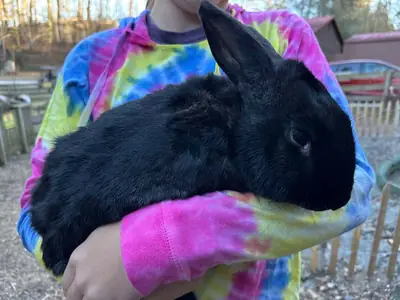
Black Flemish Giant rabbits can look dramatic in photos, but colour should not be the main buying reason. Health, size, temperament, feet, diet and heat-safe housing matter more.
Ask for natural-light photos, coat condition, parent colour, age, weight, diet and whether the rabbit is suited for indoor life in Houston.
Blue Flemish Giant rabbit Houston
Blue Flemish Giant rabbits are searched for their soft gray-blue coat, but rare-looking colour should not excuse weak information. A responsible listing still needs age, size, health and care details.
Ask about parent colours, pedigree if available, coat quality, current weight, handling comfort, litter habits and whether the rabbit has been raised on solid flooring.
Sandy Flemish Giant rabbit Houston
Sandy Flemish Giants are classic-looking rabbits that often attract buyers interested in breed type. The listing should still show more than a colour label.
Check body condition, coat shine, ear carriage, foot health, diet, parent size, temperament and whether the rabbit is being sold for pet companionship, show or breeding.
White Flemish Giant rabbit Houston
A white Flemish Giant rabbit should be checked for clean eyes, clean nose, healthy coat, strong body condition and comfortable movement. Pale rabbits can make stains, discharge or sore feet easier to notice if photos are clear.
Ask for close photos, current weight, litter habits, diet and whether the rabbit has any eye irritation, staining, sneezing or foot redness.
Flemish Giant rabbit with children Houston
Flemish Giants are often described as gentle, but children still need supervision. A giant rabbit can be injured by bad lifting, and a scared rabbit can kick hard enough to hurt itself or a child.
Ask whether the rabbit has lived around children, whether it tolerates petting, whether it dislikes being picked up and whether the household understands floor-level interaction.
Flemish Giant rabbit with dogs Houston
A Flemish Giant rabbit can live in a home with dogs only when the dog is calm, controlled and not prey-driven. Size does not make the rabbit safe from a bad dog introduction.
Ask whether the rabbit has met dogs before, how it reacts, whether the dog respects barriers and whether the buyer has a separate safe rabbit area that dogs cannot enter.
Flemish Giant rabbit with cats Houston
Some Flemish Giants can live near calm cats, but introductions should be slow and supervised. A cat that stalks, swats or jumps into the enclosure can stress the rabbit.
Ask whether the rabbit has lived with cats, whether it hides or lunges, whether the cat has prey behaviour and whether the enclosure prevents unsupervised access.
Flemish Giant rabbit transport Houston
Transport matters for Flemish Giants because they are large, heavy and heat-sensitive. A tiny carrier, hot car or long handoff in direct sun is a bad plan.
Use a large secure carrier with good ventilation, solid flooring, absorbent bedding, water planning and air conditioning. Avoid midday heat and confirm pickup details before travel.
Flemish Giant rabbits near Katy Cypress Spring
Listings near Katy, Cypress, Spring, The Woodlands, Tomball, Humble and Conroe can be useful for buyers who want a shorter pickup route and less transport stress for a large rabbit.
Still, the right rabbit is the one with clear health, diet, housing and temperament details. Do not choose purely by distance if the listing gives no real care information.
Flemish Giant rabbits near Sugar Land Pearland Pasadena
Searches around Sugar Land, Pearland, Pasadena, Missouri City, League City, Baytown and Galveston often come from buyers who want Houston-area options without a long rural pickup.
Compare each listing by indoor readiness, RHDV2 status, current diet, adult size expectation, foot health, litter habits and whether the seller explains how to keep a giant rabbit safe in local heat.
Frequently Asked Questions
What should I check before buying a Flemish Giant rabbit in Houston?
Check the rabbit’s age, sex, current weight, expected adult size, parent size, temperament, diet, litter habits, housing history, RHDV2 vaccination status, vet records, teeth condition, foot health, spay or neuter status and whether the rabbit is pet quality, show quality or pedigreed.
For Houston, also ask how the rabbit is kept cool, whether it lives indoors and how transport will be handled safely in hot weather.
Are Flemish Giant rabbits good pets?
Flemish Giants can be calm and affectionate pets when handled gently and housed properly.
They are not low-effort pets. They need large indoor space, daily hay, fresh water, soft flooring, rabbit-safe enrichment, grooming checks, nail trims and access to a rabbit-experienced vet.
How big do Flemish Giant rabbits get?
Flemish Giants are one of the largest domestic rabbit breeds and can become very large as adults.
Ask current weight, parent weight and expected adult size before buying, because housing, carrier size, litter box size and flooring all need to match the adult rabbit, not the baby rabbit.
Are Flemish Giant rabbits good for apartments?
A Flemish Giant can live in an apartment if there is enough safe floor space, proper flooring, a large litter area, daily exercise and strong rabbit-proofing.
A small cage is not enough. Plan for an x-pen, rabbit-proofed room or large indoor enclosure.
Can Flemish Giant rabbits live outside in Houston?
Outdoor housing in Houston is risky because of heat, humidity, storms, mosquitoes, predators and sudden temperature stress.
If a rabbit is kept outdoors, ask about shade, ventilation, cooling, predator protection, water access, solid flooring, emergency indoor space and whether the rabbit has shown heat stress before.
Why is Houston heat dangerous for Flemish Giant rabbits?
Rabbits can overheat quickly, and giant rabbits need extra caution because of body size and limited ability to cool themselves.
Houston buyers should plan indoor air conditioning, shade during transport, cool flooring, fresh water and no long pickup waits in direct sun.
What temperature is too hot for a Flemish Giant rabbit?
Warm, humid conditions can become dangerous for rabbits, especially if there is poor airflow or direct sun.
Ask a rabbit-experienced vet about safe temperature ranges for your setup and keep the rabbit indoors in a cool, ventilated space during hot Houston weather.
Should Flemish Giant rabbits be RHDV2 vaccinated in Texas?
RHDV2 vaccination should be discussed with a rabbit-experienced veterinarian in Texas.
When buying a Flemish Giant, ask whether the rabbit is vaccinated, when it was vaccinated, which vet handled it and what biosecurity steps the seller uses around other rabbits.
What is RHDV2 and why does it matter for rabbits in Houston?
RHDV2 is a serious rabbit disease that can affect domestic and wild rabbits.
Buyers should ask about vaccination, quarantine, exposure to shows or rabbit swaps, outdoor contact, used supplies and whether the rabbit has been kept away from unknown rabbits.
What should a Flemish Giant rabbit eat?
A Flemish Giant rabbit needs a hay-based diet with fresh water, appropriate pellets and suitable greens introduced carefully.
Ask what hay, pellets and greens the rabbit currently eats, and avoid sudden diet changes immediately after pickup.
Why is hay important for Flemish Giant rabbits?
Hay supports digestion and helps wear down rabbit teeth.
A rabbit that does not eat hay well needs careful attention because poor hay intake can contribute to dental and digestive problems.
What is GI stasis in rabbits?
GI stasis is a dangerous slowdown of the digestive system. Warning signs can include not eating, fewer droppings, small droppings, lethargy, pain posture or hiding.
If a Flemish Giant stops eating or pooping, contact a rabbit-experienced vet quickly. Do not wait days to see if it improves.
How can I reduce GI stasis risk after buying a rabbit?
Keep the diet stable, offer plenty of hay, provide fresh water, avoid sudden food changes, reduce stress and monitor droppings closely during the first week.
Ask the seller for transition food and the rabbit’s normal routine before pickup.
Do Flemish Giant rabbits need a large cage?
They need much more than a standard small cage. A Flemish Giant needs room to stretch, hop, turn, rest and move without cramped posture.
Many owners use large indoor pens or rabbit-proofed rooms rather than small cages.
Is wire flooring safe for Flemish Giant rabbits?
Wire flooring can create pressure problems, especially for heavy rabbits.
Ask what flooring the rabbit lives on and provide solid, soft, clean resting areas to reduce sore hock risk.
What are sore hocks in Flemish Giant rabbits?
Sore hocks are irritated or injured areas on the rabbit’s feet, often made worse by hard flooring, wire flooring, excess weight or poor bedding.
Before buying, ask for foot photos and check for redness, bald spots, swelling, scabs or reluctance to move.
Do Flemish Giant rabbits need dental checks?
Yes. Rabbit teeth grow continuously, so dental health matters.
Ask whether the rabbit eats hay well, whether a vet has checked the teeth and whether there are signs like drooling, wet chin, bad breath, weight loss or picky eating.
Are Flemish Giant rabbits easy to litter train?
Many rabbits can learn litter habits, especially when spayed or neutered and given a large suitable litter box.
Ask whether the rabbit already uses a litter box, what litter type is used and whether accidents happen outside the enclosure.
Should I buy a spayed or neutered Flemish Giant rabbit?
A spayed or neutered rabbit can be easier for indoor life, litter habits and bonding with another rabbit.
Ask for surgery records, date, vet name and whether recovery was normal. If the rabbit is intact, plan to discuss surgery with a rabbit-experienced vet.
Can Flemish Giant rabbits live with other rabbits?
They can, but introductions must be slow and controlled. Spay or neuter status matters a lot.
Do not put two unknown rabbits together immediately. Ask about previous bonding history, aggression, mounting, fighting and whether the rabbit has lived with another rabbit before.
Are Flemish Giant rabbits good with children?
They can be good around gentle children, but they are still rabbits and can be injured by rough handling.
Children should interact at floor level, avoid lifting the rabbit and learn to respect hiding, resting and eating time.
Can Flemish Giant rabbits live with dogs?
Only with careful management. A large rabbit is still vulnerable to a dog’s bite, chase or stress.
Ask whether the rabbit has met dogs before and keep a secure rabbit-only area that dogs cannot enter unsupervised.
Can Flemish Giant rabbits live with cats?
Some can live near calm cats, but supervision is still needed.
Ask whether the rabbit has lived with cats before and make sure the enclosure prevents chasing, swatting or jumping into the rabbit’s space.
What carrier do I need for a Flemish Giant rabbit?
You need a large, secure, well-ventilated carrier with solid flooring and enough space for the rabbit’s body size.
Do not transport a Flemish Giant in a tiny cat carrier if the rabbit cannot sit and turn safely.
How should I transport a Flemish Giant rabbit in Houston?
Use air conditioning, avoid direct sun, keep pickup short, use a solid-bottom carrier and avoid midday heat when possible.
Bring absorbent bedding, hay, a stable carrier and a plan to go directly home without errands.
What should I ask a Flemish Giant breeder?
Ask about parent size, age, diet, weaning, health records, RHDV2 vaccination, housing, heat management, foot health, teeth, temperament, litter training, pedigree if claimed and support after pickup.
If the seller cannot answer basic care questions, the listing is weak.
How do I know if a Flemish Giant listing is trustworthy?
A trustworthy listing has clear photos, real age, sex, weight, diet, health details, housing notes, pickup location, seller communication and honest care expectations.
Be careful with listings that use stolen photos, vague location, pressure for deposits, no health details or unrealistic claims about size and care.
What colours do Flemish Giant rabbits come in?
Common Flemish Giant colour searches include black, blue, fawn, sandy, light gray, steel gray and white.
Colour should not be the main buying factor. Health, temperament, housing needs and care quality matter more.
Should I choose a baby or adult Flemish Giant?
A baby rabbit lets you raise the rabbit from young age, but adult size and personality are not fully visible yet.
An adult rabbit gives clearer information about real size, temperament, litter habits, feet, teeth and handling comfort.
What supplies do I need before buying a Flemish Giant rabbit?
Prepare a large enclosure or x-pen, solid flooring, soft resting mats, large litter box, rabbit-safe litter, hay rack, hay, water bowls, appropriate pellets, chew toys, hideout, grooming tools, nail clippers and a large carrier.
Also find a rabbit-experienced vet before bringing the rabbit home.
How do I prepare my home for a Flemish Giant rabbit?
Rabbit-proof cords, remove toxic plants, protect baseboards, block unsafe gaps, provide traction on slippery floors and create a cool quiet first area.
Because Flemish Giants are large, make sure every hideout, tunnel, carrier and litter box actually fits the rabbit.
Can I keep a Flemish Giant rabbit in a hutch?
A small hutch is not enough for a Flemish Giant. If a hutch is used at all, it should be part of a much larger safe exercise setup.
The rabbit needs space to move, stretch, hop and rest on comfortable solid surfaces.
What are warning signs not to buy a Flemish Giant rabbit?
Warning signs include dirty eyes, nasal discharge, wet chin, poor appetite, tiny or no droppings, diarrhea, limping, sore feet, very thin body, head tilt, heavy breathing, dirty housing, no diet details and refusal to answer health questions.
Also be careful with sellers who demand deposits before proof, hide the pickup location or cannot provide current photos and videos.