Liverpool British Shorthair Cat Adoption
There's 1 British Shorthair listing live right now, last updated 7 Mar 2026. Adopt a British Shortha... There's 1 British Shorthair listing live right now, last updated 7 Mar 2026. Adopt a British Shorthair in Liverpool by checking clear rehoming listings for this round-faced, dense-coated and calm dome... There's 1 British Shorthair listing live right now, last updated 7 Mar 2026. Adopt a British Shorthair in Liverpool by checking clear rehoming listings for this round-faced, dense-coated and calm domestic cat breed: age, sex, colour, microchip transfer, neuter status, vaccination record, weight, heart history, kidney notes, indoor routine, temperament, children, other pets, litter habits, grooming needs, adoption conditions and safe handover across Merseyside.
Haven't found the pet you're looking for? Let people who want to find a new home for their pet reach out to you.
Create your free pet adoption request listing now and be seen by thousands of pet owners.
Other listings in your area
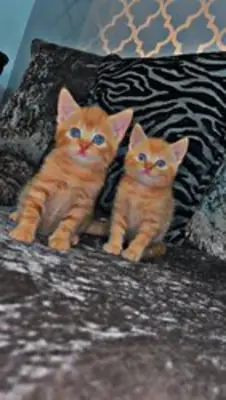
Pedigree Mainecoon kittens
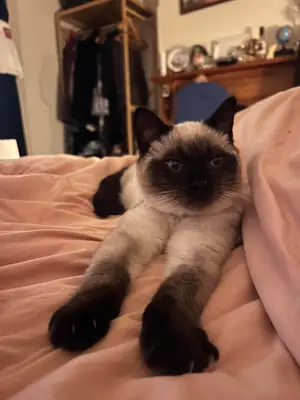
Siamese cat used to apartment life
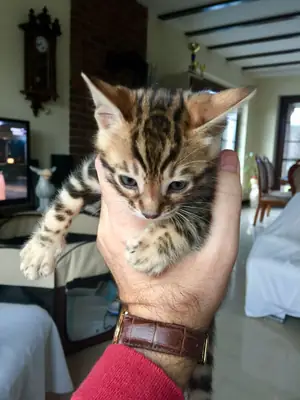
Adorable Bengal kitten 🐱
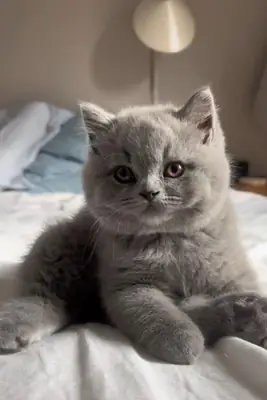
British Shorthair for Adoption | Calm, Affectionate | Ideal for a Quiet Home
Popular Searches
British Shorthair adoption Liverpool
British Shorthair adoption in Liverpool should focus on the cat’s real history, not only the round face and plush coat. This is a domestic cat breed often known for a calm, solid and independent nature, but every rehoming case still needs honest detail.
On Petopic, a strong adoption listing should explain age, sex, colour, microchip transfer, neuter status, vaccination record, vet history, weight, heart notes, kidney history, litter habits, indoor routine, children, other pets, grooming and why the cat needs a new home. “Beautiful British Shorthair available” is too thin for a serious adoption page.
Adopt British Shorthair Liverpool
People searching adopt British Shorthair Liverpool usually want a calm, chunky, affectionate but not overly needy cat. The right listing should help them judge whether the cat suits a flat, house, family home, quiet adult home or multi-pet household.
The advert should describe how the cat behaves with strangers, children, other cats, dogs, loud rooms, being lifted, being brushed and being left alone. Adoption is not about getting a pedigree-looking cat cheaply; it is about matching the cat to a home that will keep it stable.
British Shorthair rescue Liverpool
British Shorthair rescue Liverpool searches often come from people who want to offer a home to an existing cat rather than buy a kitten. That is a stronger intent, but the adopter still needs proper records and a realistic picture of the cat’s needs.
A rescue-style listing should explain the reason for rehoming, whether the cat is stressed, shy, confident, overweight, on medication, used to indoor life, insured, microchipped and neutered. A British Shorthair may look calm in photos while still needing careful settling and health monitoring.
British Shorthair rehoming Merseyside
British Shorthair rehoming Merseyside covers Liverpool, Wirral, Bootle, Crosby, Aigburth, Allerton, Wavertree, St Helens, Prescot, Birkenhead and nearby areas. A wider local search can help adopters find the right cat, but distance should never replace careful checks.
The listing should make the location, adoption process, home requirements, microchip transfer, vet records, adoption fee if any and handover timing clear. If the owner hides why the cat is being rehomed, the advert is not good enough.
Blue British Shorthair adoption Liverpool
Blue British Shorthair adoption Liverpool is a strong visual search because many people describe the blue coat as grey. The listing should include both plain and breed-specific wording so real adopters and casual searchers can recognise the cat.
A good advert should mention blue-grey coat, round face, copper or amber eyes if relevant, dense short fur, stocky body and temperament. But colour should not carry the whole listing; health, behaviour and handover details matter more than the shade of the coat.
Grey British Shorthair cat adoption
Grey British Shorthair cat adoption captures people who do not use the formal “blue” colour term. Many adopters simply search for a grey round-faced cat, especially if they have seen photos of the breed but do not know the correct wording.
The advert should describe the cat in everyday language: grey coat, round cheeks, plush fur, sturdy body and calm expression. Then it should move into the real adoption information: age, microchip, neuter status, vet notes, weight, personality and home suitability.
Adult British Shorthair adoption Liverpool
Adult British Shorthair adoption in Liverpool can be a very strong match because the adopter can see the cat’s real size, temperament, grooming tolerance, weight, litter habits and comfort with people. With an adult cat, there is less guesswork than with a kitten.
The listing should explain why the cat is being rehomed, whether it is neutered, microchipped, vaccinated, insured, indoor-only, used to children, used to other animals and whether it has any medical or diet needs. Adult adoption works best when the history is not sugar-coated.
British Shorthair kitten adoption Liverpool
British Shorthair kitten adoption Liverpool should be handled carefully because kitten demand can attract weak listings. If a kitten is genuinely being rehomed, the advert needs age, microchip plan, vaccination status, worming, mum details if known, litter training and reason for adoption.
The listing should also explain whether the kitten is confident, shy, playful, handled daily, used to household noise and eating independently. A British Shorthair kitten should not be moved on vague promises and a cute photo.
British Shorthair cat for adoption near me
British Shorthair cat for adoption near me is a convenience-led search, but the closest cat is not always the best match. A clearer history in another part of Merseyside is better than a local listing with missing vet records and vague behaviour notes.
Adopters should compare age, temperament, indoor routine, microchip transfer, neuter status, weight, health, other-pet history and adoption conditions before location. A responsible match beats a fast pickup every time.
Free British Shorthair adoption Liverpool
Free British Shorthair adoption Liverpool is a risky search if the adopter only wants to avoid cost. A free adoption can still involve vet bills, microchip transfer, insurance, special food, dental care, weight management or medication.
The listing should be honest about any adoption fee, included items, food, litter, carrier, vet records and follow-up contact. Free adoption is not free ownership, and a British Shorthair with hidden health needs can become expensive quickly.
Microchipped British Shorthair adoption
A microchipped British Shorthair adoption should include a clear keeper-transfer plan. In England, owned cats must be microchipped by 20 weeks, and the details must be kept up to date.
The advert should say whether the cat is already microchipped, which records will be handed over and when the adopter should update the database. “The new owner can sort it later” is weak handover wording.
Neutered British Shorthair adoption Liverpool
Neutered British Shorthair adoption Liverpool is a practical search because adopters want to know whether the cat is already settled medically and behaviourally. Neuter status affects future costs, behaviour, indoor management and multi-cat introductions.
The listing should say whether the cat is neutered, when it was done if known, whether records exist and whether there are any hormone-related behaviour issues such as spraying, roaming, calling or tension with other cats.
Vaccinated British Shorthair adoption
A vaccinated British Shorthair adoption listing should give dates, not vague comfort words. Adopters need to know what has been done, what is overdue and whether the cat has regular vet history.
The advert should also mention worming, flea treatment, dental notes, weight, appetite, litter habits and any past reactions to vet visits. Clear records make the first weeks easier for both cat and adopter.
British Shorthair indoor cat adoption
British Shorthair indoor cat adoption fits many Liverpool homes because this breed is often calm and home-focused, but indoor life still needs enrichment. A cat can be quiet and still become bored, overweight or under-stimulated.
The listing should explain whether the cat is indoor-only, balcony-safe, used to windows, scratching posts, play sessions, visitors, litter trays and being left for normal work hours. Indoor does not mean low-care; it means the home must provide the whole world.
British Shorthair flat adoption Liverpool
British Shorthair flat adoption in Liverpool can work if the cat is already comfortable indoors and the flat is quiet, safe and enriched. The issue is not just size; it is routine, litter placement, scratching options, windows, noise and safe resting areas.
The advert should say whether the cat has lived in a flat, how it handles hallway noise, lifts, neighbours, visitors and being alone. A flat can be suitable, but the cat’s previous routine matters.
British Shorthair with children adoption
British Shorthair with children adoption should be written with real behaviour, not lazy breed assumptions. Many British Shorthairs are calm, but they may dislike being carried, squeezed or disturbed while resting.
The listing should state whether the cat has lived with babies, toddlers, older children or teenagers, how it reacts to noise, whether it scratches, hides, tolerates brushing and whether it wants lap time or prefers nearby company. “Good with kids” is not enough.
British Shorthair with other cats
A British Shorthair may live with other cats if introductions are slow and the home has enough space, litter trays and resting areas. Some are easy-going; others prefer being the only cat and may become stressed by pushy companions.
The advert should explain whether the cat has lived with cats before, whether it shares food areas, whether it guards space, hides, hisses, plays or avoids contact. Multi-cat suitability must be based on history, not hope.
British Shorthair with dogs
A British Shorthair can sometimes live with a calm, cat-safe dog, but the dog’s behaviour matters more than the cat’s breed. A chasing or noisy dog can make even a steady British Shorthair hide or stop using normal spaces.
The listing should say whether the cat has lived with dogs, whether it hides, freezes, approaches, swipes, ignores them or becomes stressed. Homes with dogs need safe rooms, high resting places and slow introductions.
British Shorthair temperament adoption
British Shorthair temperament is often described as calm, steady and affectionate in a restrained way. That does not mean every individual is cuddly, lap-seeking or instantly friendly with strangers.
A useful adoption listing should say whether the cat is shy, confident, independent, playful, food-motivated, vocal, lap-friendly, brush-tolerant or nervous with visitors. Adopters need the actual cat’s personality, not a breed stereotype.
British Shorthair weight management
British Shorthair weight management matters because the breed’s sturdy build can make extra weight look normal. A chunky appearance is not the same as a healthy body condition.
The advert should mention current weight if known, diet, portion routine, treat habits, activity level, vet advice and whether the cat needs a controlled feeding plan. Hiding weight issues only sets the adopter up for vet bills and frustration.
British Shorthair heart check HCM
British Shorthair heart check HCM is a serious health search. Adopters should ask whether the cat has any known heart murmur, scan history, breathing issues, exercise intolerance, fainting episodes or medication.
Not every adopted cat will come with full pedigree health records, but known information should be shared honestly. If the cat has a heart condition, the right adopter may still be possible, but surprises are not fair.
British Shorthair kidney history PKD
British Shorthair kidney history and PKD questions should not be ignored, especially if the cat’s breeder or parent background is known. Kidney concerns can affect diet, water intake, vet checks and long-term cost.
The listing should mention any known kidney diagnosis, urine issues, blood tests, special diet, drinking changes or vet monitoring. If the owner does not know, say unknown rather than pretending everything is clear.
British Shorthair grooming and shedding
British Shorthair grooming is usually manageable, but the dense coat still sheds and benefits from regular brushing. The plush coat can make the cat look low-maintenance, but grooming also helps with bonding and checking skin or weight changes.
The advert should mention whether the cat tolerates brushing, nail checks, ear checks and being handled. A cat that hates handling may still be adoptable, but the adopter needs to know before taking it home.
British Shorthair adoption for seniors
British Shorthair adoption for seniors can be a strong match when the cat is calm, settled and not overly demanding. An adult British Shorthair may suit a quieter home better than a kitten or high-energy breed.
The listing should still explain weight, vet needs, grooming, litter habits, lifting tolerance, medication and whether the cat needs stairs, outdoor access or intensive play. Calm does not mean zero responsibility.
Rehome my British Shorthair Liverpool
Rehome my British Shorthair Liverpool is the owner-side intent. If someone needs to rehome their cat, the advert should not hide the reason or make the cat sound perfect just to get more messages.
Write the true routine: food, litter, sleeping places, temperament, vet history, weight, children, other pets, grooming tolerance, stress triggers and the kind of home needed. A truthful listing may get fewer enquiries, but better ones.
Safe British Shorthair handover Liverpool
A safe British Shorthair handover in Liverpool should include microchip transfer, vaccination record, neuter status, vet notes, diet, litter type, favourite food, grooming notes, medication if any, behaviour history and adoption agreement.
At home, the first day should be quiet: one room, familiar food, water, litter tray, soft bed and hiding place. Do not force cuddles, visitors or whole-house access immediately. A calm British Shorthair still needs a controlled start.
Frequently Asked Questions
What type of animal is a British Shorthair?
A British Shorthair is a domestic cat breed, not a dog, rabbit or wild animal. It is usually recognised by a round face, dense short coat, sturdy body and calm, solid appearance.
In an adoption listing, describe it clearly as a cat and include plain visual details such as blue-grey coat, round cheeks, copper eyes, plush fur or stocky build so people can understand the breed quickly.
What should I check before adopting a British Shorthair in Liverpool?
Check age, sex, colour, microchip transfer, neuter status, vaccination record, vet history, weight, heart notes, kidney history, litter habits, grooming tolerance and temperament.
You should also ask whether the cat has lived with children, other cats, dogs, visitors, indoor-only routines and whether it needs special food, medication or weight management.
Is a British Shorthair good for adoption?
Yes, a British Shorthair can be a good adoption choice when the cat’s history and home needs are clear. Many adults suit calm homes, indoor routines and adopters who respect a cat’s independence.
The match still depends on the individual cat. Do not adopt only because of the breed name or plush appearance.
Is a British Shorthair suitable for indoor life?
Yes, many British Shorthairs can suit indoor life if the home provides scratching posts, play, window watching, clean litter access, hiding places and a predictable routine.
Indoor life should not become inactivity. Portion control, play and enrichment matter because this breed can become overweight if its routine is too passive.
Can a British Shorthair live in a flat?
A British Shorthair can live in a flat if the cat is used to indoor life and the flat is safe, quiet and enriched. Litter placement, scratching options, resting areas and noise levels all matter.
Ask whether the cat has lived in a flat before and how it handles hallway noise, visitors, neighbours and being left for normal periods.
Does an adopted British Shorthair need microchip transfer?
Yes. During adoption, the microchip record should be transferred or updated so the adopter’s details are correct.
In England, owned cats must be microchipped by 20 weeks of age, and keeper details should be kept up to date on an approved database.
Should a British Shorthair be neutered before adoption?
Many adult British Shorthairs offered for adoption are already neutered, but the listing should state this clearly. Neuter status affects future costs, behaviour and multi-cat planning.
If the cat is not neutered, the adopter should understand the timing, cost and responsibility before handover.
Are British Shorthairs good with children?
Some British Shorthairs are good with children, especially calm children who respect boundaries. Many do not enjoy rough handling, being carried constantly or being disturbed while resting.
Ask what ages of children the cat has lived with, whether it hides, scratches, tolerates noise and whether it prefers nearby company rather than lap cuddles.
Can a British Shorthair live with other cats?
It can, depending on the individual cat. Some British Shorthairs live well with other cats, while others prefer being the only cat in a calm home.
Ask about past cat experience, food sharing, litter sharing, hiding, hissing, play style and whether slow introductions are required.
Can a British Shorthair live with dogs?
A British Shorthair may live with a calm cat-safe dog, but a chasing or noisy dog can create stress. The dog’s behaviour matters more than the cat’s breed.
Ask whether the cat has lived with dogs before and prepare safe rooms, high resting places and slow introductions.
Are British Shorthairs prone to weight gain?
They can be prone to weight gain because their sturdy build and calm routine can make extra weight less obvious. A chunky look is not always a healthy body condition.
Ask about current weight, food portions, treats, play routine and any vet advice before adoption.
What health issues should I ask about before adopting a British Shorthair?
Ask about heart history, murmurs, kidney issues, dental problems, obesity, breathing, arthritis, medication, special diet, allergies and previous vet records.
Not every adopted cat will have full background records, but known health information should be shared honestly.
How much grooming does a British Shorthair need?
The dense short coat is usually manageable, but regular brushing helps with shedding, coat condition and handling confidence.
Ask whether the cat tolerates brushing, nail checks, ear checks and being handled. Grooming behaviour matters during adoption because not every adult cat accepts it easily.
Is an adult British Shorthair easier than a kitten?
An adult can be easier to assess because temperament, size, litter habits, grooming tolerance, health and home preferences are already visible.
A kitten may be more adaptable, but it needs more supervision, training and uncertainty. A clear adult history can make adoption safer.
What kind of home suits a British Shorthair?
A calm, stable home often suits this breed well. The cat may enjoy company but still want personal space, predictable routine and respectful handling.
The best home depends on the individual listing: children, other pets, indoor access, grooming needs, weight management and medical history should all be considered.
How should a British Shorthair be handed over in Liverpool?
The handover should include microchip transfer, vaccination record, neuter status, vet notes, diet, litter type, grooming notes, medication if any, behaviour history and adoption agreement.
At home, start with one quiet room, familiar food, water, litter tray, soft bed and hiding place. Avoid forced cuddles, visitors and sudden whole-house access during the first days.