Free Adoption of Balinese Cats in London
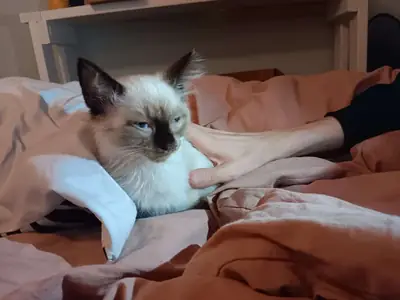
There's 1 Balinese listing live right now, last updated 28 Apr 2026. Free adoption of Balinese cats ... There's 1 Balinese listing live right now, last updated 28 Apr 2026. Free adoption of Balinese cats in London is for people looking for an elegant, vocal and affectionate cat with the Siamese-style pe... There's 1 Balinese listing live right now, last updated 28 Apr 2026. Free adoption of Balinese cats in London is for people looking for an elegant, vocal and affectionate cat with the Siamese-style personality in a silky longer coat, but this rare breed needs more than a beautiful pointed face. Check Balinese cats and kittens around North London, East London, South London, West London, Camden, Hackney, Islington, Croydon, Enfield, Ealing, Greenwich, Wembley, Barking and nearby Greater London areas with care for microchip details, vaccination history, neutering status, age, indoor or outdoor routine, coat condition, grooming tolerance, vocal behaviour, separation stress, litter training, children, dogs, other cats, eye history, PRA signs, breathing or asthma symptoms, coughing, weight, appetite, vet records and whether the cat’s social and daily care needs can genuinely fit your home.
Haven't found the pet you're looking for? Let people who want to find a new home for their pet reach out to you.
Create your free pet adoption request listing now and be seen by thousands of pet owners.
Other listings in your area
Birman cat used to quiet homes

Free British Shorthair from shelter
Siamese cat that doesn’t like being alone too long
Stunning Sphynx Kittens – Ready Now
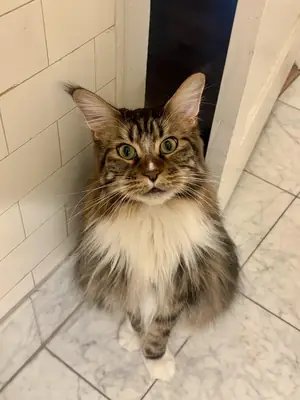
Maine coon that minds its own business
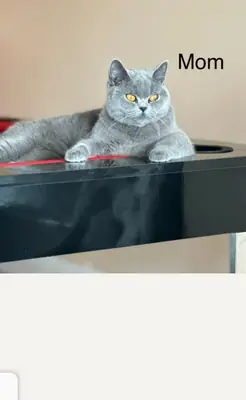
Beautiful British shorthair kittens for adoption available
Popular Searches
Free Balinese cat adoption London
Free Balinese cat adoption in London should be checked with serious care because this is not an ordinary long-haired cat listing. A Balinese cat is elegant, vocal, people-focused and usually wants attention, routine and interaction rather than being left as a quiet background pet.
A strong listing should explain age, microchip status, vaccination record, neutering, coat condition, litter habits, indoor routine, vocal behaviour, separation stress, eye history, breathing symptoms, appetite and the exact reason for rehoming. Rare breed adoption only works when the details are clear before contact or collection.
Balinese cats for adoption London
Balinese cats for adoption in London attract people who want a graceful, long-coated and affectionate cat with a talkative personality. The breed can be deeply social, so the right home matters more than the prettiest photo.
Ask whether the cat follows people around, cries when left, accepts grooming, uses the litter tray reliably, has lived with children, dogs or other cats and whether it is used to a flat, balcony, garden or fully indoor life.
Balinese cat rescue London
Balinese cat rescue in London often means a rare breed or Siamese-type cat needing a careful match rather than a quick handover. These cats can be affectionate, clever and demanding when they want company.
Ask what caused the rehoming, whether the cat is noisy, anxious, shy, clingy, destructive when bored or unhappy with other pets. A rescue Balinese should be placed with someone who understands the breed’s social side.
Balinese cat rehoming London
Balinese cat rehoming in London needs direct questions because “needs more attention” can hide loud calling, separation stress, litter accidents, conflict with other cats or a home that underestimated how interactive the breed can be.
Ask how long the keeper has had the cat, why it is being rehomed, whether it has vet records, whether it has scratched furniture from boredom, cried at night, hidden from visitors or struggled with changes in routine.
Balinese kitten adoption London
Balinese kitten adoption in London should not be rushed because rare kitten adverts can attract fast interest and weak proof. A kitten should have clear age, microchip details or timing, vaccination information, flea and worm treatment, diet, litter training and socialisation notes.
Ask whether the kitten is used to people, normal home noise, gentle brushing, handling, other cats and short periods alone. A Balinese kitten with vague history, no proof or pressure for fast collection is not a safe lead.
Adult Balinese cat adoption London
Adult Balinese cat adoption in London can be better than chasing kittens because the cat’s true voice level, confidence, grooming tolerance, litter habits, social needs and pet compatibility are already visible.
Ask whether the cat sleeps through the night, talks constantly, demands company, accepts brushing, eats well, uses the litter tray reliably and copes when people leave home. Adult adoption works when the normal day is described honestly.
Senior Balinese cat adoption London
Senior Balinese cat adoption in London can suit a calm home, but the adopter should check eyesight, appetite, breathing, weight, dental care, kidney checks, litter habits, mobility and medication.
Ask whether the cat has cloudy eyes, poor night vision, coughing, wheezing, weight loss, vomiting, dental pain, increased thirst or trouble jumping. An older Balinese can be deeply affectionate when the care plan is clear.
Private Balinese cat rehoming London
Private Balinese cat rehoming in London can be genuine, but rare breed adverts need proof. A private keeper should explain the cat’s history, health, behaviour, home routine and exact reason for rehoming.
Ask for microchip transfer details, vaccination record, neutering status, vet notes, eye history, breathing symptoms, litter routine and whether the cat has lived with children, dogs or other cats. A responsible keeper should care about the next home, not only fast collection.
Balinese cat free to good home London
Balinese cat free to good home London searches should not stop at the word free. A no-fee Balinese can still need vet checks, eye monitoring, breathing care, dental work, good food, enrichment and patient settling time.
Ask why the cat is free, whether there are health or behaviour issues, whether the cat is microchipped and whether the current keeper is choosing the right home rather than the fastest reply.
Long haired Siamese adoption London
Long haired Siamese adoption in London often points to Balinese cats because the breed has the Siamese-style look and personality with a longer silky coat. The search intent is usually vocal, elegant, social and people-focused.
Ask whether the cat is truly Balinese, Siamese-type or a cross. More important than the label are microchip details, health records, temperament, litter habits, noise level and whether the cat can settle into a London home.
Siamese type cat adoption London
Siamese type cat adoption in London may include Balinese cats, Oriental crosses and pointed domestic cats. The shared appeal is usually intelligence, voice, attention-seeking behaviour and strong attachment to people.
Ask what is known about the cat’s background, whether it is vocal, clingy, shy, playful, destructive when bored or unhappy alone. A Siamese-type personality can be wonderful when the home is ready for daily interaction.
Rare cat adoption London
Rare cat adoption in London is risky when people chase the breed name before checking proof. Balinese cats are not common, so vague adverts, copied photos and urgent handover stories need extra caution.
Ask for current videos, microchip details, vet records, proof the cat is local, safe meeting or collection and a clear reason for rehoming. Rare should never mean rushed.
Balinese cat adoption Greater London
Balinese cat adoption across Greater London often means checking Camden, Hackney, Islington, Croydon, Enfield, Ealing, Greenwich, Wembley, Barking, Bromley, Stratford and surrounding areas because rare breed listings may be limited.
Compare adverts by proof, not distance. A slightly further Balinese with microchip details, vet notes and honest behaviour history is better than a nearby listing with no real information.
Balinese cat for flat London
A Balinese cat can live in a London flat when the home offers climbing space, windows, play, scratching areas, litter cleanliness and enough human interaction. The issue is not only space; it is stimulation.
Ask whether the cat is used to indoor life, hallway noise, visitors, balconies, lifts and people being out at work. A bored Balinese may cry, pace, scratch or demand attention if the home is too empty.
Indoor Balinese cat adoption London
Indoor Balinese cat adoption in London can work well if the cat has enrichment, climbing routes, play sessions, safe windows, scratching posts and enough company. Indoor life should be active, not empty.
Ask whether the cat tries to escape, cries at doors, uses cat trees, accepts harness training, enjoys puzzle feeders and copes with indoor-only routine. A clever cat needs more than a sofa and a food bowl.
Balinese cat balcony safety London
Balinese cat balcony safety matters in London flats because curious cats can squeeze, jump or fall if balconies and windows are not secured. A sociable, active cat may explore more than expected.
Ask whether the cat has lived with a balcony, whether it pushes at windows, whether it has escaped before and whether the home can provide safe screens or enclosed access. Height and curiosity are a bad mix without protection.
Vocal Balinese cat adoption
Vocal Balinese cat adoption should be checked before bringing the cat into a flat, shared building or quiet household. Some Balinese cats talk often, especially when they want food, attention, play or company.
Ask whether the cat cries at night, calls when left, talks at doors, wakes people early or becomes louder during stress. A vocal cat can be charming in the right home and exhausting in the wrong one.
Talkative cat adoption London
Talkative cat adoption in London often points to Siamese-type breeds like the Balinese. The right adopter may enjoy a cat that follows conversations, demands attention and stays involved in the household.
Ask what the cat sounds like in real life, when it vocalises and whether neighbours have complained. “Chatty” is a personality trait, but constant crying may mean stress, boredom or poor routine.
Balinese cat separation anxiety adoption
Balinese cat separation anxiety should be checked because this breed can be highly people-focused. Some cats cry, scratch, over-groom, stop eating or become destructive when left without enough routine or company.
Ask how long the cat can be left, what happens when people go out, whether another cat helps, whether the cat has lived with full-time workers and whether enrichment reduces stress. Do not adopt a clingy Balinese into an empty flat all day.
Balinese cat with children London
A Balinese cat with children can work when the cat is confident and the children respect space, tail, coat and resting places. These cats may enjoy interaction, but they should not be treated like toys.
Ask whether the cat has lived with children, what ages, whether it hides from noise, scratches when overhandled or seeks attention calmly. Family-friendly should be proven through behaviour, not guessed from breed charm.
Balinese cat with dogs London
A Balinese cat with dogs may work if the cat has proven dog experience and the dog is calm. A confident Balinese may cope well, but a chasey or noisy dog can create stress fast.
Ask whether the cat has lived with dogs, whether it hides, swats, runs, eats normally around dogs and has safe high spaces. A slow introduction matters more than a listing saying “fine with dogs”.
Balinese cat with other cats London
A Balinese cat with other cats can be a good match if the personality and territory needs are right. Some Balinese cats enjoy feline company; others become jealous, bossy or stressed in multi-cat homes.
Ask whether the cat has lived with cats, whether it shares food, litter trays, sleeping spots and people, and whether it has ever bullied or been bullied. Social does not automatically mean easy with every cat.
Balinese cat grooming adoption
Balinese cat grooming is usually easier than many heavy long-haired breeds because the silky coat is finer, but it still needs regular checks around the tail, chest, belly and back legs.
Ask whether the cat accepts brushing, whether mats have formed, whether the coat is greasy or thin and whether the cat over-grooms. Coat beauty should come with a realistic maintenance routine.
Balinese cat shedding London
Balinese cat shedding should be understood before adoption because no coat is maintenance-free. The breed may not have the same heavy undercoat as some long-haired cats, but hair and grooming still exist.
Ask how often the cat is brushed, whether hair builds up on furniture, whether the cat has hairballs and whether anyone in the home reacts to cat dander. A silky coat does not make the cat magically mess-free.
Hypoallergenic Balinese cat adoption
Hypoallergenic Balinese cat adoption should be treated carefully because no cat should be assumed safe for every allergy sufferer. Some people search Balinese because they hope for fewer reactions, but individual response can vary.
Spend time around the cat where possible, check whether the home can handle cleaning, bedding, brushing and air quality, and do not rely on a breed label alone. Allergy decisions need real exposure, not wishful thinking.
Balinese cat allergy friendly London
Balinese cat allergy friendly searches are common, but the safer approach is to treat the claim as uncertain until the adopter has tested their own reaction. Cat allergies can come from saliva, skin particles and fur transfer.
Ask whether the cat sheds heavily, tolerates brushing, sleeps on beds and has any skin issues. A clean routine may help some homes, but it does not guarantee an allergy-free life.
Seal point Balinese cat adoption
Seal point Balinese cat adoption is colour-led, but point colour should come after health, temperament and proof. A dark mask and elegant coat do not tell you whether the cat is confident, healthy or suitable for your home.
Ask about microchip details, vaccination history, eye health, breathing, litter habits, grooming and the reason for rehoming. Point colour helps identify the cat; it should not decide the adoption.
Blue point Balinese cat adoption
Blue point Balinese cat adoption attracts people who want a softer grey-point look. Colour can be beautiful, but it is still only appearance.
Ask for current photos, videos, microchip proof, vet notes, eye history, coat condition and normal behaviour in the home. A blue point cat with weak proof is still a weak adoption lead.
Chocolate point Balinese cat adoption
Chocolate point Balinese cat adoption is a specific colour search, so scams and vague rare-breed claims should be checked carefully. The more desirable the wording, the more proof matters.
Ask for current videos, microchip details, vet records, age, neutering status and whether the cat’s identity is clear. Colour should support recognition, not replace evidence.
Lilac point Balinese cat adoption
Lilac point Balinese cat adoption may attract buyers and adopters searching for a pale, delicate point colour. That rarity angle can make people ignore the more important questions.
Ask whether the cat is microchipped, vaccinated, neutered, healthy in the eyes and breathing comfortably. A rare-looking coat does not make the listing trustworthy by itself.
Balinese cat eye problems adoption
Balinese cat eye problems should be checked before adoption because inherited eye conditions and vision changes can affect confidence, movement and daily safety.
Ask whether the cat bumps into objects, hesitates in low light, has cloudy eyes, dilated pupils, eye discharge, squinting, vet notes or previous testing. A beautiful blue-eyed photo is not proof of healthy vision.
Balinese cat PRA adoption
Balinese cat PRA adoption searches focus on progressive retinal atrophy, a condition that can lead to gradual sight loss. A cat with vision changes may still adapt well, but the adopter must know before changing the cat’s environment.
Ask whether the cat hesitates in dim rooms, misjudges jumps, bumps into furniture, has eye test history or shows changing confidence in unfamiliar spaces. PRA history should be clear before adoption.
Balinese cat asthma adoption
Balinese cat asthma adoption should be discussed honestly because coughing, wheezing, fast breathing or breathing effort can need long-term management. A quiet cat with poor breathing is not a simple adoption.
Ask whether the cat coughs, wheezes, breathes with effort, has inhalers, medication, x-rays, vet notes or triggers such as dust, smoke or stress. Breathing history should never be hidden behind “just occasional coughing”.
Balinese cat coughing adoption
Balinese cat coughing should be checked before adoption because coughing can point to asthma, infection, hairballs, stress or more serious respiratory issues. It should not be dismissed without history.
Ask when the coughing happens, how often, whether the cat wheezes, breathes fast, vomits hairballs, loses weight or has vet notes. A short video of the cough can help a vet understand what is happening.
Balinese cat weight loss adoption
Balinese cat weight loss before adoption should be taken seriously because it can relate to stress, dental pain, digestive issues, thyroid problems, cancer, poor diet or other illness.
Ask current weight, appetite, recent weight changes, vomiting, diarrhoea, vet checks and whether the cat eats normally. A slim elegant breed should not be used as an excuse for unexplained weight loss.
Balinese cat dental care adoption
Balinese cat dental care should be asked about before adoption because dental pain can change appetite, mood, grooming and weight. Cats often hide mouth pain until it is advanced.
Ask when the cat last had a dental check, whether teeth have been removed, whether there is bad breath, drooling, pawing at the mouth or difficulty chewing. A healthy-looking cat can still have painful teeth.
Balinese cat litter training adoption
Balinese cat litter training should be clarified before adoption because stress, territory conflict, dirty trays, medical issues or sudden home changes can cause accidents.
Ask what litter the cat uses, how many trays it had, whether accidents happened, whether it sprays, whether it dislikes covered trays and whether vet checks were done for sudden changes. Litter habits are part of the real adoption decision.
Neutered Balinese cat adoption London
Neutered Balinese cat adoption in London can reduce spraying, calling, roaming and accidental litters, but it does not automatically fix anxiety, boredom, clinginess or poor litter habits.
Ask whether the cat is neutered, when it was done, whether recovery was normal and whether any spraying or calling continued afterwards. If not neutered, ask whether a vet has advised timing.
Microchipped Balinese cat adoption London
A microchipped Balinese cat adoption listing should explain keeper transfer clearly. The chip should match the cat, and the new keeper details should be updated correctly after adoption.
Ask for the chip process, current keeper details and whether vet records match the cat. A rare breed cat with unclear identity is not a strong adoption lead.
Vaccinated Balinese cat rehoming London
Vaccinated Balinese cat rehoming should state what has been given, what is due next and whether a vet record is available. “Healthy” is not the same as documented care.
Ask about boosters, flea and worm treatment, previous illness, eye history, breathing symptoms, weight, appetite, medication and recent vet checks. A bright cat can still arrive with hidden health questions.
Balinese cat adoption scam London
Balinese cat adoption scams in London can use copied kitten photos, fake urgent rehoming stories, delivery-only offers, rare-colour claims, deposit pressure and missing microchip details.
Ask for current videos, proof the cat is in or near London, microchip information, vet records, safe meeting or collection and a clear reason for rehoming. If proof disappears but payment pressure appears, walk away.
Frequently Asked Questions
Can I adopt a Balinese cat for free in London?
Yes, Balinese cats may be offered for free adoption in London, but every listing should be checked carefully because this is a rare, social and vocal cat breed.
Ask about microchip details, vaccination record, neutering status, age, coat condition, eye history, breathing symptoms, litter habits, behaviour with children or pets and the reason for rehoming.
Is a Balinese a cat?
Yes, a Balinese is a cat breed. It is often described as a long-haired Siamese-type cat with a silky coat, pointed colouring, blue eyes and a vocal, people-focused personality.
It is not a silent decorative cat. A Balinese usually needs attention, play, routine, grooming and regular health checks.
Are Balinese cats good adoption pets?
Balinese cats can be excellent adoption pets for homes that want an affectionate, interactive and talkative cat.
They are not ideal for people who want a quiet, independent cat that can be ignored for long hours. Ask about noise level, clinginess, play needs and alone-time behaviour before adoption.
What should I check before adopting a Balinese cat?
Check microchip details, vaccination history, neutering status, vet notes, eye health, breathing symptoms, weight, appetite, coat condition, grooming tolerance, litter habits and behaviour when left alone.
Also ask why the cat is being rehomed and whether any coughing, wheezing, vision changes, litter accidents, spraying, over-grooming or separation stress has happened.
Should a Balinese cat be microchipped before adoption?
Yes, microchip details should be clear before adoption, and keeper information should be updated correctly after the cat changes home.
Ask for the chip process, current keeper details and whether vet records match the Balinese cat in the listing.
Should a Balinese cat be vaccinated and neutered?
Vaccination and neutering status should be clear before adoption. Ask what vaccinations have been given, what is due next and whether the Balinese cat is neutered.
If the cat is not neutered, ask why and whether a vet has advised timing.
Are Balinese cats the same as Siamese cats?
Balinese cats are closely linked to Siamese-type cats and are often described as the long-haired version of that style of cat.
For adoption, the most important checks are not the label alone, but the cat’s proof, health, temperament, voice level, coat care and daily routine.
Are Balinese cats vocal?
Yes, many Balinese cats are vocal and enjoy communicating with people.
Ask whether the cat cries at night, calls when left alone, talks at doors, wakes people early or becomes louder during stress. Vocal can be charming, but constant crying may not suit every home.
Can a Balinese cat live in a London flat?
A Balinese cat can live in a London flat if the home provides climbing space, play, scratching areas, safe windows, clean litter trays and enough human interaction.
Ask whether the cat is used to indoor life, hallway noise, balconies, lifts, visitors and people being out of the home.
Can Balinese cats live indoors only?
Balinese cats can live indoors only if the home gives them enough stimulation, climbing routes, play, scratching options and company.
Ask whether the cat tries to escape, cries at doors, uses cat trees, enjoys puzzle feeders and copes with an indoor routine.
Are Balinese cats good with children?
Some Balinese cats are good with children, especially when the cat is confident and the children are gentle.
Ask whether the cat has lived with children, what ages, whether it hides from noise, scratches when overhandled or becomes stressed by busy rooms.
Can Balinese cats live with dogs?
Some Balinese cats can live with calm, cat-safe dogs, especially if they have previous dog experience.
Ask whether the cat has lived with dogs, whether it hides, swats, runs, eats normally around dogs and has safe high spaces.
Can Balinese cats live with other cats?
Balinese cats can live with other cats in the right home, but the match depends on personality, territory, confidence and introduction style.
Ask whether the cat has lived with cats, shares food and litter areas, becomes jealous, bullies other cats or gets bullied.
Do Balinese cats need much grooming?
Balinese cats usually have a silky longer coat that may be easier than some heavy-coated long-haired cats, but regular grooming still matters.
Ask whether the cat accepts brushing, whether mats have formed, whether the coat is greasy or thin and whether hairballs are a problem.
Do Balinese cats shed?
Balinese cats can shed, even if their coat is fine and silky.
Ask how often the cat is brushed, whether hair builds up on furniture, whether hairballs happen and whether anyone in the home reacts to cat dander.
Are Balinese cats hypoallergenic?
No cat should be treated as guaranteed hypoallergenic for every person. Some people search for Balinese cats hoping for fewer reactions, but individual allergy response can vary.
Spend time around the cat where possible and do not rely on a breed label alone if allergies matter in the home.
Do Balinese cats get separation anxiety?
Some Balinese cats can struggle when left alone because they are often social and people-focused.
Ask how long the cat can be left, whether it cries, scratches, over-grooms, stops eating or becomes destructive when people are away.
Are Balinese cats good for first time owners?
Balinese cats can suit first time owners who want an interactive, affectionate and talkative cat, but they are not the best match for someone wanting a silent, low-attention pet.
A first time adopter should be ready for play, grooming, vocal behaviour, indoor enrichment and regular health checks.
What health issues should I ask about in a Balinese cat?
Ask about progressive retinal atrophy, vision changes, asthma, coughing, breathing effort, weight loss, appetite, dental care, previous illness, medication and recent vet checks.
A Balinese cat does not need perfect records to be adoptable, but breed-related health history should be honest and clear.
Do Balinese cats get PRA?
Balinese cats can be associated with progressive retinal atrophy, an inherited eye condition that can lead to sight loss.
Ask whether the cat hesitates in low light, bumps into objects, misjudges jumps, has eye test history or shows reduced confidence in unfamiliar spaces.
Do Balinese cats get asthma?
Balinese cats can be associated with asthma or airway problems, so coughing and wheezing should be taken seriously.
Ask whether the cat coughs, wheezes, breathes fast, breathes with effort, uses medication or has vet notes about the lungs or airways.
Why might a Balinese cat cough?
Coughing may relate to asthma, respiratory disease, hairballs, infection, stress or another health issue.
Ask when the coughing happens, how often, whether the cat wheezes, breathes fast, loses weight or has been checked by a vet.
Do Balinese cats need dental care?
Yes, dental care is important because cats can hide mouth pain until it becomes advanced.
Ask when the cat last had a dental check, whether teeth have been removed, whether there is bad breath, drooling, pawing at the mouth or difficulty chewing.
What should I ask about litter training?
Ask what litter the cat uses, whether it prefers open or covered trays, how many trays it had and whether accidents or spraying have happened.
Sudden litter changes can point to stress, territory conflict or medical issues, so vague answers should be checked carefully.
Why do Balinese cats get rehomed?
Balinese cats may be rehomed because of owner illness, moving home, cost, allergies, noise, separation stress, conflict with other pets, litter issues or lack of time.
The reason for rehoming should be explained clearly because it affects whether the cat will suit your home.
How can I avoid Balinese cat adoption scams?
Be cautious with copied kitten photos, urgent deposits, delivery-only offers, vague London locations, rare-colour claims, missing microchip details and no vet records.
Ask for current videos, proof the cat is local, safe meeting or collection, microchip details, vet history and a clear reason for rehoming before trusting any advert.