London Free Dog Adoption
There are 60 Dog listings live right now, last updated today. Find free dog adoption listings in Lon... There are 60 Dog listings live right now, last updated today. Find free dog adoption listings in London on Petopic and explore dogs looking for safe, responsible homes across the city; compare puppies... There are 60 Dog listings live right now, last updated today. Find free dog adoption listings in London on Petopic and explore dogs looking for safe, responsible homes across the city; compare puppies, adult dogs, rescue dogs, small breeds and family-friendly companions by location, temperament, age, size, microchip status, home needs and daily care requirements before choosing the right dog for your lifestyle.

Adorable chihuahua
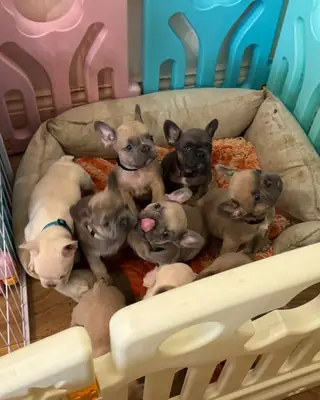
4 French Bulldog Puppies Available

Beautiful litter French Bulldog 7 puppies 4 girls and 3 boys

Beautiful litter of Chihuahua puppies, boy-girl, both raised in my home and under my care from birth

Beautiful litter of 6 Shih tzu puppies

Male/Female Breed: Yorkshire Terrier (Yorkie) – Ready for a Forever Home
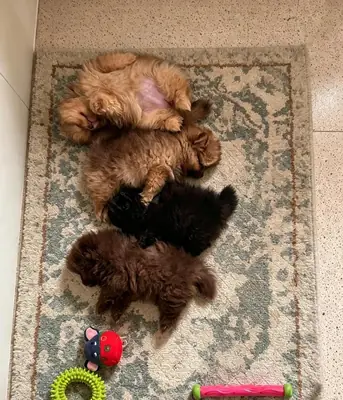
Pomeranias Puppies exceptional, health-tested parents – raised in our family home

Cute Poodles Puppies
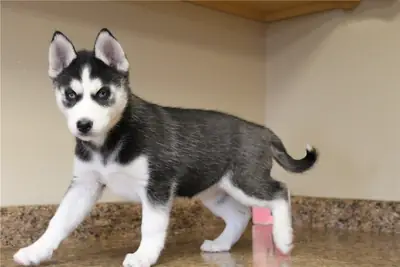
Gorgeous Siberian Husky Puppies – Loving Companions
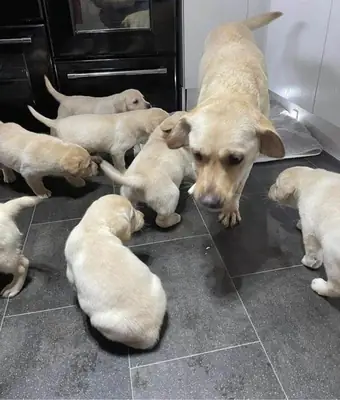
Yellow Labrador Retriever Puppies – 9 Weeks Old – Ready for Their Forever Homes

Chihuahua puppies available for rehoming
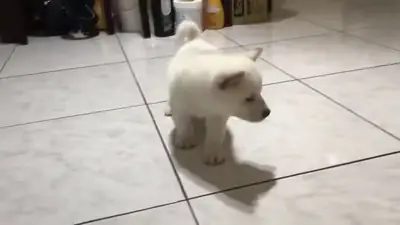
Japanese Shiba Inu puppies
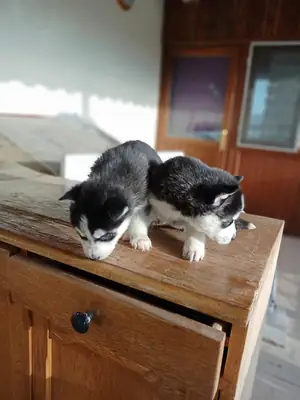
Gift male and female Siberian Husky puppies

Gift male and female Cavalier King Charles Spaniel puppies

Gift male and female Jack Russell Terrier puppies

Gift male and female Shiba Inu puppies

Gift male and female Cocker Spaniel puppies

Gift male and female Pug puppies
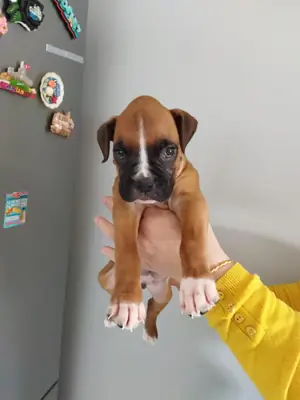
Gift male and female Boxer puppies

Gift male and female Shih Tzu puppies

Gift male and female Border Collie puppies

Gift male and female Yorkshire Terrier puppies

Gift male and female Rottweiler puppies

Gift male and female Akita puppies

Gift male and female Chihuahua puppies

Gift male and female Labrador Retriever puppies
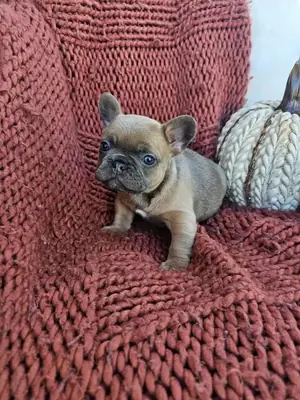
Gift male and female French Bulldog puppies

Gift male and female Beagle puppies

Gift male and female Dachshund puppies

Gift male and female Maltese puppies
Haven't found the pet you're looking for? Let people who want to find a new home for their pet reach out to you.
Create your free pet adoption request listing now and be seen by thousands of pet owners.
Other listings in your area
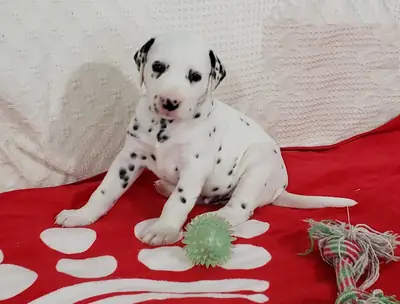
Cute Dalmatian Puppies

Gift male and female Golden Retriever puppies

Energetic husky looking for someone who loves long walks

Gift male and female Pomeranian puppies

Mastiff puppy up for adoption from the shelter
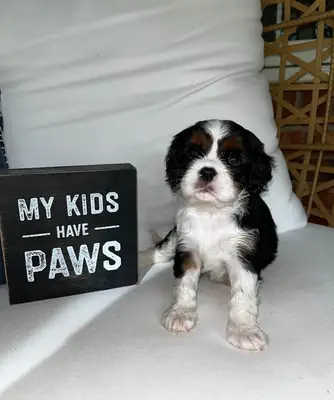
cavalier king charles spaniel for adoption
Popular Searches
London free dog adoption listings
London free dog adoption listings help people find dogs who need safe, committed homes without turning the search into a rushed transaction. A strong listing should show the dog’s age, size, breed or mix, temperament, current location, microchip status, health background, exercise needs and whether the dog can live with children, cats or other dogs.
On Petopic, people searching in London can compare adoption listings across areas such as Camden, Islington, Hackney, Greenwich, Wandsworth, Croydon, Ealing, Barnet, Brent, Lewisham, Tower Hamlets and nearby boroughs. The best adoption choice is not the dog with the cutest photo; it is the dog whose needs honestly match the adopter’s home, time, routine and long-term responsibility.
Adopt a dog in London
People who search for “adopt a dog in London” usually want more than a list of available dogs. They want to know which dog can realistically live in their home, handle their working hours, cope with city noise, manage stairs or lifts, and settle into a busy London routine. That means the listing needs to explain the dog’s real behaviour, not just describe the dog as friendly or cute.
A good London dog adoption listing should make the next step clear: whether the dog needs a quiet home, a secure garden, experienced owners, gradual introductions, shorter walks, active exercise, or someone who is home more often. Adoption works best when the dog is matched to the household before emotions take over.
Dog rehoming London
Dog rehoming in London often happens because of moving home, landlord restrictions, long working hours, family changes, illness, behavioural challenges or a dog needing more time than the current owner can provide. A rehoming listing should be direct about the reason, because hiding the truth creates failed adoptions and puts the dog through more stress.
For people looking to rehome a dog in London, the most useful listings explain the dog’s routine, training level, house manners, separation tolerance, lead behaviour, recall, reactions to traffic, and comfort around strangers. Rehoming is not about passing the dog on quickly; it is about finding a home where the dog will not need to be moved again.
Rescue dogs for adoption in London
Rescue dogs for adoption in London may come from shelters, foster homes, private rehoming situations or urgent care backgrounds. Some are confident and social; others need patience, structure and a quieter environment. The listing should help adopters understand the dog’s history, not romanticise the rescue story and ignore the practical work required.
People searching for a rescue dog in London often need clear answers before applying: can the dog live in a flat, does it need a garden, is it nervous on busy streets, can it travel by car, does it pull on the lead, can it be left alone, and how does it behave around children or other animals? Honest detail saves time and protects the dog.
Puppy adoption London
Puppy adoption in London attracts a lot of attention, but it also requires more preparation than many people admit. A puppy needs toilet training, socialisation, vaccination planning, safe chewing outlets, consistent routines and someone with enough time during the day. Choosing a puppy just because it is young is a weak decision if the household cannot handle the early months.
A strong puppy adoption listing should include approximate age, breed or expected size, health checks, microchip details where available, feeding routine, confidence level, early training progress and whether the puppy has been exposed to people, household sounds or other dogs. London homes can be busy and compact; the puppy’s needs must fit the reality of the home, not the adopter’s fantasy.
Small dog adoption London
Small dog adoption in London is popular because many people live in flats or smaller homes, but a small dog is not automatically an easy dog. Some small dogs bark more, struggle with being left alone, dislike busy pavements, need grooming, or have strong personalities that require consistent boundaries.
When looking for a small dog to adopt in London, users should focus on temperament, noise level, confidence outdoors, toilet training, grooming needs and separation tolerance. A small dog can be perfect for city life, but only when the listing explains how that dog actually behaves in a real home.
Family-friendly dogs for adoption in London
Family-friendly dog adoption searches usually come from households with children, regular visitors or a busy home routine. The important question is not whether the dog is “good with kids” in a vague way; the listing should explain the dog’s experience with children, tolerance for noise, play style, food guarding risk, touch sensitivity and need for calm space.
In London, many family homes also involve school runs, lifts, stairs, shared entrances and crowded parks. A suitable family dog should be assessed against those real situations. A trustworthy listing gives parents enough detail to decide safely before arranging a meeting.
Adopt an adult dog in London
Adult dog adoption in London can be a smart choice for people who want a clearer picture of a dog’s size, personality and routine. Unlike puppies, adult dogs often have more visible habits: how they walk on lead, how they settle indoors, whether they can be left alone, and what kind of exercise they need.
A good adult dog listing should not hide challenges. If the dog is nervous around traffic, reactive to other dogs, not used to cats, protective over food or anxious when alone, that information matters. The right adopter is not scared away by honest detail; the wrong adopter is filtered out by it.
Senior dog adoption London
Senior dog adoption in London is often overlooked, but older dogs can be excellent companions for people who want a calmer routine. A senior dog may prefer shorter walks, a quieter home, predictable care and a comfortable place to rest. The listing should explain mobility, medication, vet history, toilet habits and whether the dog can manage stairs.
Adopting an older dog is not a second-best option. It is a serious, compassionate choice for someone who understands comfort, patience and consistency. The right senior dog listing helps adopters see the dog’s real needs and the kind of peaceful home that would suit them best.
Dog adoption near me in London
“Dog adoption near me in London” usually means the user wants a dog they can realistically visit, meet and bring home without a complicated journey. Locality matters because meetings, home checks, follow-up conversations and gradual introductions are easier when the dog is not too far away.
People searching nearby should still avoid choosing only by distance. A dog in the same borough may be a poor match, while a dog slightly further away may fit the home perfectly. The smarter search combines location with lifestyle: flat or house, garden or no garden, working hours, children, other pets, exercise level and experience with dogs.
London dog adoption for flats
Dog adoption for flats in London needs more thought than simply choosing a smaller breed. Flat suitability depends on barking, toilet routine, lift or stair access, confidence in shared hallways, separation tolerance and how much outdoor exercise the dog needs. Some medium-sized dogs are calmer in flats than highly vocal small dogs.
A useful listing should mention whether the dog has lived in a flat before, how it reacts to neighbours, traffic noise, doorbells and being left alone. If the adopter rents, landlord permission should be handled before committing. A flat can be a good dog home, but only when the dog’s behaviour and the building setup actually fit.
Free dog rehoming listing in London
A free dog rehoming listing in London should never be treated like a quick giveaway. The person creating the listing needs to explain the dog’s real needs clearly: age, size, temperament, medical background, microchip status, neutering status, training, separation behaviour, lead walking and the type of home that would not work.
The goal is not to get the highest number of messages. The goal is to reach the right person. A listing that says “free dog, must go today” without detail is risky. A listing that explains the dog honestly attracts fewer but better enquiries, which is exactly what a responsible rehoming process needs.
Frequently Asked Questions
How do I adopt a dog in London safely?
Start by looking for listings that give real information about the dog, not just attractive photos. A safe adoption listing should include the dog’s age, size, temperament, health background, microchip status, behaviour around children or other animals, exercise needs and the kind of home the dog needs.
Before committing, ask direct questions about the dog’s history, daily routine, lead walking, separation tolerance, vet records and any known behaviour concerns. If the answers are vague or rushed, slow down. A good adoption process protects the dog first and makes sure the adopter is prepared for the responsibility.
Are free dog adoption listings in London really free?
Free dog adoption listings usually mean the listing can be viewed or the dog is being rehomed without a sale price, but adopting a dog is never cost-free in real life. Food, bedding, lead, harness, toys, grooming, insurance, vet care, vaccinations and ongoing health needs all cost money.
Some rehoming situations may also involve checks, paperwork or an adoption contribution depending on the organisation or individual process. The serious question is not “can I get a dog for free?” but “can I afford and care for this dog properly for years?”
What information should a London dog adoption listing include?
A strong London dog adoption listing should include the dog’s name, age, breed or mix, size, sex, location, microchip status, neutering status where known, health background, vaccination information, temperament and daily routine. It should also mention whether the dog can live with children, cats, other dogs or first-time owners.
The listing should be honest about problems as well as positives. Barking, separation anxiety, lead reactivity, fear of traffic, guarding behaviour, toilet training issues or medical needs should not be hidden. Honest detail prevents failed adoptions and helps the dog reach the right home.
Can I adopt a dog in London if I live in a flat?
Yes, but the dog must fit flat life. The important factors are not only size; barking, exercise needs, stair or lift access, toilet routine, confidence around neighbours and ability to settle indoors matter more than many people realise.
Before adopting, check whether the dog has lived in a flat before and whether your tenancy allows pets. A flat can be a good home for the right dog, but choosing a high-energy, vocal or anxious dog without a plan is a weak decision.
Is a puppy or adult dog better for adoption in London?
A puppy can be a good choice if you have time for toilet training, socialisation, routine building and early behaviour work. Puppies are not easier just because they are young. They need structure every day, and London life can be overwhelming if they are not introduced carefully.
An adult dog may be better if you want a clearer idea of temperament, size, exercise needs and home behaviour. The best choice depends on your schedule, experience, home setup and patience, not on age alone.
What should first-time adopters in London consider before adopting a dog?
First-time adopters should be brutally realistic about time, money, housing rules, exercise, training and daily routine. Wanting a dog is not enough. The dog needs walks, mental stimulation, vet care, consistent boundaries and a safe place to settle.
In London, adopters should also think about traffic noise, crowded parks, public transport, stairs, shared entrances and how long the dog will be left alone. A dog that looks perfect online may be completely wrong for your actual lifestyle.
Can I adopt a dog in London if I work full time?
You may be able to adopt a dog while working full time, but only if the dog’s needs are covered. Some dogs can gradually learn to be left for reasonable periods, while others struggle badly with separation and need someone around more often.
Before adopting, be clear about your working hours, commute, dog walker options, daycare plans, lunch breaks and support network. Pretending a dog will “just get used to it” is a bad plan. The listing should help you understand whether the dog can realistically cope with your routine.
What makes a dog family-friendly?
A family-friendly dog is not simply a dog described as nice. The dog should be comfortable with the age and behaviour of the children in the home, able to cope with noise and movement, and free from serious guarding or fear issues that would make family life unsafe.
Listings should explain whether the dog has lived with children before, how it reacts to handling, toys, food, visitors and busy rooms. Families should choose based on proven behaviour and realistic supervision, not on breed stereotypes or emotional photos.
Why is microchip information important when adopting a dog in London?
Microchip information matters because it helps identify the dog and connect the dog to the correct keeper records. When adopting, you should ask whether the dog is microchipped and how the ownership or keeper details will be updated after adoption.
This is not a small admin detail. If the dog gets lost and the microchip details are wrong, reunification becomes harder. A responsible adoption listing should treat microchip status as part of the dog’s basic information.
How do I avoid unsafe dog adoption listings?
Avoid listings that pressure you to decide immediately, refuse to answer basic questions, hide the dog’s background, use unclear photos, demand money before any proper conversation or claim the dog has no needs at all. Every real dog has needs, habits and limits.
Ask for clear information, recent photos, health details, microchip status, behaviour notes and the reason for rehoming. If the story keeps changing or the person avoids sensible checks, walk away. A safe adoption should feel transparent, not rushed.