Portsmouth Dog Adoption Listings
There are 3 Dog listings live right now, last updated 23 Jul 2026. Browse Portsmouth dog adoption li... There are 3 Dog listings live right now, last updated 23 Jul 2026. Browse Portsmouth dog adoption listings to find rescue dogs, rehomed dogs, puppies, adult dogs and senior dogs looking for responsibl... There are 3 Dog listings live right now, last updated 23 Jul 2026. Browse Portsmouth dog adoption listings to find rescue dogs, rehomed dogs, puppies, adult dogs and senior dogs looking for responsible homes across Portsmouth and nearby Hampshire areas. On Petopic, each listing can help you compare a dog’s age, size, breed or crossbreed, temperament, health history, microchip status, vaccinations, neutering, lead manners, toilet training, separation tolerance, adoption fee, rescue assessment, home requirements, compatibility with children, cats and other dogs, and location around Southsea, Fratton, Cosham, Hilsea, Portsea, North End, Milton, Havant, Gosport and Fareham, so you can adopt a dog in Portsmouth with real information instead of choosing only from a photo.
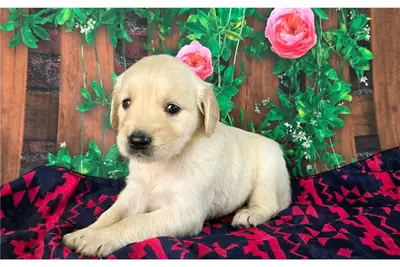
Gift male and female Golden Retriever puppies
2 Male and female Chihuahua Puppies
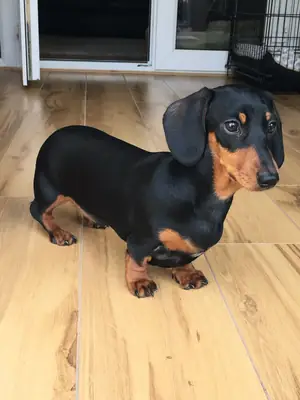
Dachshund for Adoption | Small and Loving
Haven't found the pet you're looking for? Let people who want to find a new home for their pet reach out to you.
Create your free pet adoption request listing now and be seen by thousands of pet owners.
Other listings in your area
2 Male and female Chihuahua Puppies
Gift male and female Golden Retriever puppies
Dachshund for Adoption | Small and Loving
Popular Searches
Dog adoption Portsmouth
Dog adoption in Portsmouth should help people find a dog that fits their home, not just a dog that looks appealing in a photo. A useful listing should show the dog’s age, size, breed or crossbreed, temperament, health background, microchip status, vaccinations, neutering, lead manners, toilet training and adoption requirements.
Portsmouth is a busy coastal city with flats, terraced homes, shared houses, family neighbourhoods and high-traffic walking routes. A dog that suits one home may struggle in another. Good adoption content should make it clear whether the dog can live in a flat, handle stairs or lifts, cope with road noise, walk calmly near other dogs and settle indoors after exercise.
Adopt a dog in Portsmouth
People searching to adopt a dog in Portsmouth usually want local options they can assess quickly. The strongest listings answer the practical questions first: where the dog is based, why the dog needs a new home, whether the dog has been assessed, what kind of household is needed and how the adoption process works.
A serious adopter wants to know if the dog can live with children, cats, existing dogs, older people, first-time owners or people who work part of the day. The listing should also explain any limits honestly, such as anxiety, reactivity, high prey drive, guarding, barking, medical needs or a need for an experienced owner.
Dogs for adoption in Portsmouth
Dogs for adoption in Portsmouth can include rescue dogs, privately rehomed dogs, young dogs, adult dogs, senior dogs and dogs coming from foster homes. The page should help users compare real suitability, not scroll through repeated generic adoption text.
Each dog’s listing should include behaviour around people, dogs and traffic, home alone tolerance, exercise needs, training level, health notes and adoption conditions. The better the information, the fewer unsuitable applications and the better the chance of a stable long-term placement.
Rescue dogs Portsmouth
Rescue dogs in Portsmouth may come with unknown histories, previous neglect, owner surrender, stray backgrounds or changes in family circumstances. That does not make them bad dogs; it means the listing has to be clear and honest about what is known and what still needs careful management.
A rescue dog profile should explain whether the dog is in kennels, foster care or a home environment, how it behaves on walks, how it reacts to strangers, whether it has been vet checked, whether it is microchipped and what kind of adopter would suit it best. Rescue adoption works best when emotion is backed by facts.
Dog rehoming Portsmouth
Dog rehoming in Portsmouth often happens because of housing changes, work schedules, illness, family changes, behaviour issues or financial pressure. A rehoming listing should not hide the reason. The reason matters because it helps the next home understand what the dog has experienced.
The listing should include what the dog is like at home, how long it can be left, whether it is toilet trained, whether it barks, how it walks on lead, whether it has lived with children or pets and what support it needs during transition. A vague “lovely dog needs home” is not enough.
Free dog rehoming Portsmouth
Free dog rehoming in Portsmouth attracts high-intent searches, but “free” must never mean careless. Even if there is no purchase price, the adopter still needs to afford food, insurance, vet care, vaccinations, flea and worm treatment, equipment, training and emergency costs.
A free rehoming listing should still include microchip details, health history, neutering status, behaviour, reason for rehoming and adopter requirements. If the listing only says “free to good home”, it is too weak and may attract people who have not thought through the long-term responsibility.
Puppies for adoption Portsmouth
Puppies for adoption in Portsmouth get attention quickly, but puppy adoption is not the easy route. A puppy needs toilet training, socialisation, bite inhibition, sleep routines, vet appointments, microchip checks, vaccinations and constant supervision in the early months.
A puppy listing should include age, expected adult size, breed or crossbreed, health checks, vaccination stage, worming, food routine, early socialisation and what kind of home is ready for a young dog. Cute photos are not enough. A weak puppy listing creates impulsive applications and failed placements.
Adult dog adoption Portsmouth
Adult dog adoption in Portsmouth can be a stronger match than a puppy for many homes. Adult dogs often have clearer size, temperament, exercise needs, house habits and social behaviour, which makes it easier to judge whether they fit a specific household.
The listing should explain whether the dog is calm indoors, clean in the house, happy on lead, reactive to dogs, safe around children, comfortable with visitors and able to be left alone. Adult dogs are not second-best; they are often the most realistic adoption choice when the information is honest.
Senior dog adoption Portsmouth
Senior dog adoption in Portsmouth is ideal for some homes, especially people who want a steadier companion rather than a high-energy young dog. But senior dogs need clear health information, honest mobility notes and realistic expectations.
A senior dog listing should mention arthritis, dental health, eyesight, hearing, medication, insurance considerations, walking distance, stairs, toileting and how the dog copes with being left. Older dogs can bring deep companionship, but the adopter needs to understand the care commitment from the start.
Small dog adoption Portsmouth
Small dog adoption in Portsmouth is often linked to flat living, first-time ownership or homes without large gardens. But small dogs are not automatically easier. Some bark heavily, struggle with separation, dislike handling or need more training than expected.
The listing should explain whether the dog can live in a flat, how noisy it is, whether it can be left alone, whether it is fragile around children, how much exercise it needs and how it behaves around larger dogs. “Small” is a size, not a full suitability check.
Large dog adoption Portsmouth
Large dog adoption in Portsmouth needs serious detail because space, strength, training and control matter. A large dog may be gentle, but the adopter still needs to manage lead walking, visitors, transport, stairs, vet visits and busy urban routes.
The listing should mention weight, strength on lead, training level, prey drive, reactivity, child compatibility, dog compatibility and whether the dog needs a house, garden or experienced handler. Large dogs should never be placed through vague “friendly giant” descriptions alone.
Dog adoption near Southsea
Dog adoption near Southsea has a specific local angle: busy streets, seafront walks, flats, shared buildings, visitors, cyclists, other dogs and seasonal crowds. A dog that is overwhelmed by noise or reactive on lead may need careful management in this environment.
A useful listing should say whether the dog is comfortable around traffic, crowds, other dogs, cafés, seafront paths and people approaching. For Southsea homes, calm indoor behaviour and reliable lead manners can matter more than breed popularity.
Dog adoption near Cosham
Dog adoption near Cosham may suit families, commuters, homes with gardens or adopters looking north of central Portsmouth. Listings should still avoid lazy location-only text and explain the dog’s real daily needs.
The strongest profiles mention whether the dog is used to car travel, suburban walks, children, school-run noise, other dogs and time alone. Location helps users find nearby dogs, but behaviour decides whether the match lasts.
Dog adoption near Havant
Dog adoption near Havant expands the search beyond Portsmouth while staying practical for visits, home checks and gradual introductions. Users searching this area often want local dogs without travelling across the country.
A good listing should still include health, microchip, temperament, exercise, lead manners, home requirements and adoption process. Being close to Havant is useful, but it does not replace proper assessment or honest rehoming information.
Dog adoption near Fareham
Dog adoption near Fareham is relevant for people between Portsmouth and wider Hampshire who want a dog close enough for meetings and introductions. The listing should make clear where the dog is based and whether visits or meet-and-greets are possible.
Distance is only one part of adoption. The adopter still needs to check whether the dog can live with their household, schedule, garden, children, cats or existing dogs. A nearby dog with poor information is still a risky match.
Dog adoption Hampshire
Dog adoption in Hampshire gives Portsmouth users a wider pool of rescue and rehoming options across nearby towns. This helps when the right dog is not available inside Portsmouth itself.
The page should support searches from Portsmouth, Havant, Gosport, Fareham, Waterlooville, Petersfield, Southampton and nearby areas, while still keeping each listing specific. Regional reach is useful only if the dog’s actual needs, behaviour and adoption conditions are clearly explained.
Adopt a dog with children Portsmouth
Adopting a dog with children in Portsmouth requires facts, not vague “good with kids” claims. The listing should say whether the dog has lived with children, what ages it has met, how it reacts to noise, toys, food nearby, sudden movement and visitors.
Some dogs suit younger children, some suit teenagers only and some need adult-only homes. That is not a flaw; it is placement accuracy. A responsible listing should make the safest home type obvious before anyone applies.
Adopt a dog with cats Portsmouth
Adopting a dog with cats in Portsmouth depends on real experience, not hope. The listing should state whether the dog has lived with cats, ignored them, chased them, guarded space from them or simply has no tested history.
Even a dog that has lived with cats before needs careful introductions in a new home. Separate spaces, scent swapping, short controlled meetings and escape routes for the cat matter. A strong listing does not promise instant harmony; it gives the adopter enough detail to plan safely.
Adopt a dog with another dog Portsmouth
Adopting a dog when you already have another dog requires careful matching. The listing should explain whether the dog is social, selective, reactive, playful, nervous, pushy, calm or better as the only dog in the home.
Good adoption practice includes controlled introductions, neutral meeting spaces and honest discussion about resource guarding, play style and walking behaviour. “Good with dogs” is too broad. A useful listing explains what kind of dog match is realistic.
Microchipped dog adoption Portsmouth
Microchipped dog adoption in Portsmouth is an important trust signal because dogs in England must be microchipped once they are old enough. A listing should state whether the dog is microchipped and whether the keeper details can be updated during adoption.
The adopter should not leave this vague. Microchip details, health records and transfer paperwork help protect the dog if it ever goes missing. A listing that avoids identification details is weaker than one that explains the handover clearly.
Publish a dog adoption listing in Portsmouth
To publish a dog adoption listing in Portsmouth, include the dog’s age, size, breed or crossbreed, location, reason for rehoming, health history, microchip status, vaccinations, neutering, temperament, training, lead manners, toilet habits, home alone tolerance and ideal adopter.
Do not hide difficult information. If the dog is reactive, anxious, not cat safe, not suitable for young children, high energy, noisy, destructive when left or needs an experienced handler, write it clearly. Honest listings reduce failed adoptions and protect the dog.
Frequently Asked Questions
How do I adopt a dog in Portsmouth?
To adopt a dog in Portsmouth, start by comparing local listings with clear information about the dog’s age, size, breed or crossbreed, health, microchip status, temperament, training, exercise needs and home requirements.
Before applying, check whether the dog suits your housing, work schedule, family members, children, cats, existing dogs and daily walking routine. A good adoption match is based on long-term fit, not just liking the photo.
What should a Portsmouth dog adoption listing include?
A strong listing should include age, sex, size, breed or crossbreed, location, reason for rehoming, health history, microchip status, vaccinations, neutering, temperament, lead manners, toilet training, home alone tolerance and adoption requirements.
It should also state whether the dog can live with children, cats or other dogs. If there are behaviour concerns, medical needs or experience requirements, they should be written clearly.
Are adopted dogs in Portsmouth usually microchipped?
Dogs in England must be microchipped once they are over the required age, so adopters should always ask whether the dog is microchipped and how keeper details will be updated after adoption.
Microchip details are not just paperwork. They help identify the dog if it is lost and make the handover clearer between the previous keeper, rescue or adopter.
Is a rescue dog suitable for a first-time owner?
A rescue dog can suit a first-time owner if the dog has a stable temperament, clear assessment, manageable exercise needs and no serious behaviour issues that require advanced handling.
First-time owners should avoid choosing only by breed or looks. They should look for clear notes on training, lead walking, social behaviour, home alone tolerance and support needed during settling in.
Can I adopt a dog in Portsmouth if I live in a flat?
Yes, but the dog must be suitable for flat living. Look for information about barking, separation tolerance, toilet training, exercise needs, stairs or lifts, road noise and how the dog behaves indoors.
Size alone is not enough. Some small dogs are noisy or anxious, while some medium dogs are calm and settled. The listing should explain the dog’s actual behaviour, not just its size.
Can I adopt a dog if I have children?
You can adopt a dog if you have children, but you need a dog with proven suitability for your children’s age and home environment. Ask whether the dog has lived with children and how it reacts to noise, toys, food, handling and visitors.
Some dogs are suitable for older children only, and some need adult-only homes. A responsible listing should state this clearly instead of using vague “family dog” wording.
Can I adopt a dog if I already have a cat?
Yes, but only if the dog has been assessed as cat-compatible or the listing clearly explains the dog’s history around cats. Ask whether the dog has lived with cats, chased them, ignored them or has no known cat experience.
Even with a cat-friendly dog, introductions should be slow and controlled. Separate spaces, scent swapping and supervised meetings reduce the risk of a bad start.
Should I adopt a puppy or an adult dog?
A puppy may suit someone with time for training, socialisation, toilet routines and constant supervision. Puppies need patience, structure and regular vet care in the early months.
An adult dog may be easier to assess because its size, temperament, exercise needs and home habits are clearer. For many Portsmouth homes, a well-described adult dog is a more realistic match than a young puppy.
What adoption red flags should I avoid?
Avoid listings that hide the reason for rehoming, lack health information, avoid microchip details, refuse questions, use unclear photos, rush the adopter or claim the dog is perfect for every home.
Also be careful if behaviour issues are minimised. Reactivity, anxiety, guarding, biting history, escape behaviour or severe separation problems should be stated honestly before adoption.
How do I publish a dog adoption listing in Portsmouth?
Write the dog’s age, size, breed or crossbreed, location, reason for rehoming, health notes, microchip status, vaccinations, neutering, temperament, training, toilet habits, walking behaviour and ideal home.
Be direct about limits. If the dog cannot live with cats, needs older children, dislikes other dogs, barks, pulls, guards food, destroys when left or needs an experienced owner, say it clearly. Honest listings create better adoption outcomes.