Free Adoption of British Shorthair Cats in Wakefield
There are 2 British Shorthair listings live right now, last updated 2 weeks ago. Find free British S... There are 2 British Shorthair listings live right now, last updated 2 weeks ago. Find free British Shorthair cat adoption listings in Wakefield for people who want a calm, sturdy and affectionate comp... There are 2 British Shorthair listings live right now, last updated 2 weeks ago. Find free British Shorthair cat adoption listings in Wakefield for people who want a calm, sturdy and affectionate companion cat with a plush short coat and a steady indoor-friendly temperament. British Shorthair cats are usually gentle, rounded and independent rather than clingy lap cats, so adopters should check age, microchip transfer, neutering or spaying status, vaccination and flea treatment history, litter training, indoor or outdoor routine, weight, diet, appetite, HCM or heart history, breathing, dental health, eye discharge, coat condition, shedding, grooming tolerance, claw care, scratching habits, play level, hiding or stress triggers, behaviour with children, other cats and calm dogs, carrier confidence, vet records, insurance notes, rehoming reason and safe collection across Wakefield, Outwood, Stanley, Horbury, Ossett, Sandal, Lupset, Alverthorpe, Normanton, Castleford, Pontefract, Dewsbury, Leeds, Barnsley and wider West Yorkshire.
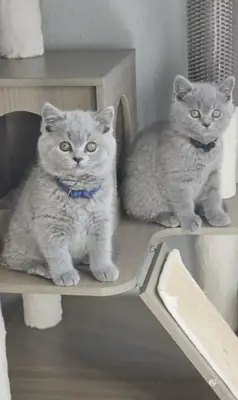
Lovely British Shorthair Kittens Seeking Caring Families
Calm British Shorthair cat that enjoys quiet evenings looking for a family
Haven't found the pet you're looking for? Let people who want to find a new home for their pet reach out to you.
Create your free pet adoption request listing now and be seen by thousands of pet owners.
Other listings in your area
Stunning Sphynx Kitten
Cornish Rex kittens
munchkin kitten
Maine Coon kittens
stunning Scottish Fold kitten
Lovely British Shorthair Kittens Seeking Caring Families
Popular Searches
Free British Shorthair cat adoption Wakefield
Free British Shorthair cat adoption in Wakefield should be treated as a serious rehoming decision, not simply a chance to get a popular pedigree-looking cat without a purchase price. British Shorthairs are calm, solid, plush-coated cats, but they still need proper weight control, health records, litter routine and a home that respects their independent nature.
A strong listing on Petopic should make the adopter confident about microchip transfer, neutering, vaccination history, flea treatment, indoor routine, diet, weight, heart health, litter habits, temperament with children and pets, and the real reason the cat is being rehomed.
British Shorthair free adoption Wakefield
British Shorthair free adoption Wakefield searches often come from people who love the breed’s round face, thick coat and calm reputation. The weak move is assuming free means simple. A British Shorthair may arrive with weight issues, dental needs, stress from rehoming, heart history or a routine that does not match your home.
Before adopting, check whether the cat is genuinely free to rehome, whether ownership is clear, whether the microchip can be transferred and whether the health information is specific rather than vague.
British Shorthair rehoming Wakefield
British Shorthair rehoming in Wakefield needs a clear reason. Moving home, owner illness or allergy is very different from rehoming because of spraying, litter tray refusal, fighting with other cats, hiding, overfeeding, vet costs or stress in a busy house.
Ask how the cat behaves on a normal day: where it sleeps, how much it eats, whether it plays, whether it enjoys people nearby, whether it dislikes being picked up and whether it has ever shown aggression around food, grooming or other pets.
British Shorthair rescue Wakefield
British Shorthair rescue Wakefield searches usually come from adopters who want a safer route than a rushed private handover. That is sensible because this breed’s calm appearance can hide obesity, dental pain, stress, heart concerns or poor socialisation.
Look for clear notes about age, temperament, microchip, neutering, indoor habits, diet, weight, litter tray history, vet checks, other pets and whether the cat needs a quiet home rather than a loud, unpredictable household.
British Shorthair cats for adoption Wakefield
British Shorthair cats for adoption in Wakefield attract people who want a steady, attractive house cat without the chaos of a highly demanding breed. The right match depends on whether the cat likes a calm room, predictable feeding, soft handling and personal space.
Adopters should focus on health and lifestyle fit: weight, heart history, litter tray habits, grooming, scratching, indoor safety, child tolerance, cat compatibility and whether the British Shorthair is affectionate in its own reserved way.
Adult British Shorthair adoption Wakefield
Adult British Shorthair adoption in Wakefield can be a strong choice because the cat’s size, coat, temperament, eating habits and confidence are already visible. With this breed, adult personality tells you more than a cute kitten photo ever will.
Ask about weight, vet records, heart checks, dental work, litter tray reliability, scratching, hiding, appetite, grooming tolerance and whether the cat has lived with children, cats or dogs before.
Senior British Shorthair adoption Wakefield
Senior British Shorthair adoption in Wakefield suits people who want a quieter companion, but older cats need honest health information. Teeth, weight, heart, kidneys, claws, joints and litter tray changes matter more than the breed label.
Ask about recent blood tests, heart murmurs, medication, dental work, appetite, drinking, mobility, stairs, grooming, nail trimming and whether the cat needs a peaceful home without constant disturbance.
British Shorthair kitten free adoption Wakefield
British Shorthair kitten free adoption in Wakefield needs heavy caution because genuine free pedigree-style kittens are uncommon. Scams, poor breeding, early separation and missing health records are all realistic risks.
Ask for age, microchip details, vaccination record, vet check, parent information where relevant, litter training, diet, socialisation, current video and a clear reason why the kitten is being offered for free.
Blue British Shorthair adoption Wakefield
Blue British Shorthair adoption in Wakefield is one of the strongest colour-led searches because many people recognise the grey-blue coat and orange eyes first. Colour is not the quality signal. Health, weight, temperament and paperwork are.
Ask for natural-light photos, current video, microchip transfer, vet notes, coat condition, eye clarity, body condition and whether the cat is relaxed in a normal home setting.
Grey British Shorthair adoption Wakefield
Grey British Shorthair adoption Wakefield is how many UK users search for the blue coat without using breed terminology correctly. The page needs to catch that natural search habit while still describing the cat accurately.
Do not choose only by coat colour. Check age, neutering, microchip, diet, weight, litter habits, grooming, dental health, heart history and whether the cat is confident or nervous around people.
Lilac British Shorthair adoption Wakefield
Lilac British Shorthair adoption in Wakefield attracts people looking for a softer, rarer-looking coat shade. Rare colour language can make adopters rush, which is exactly where mistakes happen.
Ask whether the colour claim is backed by clear photos and records, but prioritise health, body condition, microchip transfer, vet notes, temperament and rehoming reason over shade names.
Golden British Shorthair adoption Wakefield
Golden British Shorthair adoption Wakefield searches are driven by appearance, but golden colouring should not distract from core adoption checks. Some listings overuse colour terms to make a cat seem more special than the records prove.
Ask for current photos, eye clarity, coat condition, microchip proof, neutering status, vet history, weight, diet and whether the cat is comfortable with handling and daily home noise.
Silver British Shorthair adoption Wakefield
Silver British Shorthair adoption in Wakefield can pull in users searching by coat pattern rather than adoption need. The best listing still gives practical detail: indoor routine, feeding, litter tray, weight, grooming and vet checks.
Ask whether the cat sheds heavily, tolerates brushing, has clean eyes, has any skin or coat issues and whether the seller can show current video rather than old kitten photos.
British Shorthair indoor cat adoption Wakefield
British Shorthair indoor cat adoption in Wakefield is a strong match for many homes because the breed often suits calm indoor living. The home still needs scratching posts, play, weight control and safe windows.
Ask whether the cat has always lived indoors, whether it tries to escape, whether it uses windowsills safely, whether it becomes bored and whether it has enough enrichment without overfeeding.
British Shorthair house cat Wakefield
British Shorthair house cat Wakefield searches usually come from people wanting a low-drama indoor companion. The breed can fit that role well, but it is not a stuffed toy and should not be treated like one.
These cats often enjoy being near people without being carried constantly. A good home gives them calm attention, predictable routine, proper diet and places to retreat.
British Shorthair for flat Wakefield
British Shorthair for flat Wakefield can work if the cat is already indoor-adjusted and the flat is safe, enriched and not overcrowded. Small living space becomes a problem when the cat has nothing to do except sleep and eat.
Ask about activity level, scratching habits, window safety, litter tray placement, hiding spaces, play routine and whether the cat has ever lived in a flat before.
British Shorthair lap cat Wakefield
British Shorthair lap cat searches need realism. Many British Shorthairs are affectionate, but plenty prefer sitting beside people rather than being held or placed on laps.
Ask whether the cat enjoys being picked up, sits next to people, follows owners around, accepts brushing and seeks attention on its own terms. Forcing constant cuddles is how you ruin trust with this breed.
Calm British Shorthair adoption Wakefield
Calm British Shorthair adoption Wakefield is a high-converting intent because buyers and adopters associate the breed with a steady temperament. Calm should not mean inactive, overweight, withdrawn or unwell.
Ask whether the cat plays, explores, eats normally, uses the tray reliably and responds to people. A cat that never moves or hides all day may need health or stress checks.
British Shorthair good with children Wakefield
British Shorthair good with children Wakefield should be based on actual history. This breed can be patient and steady, but children still need to respect the cat’s space, weight, body and dislike of being grabbed.
Ask what ages the cat has lived with, whether it hides from noise, whether it scratches when picked up and whether children can handle a cat that wants calm contact rather than constant carrying.
Family British Shorthair adoption Wakefield
Family British Shorthair adoption in Wakefield can be a strong match when the home is calm, predictable and respectful. The breed is often steady, but it still needs safe hiding spaces and gentle handling.
Ask whether the cat enjoys family rooms, tolerates visitors, reacts to loud children, guards food, scratches furniture or prefers one quiet adult over a busy household.
British Shorthair with other cats Wakefield
British Shorthair with other cats in Wakefield homes depends on personality and introductions. Some British Shorthairs accept another calm cat; others prefer being the only cat with their own space.
Ask whether the cat has lived with cats, whether it shares food areas, whether it hides or fights, whether it sprays and whether slow introductions were used successfully before.
British Shorthair with dogs Wakefield
British Shorthair with dogs Wakefield can work with calm, cat-aware dogs, but not with dogs that chase, bark, corner or overwhelm cats. The British Shorthair’s calm nature does not mean it will tolerate pressure.
Ask whether the cat has lived with dogs, whether it hides, hisses, refuses food or overgrooms around them, and whether your home can create safe separation during settling.
British Shorthair litter trained Wakefield
British Shorthair litter trained Wakefield searches matter because litter issues are one of the biggest adoption deal-breakers. A cat may be reliable in one home but have accidents after stress, illness or a litter change.
Ask what litter is used, whether the cat prefers covered or open trays, whether accidents have happened, whether urinary problems were checked and whether the cat needs more than one tray.
Neutered British Shorthair adoption Wakefield
Neutered British Shorthair adoption in Wakefield should include proof, not assumptions. Neutering or spaying status affects spraying, roaming, calling, behaviour and future health planning.
Ask for vet confirmation, surgery date if known, any complications and whether the cat still sprays, yowls, roams, fights or shows hormone-linked behaviour.
Microchipped British Shorthair adoption Wakefield
Microchipped British Shorthair adoption in Wakefield should include a proper keeper transfer. A chip with old contact details creates problems if the cat escapes, is stolen or is taken to a vet.
Ask for the microchip number, database transfer process, current keeper details and confirmation that the chip matches the cat being adopted.
Vaccinated British Shorthair adoption Wakefield
Vaccinated British Shorthair adoption Wakefield listings should show real dates. “Fully vaccinated” is weak if the current keeper cannot say what was given and when the booster is due.
Ask for vaccination records, flea and worming history, indoor or outdoor status, recent illness, vet notes and whether the cat has ever had respiratory symptoms or appetite loss.
British Shorthair HCM adoption Wakefield
British Shorthair HCM adoption Wakefield is a serious health intent because hypertrophic cardiomyopathy affects the heart muscle and can change long-term care, vet monitoring and insurance expectations.
Ask whether the cat has had a heart murmur, scan, breathing difficulty, fainting, weakness, medication or any family history of heart disease. Do not accept “never heard of it” as a proper health answer.
British Shorthair heart murmur Wakefield
British Shorthair heart murmur Wakefield searches come from adopters who know the breed can have cardiac concerns. A murmur does not automatically mean the cat is unsuitable, but it must be understood before adoption.
Ask when the murmur was found, whether a scan was done, whether medication is needed, whether the cat has symptoms and whether insurance excludes heart-related care.
Overweight British Shorthair adoption Wakefield
Overweight British Shorthair adoption in Wakefield needs direct planning because this breed’s chunky look can hide unhealthy weight. “Big and cuddly” is not a health plan.
Ask current weight, target weight, food amount, treat habits, activity level, vet advice and whether the cat can lose weight gradually without stress or hunger-driven behaviour problems.
British Shorthair weight control Wakefield
British Shorthair weight control is not optional. Their solid build makes it easy for owners to normalise extra weight, especially in indoor cats with low activity.
Ask what food the cat eats, whether meals are measured, whether treats are frequent, whether the cat begs or steals food and whether a vet has assessed body condition.
British Shorthair diet Wakefield
British Shorthair diet Wakefield searches are often tied to obesity, coat quality and indoor lifestyle. A steady feeding routine matters more than letting the cat graze endlessly.
Ask whether the cat eats wet food, dry food or both, how portions are measured, whether it has allergies, hairballs, vomiting, constipation, food guarding or sudden appetite changes.
British Shorthair grooming Wakefield
British Shorthair grooming in Wakefield is easier than long-haired breed grooming, but the dense plush coat still needs brushing, especially during shedding periods.
Ask whether the cat accepts brushing, whether mats or dandruff occur, whether the coat feels greasy, whether nail trims are tolerated and whether shedding is heavier at certain times of year.
British Shorthair shedding Wakefield
British Shorthair shedding Wakefield searches come from adopters who think short-haired means no hair. Wrong. The coat is short but dense, and loose hair can still build up around the home.
Ask how often the cat is brushed, whether it tolerates grooming, whether hairballs are common and whether shedding increases when the cat is stressed or seasonally changing coat.
British Shorthair dental problems Wakefield
British Shorthair dental problems should be checked before adoption, especially in adult and senior cats. Bad breath, drooling, slow eating, dropped food or red gums can point to pain.
Ask whether the cat has had dental cleaning, extractions, gum disease, mouth pain, appetite changes or a recent vet mouth check.
British Shorthair eye discharge Wakefield
British Shorthair eye discharge Wakefield searches should not be ignored. Mild occasional tearing is different from redness, squinting, sticky discharge or repeated infection.
Ask whether the eyes need cleaning, whether discharge is clear or coloured, whether the cat rubs its face and whether a vet has checked the eyes.
British Shorthair scratching furniture Wakefield
British Shorthair scratching furniture in Wakefield homes usually comes down to routine, stress, boredom or lack of proper scratchers. A calm breed still needs normal cat outlets.
Ask whether the cat uses scratching posts, cardboard scratchers or carpets, whether it scratches sofas, whether nail trims are possible and whether scratching increased after stress or a move.
British Shorthair adoption Outwood Stanley Wakefield
British Shorthair adoption around Outwood and Stanley gives Wakefield adopters a local route where meeting the cat, checking the home environment and confirming records is easier.
Use the local advantage: see the cat move, watch breathing, check coat and body condition, review vet records, confirm microchip transfer and understand the rehoming reason before collection.
British Shorthair adoption Horbury Ossett Wakefield
British Shorthair adoption around Horbury and Ossett can help adopters find a suitable cat close enough for a calm handover. Shorter travel is useful for cats that stress in carriers.
Ask about carrier behaviour, car travel, hiding after moves, litter tray routine, diet transition and whether the cat needs a quiet room for the first few days.
British Shorthair adoption Castleford Pontefract West Yorkshire
British Shorthair adoption around Castleford, Pontefract and wider West Yorkshire widens the Wakefield search without making collection unrealistic. The mistake is travelling too far for a cat with weak proof.
Ask for current video, exact location, ownership proof, microchip details, vet records, neutering status and a clear reason for rehoming before arranging collection.
Private British Shorthair rehoming Wakefield
Private British Shorthair rehoming in Wakefield can be genuine, but private owners may understate difficult details. A calm-looking cat in a photo can still have litter problems, stress, weight issues or health costs.
Ask directly about spraying, litter accidents, hiding, biting, scratching, other pets, children, food obsession, weight, heart checks, dental work, medication and why the current home can no longer keep the cat.
Free to good home British Shorthair Wakefield
Free to good home British Shorthair Wakefield can be real, but it should slow you down rather than make you rush. A desirable cat being offered for free needs a clear reason and proper proof.
Ask for current video, proof of ownership, microchip transfer, vet records, neutering proof, health notes, behaviour details and a safe handover plan before taking the cat.
British Shorthair adoption scams Wakefield
British Shorthair adoption scams in Wakefield can use stolen photos, fake urgent stories, courier-only offers, vague West Yorkshire locations, missing microchip details and pressure for a holding fee.
Ask for current personalised video, proof of ownership, microchip details, vet records, safe viewing or collection and a clear rehoming reason. If the proof is weak, walk away.
Frequently Asked Questions
What should I check before adopting a British Shorthair cat in Wakefield?
Check microchip transfer, neutering or spaying status, vaccination and flea treatment history, litter training, indoor or outdoor routine, weight, diet, HCM or heart history, dental health, coat condition, grooming tolerance, claw care, scratching habits, behaviour with children and pets, vet records and the reason for rehoming.
A British Shorthair is a calm, sturdy short-haired cat, so adoption should focus on health, temperament and daily routine rather than the round face and plush coat alone.
Can I adopt a British Shorthair cat for free in Wakefield?
Yes, free British Shorthair adoption can happen when an owner needs to rehome a cat, but the adopter should still expect proper records and honest information.
Ask for microchip details, vet records, neutering proof, vaccination history, health notes and a clear reason for rehoming before agreeing.
Are British Shorthair cats good pets?
British Shorthair cats can be excellent pets for calm homes because they are usually steady, affectionate and independent.
They still need weight control, enrichment, litter tray care, grooming, vet checks and a home that respects their personal space.
Are British Shorthairs good for first time cat owners?
British Shorthairs can suit first time cat owners who want a calm cat and are ready to manage diet, weight, litter routine, grooming and health checks.
They are not maintenance-free, and their sturdy look can make unhealthy weight easy to miss.
Are British Shorthairs lap cats?
Some British Shorthairs enjoy lap time, but many prefer sitting near people rather than being picked up or held for long.
Ask whether the cat enjoys being carried, brushed, stroked and handled before expecting a cuddly lap cat.
Are British Shorthairs affectionate?
British Shorthairs can be affectionate in a calm, reserved way. Many like company without demanding constant attention.
The right home should allow the cat to approach on its own terms rather than forcing handling.
Are British Shorthairs good indoor cats?
British Shorthairs can suit indoor life when they have enrichment, scratching posts, play, safe windows, clean litter trays and controlled feeding.
Indoor cats still need activity and weight management, not just food and a quiet corner.
Can a British Shorthair live in a flat?
A British Shorthair can live in a flat if the cat is indoor-adjusted and the flat has safe windows, scratching posts, hiding spaces, play areas and clean litter trays.
Ask whether the cat has lived in a flat before and whether it tries to escape outside.
Are British Shorthairs good with children?
British Shorthairs can be good with children when children are calm and respectful.
Ask whether the cat has lived with children, whether it hides from noise, whether it dislikes being picked up and whether it has ever scratched or bitten during handling.
Are British Shorthairs good family cats?
British Shorthairs can be good family cats in homes that are steady, predictable and respectful of the cat’s space.
A busy home with constant grabbing, noise or forced cuddling may not suit every British Shorthair.
Can British Shorthairs live with other cats?
British Shorthairs can live with other cats when introductions are slow and personalities match.
Ask whether the cat has lived with cats before, whether it fights, hides, sprays, guards food or prefers being the only cat.
Can British Shorthairs live with dogs?
British Shorthairs can live with calm, cat-safe dogs if introductions are controlled and the cat has escape spaces.
Ask whether the cat has lived with dogs and whether it hides, hisses, refuses food or becomes stressed around them.
Are British Shorthairs good with small pets?
British Shorthairs are still cats and may have prey drive around small pets such as rabbits, hamsters, guinea pigs or birds.
Small pets should be kept securely separated even if the cat seems calm.
Are British Shorthairs usually litter trained?
Many British Shorthairs are litter trained, but stress, illness, tray location, litter changes or urinary problems can cause accidents.
Ask what tray and litter the cat uses and whether accidents have happened before.
What litter tray does a British Shorthair need?
A British Shorthair may need a roomy litter tray because the breed is sturdy and rounded.
Ask whether the cat prefers covered or open trays, what litter it uses and whether it needs more than one tray in the home.
Do British Shorthairs need grooming?
British Shorthairs have short coats, but the coat is dense and still benefits from regular brushing.
Ask whether the cat accepts brushing, whether shedding is heavy and whether hairballs or dandruff are common.
Do British Shorthairs shed a lot?
British Shorthairs can shed despite having short hair because their coat is thick and plush.
Regular brushing helps manage loose hair and reduces coat buildup around the home.
Are British Shorthairs hypoallergenic?
No cat is guaranteed allergy-free for everyone.
British Shorthairs can still trigger allergies, so allergy-sensitive adopters should spend time around similar cats before adopting.
Do British Shorthairs gain weight easily?
British Shorthairs can gain weight if meals are not measured and activity is low.
Ask current weight, body condition, food amount, treat habits and whether a vet has discussed weight control.
What should a British Shorthair eat?
A British Shorthair should eat a balanced cat diet suitable for age, weight, health and activity level.
Ask what food the cat currently eats, how much, how often and whether diet changes cause vomiting, diarrhoea or refusal to eat.
How do I manage British Shorthair weight?
Manage weight with measured meals, controlled treats, play, climbing opportunities and regular body condition checks.
Weight loss should be gradual and discussed with a vet if the cat is already overweight.
Can British Shorthairs have heart problems?
British Shorthairs can be associated with heart concerns such as hypertrophic cardiomyopathy.
Ask whether the cat has had a heart murmur, scan, medication, breathing difficulty, weakness or any known family history of heart disease.
What is HCM in British Shorthairs?
HCM means hypertrophic cardiomyopathy, a heart condition where the heart muscle becomes thickened.
Before adopting a British Shorthair, ask whether any heart checks, scans or murmur findings are recorded.
What are heart problem signs in a British Shorthair?
Possible warning signs include fast breathing, breathing effort, fainting, weakness, reduced activity, poor appetite or sudden collapse.
Any suspected heart concern should be checked by a vet quickly.
Do British Shorthairs have dental problems?
British Shorthairs can develop dental issues such as gum disease, bad breath, painful teeth or difficulty eating.
Ask whether the cat has had dental cleaning, extractions, mouth pain, drooling or a recent vet mouth check.
Do British Shorthairs get eye discharge?
Some cats can have eye discharge, but redness, squinting, sticky discharge or repeated eye irritation should be checked.
Ask whether the cat needs eye cleaning, rubs its face or has had eye medication.
Should a British Shorthair be neutered before adoption?
Many adult British Shorthairs are neutered or spayed before rehoming, but status should be confirmed with records.
Ask about spraying, calling, roaming, fighting, surgery date and any complications.
Should a British Shorthair be microchipped before adoption?
Yes, the cat should be microchipped and the keeper details should be transferred correctly.
Ask for the microchip number, database transfer process and confirmation that the chip matches the cat.
Should a British Shorthair be vaccinated before adoption?
Vaccination status should be clear before adoption, including what has been given and what is due next.
Also ask about flea treatment, worming, recent illness, indoor or outdoor status and vet records.
Can British Shorthairs be left alone during the day?
Some British Shorthairs cope with normal daily periods alone if they have food, water, clean litter, safe resting places and enrichment.
A cat with anxiety, medical needs or litter issues may need more support and a slower settling plan.
Do British Shorthairs like being picked up?
Some British Shorthairs tolerate being picked up, but many prefer affection without being carried.
Ask whether the cat scratches, stiffens, hides or struggles when lifted or handled.
How should I settle a British Shorthair after adoption?
Settle the cat in a quiet room with food, water, litter, bedding, scratching post and hiding space.
Keep the same food and litter at first, avoid forced handling and introduce people, rooms and pets gradually.
How should I transport a British Shorthair after adoption?
Use a secure cat carrier with enough room for the cat’s sturdy body and keep the journey calm and direct.
Ask whether the cat panics in carriers, gets carsick or needs a quiet room immediately after arrival.
What should come with a British Shorthair at handover?
Useful handover details include microchip transfer, vaccination record, neutering proof, vet notes, medication, diet information, litter routine, behaviour history, grooming notes and insurance information.
The current keeper should also explain heart history, weight, dental care, other pets, children, indoor routine and the real reason for rehoming.
Why are British Shorthair cats rehomed?
British Shorthairs may be rehomed because of moving home, owner illness, allergies, cost, family changes, other pets, litter issues, stress or health needs.
Ask for the real reason and do not accept vague answers when health or behaviour may be involved.
How do I avoid British Shorthair adoption scams in Wakefield?
Watch for copied photos, fake urgent stories, courier-only offers, no microchip details, no vet records, vague locations and pressure to pay before seeing the cat.
Ask for current personalised video, proof of ownership, microchip details, vet records, safe viewing or collection and a clear rehoming reason before agreeing.