Lovebirds for Sale in Zacatecas
There's 1 Lovebird listing live right now, last updated 1 Dec 2025. Find Lovebirds for sale in Zacat... There's 1 Lovebird listing live right now, last updated 1 Dec 2025. Find Lovebirds for sale in Zacatecas with listings that help buyers compare healthy, captive-bred and well-socialised small parrots ... There's 1 Lovebird listing live right now, last updated 1 Dec 2025. Find Lovebirds for sale in Zacatecas with listings that help buyers compare healthy, captive-bred and well-socialised small parrots before choosing a single bird, bonded pair or breeding pair. Lovebirds are colourful Agapornis parrots with strong pair bonds, sharp voices, active personalities and long-term care needs, so a serious buyer should check species type, age, legal-origin proof, breeder details, parent-raised or hand-fed background, DNA sexing if claimed, pair compatibility, feather condition, beak and claw health, diet, cage size, tameness, biting habits, noise level, breeding history, mutation colour, transport safety, heat protection, avian vet access and honest handover options across Zacatecas City, Centro Histórico, Guadalupe, Fresnillo, Jerez, Calera, Morelos, Vetagrande, Trancoso, Ojocaliente and the wider Zacatecas region.
Haven't found the pet you're looking for? Let people who want to find a new home for their pet reach out to you.
Create your free pet adoption request listing now and be seen by thousands of pet owners.
Quick Information
Popular Searches
Lovebirds for sale Zacatecas
Lovebirds for sale in Zacatecas should be judged by health, origin and behaviour, not only by bright colours. These small parrots can be affectionate, noisy, territorial and very active, so the right bird depends on the buyer’s home, time and experience.
On Petopic, a strong Lovebird listing should make it easy to check species, age, legal-origin proof, captive-bred background, diet, cage habits, tameness, feather condition, beak and claw health, sexing if claimed, pair compatibility, price, transport and whether the bird is being sold alone, as a bonded pair or as a breeding pair.
Agapornis en venta Zacatecas
Agapornis en venta Zacatecas is the local-style search many buyers will use in Mexico. Even on an English page, this phrase matters because people often switch between English bird names and Spanish buying terms.
Before buying, ask whether the Lovebird is captive-bred, whether legal-origin proof is available, whether it is hand-fed or parent-raised, what it eats, how it reacts to hands and whether it has been kept in clean, low-stress conditions.
Periquitos del amor Zacatecas
Periquitos del amor Zacatecas catches buyers who know the common Spanish name but may not know the exact species. This search should lead to practical checks, not just cute photos of paired birds.
Ask whether the birds are Rose-faced, Fischer’s, Masked or another Lovebird type, whether the pair is truly bonded, whether they fight, whether sexing has been confirmed and whether the seller can explain their daily care routine clearly.
Lovebird pair for sale Zacatecas
Lovebird pair for sale in Zacatecas is a high-intent search because many buyers want two birds that already live together. A real bonded pair should sit near each other, preen, feed, rest calmly and show stable behaviour without constant fighting.
Ask how long the pair has been together, whether they are male and female, whether DNA sexing was done, whether they have laid eggs, whether they fight over food or nest space and whether they can be moved safely without breaking the bond.
Single Lovebird for sale Zacatecas
Single Lovebird for sale in Zacatecas is usually searched by people who want a bird that can bond closely with humans. That can work, but a single Lovebird needs more daily attention, toys and routine than many buyers expect.
Ask whether the bird is used to hands, whether it screams when alone, whether it bites, whether it has lived with other birds and whether the buyer has enough time to prevent loneliness and stress.
Hand tame Lovebird Zacatecas
Hand tame Lovebird Zacatecas is a strong buyer query, but “tame” must be proven by behaviour. A Lovebird may step up for the seller and still bite a new owner if it is scared, hormonal or poorly handled.
Ask for current video showing the bird stepping up, accepting food, returning to the cage and staying calm around normal household movement. Do not trust a still photo as proof of tameness.
Hand fed Lovebird Zacatecas
Hand fed Lovebird Zacatecas attracts buyers looking for a more human-social bird. Hand-feeding can help socialisation, but it is not a guarantee of lifelong friendliness if the bird is handled badly later.
Ask whether the bird is fully weaned, what formula or food transition was used, whether it eats independently, how it reacts to new people and whether the seller avoids handing over an unweaned chick to an inexperienced buyer.
Baby Lovebirds for sale Zacatecas
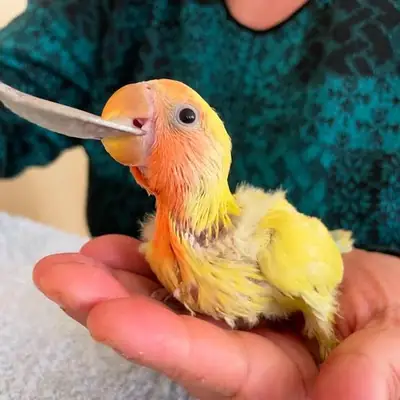
Baby Lovebirds for sale in Zacatecas should be handled carefully because very young birds can decline fast if feeding, warmth or hygiene is wrong. A baby bird should not be sold just because it looks cute.
Ask whether the chick is fully weaned, eating on its own, active, feathering properly, kept warm, checked for crop issues and old enough to move safely to a new home.
Papillero Lovebird Zacatecas
Papillero Lovebird Zacatecas is a risky search if the buyer is inexperienced. A hand-feeding baby can aspirate, chill, develop crop problems or fail to thrive if care is not precise.
Unless the buyer already knows how to hand-feed birds safely, a fully weaned young Lovebird is usually the better choice. Ask the seller for age, feeding stage, weight, crop routine and weaning progress.
Fischer Lovebirds for sale Zacatecas
Fischer Lovebirds for sale in Zacatecas attract buyers who want a compact, colourful and active Agapornis type. Fischer’s Lovebirds can be bold and fast, so tameness and pair behaviour should be checked before purchase.
Ask whether the bird is captive-bred, whether it is hand-tame or aviary-raised, what colour mutation it is, whether it is paired, whether sexing is confirmed and whether it has any biting or territorial behaviour.
Rose-faced Lovebird Zacatecas
Rose-faced Lovebird Zacatecas is one of the most common species-specific searches. These birds are popular because of their colour variety and energetic personality, but they still need daily interaction, space and enrichment.
Ask about age, mutation, hand-tame level, diet, cage habits, noise, pair status, feather condition and whether the bird has been kept away from overcrowded or dirty cages.
Peach-faced Lovebird Zacatecas
Peach-faced Lovebird Zacatecas catches buyers using the English common name for Rose-faced Lovebirds. This search often comes from people who care about colour mutations and tameness.
Ask for clear photos in natural light, current video, age, diet, handling routine, sexing if claimed, parent background and whether the bird is being sold as a pet or as part of a breeding setup.
Masked Lovebirds for sale Zacatecas
Masked Lovebirds for sale in Zacatecas appeal to buyers looking for the dark-headed personata look. These birds can be visually striking, but the real value is health, clean keeping and stable behaviour.
Ask whether the bird is a true Masked Lovebird, whether the colour mutation is correctly described, whether it is paired, whether it has been DNA sexed and whether it shows stress or aggression in the cage.
Personata Lovebirds Zacatecas
Personata Lovebirds Zacatecas is a breeder-style search. Buyers using this term may care about species purity, colour mutation and pair quality.
Ask whether the bird is pure personata or mixed, whether the seller can show parent birds, whether the pair has produced chicks and whether the birds are being sold with honest species and mutation details.
Lutino Lovebird Zacatecas
Lutino Lovebird Zacatecas is a colour-driven search with strong buyer interest. Lutino birds can look bright and rare to casual buyers, but colour should not hide weak care or poor health.
Ask for natural-light photos, age, species, feather condition, eye clarity, diet, parent information, sexing if claimed and whether the seller is inflating the price only because of colour.
Blue Lovebirds for sale Zacatecas
Blue Lovebirds for sale in Zacatecas attract buyers who want a cooler mutation rather than the classic green look. Blue colour can be beautiful, but species, health and behaviour still come first.
Ask whether the bird is a blue Fischer, blue personata or another mutation, whether the colour is accurately shown, whether the bird is paired and whether it is tame enough for the buyer’s expectations.
Violet Lovebird Zacatecas
Violet Lovebird Zacatecas is a mutation search that can bring buyers looking for a standout bird. Be careful with sellers who use colour names loosely without showing clear photos or parent details.
Ask for natural-light video, mutation explanation, species confirmation, age, diet, cage environment, sexing if claimed and whether the bird has any feather or stress problems.
Albino Lovebird Zacatecas
Albino Lovebird Zacatecas is a rare-looking colour search that needs accuracy. Not every pale bird is correctly described, and colour labels can be used to raise price without proof.
Ask for species, mutation, parent information if available, clear photos, feather quality, eye condition, age, sexing if claimed and whether the bird is healthy, active and eating well.
Breeding pair Lovebirds Zacatecas
Breeding pair Lovebirds Zacatecas is a serious search because a pair that lays eggs is not automatically a good breeding pair. Health, compatibility, age, genetics and chick care matter.
Ask whether the pair has produced healthy chicks, whether both birds are confirmed male and female, whether they pluck chicks, abandon eggs, fight, overbreed or need rest from nesting.
Lovebird breeding pair with cage Zacatecas
Lovebird breeding pair with cage Zacatecas can be convenient, but the cage must be evaluated. Many cages sold with birds are too small, dirty, rusty or poorly arranged for breeding or daily life.
Ask for cage dimensions, perch setup, nest box condition, cleaning routine, food bowl placement, ventilation, sun exposure, escape security and whether the pair is calm inside the setup.
DNA sexed Lovebirds Zacatecas
DNA sexed Lovebirds Zacatecas is a strong filter because visual sexing is unreliable in many Lovebirds. Sellers often guess male or female based on behaviour, but that is not proof.
Ask for the DNA result, lab details if available, bird identity match, ring or photo reference and whether the seller is clear when sexing is only assumed.
Male Lovebird for sale Zacatecas
Male Lovebird for sale in Zacatecas should be checked with proof if the sex matters. A seller saying “male” without DNA testing may simply be guessing.
Ask whether DNA sexing was done, whether the bird has paired before, whether it feeds a mate, whether it is territorial and whether the buyer needs a male for companionship or breeding.
Female Lovebird for sale Zacatecas
Female Lovebird for sale in Zacatecas is a useful search for pair building, but female behaviour can be more territorial, especially around nests, cages and paper-shredding spaces.
Ask for DNA sexing if available, laying history, egg-binding history, calcium support, aggression around the cage, pair compatibility and whether the bird has been overbred.
Young Lovebird for sale Zacatecas
Young Lovebird for sale in Zacatecas is attractive because younger birds often adapt more easily to a new home. That only works if the bird is fully weaned, healthy and not rushed away from proper care.
Ask the exact age, weaning status, current diet, handling level, feather development, weight if known and whether the bird has already been exposed to normal household sounds and gentle handling.
Adult Lovebirds for sale Zacatecas
Adult Lovebirds for sale in Zacatecas can be a smart choice when the bird’s personality is already known. The risk is hidden behaviour history, especially biting, screaming or pair aggression.
Ask why the bird is being sold, whether it is tame, whether it bites, whether it has lived alone or paired, whether it has laid eggs and whether it can adapt to a new cage and routine.
Aviary Lovebirds Zacatecas
Aviary Lovebirds Zacatecas is a different intent from hand-tame pet birds. Aviary-raised Lovebirds may be healthy and active but less comfortable with hands.
Ask whether the birds are parent-raised, whether they are used to people, whether they fly strongly, whether they are paired and whether the buyer wants aviary birds or a close-contact pet.
Lovebirds with cage Zacatecas
Lovebirds with cage Zacatecas is convenient, but the included cage should not be accepted blindly. Lovebirds are active parrots that need horizontal movement, perches, toys and safe spacing.
Ask for cage size, bar spacing, perch quality, toy condition, cleaning history, rust, door security and whether the bird has enough room to move without damaging feathers.
Lovebird cage size Zacatecas
Lovebird cage size Zacatecas is a care-intent search that buyers often type after seeing birds in small display cages. A Lovebird needs enough space to climb, flap, play and move, not just sit on one perch.
Choose a cage with safe bar spacing, easy cleaning, sturdy doors, multiple perches, toys, food separation and room for flight-like movement. Bigger is usually better when it is safe and well arranged.
Lovebird food Zacatecas
Lovebird food Zacatecas should not mean seed-only feeding. Lovebirds need a balanced diet with suitable pellets or formulated food, safe vegetables, greens, limited fruit, clean water and controlled seed portions.
Ask the seller what the bird already eats, whether it accepts fresh food, whether it has been on only sunflower or mixed seed and how to transition diet without shocking the bird.
Lovebird toys Zacatecas
Lovebird toys Zacatecas is not a minor care query. Lovebirds are busy, chewing, climbing parrots and can become stressed or destructive without enrichment.
Ask what toys the bird uses, whether it chews paper, whether it becomes territorial with nesting material, whether it forages and whether the buyer can rotate safe toys regularly.
Quiet Lovebirds Zacatecas
Quiet Lovebirds Zacatecas is usually an unrealistic expectation. Lovebirds are small, but they can be sharp-voiced and persistent, especially when excited, separated or seeking attention.
Ask when the bird vocalises, whether it screams when alone, whether a pair calls loudly, whether neighbours are sensitive and whether the buyer can accept normal parrot noise.
Lovebird biting problem Zacatecas
Lovebird biting problem Zacatecas should not be ignored because Lovebirds can bite hard for their size. Biting may come from fear, hormones, cage guarding, poor handling or lack of trust.
Ask when the bird bites, whether it bites inside the cage or on hands, whether it guards a mate or nest box and whether the seller can show calm handling in a current video.
Lovebird feather plucking Zacatecas
Lovebird feather plucking Zacatecas is a serious health and stress query. Feather damage may come from poor diet, parasites, boredom, overbreeding, pair stress, medical issues or dirty housing.
Ask when feather loss started, whether the bird has seen an avian vet, whether cage mates pluck it, what diet it eats and whether the seller is being honest about stress signs.
Healthy Lovebirds for sale Zacatecas
Healthy Lovebirds for sale in Zacatecas should be lively, alert, clean, balanced and active. Bright colour alone is not enough; the bird should breathe normally, grip well and show clean eyes, nostrils and vent area.
Avoid birds that sit fluffed up, breathe heavily, have dirty feathers, watery droppings, tail bobbing, overgrown beaks, missing toes, dull eyes or weak movement.
Avian vet Lovebirds Zacatecas
Avian vet Lovebirds Zacatecas is an important search because small parrots can hide illness until they are already weak. A new bird should be checked by a bird-capable veterinarian after purchase.
Ask the seller whether the bird has ever been examined, whether there were respiratory signs, crop issues, parasites, egg-binding problems or injuries and whether any medical notes are available.
Captive bred Lovebirds Mexico
Captive bred Lovebirds Mexico is one of the most important trust searches. Lovebirds are non-native parrots commonly kept as companion birds, but buyers should still ask for legal-origin proof and avoid unclear wildlife trade.
Ask for breeder details, invoice or sale note, import or legal-origin information if relevant, parent background, age, species and whether the seller can explain where the birds came from.
Legal Lovebirds for sale Zacatecas
Legal Lovebirds for sale Zacatecas should mean the seller can explain origin, documents and responsible transfer. This matters because Mexico has strict concerns around wildlife trade and protected native birds.
Ask for legal-origin proof, breeder information, sales note, species name, age, health notes and avoid sellers who mix Lovebirds with unclear native parrots, wild-caught birds or vague “no papers needed” claims.
Lovebirds price Zacatecas
Lovebirds price Zacatecas varies by species, colour mutation, tameness, age, sexing, pair status, breeding history, cage inclusion and seller transparency. A cheap bird with poor health can become expensive immediately.
Compare price with health, clean housing, legal-origin proof, current video, diet, cage setup, tameness, sexing documents and whether the seller answers care questions properly.
Cheap Lovebirds Zacatecas
Cheap Lovebirds Zacatecas is a risky search if the buyer only wants the lowest price. Low price can hide overcrowding, illness, poor diet, no legal-origin proof or birds that are not truly tame.
If the price is unusually low, ask harder questions about health, documents, age, species, diet, cage conditions, behaviour and why the bird is being sold quickly.
Lovebird delivery Zacatecas
Lovebird delivery Zacatecas should be handled with caution. Small parrots can overheat, chill, panic or injure themselves during careless transport.
Ask for a secure carrier, short travel time, shade, ventilation, safe temperature, no loose cage doors, no overcrowding and a calm handover where the bird can be checked before payment is final.
Lovebirds near Guadalupe Zacatecas
Lovebirds near Guadalupe Zacatecas is a strong local search because many buyers around the metro area want a bird nearby. Closer is useful, but it should not beat health and legal-origin clarity.
Compare birds from Zacatecas City, Guadalupe, Morelos, Vetagrande and Trancoso by species, health, tameness, clean housing, diet, documents and seller honesty.
Lovebirds near Fresnillo Zacatecas
Lovebirds near Fresnillo Zacatecas widens the buyer pool beyond the city center. A slightly longer trip can be worth it if the seller keeps birds clean, healthy and well-documented.
Ask for current video before travelling, confirm species and price, check legal-origin proof, ask about transport conditions and avoid sellers who refuse basic health questions.
Lovebird scams Mexico
Lovebird scams Mexico often use stolen photos, fake rare mutation names, rushed deposits, delivery-only offers, no current video, no legal-origin proof and vague locations.
Ask for a personalised video, exact location, seller identity, legal-origin proof, health information, real-time cage video and a safe viewing or handover before sending money.
Frequently Asked Questions
What should I check before buying Lovebirds in Zacatecas?
Check the Lovebird’s species, age, legal-origin proof, captive-bred background, health condition, diet, cage habits, tameness, noise level, feather quality, beak and claw condition, pair status, sexing proof if claimed and seller transparency.
Lovebirds are small parrots, but they still need long-term care, daily enrichment, safe housing and access to a bird-capable veterinarian.
Are Lovebirds legal to buy in Mexico?
Lovebirds are non-native companion parrots commonly kept in captivity, but buyers should still ask for legal-origin proof and avoid any bird with unclear source information.
Do not buy from sellers who mix Lovebirds with wild-caught native parrots or cannot explain where the birds came from.
What documents should a Lovebird seller provide?
Useful documents include a sale note or invoice, breeder details, legal-origin proof if available, species information, health notes, DNA sexing result if claimed and any veterinary record.
The documents should match the bird being sold, especially if the seller claims a rare mutation or breeding pair.
Should I buy a Lovebird without legal-origin proof?
Be careful. If a seller cannot explain the bird’s origin, breeder background or legal transfer, the listing is weaker.
Ask for written proof, seller identity, current video and clear species details before paying.
Are Lovebirds good pets for beginners?
Lovebirds can be good pets for committed beginners, but they are not low-effort birds.
They need daily attention, a proper cage, safe toys, a balanced diet, cleaning, patience and handling that respects their body language.
Is it better to buy one Lovebird or a pair?
One Lovebird may bond more closely with people but needs more daily attention.
A pair can keep each other company, but may become less tame with humans and may show territorial or breeding behaviour.
How can I tell if two Lovebirds are bonded?
Bonded Lovebirds often sit close, preen each other, feed each other, rest calmly and stay together without constant fighting.
Ask how long the pair has been together and whether they fight over food, space or nest boxes.
Can two male or two female Lovebirds live together?
Sometimes same-sex Lovebirds can live together, but compatibility depends on individual temperament, space and bonding.
Do not assume a pair is male and female unless DNA sexing or reliable breeding history supports the claim.
Is DNA sexing necessary for Lovebirds?
DNA sexing is useful because many Lovebirds cannot be reliably sexed by appearance.
If sex matters for breeding or pair compatibility, ask for the DNA result instead of relying on guesses.
What is the best Lovebird species for a pet?
Rose-faced, Fischer’s and Masked Lovebirds are popular pet types, but the best choice depends on tameness, health, age, handling history and the buyer’s routine.
Species name matters, but individual behaviour matters more.
What is the difference between Rose-faced and Fischer Lovebirds?
Rose-faced and Fischer Lovebirds differ in appearance, colour patterns and breeding lines, but both are active Agapornis parrots that need good care.
Ask the seller for correct species identification, not just a colour description.
Are colour mutations like lutino or violet worth more?
Some colour mutations can cost more, but colour should not be the first buying factor.
Health, clean housing, legal-origin proof, diet, tameness and seller honesty are more important than mutation names.
How do I know if a Lovebird is healthy?
A healthy Lovebird should be alert, active, balanced, clean-feathered, bright-eyed and breathing normally.
Avoid birds that sit fluffed up, have dirty vents, watery droppings, tail bobbing, dull eyes, missing feathers, overgrown beaks or weak grip.
Should a new Lovebird see an avian vet?
Yes. A new Lovebird should be checked by a bird-capable veterinarian soon after purchase, especially if it came from a market, crowded cage or unknown source.
The vet can check weight, feathers, beak, claws, droppings, breathing, diet and hidden illness signs.
What should Lovebirds eat?
Lovebirds should eat a balanced diet that may include suitable pellets or formulated food, safe vegetables, greens, limited fruit, clean water and controlled seed portions.
A seed-only diet is weak long-term care and should be improved gradually.
What foods are unsafe for Lovebirds?
Lovebirds should not eat avocado, chocolate, alcohol, caffeine, very salty foods, spoiled food or unsafe household scraps.
Ask a bird-capable veterinarian before making major diet changes if the bird has been eating poorly for a long time.
What cage size does a Lovebird need?
A Lovebird needs a cage large enough for climbing, flapping, playing and moving between perches comfortably.
Safe bar spacing, strong doors, clean trays, multiple perches, toys and room for movement matter more than decorative cage shape.
Can Lovebirds live in small cages?
Small cages are poor long-term housing for Lovebirds because they are active parrots that need movement and enrichment.
A cramped cage can contribute to stress, biting, feather damage and poor condition.
Do Lovebirds need toys?
Yes. Lovebirds need safe toys for chewing, climbing, foraging and mental activity.
Rotate toys regularly and avoid unsafe strings, toxic metals, sharp edges and anything the bird can swallow dangerously.
Are Lovebirds noisy?
Yes. Lovebirds are small, but they can have sharp and persistent calls.
Ask when the bird is loudest and whether the buyer’s home can tolerate normal parrot noise.
Can Lovebirds talk?
Lovebirds are not usually chosen for strong talking ability.
Some may mimic sounds, but buyers should choose them for personality, colour and companionship rather than expecting clear speech.
Do Lovebirds bite?
Lovebirds can bite hard for their size, especially if scared, territorial, hormonal or poorly handled.
Ask for handling video and do not force contact during the first days after bringing the bird home.
Why do Lovebirds pluck feathers?
Feather plucking may be linked to stress, poor diet, parasites, boredom, overbreeding, medical issues or problems with a cage mate.
A bird with feather damage should be checked by an avian veterinarian before being treated as only a behaviour problem.
Can Lovebirds live with other bird species?
Lovebirds can be territorial and may injure smaller or calmer birds.
Do not mix them casually with budgies, canaries, finches or cockatiels without experienced supervision and separate housing.
Can Lovebirds live with cats or dogs?
Lovebirds should not be left unsupervised with cats or dogs.
Even a calm pet can cause injury, stress or escape risk, so the bird needs secure separation and careful routines.
Are Lovebirds safe for children?
Lovebirds can be kept in homes with children only when adults supervise handling.
Children must not grab, chase, squeeze, tease or open the cage without permission because the bird can bite or escape.
How should I transport a Lovebird in Zacatecas?
Use a secure ventilated carrier, avoid heat, direct sun, cold drafts and long stressful trips.
Do not transport a Lovebird loose in a car or in a weak box that can open or collapse.
How do I settle a Lovebird after purchase?
Place the bird in a clean prepared cage, keep the first days calm, maintain familiar food, avoid forced handling and watch eating, drinking and droppings.
Build trust slowly with routine, soft movement and positive handling.
Can Lovebirds handle Zacatecas heat?
Lovebirds need protection from direct sun, overheating, poor ventilation and sudden temperature changes.
Provide shade, clean water, airflow without drafts and avoid leaving the cage in hot cars, windows or outdoor sun.
How long do Lovebirds live?
Lovebirds can live for many years with good care, so buying one is a long-term commitment.
Before purchase, think about daily attention, cage space, diet, vet care, travel, noise and who will care for the bird if your routine changes.
Should I buy Lovebirds from a market?
Be careful with market birds because overcrowding, stress, unclear origin and illness can be harder to detect.
Ask for legal-origin proof, current health condition, species details, age, diet and seller information before buying.
What are red flags in Lovebird listings?
Red flags include no current video, no origin information, dirty cages, fluffed birds, watery droppings, missing feathers, rushed deposits, fake rare-colour claims and refusal to answer care questions.
A serious seller should be able to explain the bird’s species, age, diet, behaviour and source clearly.
How do I avoid Lovebird scams in Mexico?
Ask for personalised current video, exact location, seller identity, legal-origin proof, health information and clear handover terms before sending money.
Avoid delivery-only offers, stolen photos, pressure deposits and sellers who cannot show the actual bird in real time.