vs
Click on the breeds above to change the breed you want to compare.
Compare Akita and Siberian Husky side by side: temperament, energy, trainability, apartment fit, shedding, lifespan, weight and free adoption listings.
Breed traits
Character & behavior
Energy level
Playfulness
Intelligence
Trainability
Protectiveness
Sociability
Can stay alone
Lifestyle fit
Apartment-friendly
No
No
Good with kids
Yes
Yes
Good for first-time owners
No
No
Shedding
Noise level
Exercise needs
Physical & general
Life span
10–15 years
12–15 years
Weight
32–59 kg
16–27 kg
Height
61–71 cm
50–60 cm
Origin
Japan
Siberia
Grooming effort
Nutrition sensitivity
Health risk
Heat tolerance
Cold tolerance
The Siberian Husky and Akita are both strong and intelligent breeds, but they come with distinct characteristics that cater to different lifestyles. The Siberian Husky, originating from Siberia, is known for its high energy levels and sociability, making it a playful companion. In contrast, the Akita, hailing from Japan, is more protective and independent, which may appeal to those looking for a loyal guardian. Both breeds have similar lifespans, but their weight, height, and exercise needs differ, which can influence the choice for potential owners. Understanding these differences is crucial for prospective pet owners to ensure a good match for their home environment and lifestyle.
Akita — Advantages
Highly protective, ideal for guarding homes
Good with children, making them family-friendly
Independent, can tolerate being alone better than Huskies
Lower energy levels, suitable for less active households
Adaptable to cold climates
Good with children, making them family-friendly
Independent, can tolerate being alone better than Huskies
Lower energy levels, suitable for less active households
Adaptable to cold climates
Disadvantages
Requires a strong owner due to their independent nature
Less sociable than Huskies, may not be as playful
Not apartment-friendly, needs space to thrive
Moderate exercise needs, which may still require commitment
Can be sensitive to heat, requiring careful management in warmer climates
Less sociable than Huskies, may not be as playful
Not apartment-friendly, needs space to thrive
Moderate exercise needs, which may still require commitment
Can be sensitive to heat, requiring careful management in warmer climates
Siberian Husky — Advantages
High sociability, making them great companions
Excellent energy levels for active owners
Good with children, suitable for families
Playful nature, providing entertainment
Adaptable to cold climates
Excellent energy levels for active owners
Good with children, suitable for families
Playful nature, providing entertainment
Adaptable to cold climates
Disadvantages
Requires significant exercise, which may be challenging for some owners
Can be noisy, which may not suit all living situations
Not apartment-friendly, needs space to roam
Moderate trainability, may require experienced handlers
Can struggle with separation anxiety
Can be noisy, which may not suit all living situations
Not apartment-friendly, needs space to roam
Moderate trainability, may require experienced handlers
Can struggle with separation anxiety
Frequently Asked Questions
Which breed is better for families with children?
Both breeds are good with children, but the Siberian Husky is generally more playful and sociable.
How much exercise do these breeds need?
Siberian Huskies require more exercise (5/5) compared to Akitas (4/5).
Are these breeds good for first-time dog owners?
Neither breed is recommended for first-time owners due to their specific needs and training challenges.
How do they handle being left alone?
Siberian Huskies can struggle with separation anxiety, while Akitas can tolerate being alone better.
Which breed is more protective?
The Akita is more protective than the Siberian Husky, making it a better choice for guarding.
free Akita adoption listings
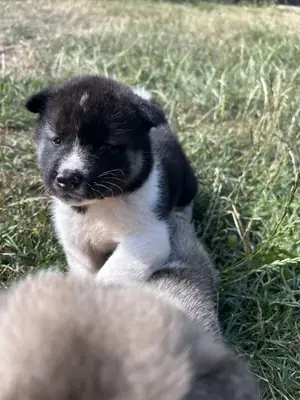
Κουτάβια Ακίτα
Male
Not Educated
Free Adoption
155 views
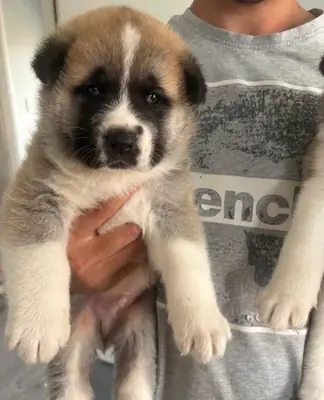
Male and Female Akita Puppies For Re-Homing.. Text on WhatsApp ..Contact... +34 631 98 70 80
Male
Not Educated
Free Adoption
198 views
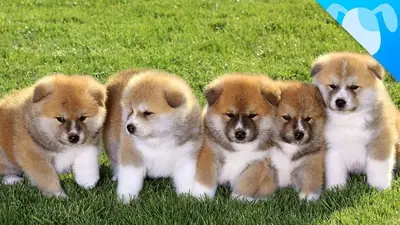
Preciosos cachorros de Akita Inu listos para entrega inmediata. Correo electrónico: jessicabaynton2@
Male
Educated
Free Adoption
307 views
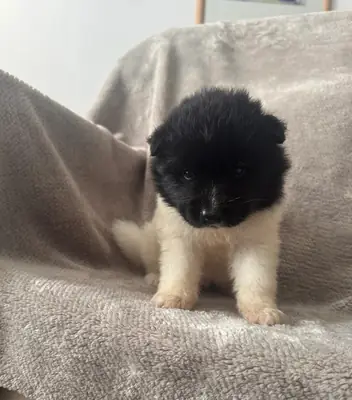
American Akita puppies
Male
Not Educated
Free Adoption
362 views
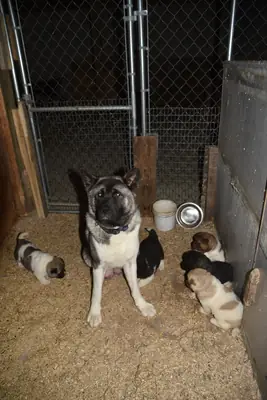
Hermosos cachorros Akita americanos robustos
Male
Educated
Free Adoption
340 views
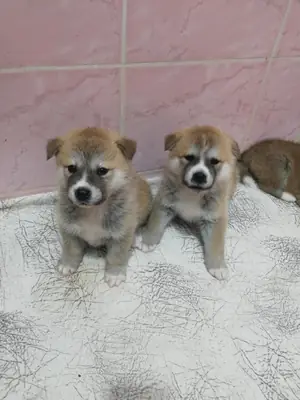
Gift male and female Akita puppies
Male
Educated
Free Adoption
414 views
free Siberian Husky adoption listings
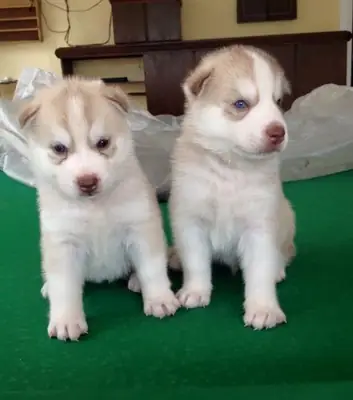
Siberian husky pups
Male
Educated
Free Adoption
11 views
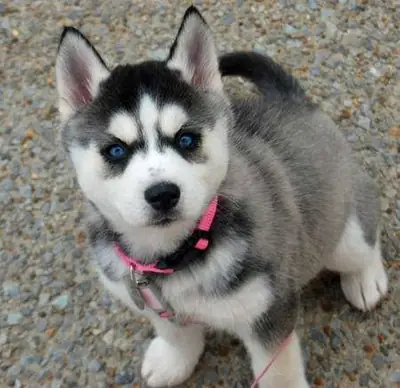
Stunning Litter of AKC Registered Siberian Husky Puppies
Male
Educated
Free Adoption
36 views
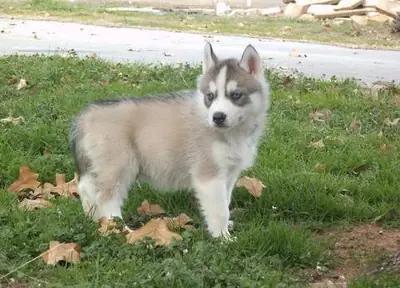
Cachorros de Husky Siberiano listos para entrega inmediata
Male
Not Educated
Free Adoption
42 views
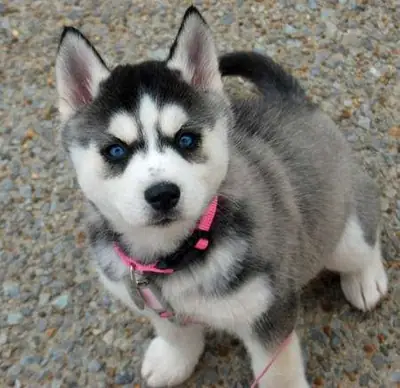
Lovely Siberian Huskies for Pet Lovers Email: vanessablandine854@gmail.com
Male
Educated
Free Adoption
79 views
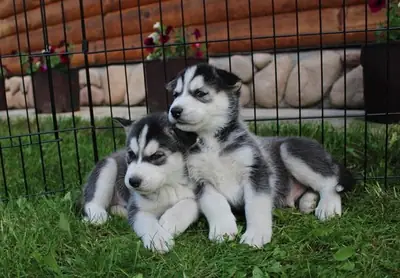
Husky Siberiano para adopcion contáctame por whatsapp a través de (+34)611386992
Male
Educated
Free Adoption
84 views
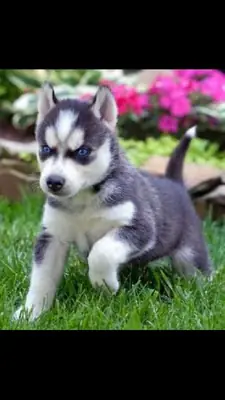
cachorros Husky
Male
Educated
Free Adoption
93 views