vs
Click on the breeds above to change the breed you want to compare.
Compare Balinese and Domestic Shorthair side by side: temperament, energy, trainability, apartment fit, shedding, lifespan, weight and free adoption listings.
Breed traits
Character & behavior
Energy level
Playfulness
Intelligence
Trainability
Protectiveness
Sociability
Can stay alone
Lifestyle fit
Apartment-friendly
Yes
Yes
Good with kids
Yes
Yes
Good for first-time owners
Yes
Yes
Shedding
Noise level
Exercise needs
Physical & general
Life span
12–15 years
12–15 years
Weight
3.5–4.5 kg
3.5–6.5 kg
Height
30–40 cm
25–30 cm
Origin
United States
United States
Grooming effort
Nutrition sensitivity
Health risk
Heat tolerance
Cold tolerance
The Balinese and Domestic Shorthair are both popular cat breeds originating from the United States, sharing similar lifespans and sociability traits. The Balinese is known for its higher intelligence and trainability, making it a more interactive companion. In contrast, the Domestic Shorthair has a slightly larger weight range and a lower energy level, which may appeal to owners seeking a more laid-back pet. Both breeds are good with kids and suitable for first-time owners, but their grooming needs and shedding levels differ. Ultimately, the choice between these two breeds will depend on the owner's lifestyle and preferences regarding playfulness and grooming.
Balinese — Advantages
Higher intelligence (5) leads to better problem-solving skills.
More trainable (4) than Domestic Shorthair, making it easier to teach tricks.
Sociable (5) nature fosters strong bonds with family members.
Good exercise needs (4) encourages active play and engagement.
Moderate grooming difficulty (3) balances maintenance with appearance.
More trainable (4) than Domestic Shorthair, making it easier to teach tricks.
Sociable (5) nature fosters strong bonds with family members.
Good exercise needs (4) encourages active play and engagement.
Moderate grooming difficulty (3) balances maintenance with appearance.
Disadvantages
Higher energy level (4) may require more playtime and stimulation.
Slightly higher noise level (3) could be a consideration for noise-sensitive owners.
Moderate shedding level (2) may require regular cleaning.
Slightly higher noise level (3) could be a consideration for noise-sensitive owners.
Moderate shedding level (2) may require regular cleaning.
Domestic Shorthair — Advantages
Larger weight range (3.50-6.50 kg) allows for a variety of sizes.
Lower energy level (3) may be better for less active households.
Easier grooming (2) makes maintenance simpler for busy owners.
Lower noise level (2) can be beneficial for quieter environments.
Lower energy level (3) may be better for less active households.
Easier grooming (2) makes maintenance simpler for busy owners.
Lower noise level (2) can be beneficial for quieter environments.
Disadvantages
Slightly less intelligent (4) compared to Balinese, which may affect trainability.
Lower playfulness (4) might result in less engaging playtime.
Grooming needs may still require attention due to higher shedding level (3).
Lower playfulness (4) might result in less engaging playtime.
Grooming needs may still require attention due to higher shedding level (3).
Frequently Asked Questions
Are Balinese cats good for families with children?
Yes, Balinese cats are known to be good with kids.
How much exercise do Domestic Shorthairs need?
Domestic Shorthairs have a moderate exercise need (3), suitable for a relaxed lifestyle.
Which breed is easier to train?
The Balinese is generally easier to train due to its higher intelligence and trainability.
Do either of these breeds shed a lot?
The Balinese has a moderate shedding level (2), while the Domestic Shorthair has a higher shedding level (3).
Can both breeds adapt to apartment living?
Yes, both the Balinese and Domestic Shorthair are apartment-friendly.
free Balinese adoption listings
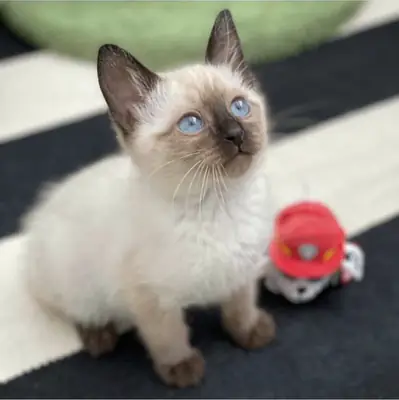
The 68 most love-collecting friend
Balinese kittens
Male
Not Educated
Free Adoption
692 views
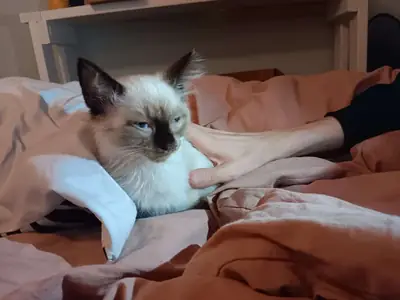
The 318 most love-collecting friend
Balinese cat that enjoys human company
Male
Not Educated
Free Adoption
1796 views
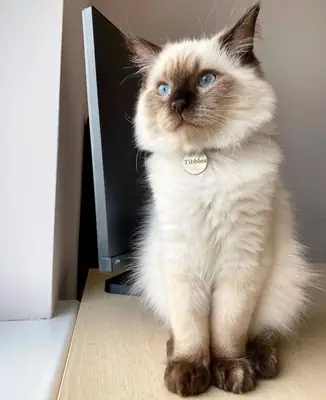
Adopt a Balinese Cat | Intelligent & Playful
Male
Educated
Free Adoption
1952 views
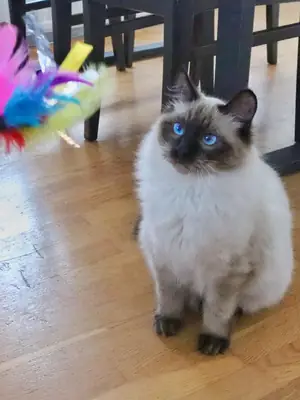
Balinese cat accustomed to human presence
Male
Not Educated
Free Adoption
1369 views
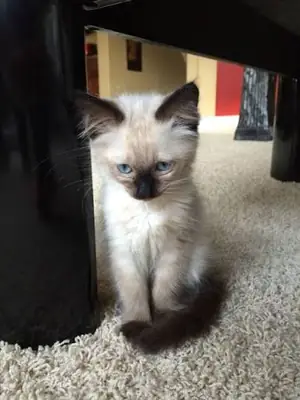
The 169 most love-collecting friend
ADOPTION OF A BABY WHALE
Female
Not Educated
Free Adoption
2678 views
free Domestic Shorthair adoption listings
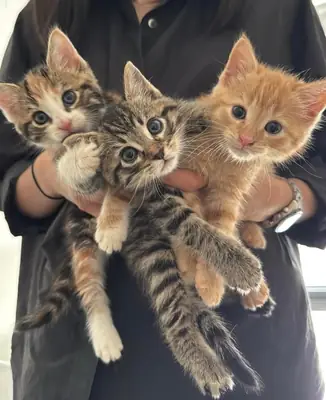
domestic short hair kittens
Male
Educated
Free Adoption
635 views
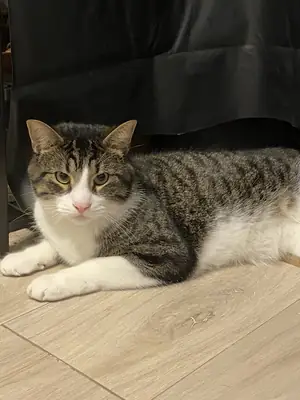
Cute tabby cat available
Male
Not Educated
Free Adoption
896 views

indoor cat, easy to care for
Male
Not Educated
Free Adoption
897 views
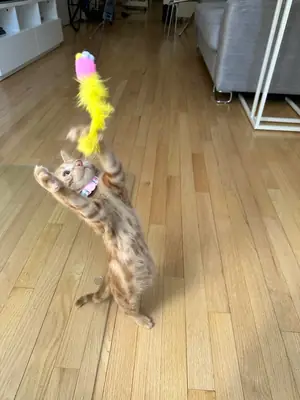
indoor cat, simple rehome
Male
Not Educated
Free Adoption
725 views
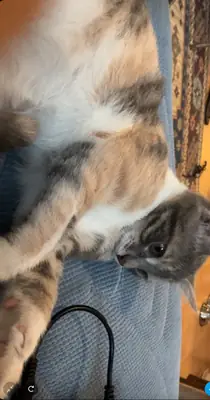
Cute calico cat
Male
Not Educated
Free Adoption
1792 views
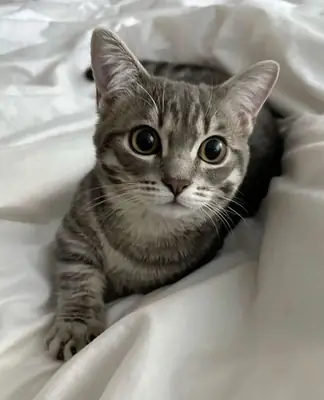
Lovable, feedable pet
Free Adoption – Friendly Tabby Cat
Female
Not Educated
Free Adoption
1648 views