vs
Click on the breeds above to change the breed you want to compare.
Compare Basenji and Japanese Chin side by side: temperament, energy, trainability, apartment fit, shedding, lifespan, weight and free adoption listings.
Breed traits
Character & behavior
Lifestyle fit
Physical & general
Basenji — Advantages
- Higher energy level suitable for active families
- More independent and can stay alone for longer periods
- Good tolerance to hot climates
- More protective instincts than Japanese Chin
Disadvantages
- Not recommended for first-time dog owners
- May not be as sociable as Japanese Chin
- Similar grooming needs but higher exercise demands
Japanese Chin — Advantages
- Highly sociable and good with children
- Suitable for first-time dog owners
- Moderate shedding and grooming needs
- Lower exercise requirements compared to Basenji
Disadvantages
- Can be difficult to leave alone for extended periods
- Moderate energy level may not suit active owners
- May be more sensitive to cold climates
Frequently Asked Questions
Which breed is better for apartment living?
Both breeds are apartment-friendly, but the Japanese Chin is particularly well-suited due to its smaller size and lower exercise needs.
Are Japanese Chins or Basenjis better with children?
Both breeds are good with children, but the Japanese Chin is typically more sociable and affectionate.
How much exercise do these breeds need?
The Japanese Chin requires moderate exercise, while the Basenji has higher exercise needs due to its energetic nature.
Which breed is easier to train?
The Japanese Chin is generally easier to train, while the Basenji can be more challenging due to its independent nature.
What is the lifespan of each breed?
The Japanese Chin has a lifespan of 12-14 years, while the Basenji can live between 12-16 years.
free Basenji adoption listings

Kc Registered Labrador Puppies ready

Beautifully jackapoo Puppy ready
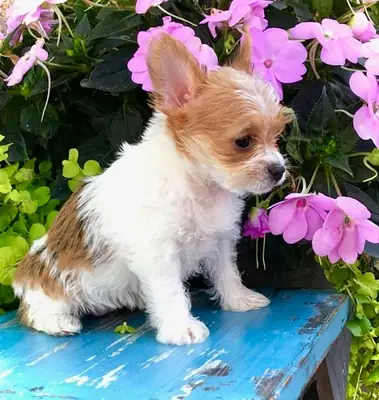
Chorkie Pups For Sale

Last Two Adorable F3 Cockapoos Pra Pfk Fn Clear
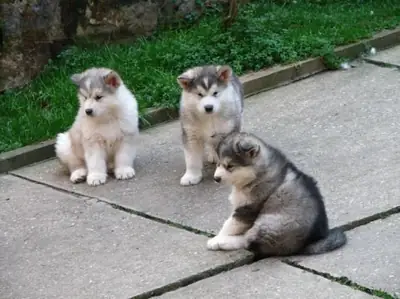
Kennel Club Registerd Alaskan Malamutes puppies for sale

Beautifully jackapoo Puppy ready
free Japanese Chin adoption listings
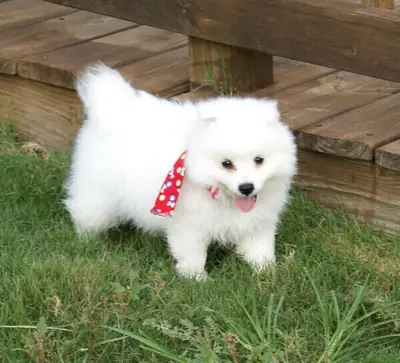
Japanese Splitz puppies
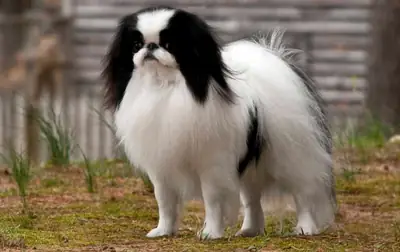
Elegant Japanese Chin for Adoption

The Japanese Chin is a refined and affectionate companion.