vs
Click on the breeds above to change the breed you want to compare.
Compare Bichon Frise and Nureongi side by side: temperament, energy, trainability, apartment fit, shedding, lifespan, weight and free adoption listings.
Breed traits
Character & behavior
Energy level
Playfulness
Intelligence
Trainability
Protectiveness
Sociability
Can stay alone
Lifestyle fit
Apartment-friendly
Yes
Yes
Good with kids
Yes
Yes
Good for first-time owners
Yes
Yes
Shedding
Noise level
Exercise needs
Physical & general
Life span
12–15 years
10–15 years
Weight
5–10 kg
15–30 kg
Height
23–30 cm
30–50 cm
Origin
France
South Korea
Grooming effort
Nutrition sensitivity
Health risk
Heat tolerance
Cold tolerance
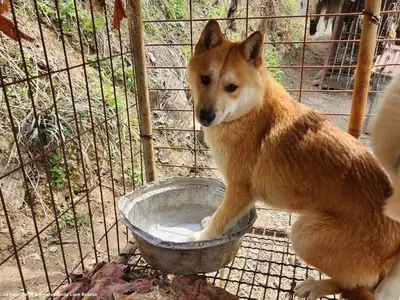
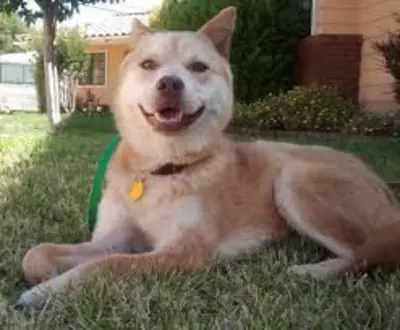
When comparing the Bichon Frise and the Nureongi, potential pet owners will find distinct differences in size, temperament, and care needs. The Bichon Frise is a small breed originating from France, known for its sociable nature and adaptability to apartment living. With a lifespan of 12 to 15 years, they are playful and intelligent, making them suitable for first-time owners. In contrast, the Nureongi, a larger breed from South Korea, also has a lifespan of 10 to 15 years but is more protective and requires slightly less grooming. Both breeds are good with children and can stay alone for moderate periods. Ultimately, the choice between these two breeds will depend on the owner's living situation, desired dog size, and personal preferences in temperament and care.
Bichon Frise — Advantages
Small size makes them ideal for apartments.
Highly sociable and friendly with children.
Good for first-time dog owners due to their trainability.
Playful and energetic, providing companionship.
Moderate exercise needs and grooming difficulty.
Highly sociable and friendly with children.
Good for first-time dog owners due to their trainability.
Playful and energetic, providing companionship.
Moderate exercise needs and grooming difficulty.
Disadvantages
Requires regular grooming due to their coat.
May have a higher noise level compared to Nureongi.
Less protective than Nureongi, which may be a concern for some owners.
May have a higher noise level compared to Nureongi.
Less protective than Nureongi, which may be a concern for some owners.
Nureongi — Advantages
Larger size can be more suitable for active families.
More protective nature can provide a sense of security.
Lower grooming difficulty compared to Bichon Frise.
Good sociability with children and adaptability to various environments.
More protective nature can provide a sense of security.
Lower grooming difficulty compared to Bichon Frise.
Good sociability with children and adaptability to various environments.
Disadvantages
Requires more space due to their size, which may not be ideal for apartments.
Less trainable compared to Bichon Frise, which might be challenging for first-time owners.
Moderate exercise needs may still require commitment.
Less trainable compared to Bichon Frise, which might be challenging for first-time owners.
Moderate exercise needs may still require commitment.
Frequently Asked Questions
What is the average lifespan of a Bichon Frise?
The average lifespan of a Bichon Frise is between 12 to 15 years.
Are Nureongi good with children?
Yes, Nureongi are good with children and are known for their sociable nature.
How much exercise do Bichon Frises need?
Bichon Frises have moderate exercise needs and require regular play and walks.
Which breed is easier to train, Bichon Frise or Nureongi?
Bichon Frises are generally easier to train due to their higher intelligence and trainability.
Can Nureongi live in an apartment?
Yes, Nureongi can live in apartments, but they require more space due to their larger size.
free Bichon Frise adoption listings

4 Bichon Frise Puppies
Male
Educated
Free Adoption
13 views

Bichon Frisé Welpen
Male
Not Educated
Free Adoption
305 views
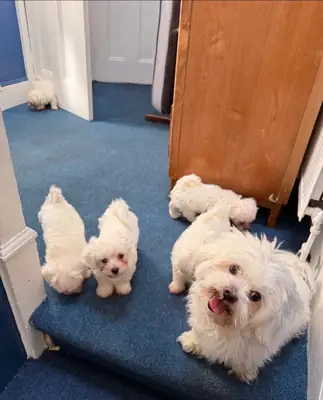
Bichon Frise Cute Puppies .. Text on WhatsApp ..Contact... +34 642 12 80 93
Male
Educated
Free Adoption
486 views

Bichone Frise Puppies
Male
Not Educated
Free Adoption
385 views
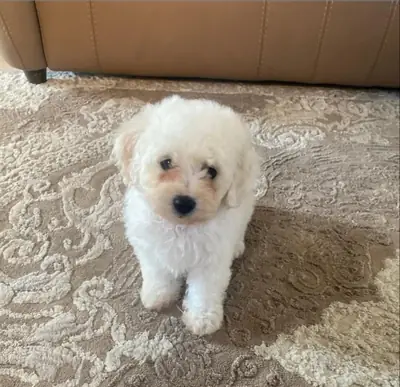
Bichon frise
Male
Educated
Free Adoption
465 views

Bichon Frise puppies for sale.
Male
Educated
Free Adoption
412 views