vs
Click on the breeds above to change the breed you want to compare.
Compare Bloodhound and Siberian Husky side by side: temperament, energy, trainability, apartment fit, shedding, lifespan, weight and free adoption listings.
Breed traits
Character & behavior
Energy level
Playfulness
Intelligence
Trainability
Protectiveness
Sociability
Can stay alone
Lifestyle fit
Apartment-friendly
No
No
Good with kids
Yes
Yes
Good for first-time owners
No
No
Shedding
Noise level
Exercise needs
Physical & general
Life span
10–12 years
12–15 years
Weight
36–50 kg
16–27 kg
Height
58–69 cm
50–60 cm
Origin
Belgium
Siberia
Grooming effort
Nutrition sensitivity
Health risk
Heat tolerance
Cold tolerance
When comparing the Husky and the Bloodhound, potential pet owners will find distinct differences in their characteristics and needs. The Husky, originating from Siberia, is known for its high energy levels and sociability, making it a vibrant companion for active families. In contrast, the Bloodhound, hailing from Belgium, is a larger breed with a more moderate energy level and a strong sense of smell, often used in tracking and search operations. Both breeds are good with children, but their exercise and grooming needs vary significantly. Understanding these differences can help prospective owners choose the breed that best fits their lifestyle and preferences.
Bloodhound — Advantages
- Moderate energy level (3) suitable for more relaxed lifestyles
- Good with kids
- Lower grooming difficulty (2) makes maintenance easier
- Adequate exercise need (4) for daily walks
- Strong tracking abilities due to their intelligence (2)
- Good with kids
- Lower grooming difficulty (2) makes maintenance easier
- Adequate exercise need (4) for daily walks
- Strong tracking abilities due to their intelligence (2)
Disadvantages
- Lower sociability (4) compared to Husky
- Can be challenging to train (2) requiring patience
- Larger size (36-50 kg) may not be suitable for all living situations
- Moderate shedding level (3) still requires grooming
- Less tolerant to cold climates (3)
- Can be challenging to train (2) requiring patience
- Larger size (36-50 kg) may not be suitable for all living situations
- Moderate shedding level (3) still requires grooming
- Less tolerant to cold climates (3)
Siberian Husky — Advantages
- High energy level (5) suitable for active owners
- Very sociable (5), great for families
- Good with kids
- Strong exercise need (5) encourages outdoor activities
- Good adaptability to cold climates (5)
- Very sociable (5), great for families
- Good with kids
- Strong exercise need (5) encourages outdoor activities
- Good adaptability to cold climates (5)
Disadvantages
- Requires significant exercise (5) which may be challenging for some owners
- Can be difficult to train (3) compared to other breeds
- High shedding level (4) may require more grooming
- Not apartment-friendly
- Can struggle with being left alone (2)
- Can be difficult to train (3) compared to other breeds
- High shedding level (4) may require more grooming
- Not apartment-friendly
- Can struggle with being left alone (2)
Frequently Asked Questions
Are Huskies good for first-time dog owners?
No, Huskies are not considered good for first-time dog owners due to their training needs.
Do Bloodhounds require a lot of exercise?
Bloodhounds have a moderate exercise need, requiring daily walks but not as much as Huskies.
Can Huskies live in apartments?
No, Huskies are not apartment-friendly due to their high energy levels.
Are Bloodhounds good with children?
Yes, both Huskies and Bloodhounds are good with kids.
How much grooming do Huskies need?
Huskies have a high shedding level and require regular grooming.
free Bloodhound adoption listings

AKC-registrierte Bloodhound-Welpen
Male
Educated
Free Adoption
383 views
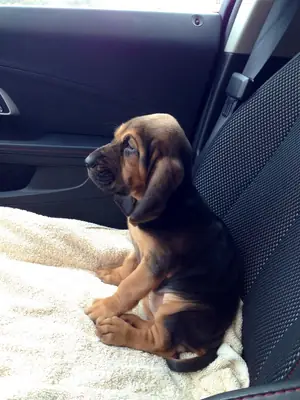
The 167 most love-collecting friend
Bloodhound Adoption | Family-Friendly and Calm Dog
Male
Educated
Free Adoption
1379 views
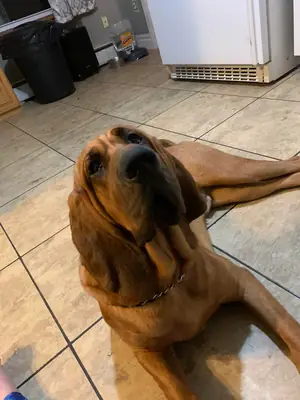
Large dog, needs space
Male
Not Educated
Free Adoption
697 views
free Siberian Husky adoption listings
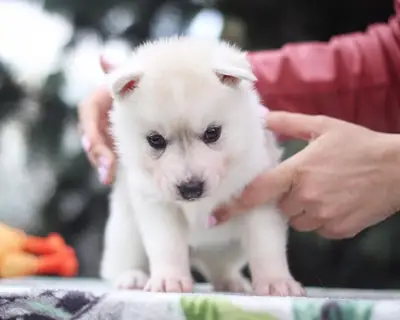
6Regalo Cachorros Husky Siberiano Whatsapp (+34)611386992
Male
Educated
Free Adoption
9 views
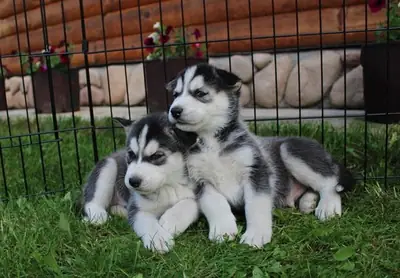
Regalo Cachorros Husky Siberiano Whatsapp (+34)611386992
Male
Educated
Free Adoption
2 views
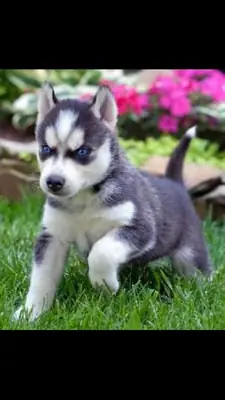
3Regalo Cachorros Husky Siberiano Whatsapp (+34)611386992
Male
Educated
Free Adoption
2 views
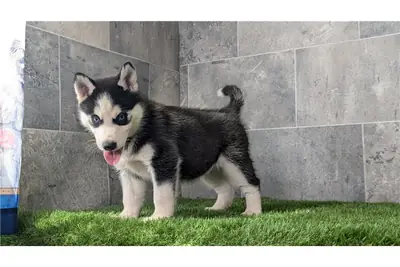
2Regalo Cachorros Husky Siberiano Whatsapp (+34)611386992
Male
Educated
Free Adoption
2 views
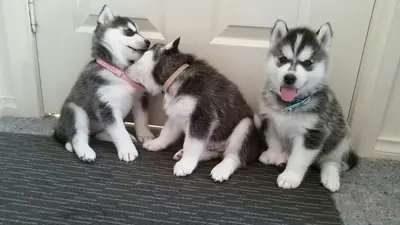
1Regalo Cachorros Husky Siberiano Whatsapp (+34)611386992
Male
Not Educated
Free Adoption
8 views
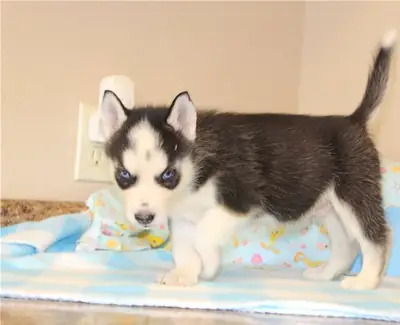
The 323 most love-collecting friend
Stunning Siberian Huskies Puppies: Email (jessicabaynton2@gmail.com)
Male
Not Educated
Free Adoption
9 views