vs
Click on the breeds above to change the breed you want to compare.
Compare Siberian Husky and Boston Terrier side by side: temperament, energy, trainability, apartment fit, shedding, lifespan, weight and free adoption listings.
Breed traits
Character & behavior
Energy level
Playfulness
Intelligence
Trainability
Protectiveness
Sociability
Can stay alone
Lifestyle fit
Apartment-friendly
No
Yes
Good with kids
Yes
Yes
Good for first-time owners
No
Yes
Shedding
Noise level
Exercise needs
Physical & general
Life span
12–15 years
11–15 years
Weight
16–27 kg
6.8–11.3 kg
Height
50–60 cm
38–43 cm
Origin
Siberia
United States
Grooming effort
Nutrition sensitivity
Health risk
Heat tolerance
Cold tolerance
When comparing the Husky and the Boston Terrier, potential pet owners should consider various factors such as size, energy levels, and overall temperament. The Husky, originating from Siberia, is a larger breed known for its high energy and exercise needs, making it suitable for active families. In contrast, the Boston Terrier, a smaller breed from the United States, is more adaptable to apartment living and has a lower exercise requirement, making it ideal for first-time owners or those with limited space. Both breeds are sociable and good with children, but their differences in trainability and grooming needs may influence a prospective owner's decision.
Siberian Husky — Advantages
High energy level, great for active families.
Good with kids, making them a family-friendly choice.
Sociable and enjoys being around people and other pets.
Strong tolerance for cold climates.
Good with kids, making them a family-friendly choice.
Sociable and enjoys being around people and other pets.
Strong tolerance for cold climates.
Disadvantages
Not apartment-friendly; requires ample space.
Higher exercise needs, which may not suit all owners.
Can be challenging to train compared to other breeds.
Sheds significantly, requiring regular grooming.
Higher exercise needs, which may not suit all owners.
Can be challenging to train compared to other breeds.
Sheds significantly, requiring regular grooming.
Boston Terrier — Advantages
Apartment-friendly, suitable for smaller living spaces.
Lower exercise needs, making them easier to manage.
Good for first-time owners due to their trainability.
Lower shedding level, resulting in less grooming maintenance.
Lower exercise needs, making them easier to manage.
Good for first-time owners due to their trainability.
Lower shedding level, resulting in less grooming maintenance.
Disadvantages
Less tolerant of cold climates compared to Huskies.
May have a higher health risk than Huskies.
Lower energy level may not suit very active families.
Less protective than Huskies, which may be a concern for some owners.
May have a higher health risk than Huskies.
Lower energy level may not suit very active families.
Less protective than Huskies, which may be a concern for some owners.
Frequently Asked Questions
Which breed is better for families with children?
Both breeds are good with kids, but the Husky's high energy may be better suited for active families.
Can a Boston Terrier live in an apartment?
Yes, Boston Terriers are apartment-friendly due to their smaller size and lower exercise needs.
How much exercise do Huskies need?
Huskies require a high level of exercise, typically needing at least an hour of vigorous activity each day.
Are Huskies easy to train?
Huskies can be challenging to train due to their independent nature and high energy.
What is the grooming requirement for a Boston Terrier?
Boston Terriers have a lower grooming difficulty and shed less, making maintenance easier.
free Siberian Husky adoption listings
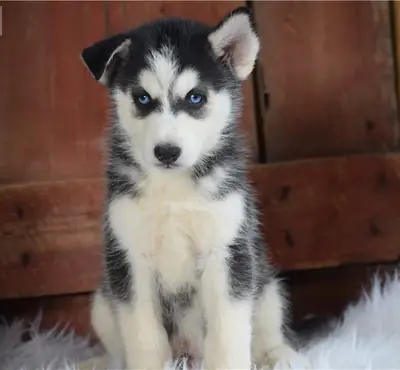
Husky Siberiano en adopción
Male
Educated
Free Adoption
27 views
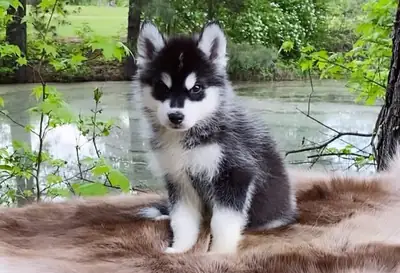
Cachorros de Husky Siberiano buscando nuevo hogar
Male
Educated
Free Adoption
16 views
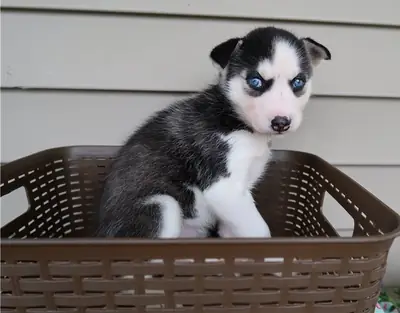
Pedigree Siberian Husky Puppies
Male
Educated
Free Adoption
19 views
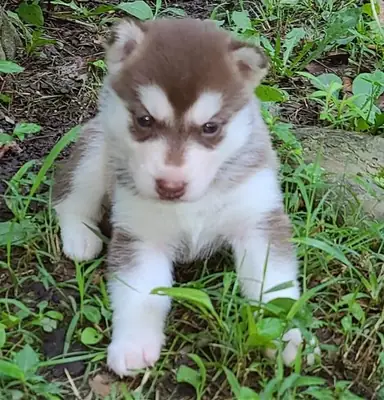
Pedigree Siberian Husky Puppies
Male
Educated
Free Adoption
37 views
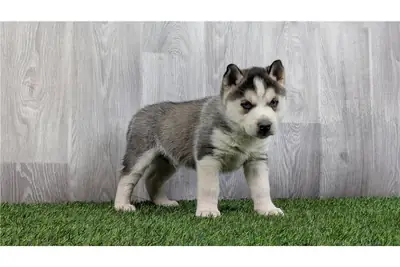
Cachorros de Husky Siberiano de pura raza masculino y femenino.
Male
Not Educated
Free Adoption
77 views
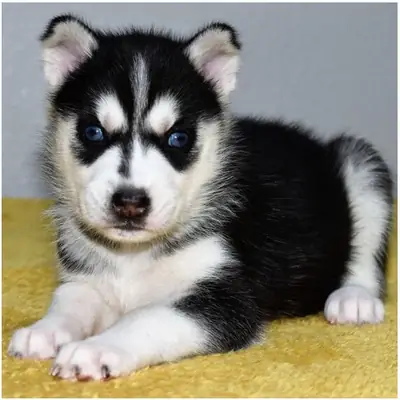
Cachorros de Husky Siberiano de pura raza.
Male
Not Educated
Free Adoption
55 views
free Boston Terrier adoption listings
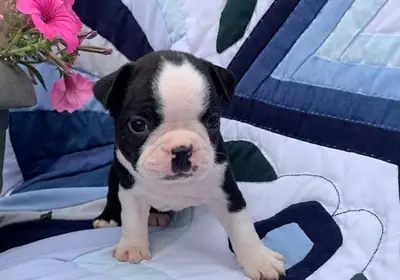
adorable Boston Terrier Puppies ready
Male
Educated
Free Adoption
21 views
adorable Boston Terrier Puppies ready
Male
Educated
Free Adoption
52 views

Cachorros de Boston Terrier felices
Male
Educated
Free Adoption
64 views

Adorable cachorros de Boston Terrier
Male
Educated
Free Adoption
54 views

Cachorros de Boston Terrier vacunados
Male
Educated
Free Adoption
55 views

Cachorros de Boston Terrier que necesitan un buen hogar definitivo.
Male
Educated
Free Adoption
63 views