vs
Click on the breeds above to change the breed you want to compare.
Compare Cocker Spaniel and Siberian Husky side by side: temperament, energy, trainability, apartment fit, shedding, lifespan, weight and free adoption listings.
Breed traits
Character & behavior
Energy level
Playfulness
Intelligence
Trainability
Protectiveness
Sociability
Can stay alone
Lifestyle fit
Apartment-friendly
Yes
No
Good with kids
Yes
Yes
Good for first-time owners
Yes
No
Shedding
Noise level
Exercise needs
Physical & general
Life span
12–15 years
12–15 years
Weight
11–13.5 kg
16–27 kg
Height
38–41 cm
50–60 cm
Origin
England
Siberia
Grooming effort
Nutrition sensitivity
Health risk
Heat tolerance
Cold tolerance
When comparing the Siberian Husky and the Cocker Spaniel, both breeds exhibit unique characteristics that cater to different lifestyles and preferences. The Siberian Husky is known for its high energy levels and sociability, making it an excellent companion for active individuals or families. In contrast, the Cocker Spaniel, with its moderate energy and trainability, is well-suited for first-time dog owners and those living in apartments. Both breeds are good with children, but their exercise needs, grooming requirements, and adaptability to living environments differ significantly. Understanding these traits can help potential owners make an informed decision based on their living situation and lifestyle.
Cocker Spaniel — Advantages
Apartment-friendly, suitable for smaller living spaces.
Good for first-time dog owners due to higher trainability.
Moderate exercise needs, easier to manage.
Good with kids, making it a family-friendly choice.
Good for first-time dog owners due to higher trainability.
Moderate exercise needs, easier to manage.
Good with kids, making it a family-friendly choice.
Disadvantages
Moderate energy level may not suit active lifestyles.
Health risks may be higher compared to Siberian Huskies.
Less tolerance to extreme cold climates.
Health risks may be higher compared to Siberian Huskies.
Less tolerance to extreme cold climates.
Siberian Husky — Advantages
High energy level, perfect for active families.
Very sociable, enjoys being around people.
Good for outdoor activities and exercise enthusiasts.
Strong tolerance to cold climates.
Very sociable, enjoys being around people.
Good for outdoor activities and exercise enthusiasts.
Strong tolerance to cold climates.
Disadvantages
Not apartment-friendly, requires ample space.
Not ideal for first-time dog owners due to training needs.
High exercise requirements can be demanding.
Heavy shedding may require more grooming.
Not ideal for first-time dog owners due to training needs.
High exercise requirements can be demanding.
Heavy shedding may require more grooming.
Frequently Asked Questions
Which breed is better for families with children?
Both breeds are good with kids, but the Cocker Spaniel may be more suitable for first-time owners.
How much exercise do these breeds need?
Siberian Huskies require more exercise (5) compared to Cocker Spaniels (4).
Are these breeds good for apartment living?
Cocker Spaniels are apartment-friendly, while Siberian Huskies are not.
Which breed sheds more?
Siberian Huskies have a higher shedding level (4) compared to Cocker Spaniels (3).
How trainable are these breeds?
Cocker Spaniels are more trainable (4) than Siberian Huskies (3).
free Cocker Spaniel adoption listings

Cocker spaniel puppies
Male
Educated
Free Adoption
159 views

Lovely cockapoo x cockailer puppies for sale
Male
Educated
Free Adoption
190 views

Cocker Spaniel Puppy For Adoption
Male
Educated
Free Adoption
336 views

Cute Male and Female Cocker Spaniel Puppies..Text on WhatsApp ..Contact... +34 631 98 70 80
Male
Not Educated
Free Adoption
381 views

KC Registered Working Cocker Spaniel Puppies
Male
Educated
Free Adoption
388 views

Show type cocker spaniels
Male
Educated
Free Adoption
377 views
free Siberian Husky adoption listings

Siberian husky pups
Male
Educated
Free Adoption
65 views
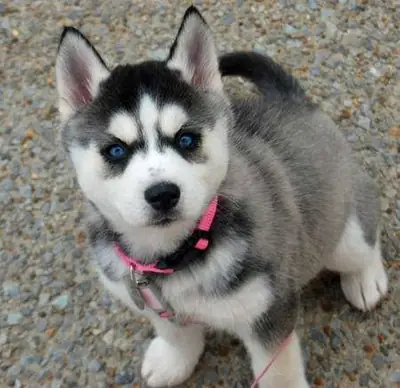
Stunning Litter of AKC Registered Siberian Husky Puppies
Male
Educated
Free Adoption
61 views
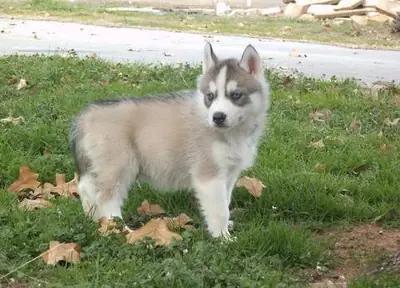
Cachorros de Husky Siberiano listos para entrega inmediata
Male
Not Educated
Free Adoption
73 views
Lovely Siberian Huskies for Pet Lovers Email: vanessablandine854@gmail.com
Male
Educated
Free Adoption
117 views
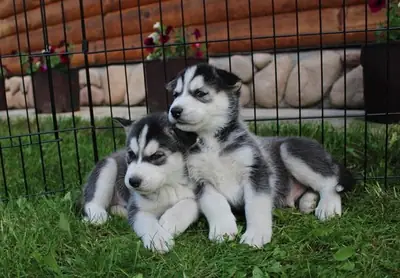
Husky Siberiano para adopcion contáctame por whatsapp a través de (+34)611386992
Male
Educated
Free Adoption
127 views

cachorros Husky
Male
Educated
Free Adoption
139 views