vs
Click on the breeds above to change the breed you want to compare.
Compare Husky and Anatolian Shepherd Dog side by side: temperament, energy, trainability, apartment fit, shedding, lifespan, weight and free adoption listings.
Breed traits
Character & behavior
Energy level
Playfulness
Intelligence
Trainability
Protectiveness
Sociability
Can stay alone
Lifestyle fit
Apartment-friendly
No
No
Good with kids
Yes
Yes
Good for first-time owners
No
No
Shedding
Noise level
Exercise needs
Physical & general
Life span
12–15 years
10–12 years
Weight
16–27 kg
30–50 kg
Height
50–60 cm
65–80 cm
Origin
Siberia
Turkey
Grooming effort
Nutrition sensitivity
Health risk
Heat tolerance
Cold tolerance
The Husky and Anatolian Shepherd Dog are both remarkable breeds with distinct characteristics that cater to different lifestyles and preferences. The Husky, originating from Siberia, is known for its high energy levels and sociable nature, making it an excellent companion for active families. In contrast, the Anatolian Shepherd Dog, hailing from Turkey, is a larger breed recognized for its protective instincts and adaptability to various climates. While both breeds are good with children, their exercise needs and trainability differ, which can influence a potential owner's choice. Understanding the advantages and disadvantages of each breed can help prospective pet owners make an informed decision that aligns with their lifestyle and home environment.
Husky — Advantages
High sociability, making them great family pets.
Excellent energy levels for active owners.
Good with children, ideal for families.
Adaptable to cold climates, suited for colder regions.
Moderate grooming difficulty.
Excellent energy levels for active owners.
Good with children, ideal for families.
Adaptable to cold climates, suited for colder regions.
Moderate grooming difficulty.
Disadvantages
Can struggle with being left alone, requiring companionship.
High shedding levels, needing regular grooming.
Not apartment-friendly due to their exercise needs.
Moderate trainability, may require consistent training efforts.
High shedding levels, needing regular grooming.
Not apartment-friendly due to their exercise needs.
Moderate trainability, may require consistent training efforts.
Anatolian Shepherd Dog — Advantages
Strong protective instincts, making them excellent guard dogs.
Can stay alone for longer periods, suitable for busy owners.
Good with children, making them family-friendly.
Lower grooming difficulty compared to Husky.
Adaptable to both hot and cold climates.
Can stay alone for longer periods, suitable for busy owners.
Good with children, making them family-friendly.
Lower grooming difficulty compared to Husky.
Adaptable to both hot and cold climates.
Disadvantages
Lower sociability, may not be as friendly with strangers.
Moderate energy levels, may not suit very active owners.
Larger size may require more space and resources.
Similar trainability level, requiring consistent training.
Moderate energy levels, may not suit very active owners.
Larger size may require more space and resources.
Similar trainability level, requiring consistent training.
Frequently Asked Questions
How much exercise do Huskies need?
Huskies require a high level of exercise, ideally around 1-2 hours daily.
Are Anatolian Shepherd Dogs good with other pets?
Anatolian Shepherd Dogs can be protective and may not always get along with other pets.
What is the lifespan of a Husky?
Huskies typically live between 12 to 15 years.
Do both breeds shed a lot?
Yes, Huskies have a high shedding level, while Anatolian Shepherds have a moderate shedding level.
Can both breeds adapt to apartment living?
Neither breed is considered apartment-friendly due to their exercise needs.
free Husky adoption listings
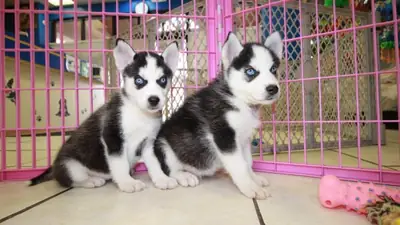
cachorros de Husky Siberiano
Male
Not Educated
Free Adoption
500 views
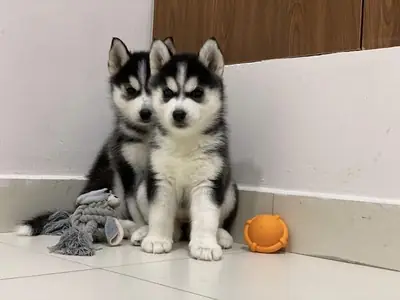
Siberian husky puppies available now
Male
Educated
Free Adoption
391 views
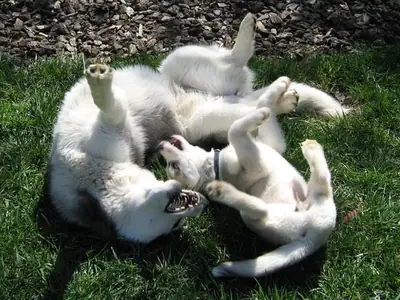
Siberian husky puppies for adoption
Male
Not Educated
Free Adoption
353 views
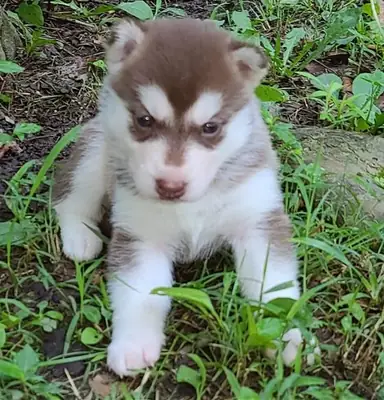
Pedigree Siberian Husky Puppies
Male
Educated
Free Adoption
564 views
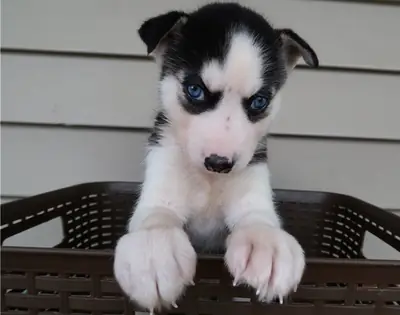
Pedigree Siberian Husky Puppies
Male
Educated
Free Adoption
582 views
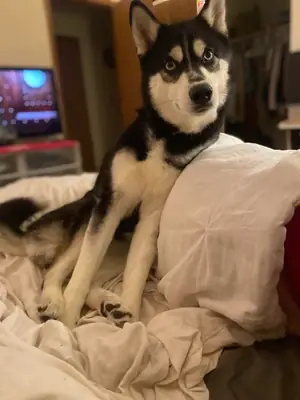
Energetic husky looking for someone who loves long walks
Male
Not Educated
Free Adoption
650 views
free Anatolian Shepherd Dog adoption listings
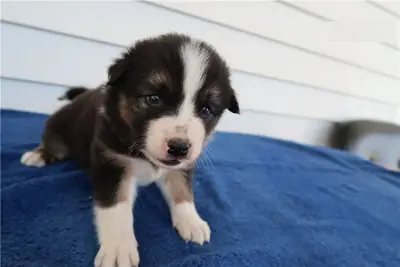
Australian Shepherd Puppy Looking For Forever Home
Male
Educated
Free Adoption
105 views
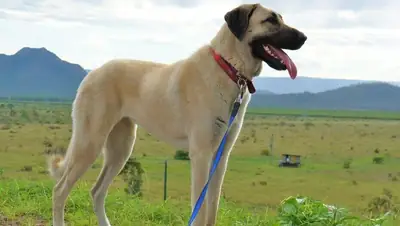
Purebred Anatolian Shepherd Dog
Male
Not Educated
Free Adoption
1038 views
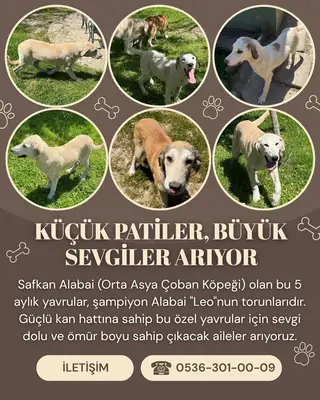
CHAMPION LEO'S GRANDCHILDREN ARE LOOKING FOR THEIR HOMES (this is a WhatsApp line, you can only reach us there)
Male
Not Educated
Free Adoption
364 views
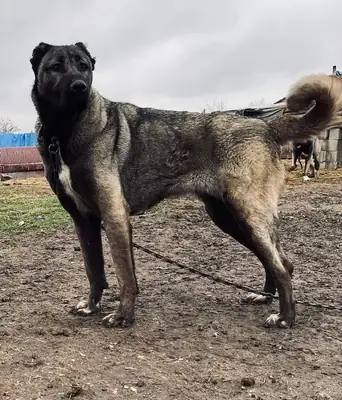
A loyal and protective Anatolian Shepherd Dog will be given away for adoption.
Male
Educated
Free Adoption
1414 views
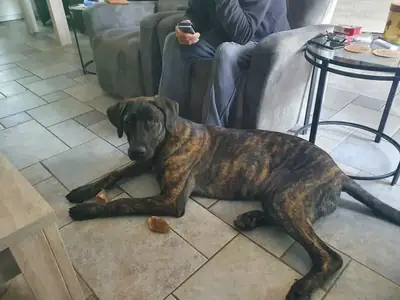
It's not suitable for the apartment, we realized that too late.
Male
Not Educated
Free Adoption
741 views