vs
Click on the breeds above to change the breed you want to compare.
Compare Siberian Husky and Bichon Frise side by side: temperament, energy, trainability, apartment fit, shedding, lifespan, weight and free adoption listings.
Breed traits
Character & behavior
Energy level
Playfulness
Intelligence
Trainability
Protectiveness
Sociability
Can stay alone
Lifestyle fit
Apartment-friendly
No
Yes
Good with kids
Yes
Yes
Good for first-time owners
No
Yes
Shedding
Noise level
Exercise needs
Physical & general
Life span
12–15 years
12–15 years
Weight
16–27 kg
5–10 kg
Height
50–60 cm
23–30 cm
Origin
Siberia
France
Grooming effort
Nutrition sensitivity
Health risk
Heat tolerance
Cold tolerance
The Siberian Husky and Bichon Frise are two distinct dog breeds, each with unique characteristics that appeal to different types of pet owners. The Siberian Husky, originating from Siberia, is known for its high energy levels and sociability, making it a great companion for active families. In contrast, the Bichon Frise, hailing from France, is a smaller, apartment-friendly breed that thrives in a more relaxed environment. Both breeds have similar lifespans, but their exercise needs, grooming difficulties, and adaptability to different living conditions vary significantly. This comparison will help potential owners understand which breed might be a better fit for their lifestyle.
Siberian Husky — Advantages
High energy level, ideal for active owners.
Great sociability, enjoys being around people and other dogs.
Good with kids, making it a family-friendly choice.
Strong climate tolerance for cold weather.
Great sociability, enjoys being around people and other dogs.
Good with kids, making it a family-friendly choice.
Strong climate tolerance for cold weather.
Disadvantages
Not apartment-friendly, requires ample space to roam.
Can be challenging for first-time owners due to training needs.
High exercise requirements, demanding regular physical activity.
Moderate grooming difficulty and heavy shedding.
Can be challenging for first-time owners due to training needs.
High exercise requirements, demanding regular physical activity.
Moderate grooming difficulty and heavy shedding.
Bichon Frise — Advantages
Apartment-friendly, suitable for smaller living spaces.
Good for first-time owners, easier to train than Huskies.
Lower exercise needs, adaptable to less active lifestyles.
Minimal shedding, making grooming easier.
Good for first-time owners, easier to train than Huskies.
Lower exercise needs, adaptable to less active lifestyles.
Minimal shedding, making grooming easier.
Disadvantages
Moderate energy level may not suit very active families.
Can be prone to separation anxiety if left alone for long periods.
Requires regular grooming, which can be time-consuming.
Can be prone to separation anxiety if left alone for long periods.
Requires regular grooming, which can be time-consuming.
Frequently Asked Questions
Which breed is better for families with young children?
Both breeds are good with kids, but the Siberian Husky may be more suitable for active families.
How much exercise do these breeds need?
Siberian Huskies require a high level of exercise, while Bichon Frises need moderate exercise.
Are either of these breeds suitable for apartment living?
The Bichon Frise is apartment-friendly, whereas the Siberian Husky is not.
How do the grooming needs compare between the two breeds?
Siberian Huskies have moderate grooming difficulty and shed heavily, while Bichon Frises require regular grooming but shed less.
Which breed is easier for first-time dog owners?
The Bichon Frise is generally easier for first-time owners compared to the Siberian Husky.
free Siberian Husky adoption listings
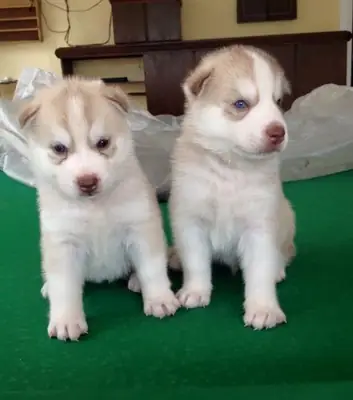
Siberian husky pups
Male
Educated
Free Adoption
115 views
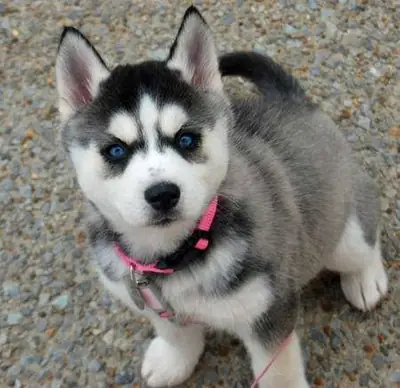
Stunning Litter of AKC Registered Siberian Husky Puppies
Male
Educated
Free Adoption
90 views
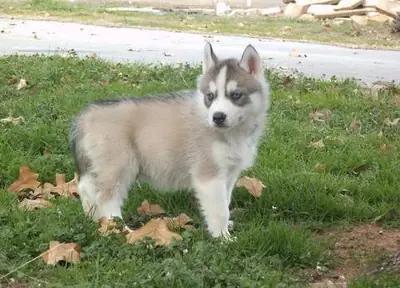
Cachorros de Husky Siberiano listos para entrega inmediata
Male
Not Educated
Free Adoption
104 views
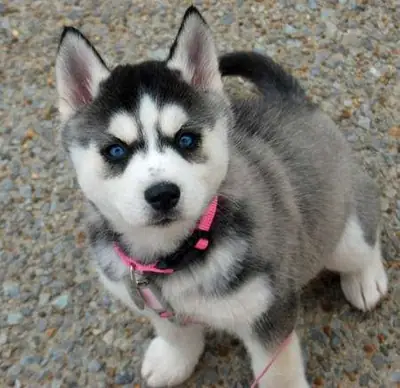
Lovely Siberian Huskies for Pet Lovers Email: vanessablandine854@gmail.com
Male
Educated
Free Adoption
157 views
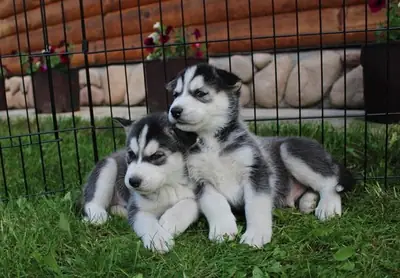
Husky Siberiano para adopcion contáctame por whatsapp a través de (+34)611386992
Male
Educated
Free Adoption
161 views
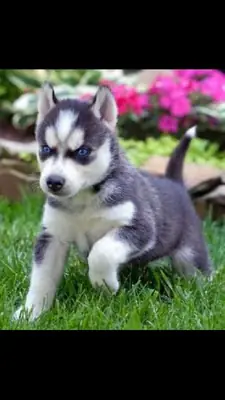
cachorros Husky
Male
Educated
Free Adoption
171 views
free Bichon Frise adoption listings

4 Bichon Frise Puppies
Male
Educated
Free Adoption
105 views

Bichon Frisé Welpen
Male
Not Educated
Free Adoption
321 views
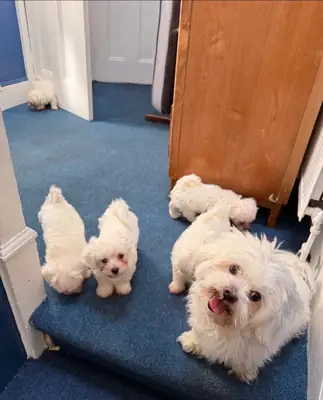
Bichon Frise Cute Puppies .. Text on WhatsApp ..Contact... +34 642 12 80 93
Male
Educated
Free Adoption
524 views

Bichone Frise Puppies
Male
Not Educated
Free Adoption
434 views
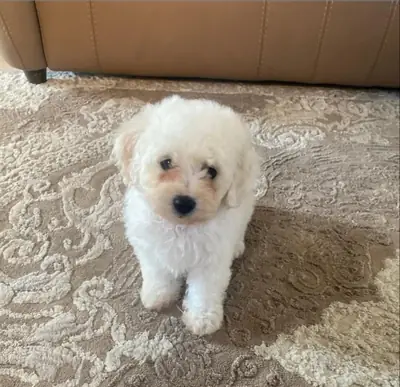
Bichon frise
Male
Educated
Free Adoption
479 views
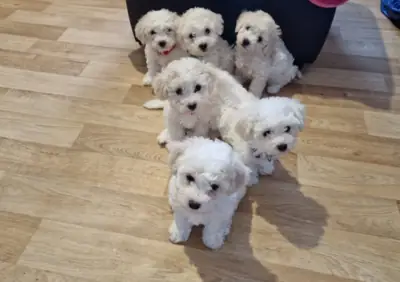
Bichon Frise puppies for sale.
Male
Educated
Free Adoption
438 views