vs
Click on the breeds above to change the breed you want to compare.
Compare Siberian Husky and English Mastiff side by side: temperament, energy, trainability, apartment fit, shedding, lifespan, weight and free adoption listings.
Breed traits
Character & behavior
Energy level
Playfulness
Intelligence
Trainability
Protectiveness
Sociability
Can stay alone
Lifestyle fit
Apartment-friendly
No
No
Good with kids
Yes
Yes
Good for first-time owners
No
No
Shedding
Noise level
Exercise needs
Physical & general
Life span
12–15 years
6–12 years
Weight
16–27 kg
54–113 kg
Height
50–60 cm
68–76 cm
Origin
Siberia
England
Grooming effort
Nutrition sensitivity
Health risk
Heat tolerance
Cold tolerance
The Siberian Husky and the English Mastiff are two distinct breeds, each with unique characteristics that cater to different lifestyles. The Siberian Husky, originating from Siberia, is known for its high energy levels and sociable nature, making it a great companion for active families. In contrast, the English Mastiff, hailing from England, is a gentle giant with a more laid-back disposition, suitable for those who prefer a calmer pet. While both breeds are good with kids, their exercise needs and overall care requirements vary significantly. Understanding these differences can help potential owners make informed decisions based on their living situations and personal preferences.
Siberian Husky — Advantages
High energy level, great for active owners.
Highly sociable, enjoys being around people.
Good with kids, making them family-friendly.
Intelligent and playful, providing an engaging pet experience.
Highly sociable, enjoys being around people.
Good with kids, making them family-friendly.
Intelligent and playful, providing an engaging pet experience.
Disadvantages
Requires a lot of exercise, not suitable for low-activity lifestyles.
Not very protective, may not deter intruders.
Can be challenging for first-time owners due to training needs.
Sheds significantly, requiring regular grooming.
Not very protective, may not deter intruders.
Can be challenging for first-time owners due to training needs.
Sheds significantly, requiring regular grooming.
English Mastiff — Advantages
Calm and gentle temperament, ideal for relaxed households.
Good with kids, making them family-friendly.
Less exercise needed, suitable for less active owners.
Lower grooming difficulty compared to Huskies.
Good with kids, making them family-friendly.
Less exercise needed, suitable for less active owners.
Lower grooming difficulty compared to Huskies.
Disadvantages
Shorter lifespan, averaging 6-12 years.
Heavier weight, requiring more space and resources.
Less sociable, may not be as engaging as a Husky.
Moderate protectiveness, may not be ideal for security.
Heavier weight, requiring more space and resources.
Less sociable, may not be as engaging as a Husky.
Moderate protectiveness, may not be ideal for security.
Frequently Asked Questions
Which breed is better for families with children?
Both breeds are good with kids, but the Siberian Husky is more playful and energetic.
How much exercise do these breeds need?
Siberian Huskies require high levels of exercise, while English Mastiffs need moderate exercise.
Are either of these breeds suitable for apartment living?
Neither breed is considered apartment-friendly due to their size and exercise needs.
How do their grooming needs compare?
Siberian Huskies shed significantly and require regular grooming, while English Mastiffs have lower grooming demands.
Which breed is more protective?
The English Mastiff is more protective compared to the Siberian Husky.
free Siberian Husky adoption listings

Cachorro macho de Husky Siberiano listo para entrega inmediata
Male
Educated
Free Adoption
1 views

Husky siberiano Por favor, contáctame a través del correo electrónico que aparece en la foto.
Male
Educated
Free Adoption
1 views
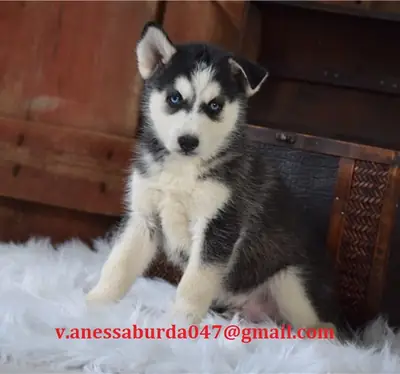
¡Cachorros de Husky Siberiano de ojos azules y con registro!
Male
Educated
Free Adoption
6 views
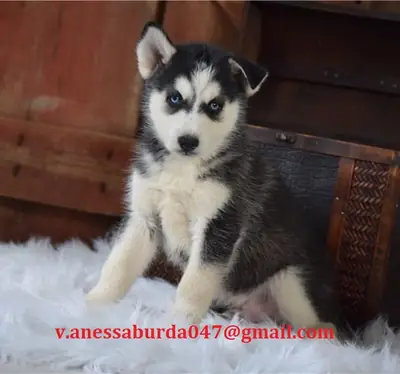
Encantadores cachorros de Husky Siberiano de ojos azules
Male
Educated
Free Adoption
2 views
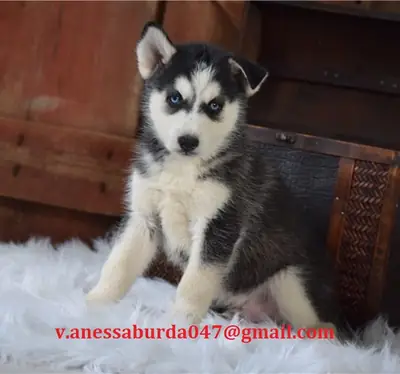
Cachorros de Husky Siberiano (macho y hembra) registrados en el AKC
Male
Educated
Free Adoption
5 views
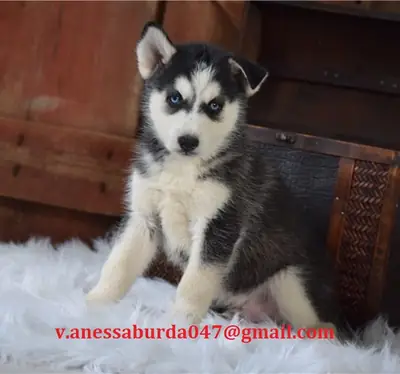
Cachorros de Husky Siberiano en adopción
Male
Educated
Free Adoption
4 views
free English Mastiff adoption listings

🏡💕 Amor, paciencia y responsabilidad son esenciales para darle a este Mastiff un hogar estable
Male
Not Educated
Free Adoption
98 views

✨🐾 Una carita llena de ternura merece una familia que la cuide. Este Mastiff busca una nueva
Male
Not Educated
Free Adoption
95 views

❤️🐶 Un compañero fiel puede estar esperando una familia como la tuya. Este Mastiff busca un hogar
Male
Not Educated
Free Adoption
84 views
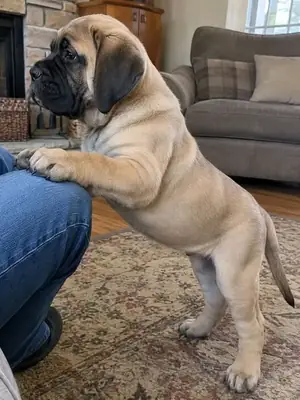
🐾🏡 La adopción responsable puede abrir una nueva etapa. Dale una oportunidad a este precioso Masti
Male
Not Educated
Free Adoption
99 views

🐶💗 Este dulce Mastiff espera encontrar un hogar donde sea tratado con paciencia, respeto y amor.
Male
Not Educated
Free Adoption
110 views

🏠❤️ Buscamos una familia comprometida que pueda brindarle a este Mastiff seguridad, atención
Male
Not Educated
Free Adoption
91 views