vs
Click on the breeds above to change the breed you want to compare.
Compare Siberian Husky and Great Dane side by side: temperament, energy, trainability, apartment fit, shedding, lifespan, weight and free adoption listings.
Breed traits
Character & behavior
Energy level
Playfulness
Intelligence
Trainability
Protectiveness
Sociability
Can stay alone
Lifestyle fit
Apartment-friendly
No
No
Good with kids
Yes
Yes
Good for first-time owners
No
No
Shedding
Noise level
Exercise needs
Physical & general
Life span
12–15 years
7–10 years
Weight
16–27 kg
50–90 kg
Height
50–60 cm
71–86 cm
Origin
Siberia
Germany
Grooming effort
Nutrition sensitivity
Health risk
Heat tolerance
Cold tolerance
The Great Dane and Siberian Husky are both popular breeds, each with unique characteristics that cater to different lifestyles. The Great Dane, known for its impressive size, typically lives for 7 to 10 years and weighs between 50 to 90 kg. Originating from Germany, they have moderate energy levels and are sociable, making them great companions for families. In contrast, the Siberian Husky, hailing from Siberia, has a longer lifespan of 12 to 15 years and weighs significantly less, between 16 to 27 kg. Huskies are known for their high energy levels and exercise needs, which make them ideal for active households. Both breeds are good with children and not particularly suited for first-time owners, but they differ greatly in size, exercise requirements, and adaptability to colder climates.
Siberian Husky — Advantages
Longer lifespan
Higher energy level, great for active owners
Excellent in cold climates
Good with kids
Sociable and playful
Higher energy level, great for active owners
Excellent in cold climates
Good with kids
Sociable and playful
Disadvantages
Higher exercise needs
More grooming required due to shedding
Not suitable for first-time owners
Lower protectiveness
Less trainable than Great Danes
More grooming required due to shedding
Not suitable for first-time owners
Lower protectiveness
Less trainable than Great Danes
Great Dane — Advantages
Good with kids
Sociable nature
Moderate exercise needs
Less grooming difficulty
Lower health risk compared to Huskies
Sociable nature
Moderate exercise needs
Less grooming difficulty
Lower health risk compared to Huskies
Disadvantages
Shorter lifespan
Requires more space due to size
Not apartment-friendly
Higher noise level
Moderate shedding level
Requires more space due to size
Not apartment-friendly
Higher noise level
Moderate shedding level
Frequently Asked Questions
Which breed is better for families with children?
Both breeds are good with kids, but Great Danes are known for their gentle nature.
How much exercise do these breeds need?
Great Danes require moderate exercise, while Siberian Huskies need a lot of physical activity.
Are either of these breeds suitable for apartment living?
Neither breed is apartment-friendly due to their size and exercise requirements.
What is the grooming difference between these two breeds?
Great Danes have lower grooming difficulty, while Siberian Huskies require more frequent grooming due to shedding.
How do they handle cold weather?
Siberian Huskies excel in cold climates, while Great Danes have moderate cold tolerance.
free Siberian Husky adoption listings
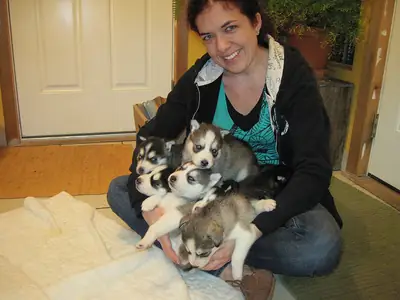
Fantásticos cachorros de husky siberiano
Male
Educated
Free Adoption
14 views
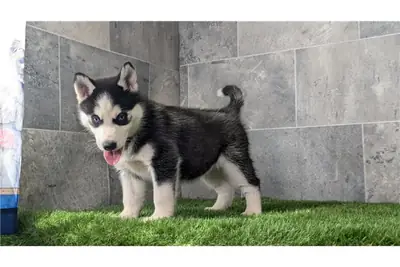
M/F cachorros Husky Siberiano para adopcion
Male
Not Educated
Free Adoption
22 views

Siberian Husky Puppy
Male
Educated
Free Adoption
56 views
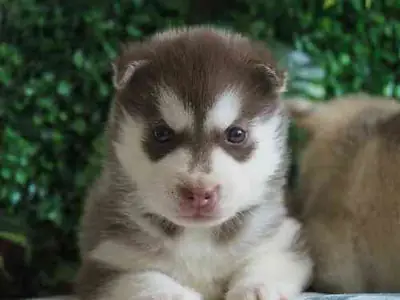
Camada Husky Siberiano
Male
Educated
Free Adoption
154 views
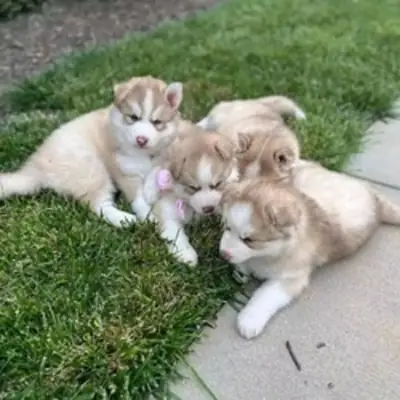
Increíbles Huskies siberianos disponibles
Male
Educated
Free Adoption
203 views
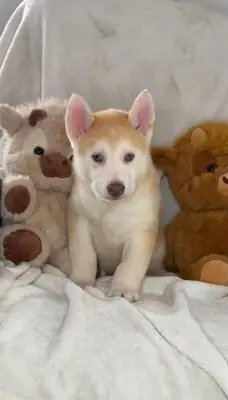
Astonishing Siberian Husky Puppies
Male
Educated
Free Adoption
136 views
free Great Dane adoption listings
Hermosos y saludables cachorros de Gran Danés disponibles
Male
Educated
Free Adoption
33 views

Great Danes Brindles For Re-homing. Adoption Fee Needed
Male
Educated
Free Adoption
52 views
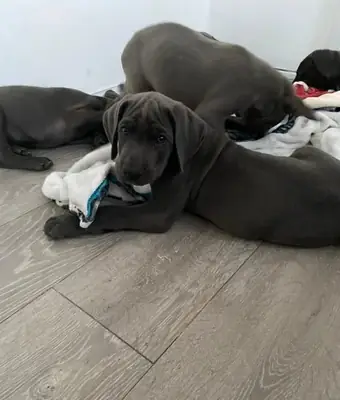
Blue Great Dane Puppies For Re-homing... Whatsapp us at........+34 642 12 80 93
Male
Educated
Free Adoption
423 views
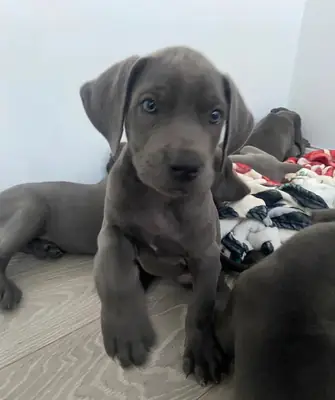
Κουτάβια Great Dane
Male
Not Educated
Free Adoption
477 views
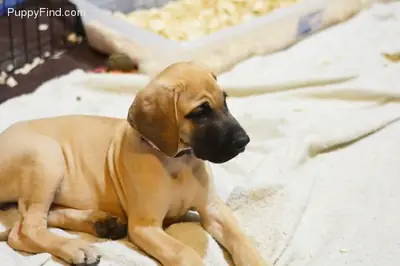
Hermosos cachorros de great dane
Male
Not Educated
Free Adoption
1254 views
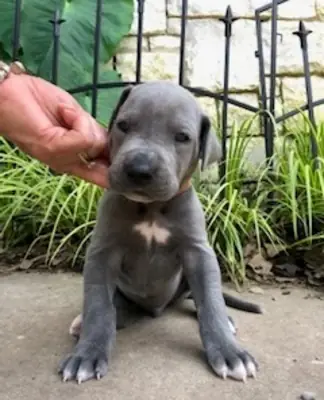
Great Dane Pups Kc Reg Licensed Breeder Ready
Male
Educated
Free Adoption
683 views