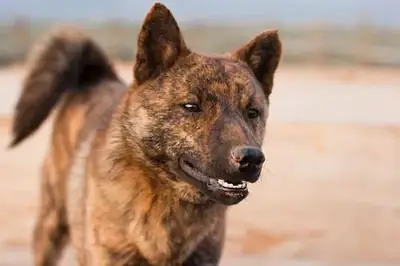
vs
Click on the breeds above to change the breed you want to compare.
Compare Siberian Husky and Kai Ken side by side: temperament, energy, trainability, apartment fit, shedding, lifespan, weight and free adoption listings.
Breed traits
Character & behavior
Energy level
Playfulness
Intelligence
Trainability
Protectiveness
Sociability
Can stay alone
Lifestyle fit
Apartment-friendly
No
No
Good with kids
Yes
Yes
Good for first-time owners
No
No
Shedding
Noise level
Exercise needs
Physical & general
Life span
12–15 years
12–15 years
Weight
16–27 kg
14–25 kg
Height
50–60 cm
43–55 cm
Origin
Siberia
Japan
Grooming effort
Nutrition sensitivity
Health risk
Heat tolerance
Cold tolerance
The Siberian Husky and Kai Ken are both unique dog breeds with distinct characteristics that appeal to different types of dog owners. The Siberian Husky, originating from Siberia, is known for its high energy levels and sociability, making it a great companion for active families. In contrast, the Kai Ken, hailing from Japan, offers a balance of protectiveness and moderate energy, which may suit those looking for a loyal and intelligent pet. While both breeds share a similar lifespan and are good with children, their exercise needs, grooming requirements, and adaptability to different climates vary significantly, influencing the decision for potential owners.
Siberian Husky — Advantages
High energy level (5) suitable for active lifestyles.
Excellent sociability (5) makes them great family pets.
Good with kids, ensuring a harmonious household.
Intelligent (4), which can lead to engaging interactions.
Excellent sociability (5) makes them great family pets.
Good with kids, ensuring a harmonious household.
Intelligent (4), which can lead to engaging interactions.
Disadvantages
Requires significant exercise (5) to prevent boredom.
Shed heavily (4), leading to more grooming needs.
Can be noisy (3), which may not suit all living environments.
Not apartment-friendly, needing more space.
Shed heavily (4), leading to more grooming needs.
Can be noisy (3), which may not suit all living environments.
Not apartment-friendly, needing more space.
Kai Ken — Advantages
Moderate energy level (4) suitable for various lifestyles.
Good protectiveness (4), making them reliable guardians.
Lower grooming difficulty (2) for easier maintenance.
Adaptable to cold climates (4), suited for various environments.
Good protectiveness (4), making them reliable guardians.
Lower grooming difficulty (2) for easier maintenance.
Adaptable to cold climates (4), suited for various environments.
Disadvantages
Sociability (3) is lower compared to Huskies, may require socialization.
Moderate exercise needs (4) may still require regular activity.
Can stay alone (2), but may not thrive without companionship.
Not as high-energy as Huskies, which could be a downside for very active owners.
Moderate exercise needs (4) may still require regular activity.
Can stay alone (2), but may not thrive without companionship.
Not as high-energy as Huskies, which could be a downside for very active owners.
Frequently Asked Questions
What is the average lifespan of a Siberian Husky and a Kai Ken?
Both breeds have a lifespan ranging from 12 to 15 years.
Are Siberian Huskies and Kai Kens good with children?
Yes, both breeds are good with kids.
How much exercise do these breeds need?
Siberian Huskies require a high level of exercise (5), while Kai Kens need a moderate amount (4).
Which breed is easier to groom?
Kai Kens have a lower grooming difficulty (2) compared to Siberian Huskies (3).
Can these breeds live in apartments?
Neither breed is considered apartment-friendly.
free Siberian Husky adoption listings
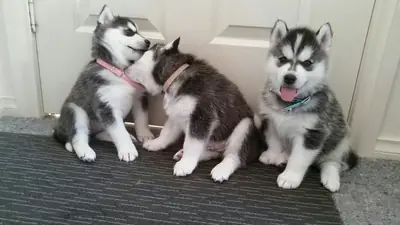
Cachorros de Husky Siberiano de raza pura registrados.
Male
Educated
Free Adoption
26 views
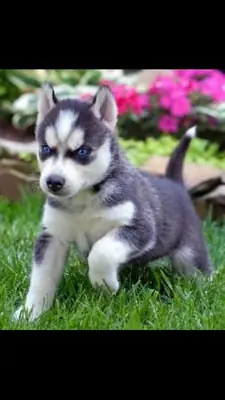
Cachorrita de Husky Siberiano, Hembra
Male
Educated
Free Adoption
6 views
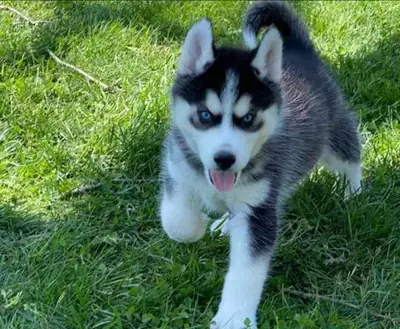
Cachorros de Husky Siberiano de ojos azules, listos para entrega.
Male
Educated
Free Adoption
11 views
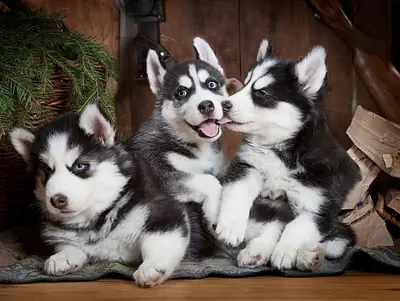
Preciosos cachorros de husky siberiano.
Male
Educated
Free Adoption
6 views
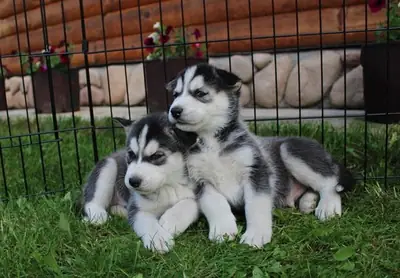
Cachorros de Husky Siberiano de raza pura AKC.
Male
Educated
Free Adoption
5 views
Siberian husky pups
Male
Educated
Free Adoption
131 views