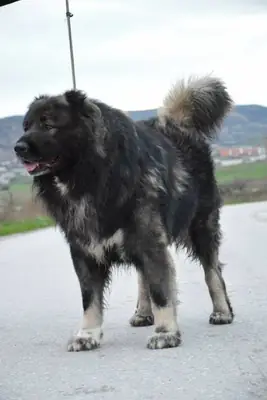
vs
Click on the breeds above to change the breed you want to compare.
Compare Siberian Husky and Kars Shepherd Dog side by side: temperament, energy, trainability, apartment fit, shedding, lifespan, weight and free adoption listings.
Breed traits
Character & behavior
Lifestyle fit
Physical & general
Siberian Husky — Advantages
- Energetic and playful, ideal for active families
- Adapted to cold climates, suitable for colder regions
- Moderate grooming difficulty
- Intelligent and trainable with consistent effort
Disadvantages
- Can be noisy at times
- Not suitable for first-time dog owners
- High shedding level, may require frequent cleaning
- Can struggle with separation anxiety
Kars Shepherd Dog — Advantages
- Larger size can deter intruders
- Moderate exercise needs, easier for some owners to manage
- Lower grooming difficulty compared to Husky
- Adapted to both cold and moderate hot climates
Disadvantages
- Requires consistent training due to its strong protective instincts
- Not ideal for first-time dog owners
- Can stay alone but may not be as comfortable with it
- Less playful compared to Husky
Frequently Asked Questions
Which breed is better for families with children?
Both breeds are good with kids, but Huskies are generally more sociable and playful.
How much exercise do each of these breeds need?
Both breeds require regular exercise, but Huskies have a higher energy level and need more physical activity.
Are either of these breeds good for first-time dog owners?
Neither breed is ideal for first-time dog owners due to their specific training and exercise needs.
How do they handle cold weather?
Huskies are well-adapted to cold climates, while Kars Shepherd Dogs also tolerate cold but to a lesser extent.
What is the grooming requirement for each breed?
Huskies have a higher shedding level and moderate grooming difficulty, while Kars Shepherd Dogs have lower grooming needs.
free Siberian Husky adoption listings
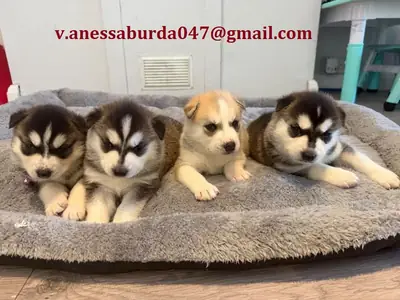
Cucciolo di Siberian Husky
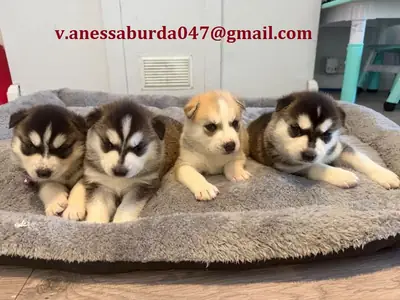
Cachorro macho de Husky Siberiano listo para entrega inmediata
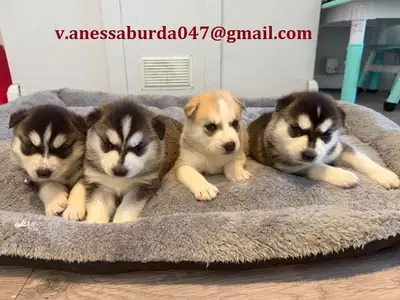
Husky siberiano Por favor, contáctame a través del correo electrónico que aparece en la foto.
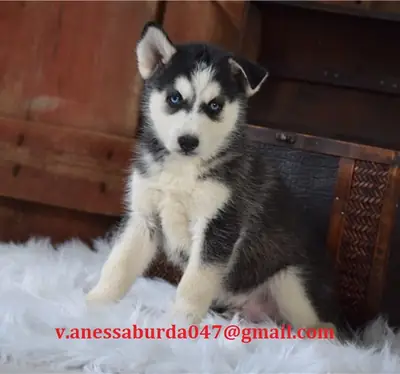
¡Cachorros de Husky Siberiano de ojos azules y con registro!
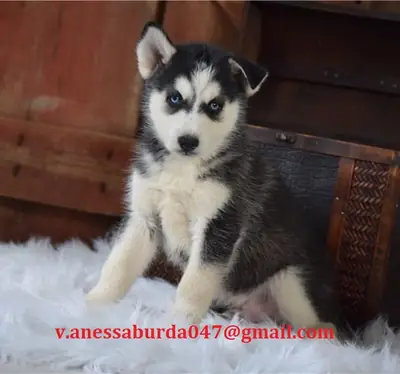
Encantadores cachorros de Husky Siberiano de ojos azules
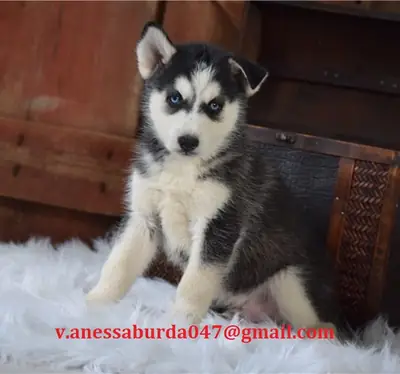
Cachorros de Husky Siberiano (macho y hembra) registrados en el AKC
free Kars Shepherd Dog adoption listings
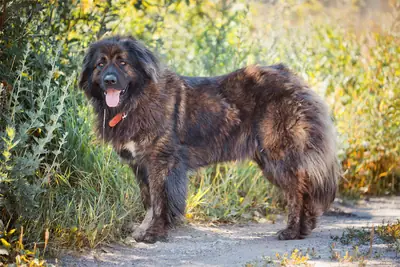
Purebred Kars Shepherd Dog

It's not suitable for the apartment, it's causing us a lot of trouble.