vs
Click on the breeds above to change the breed you want to compare.
Compare Siberian Husky and Scottish Terrier side by side: temperament, energy, trainability, apartment fit, shedding, lifespan, weight and free adoption listings.
Breed traits
Character & behavior
Energy level
Playfulness
Intelligence
Trainability
Protectiveness
Sociability
Can stay alone
Lifestyle fit
Apartment-friendly
No
Yes
Good with kids
Yes
No
Good for first-time owners
No
No
Shedding
Noise level
Exercise needs
Physical & general
Life span
12–15 years
12–15 years
Weight
16–27 kg
8.5–10.5 kg
Height
50–60 cm
25–28 cm
Origin
Siberia
Scotland
Grooming effort
Nutrition sensitivity
Health risk
Heat tolerance
Cold tolerance
The Husky and the Scottish Terrier are two distinct breeds, each with unique characteristics and suitability for different lifestyles. The Husky, originating from Siberia, is known for its high energy levels and sociability, making it a great companion for active families. In contrast, the Scottish Terrier, hailing from Scotland, is a smaller breed that is more suited for apartment living and has a moderate energy level. While both breeds share a similar lifespan, their differences in size, exercise needs, and sociability can greatly influence a potential owner's decision. Understanding these traits can help prospective pet owners choose the breed that best fits their lifestyle and preferences.
Siberian Husky — Advantages
High energy level, great for active owners
Good with kids, making them family-friendly
Highly sociable, enjoys interaction with people
Intelligent and trainable, with moderate trainability
Strong tolerance to cold climates
Good with kids, making them family-friendly
Highly sociable, enjoys interaction with people
Intelligent and trainable, with moderate trainability
Strong tolerance to cold climates
Disadvantages
Not apartment-friendly, requires space to roam
Can struggle with being left alone, needs companionship
High shedding level, may require more grooming
Moderate noise level, could be vocal
Requires a lot of exercise to stay healthy
Can struggle with being left alone, needs companionship
High shedding level, may require more grooming
Moderate noise level, could be vocal
Requires a lot of exercise to stay healthy
Scottish Terrier — Advantages
Apartment-friendly, suitable for smaller living spaces
Can stay alone for longer periods, more independent
Lower shedding level, easier to maintain
Moderate energy and exercise needs, manageable for less active owners
Good protectiveness, makes a decent watchdog
Can stay alone for longer periods, more independent
Lower shedding level, easier to maintain
Moderate energy and exercise needs, manageable for less active owners
Good protectiveness, makes a decent watchdog
Disadvantages
Not good with kids, may not be suitable for families
Lower sociability, may not enjoy large gatherings
Similar lifespan but higher health risks compared to Husky
Less tolerant to cold climates than Husky
Moderate trainability, may require patience
Lower sociability, may not enjoy large gatherings
Similar lifespan but higher health risks compared to Husky
Less tolerant to cold climates than Husky
Moderate trainability, may require patience
Frequently Asked Questions
Which breed is better for families with children?
The Husky is better suited for families with children as they are known to be good with kids.
Can both breeds live in an apartment?
The Scottish Terrier is apartment-friendly, while the Husky is not ideal for apartment living.
How much exercise do each of these breeds need?
Huskies require a high level of exercise, while Scottish Terriers have moderate exercise needs.
Are either of these breeds good for first-time dog owners?
Neither breed is particularly recommended for first-time dog owners.
How do they handle being left alone?
Scottish Terriers can stay alone for longer periods, while Huskies may struggle with separation.
free Siberian Husky adoption listings
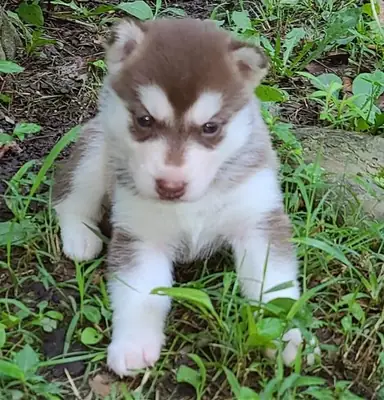
Pedigree Siberian Husky Puppies
Male
Educated
Free Adoption
13 views
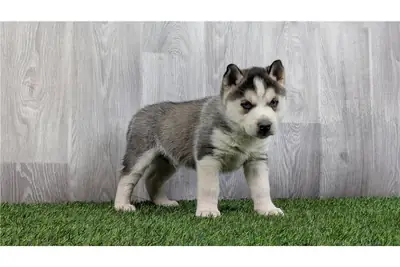
Cachorros de Husky Siberiano de pura raza masculino y femenino.
Male
Not Educated
Free Adoption
24 views
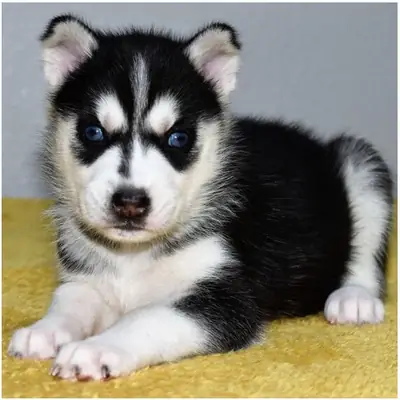
Cachorros de Husky Siberiano de pura raza.
Male
Not Educated
Free Adoption
20 views
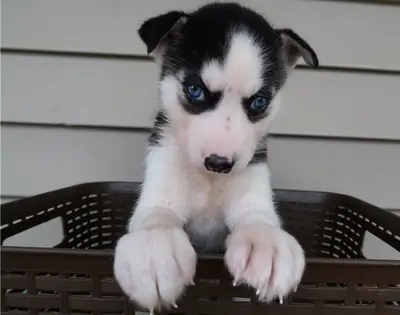
Pedigree Siberian Husky Puppies
Male
Educated
Free Adoption
19 views
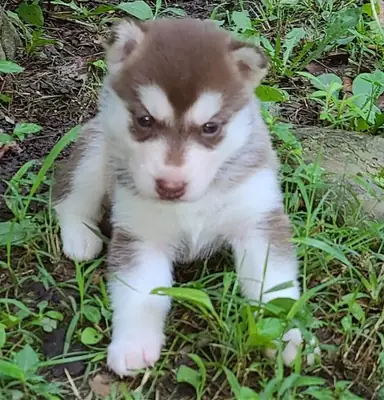
Pedigree Siberian Husky Puppies
Male
Educated
Free Adoption
59 views
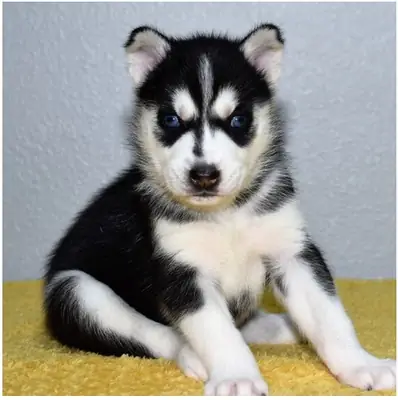
Cachorros de Husky Siberiano de pura raza masculino y femenino.
Male
Not Educated
Free Adoption
32 views
free Scottish Terrier adoption listings
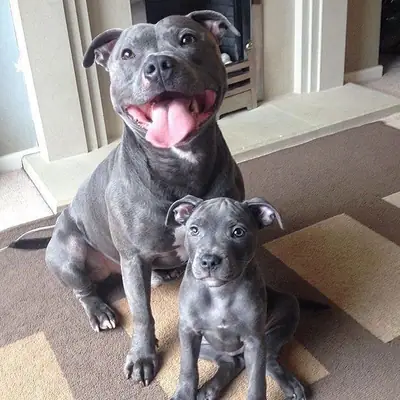
Staffordshire Pups Licensed Breeder Scotland
Male
Educated
Free Adoption
90 views

not getting the routine it needs
Male
Not Educated
Free Adoption
1284 views

Registered Miniature Schnauzer Puppies
Male
Educated
Free Adoption
274 views

Registered Miniature Schnauzer Puppies
Male
Educated
Free Adoption
284 views

Registered Miniature Schnauzer Puppies
Male
Educated
Free Adoption
366 views

Registered Miniature Schnauzer Puppies
Male
Educated
Free Adoption
399 views