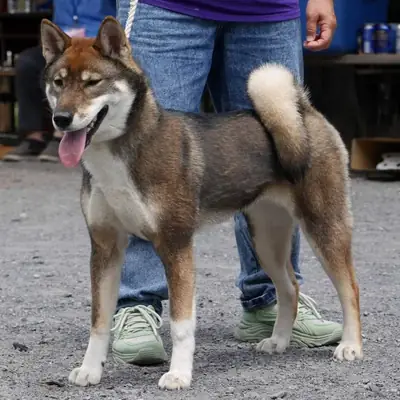
vs
Click on the breeds above to change the breed you want to compare.
Compare Siberian Husky and Shikoku side by side: temperament, energy, trainability, apartment fit, shedding, lifespan, weight and free adoption listings.
Breed traits
Character & behavior
Energy level
Playfulness
Intelligence
Trainability
Protectiveness
Sociability
Can stay alone
Lifestyle fit
Apartment-friendly
No
No
Good with kids
Yes
Yes
Good for first-time owners
No
No
Shedding
Noise level
Exercise needs
Physical & general
Life span
12–15 years
12–15 years
Weight
16–27 kg
8–12 kg
Height
50–60 cm
40–55 cm
Origin
Siberia
Japan
Grooming effort
Nutrition sensitivity
Health risk
Heat tolerance
Cold tolerance
The Husky and Shikoku are two distinct dog breeds with unique characteristics and traits. Both breeds have a lifespan ranging from 12 to 15 years, but they differ significantly in size, energy levels, and temperament. The Husky, originating from Siberia, is larger, weighing between 16 to 27 kg and standing 50 to 60 cm tall. It is known for its high energy level and sociability, making it an excellent companion for active families. In contrast, the Shikoku, hailing from Japan, is smaller, weighing 8 to 12 kg and measuring 40 to 55 cm in height. The Shikoku has a moderate energy level and is known for its protectiveness and adaptability. Both breeds are not apartment-friendly, but they are good with children. This comparison will help potential owners understand the strengths and weaknesses of each breed, enabling them to make an informed decision.
Siberian Husky — Advantages
High energy level, great for active owners
Very sociable, enjoys being around people
Good with kids, making it a family-friendly choice
Strong cold climate tolerance
Playful and intelligent, suitable for engaging activities
Very sociable, enjoys being around people
Good with kids, making it a family-friendly choice
Strong cold climate tolerance
Playful and intelligent, suitable for engaging activities
Disadvantages
Can be challenging for first-time owners
Requires a lot of exercise and mental stimulation
Moderate shedding, which may require regular grooming
Can struggle with staying alone for long periods
Noise level can be moderate, which may be a concern in certain environments
Requires a lot of exercise and mental stimulation
Moderate shedding, which may require regular grooming
Can struggle with staying alone for long periods
Noise level can be moderate, which may be a concern in certain environments
Shikoku — Advantages
Moderate energy level, easier for some owners to manage
Good protectiveness, making it a reliable watchdog
Slightly lower grooming difficulty compared to Husky
Can stay alone better than a Husky
Good with kids, making it a family-friendly option
Good protectiveness, making it a reliable watchdog
Slightly lower grooming difficulty compared to Husky
Can stay alone better than a Husky
Good with kids, making it a family-friendly option
Disadvantages
Smaller size may not suit those looking for a larger dog
Less sociable than Husky, might be more independent
Requires regular exercise but less than a Husky
Not as tolerant to cold climates as Husky
Playfulness may be lower, which could affect engagement
Less sociable than Husky, might be more independent
Requires regular exercise but less than a Husky
Not as tolerant to cold climates as Husky
Playfulness may be lower, which could affect engagement
Frequently Asked Questions
Which breed is better for families with children?
Both breeds are good with kids, but the Husky is generally more sociable and playful.
How much exercise do these breeds need?
Huskies require a high level of exercise, while Shikokus need moderate exercise.
Are these breeds good for first-time dog owners?
Neither breed is particularly recommended for first-time owners due to their unique needs.
How do they tolerate different climates?
Huskies have a strong tolerance for cold climates, while Shikokus are more adaptable to both hot and cold climates.
What is the grooming requirement for each breed?
Huskies have a moderate grooming difficulty with higher shedding, while Shikokus have a slightly lower grooming difficulty.
free Siberian Husky adoption listings
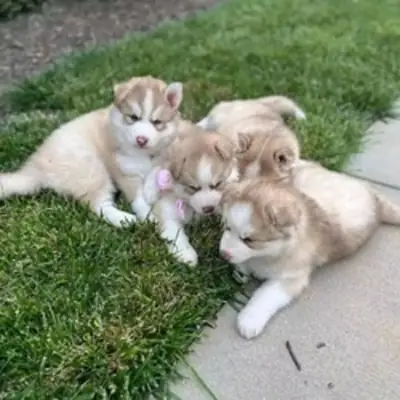
Amazing Siberian Huskies available
Male
Educated
Free Adoption
56 views

Astonishing Siberian Husky Puppies
Male
Educated
Free Adoption
45 views

Stunning Siberian Husky Puppy
Male
Educated
Free Adoption
52 views
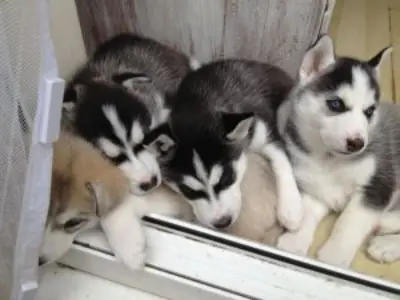
Cute and loving Siberian husky puppies
Male
Educated
Free Adoption
137 views
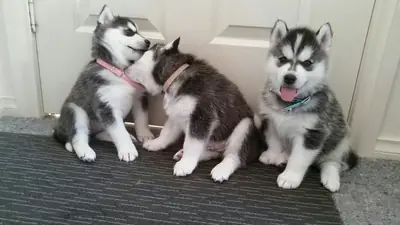
Cachorros de Husky Siberiano de raza pura registrados.
Male
Educated
Free Adoption
197 views
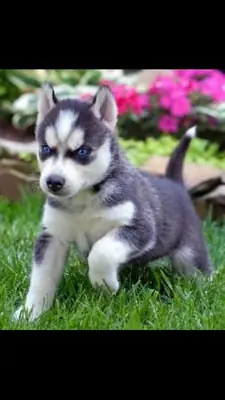
Cachorrita de Husky Siberiano, Hembra
Male
Educated
Free Adoption
155 views