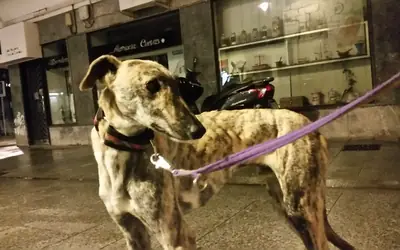
vs
Click on the breeds above to change the breed you want to compare.
Compare Siberian Husky and Turkish Greyhound side by side: temperament, energy, trainability, apartment fit, shedding, lifespan, weight and free adoption listings.
Breed traits
Character & behavior
Energy level
Playfulness
Intelligence
Trainability
Protectiveness
Sociability
Can stay alone
Lifestyle fit
Apartment-friendly
No
No
Good with kids
Yes
Yes
Good for first-time owners
No
No
Shedding
Noise level
Exercise needs
Physical & general
Life span
12–15 years
12–15 years
Weight
16–27 kg
20–30 kg
Height
50–60 cm
50–60 cm
Origin
Siberia
Turkey
Grooming effort
Nutrition sensitivity
Health risk
Heat tolerance
Cold tolerance
The Husky and the Turkish Greyhound are both energetic breeds with similar lifespans and height ranges, making them appealing choices for active families. While they share some traits, such as being good with kids and having a need for regular exercise, they differ in several aspects. The Husky is known for its high energy level and sociability, making it a playful companion. In contrast, the Turkish Greyhound has a slightly lower energy level and is known for its grooming ease. Both breeds require attention and care, but potential owners should consider their specific needs and characteristics when making a choice.
Siberian Husky — Advantages
High energy level, great for active owners.
Very sociable, enjoys being around people.
Good with kids, making it a family-friendly option.
Playful nature, providing entertainment and companionship.
Adaptable to cold climates, thriving in snowy environments.
Very sociable, enjoys being around people.
Good with kids, making it a family-friendly option.
Playful nature, providing entertainment and companionship.
Adaptable to cold climates, thriving in snowy environments.
Disadvantages
Requires significant exercise, which may be demanding for some owners.
Not suitable for apartment living due to its energy needs.
High shedding level, leading to more grooming and cleaning.
Can be challenging to train compared to other breeds.
Not suitable for apartment living due to its energy needs.
High shedding level, leading to more grooming and cleaning.
Can be challenging to train compared to other breeds.
Turkish Greyhound — Advantages
Easier grooming with a lower shedding level.
Good with kids, making it a family-friendly option.
Can tolerate hot climates better than the Husky.
Maintains a similar height range, making it comparable in size.
Good with kids, making it a family-friendly option.
Can tolerate hot climates better than the Husky.
Maintains a similar height range, making it comparable in size.
Disadvantages
Moderate energy level, which may not match very active lifestyles.
Less sociable than the Husky, potentially requiring more alone time.
Still needs regular exercise, which could be a commitment for some owners.
Not suitable for first-time owners due to its specific needs.
Less sociable than the Husky, potentially requiring more alone time.
Still needs regular exercise, which could be a commitment for some owners.
Not suitable for first-time owners due to its specific needs.
Frequently Asked Questions
Which breed is better for an active lifestyle?
The Husky has a higher energy level, making it more suitable for very active lifestyles.
Are both breeds good with children?
Yes, both the Husky and Turkish Greyhound are good with kids.
How much grooming do these breeds require?
The Husky requires more grooming due to its high shedding level, whereas the Turkish Greyhound has lower grooming needs.
Can these breeds live in an apartment?
Neither breed is considered apartment-friendly due to their exercise needs.
Which breed is easier to train?
Both breeds have similar trainability levels, but the Husky can be more challenging to train.
free Siberian Husky adoption listings

Astonishing Siberian Husky Puppies
Male
Educated
Free Adoption
4 views

Stunning Siberian Husky Puppy
Male
Educated
Free Adoption
26 views
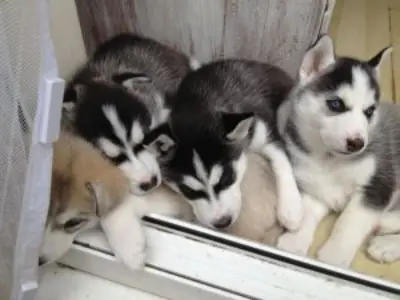
Cute and loving Siberian husky puppies
Male
Educated
Free Adoption
72 views
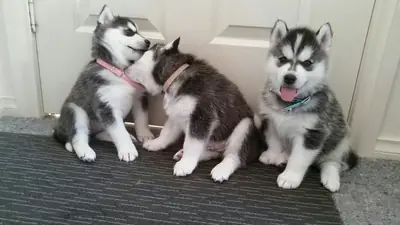
Cachorros de Husky Siberiano de raza pura registrados.
Male
Educated
Free Adoption
157 views
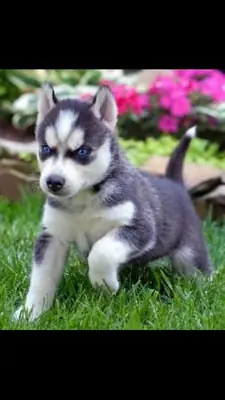
Cachorrita de Husky Siberiano, Hembra
Male
Educated
Free Adoption
135 views
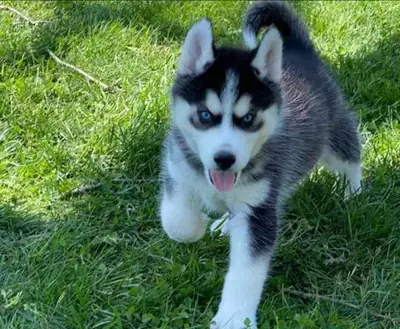
Cachorros de Husky Siberiano de ojos azules, listos para entrega.
Male
Educated
Free Adoption
160 views