vs
Click on the breeds above to change the breed you want to compare.
Compare Japanese Chin and Bichon Frise side by side: temperament, energy, trainability, apartment fit, shedding, lifespan, weight and free adoption listings.
Breed traits
Character & behavior
Energy level
Playfulness
Intelligence
Trainability
Protectiveness
Sociability
Can stay alone
Lifestyle fit
Apartment-friendly
Yes
Yes
Good with kids
Yes
Yes
Good for first-time owners
Yes
Yes
Shedding
Noise level
Exercise needs
Physical & general
Life span
12–14 years
12–15 years
Weight
1.8–3.2 kg
5–10 kg
Height
20–27 cm
23–30 cm
Origin
Japan
France
Grooming effort
Nutrition sensitivity
Health risk
Heat tolerance
Cold tolerance
The Bichon Frise and the Japanese Chin are both small, sociable breeds that make excellent companions for families and first-time dog owners. While they share some similarities, such as their friendly nature and suitability for apartment living, they also have distinct differences that may influence a potential owner's choice. The Bichon Frise tends to be slightly larger and has a higher energy level and playfulness, making it a more active companion. In contrast, the Japanese Chin is smaller and has lower exercise needs, which may appeal to those seeking a more laid-back pet. Both breeds are known for their good temperament with children and their adaptability in various living situations.
Japanese Chin — Advantages
- Smaller size (1.8-3.2 kg) is ideal for very small living spaces.
- Lower exercise needs, suitable for less active owners.
- Easier grooming with a lower grooming difficulty rating.
- Can be left alone for longer periods compared to the Bichon Frise.
- Lower exercise needs, suitable for less active owners.
- Easier grooming with a lower grooming difficulty rating.
- Can be left alone for longer periods compared to the Bichon Frise.
Disadvantages
- Slightly lower energy and playfulness may not suit active families.
- Lower trainability may require more patience during training.
- Less robust presence may not appeal to those wanting a more substantial dog.
- Lower trainability may require more patience during training.
- Less robust presence may not appeal to those wanting a more substantial dog.
Bichon Frise — Advantages
- Larger size (5-10 kg) offers a more substantial presence.
- Higher playfulness and energy level for active families.
- Good trainability, making them easier to teach tricks.
- Higher grooming difficulty may lead to a more rewarding bonding experience during grooming sessions.
- Higher playfulness and energy level for active families.
- Good trainability, making them easier to teach tricks.
- Higher grooming difficulty may lead to a more rewarding bonding experience during grooming sessions.
Disadvantages
- Requires more exercise compared to the Japanese Chin.
- Higher grooming difficulty may be challenging for some owners.
- Can stay alone for shorter periods, needing more companionship.
- Higher grooming difficulty may be challenging for some owners.
- Can stay alone for shorter periods, needing more companionship.
Frequently Asked Questions
Which breed is better for families with young children?
Both breeds are good with kids, but the Bichon Frise may be more playful and energetic.
How much exercise do these breeds need?
The Bichon Frise requires moderate exercise, while the Japanese Chin has lower exercise needs.
Are these breeds good for first-time dog owners?
Yes, both breeds are suitable for first-time dog owners due to their friendly nature and trainability.
What are the grooming needs for each breed?
The Bichon Frise has a higher grooming difficulty, while the Japanese Chin is easier to groom.
How do they tolerate being left alone?
The Bichon Frise can stay alone for shorter periods, whereas the Japanese Chin can be left alone for longer.
free Japanese Chin adoption listings
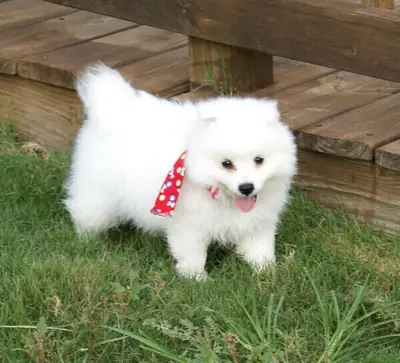
Japanese Splitz puppies
Male
Educated
Free Adoption
608 views
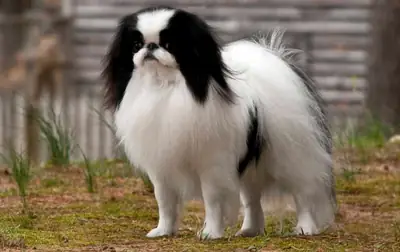
Elegant Japanese Chin for Adoption
Female
Not Educated
Free Adoption
1351 views
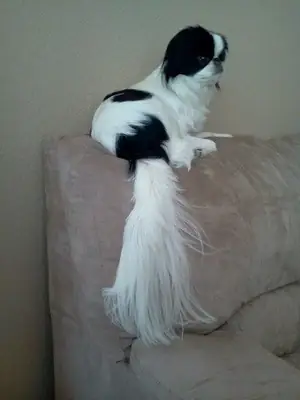
The Japanese Chin is a refined and affectionate companion.
Male
Not Educated
Free Adoption
1408 views
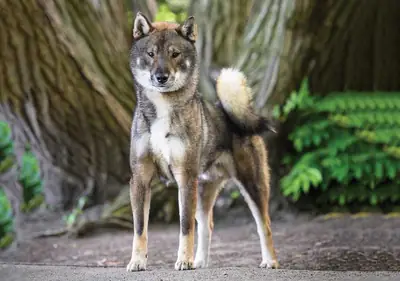
Rare Breed Shikoku Adoption
Male
Educated
Free Adoption
1294 views
free Bichon Frise adoption listings
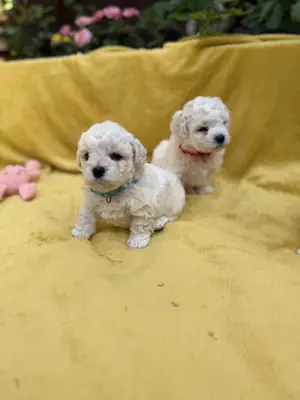
Bichon Frisé Welpen
Male
Not Educated
Free Adoption
145 views
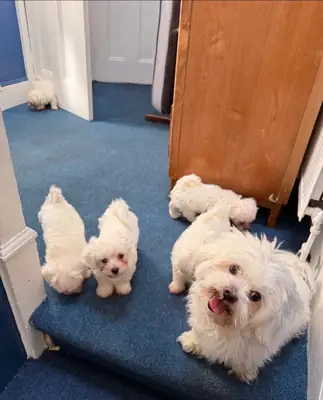
Bichon Frise Cute Puppies .. Text on WhatsApp ..Contact... +34 642 12 80 93
Male
Educated
Free Adoption
280 views
Bichone Frise Puppies
Male
Not Educated
Free Adoption
203 views
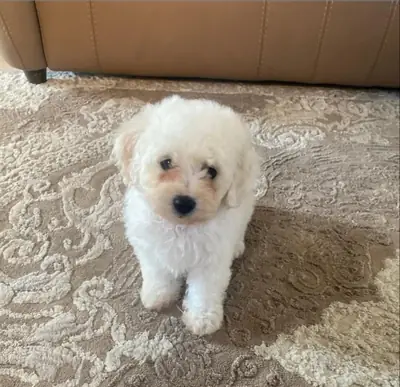
Bichon frise
Male
Educated
Free Adoption
284 views
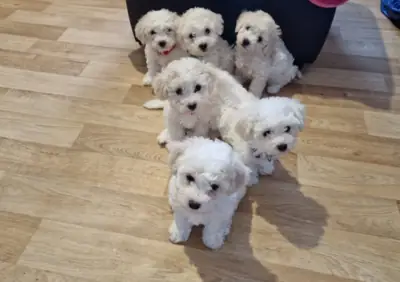
Bichon Frise puppies for sale.
Male
Educated
Free Adoption
317 views
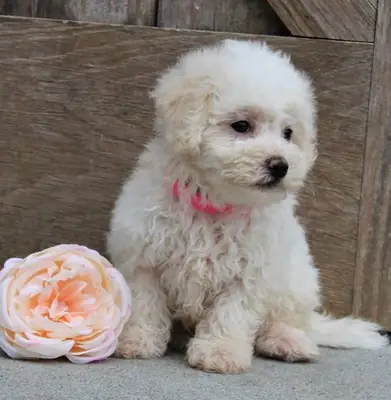
Bichón frisé: 2 machos y 3 hembras.
Male
Not Educated
Free Adoption
544 views