vs
Click on the breeds above to change the breed you want to compare.
Compare Leghorn and Cuckoo Egger side by side: temperament, energy, trainability, apartment fit, shedding, lifespan, weight and free adoption listings.
Breed traits
Character & behavior
Energy level
Playfulness
Intelligence
Trainability
Protectiveness
Sociability
Can stay alone
Lifestyle fit
Apartment-friendly
No
—
Good with kids
Yes
Yes
Good for first-time owners
Yes
Yes
Shedding
Noise level
Exercise needs
Physical & general
Life span
5–8 years
5–8 years
Weight
2–3 kg
1.5–2.5 kg
Height
30–40 cm
30–40 cm
Origin
Italy
United States
Grooming effort
Nutrition sensitivity
Health risk
Heat tolerance
Cold tolerance
The Leghorn and Cuckoo Egger are two distinct chicken breeds with unique characteristics that appeal to different poultry enthusiasts. Both breeds have a lifespan ranging from 5 to 8 years and share similar height ranges of 30-40 cm. However, they differ in origin, weight, and certain behavioral traits. The Leghorn, originating from Italy, is slightly heavier and has a higher energy level compared to the Cuckoo Egger, which hails from the United States. While both breeds are sociable and good with kids, the Leghorn is more independent and can stay alone for longer periods. In terms of playfulness, the Cuckoo Egger takes the lead, making it an engaging choice for families looking for a more interactive pet. This comparison highlights the strengths and weaknesses of each breed, helping potential owners make an informed decision.
Leghorn — Advantages
Higher energy level, making them active and engaging.
Good for first-time owners due to their manageable nature.
Sociable and good with kids, making them family-friendly.
Can tolerate hot climates better than Cuckoo Eggers.
Moderate shedding and grooming difficulty.
Good for first-time owners due to their manageable nature.
Sociable and good with kids, making them family-friendly.
Can tolerate hot climates better than Cuckoo Eggers.
Moderate shedding and grooming difficulty.
Disadvantages
Less protective compared to Cuckoo Eggers.
Not apartment-friendly, requiring more outdoor space.
Can stay alone for only a moderate amount of time.
Lower playfulness compared to Cuckoo Eggers.
Not apartment-friendly, requiring more outdoor space.
Can stay alone for only a moderate amount of time.
Lower playfulness compared to Cuckoo Eggers.
Cuckoo Egger — Advantages
More playful, providing interactive experiences for owners.
Sociable and good with kids, making them family-friendly.
Good for first-time owners due to their manageable nature.
Can stay alone for shorter periods, indicating a need for companionship.
Moderate shedding and grooming difficulty.
Sociable and good with kids, making them family-friendly.
Good for first-time owners due to their manageable nature.
Can stay alone for shorter periods, indicating a need for companionship.
Moderate shedding and grooming difficulty.
Disadvantages
Lower energy level compared to Leghorns, which may affect activity.
Less tolerant of hot climates than Leghorns.
Slightly lighter weight, which may affect their hardiness.
Less tolerant of hot climates than Leghorns.
Slightly lighter weight, which may affect their hardiness.
Frequently Asked Questions
What is the lifespan of Leghorns and Cuckoo Eggers?
Both breeds have a lifespan of 5 to 8 years.
Are Leghorns or Cuckoo Eggers better for families with children?
Both breeds are good with kids, making them suitable for family environments.
Which breed is more active?
Leghorns have a higher energy level compared to Cuckoo Eggers.
Can either breed adapt to apartment living?
Leghorns are not apartment-friendly, while the apartment suitability of Cuckoo Eggers is unclear.
How do the grooming needs compare between the two breeds?
Both breeds have a moderate grooming difficulty and shedding level.
free Leghorn adoption listings
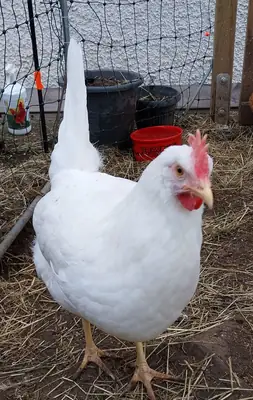
Lovable, feedable pet
Leghorn for adoption
Female
Not Educated
Free Adoption
1980 views
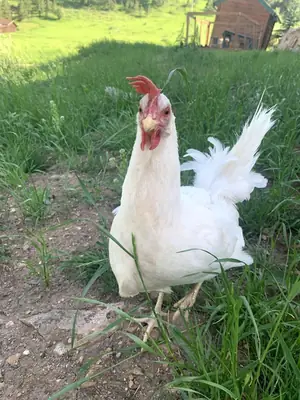
Leghorn chicken in good hands
Female
Not Educated
Free Adoption
1414 views
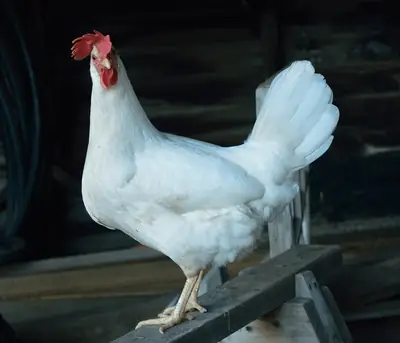
Healthy Leghorn Chickens – Adoption
Female
Not Educated
Free Adoption
2025 views
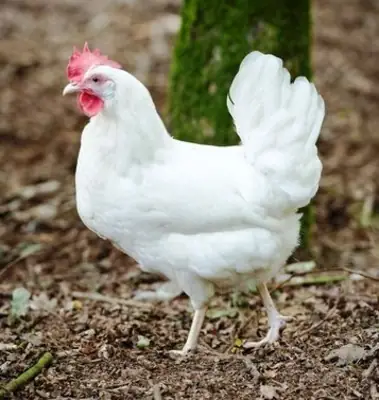
Lovable, feedable pet
Leghorn Chicken
Female
Not Educated
Free Adoption
1577 views
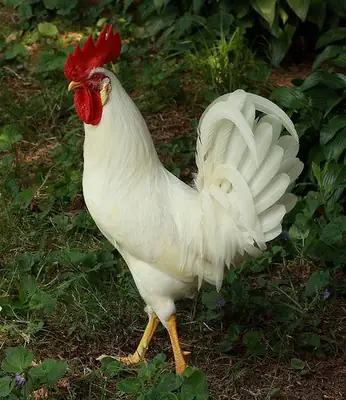
Leghorn Rooster
Male
Not Educated
Free Adoption
1595 views
free Cuckoo Egger adoption listings
No listings for this breed at the moment.