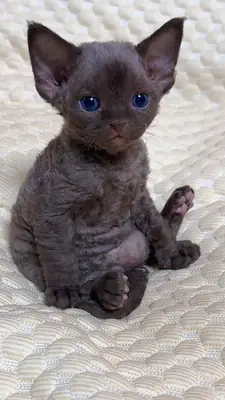
vs
Click on the breeds above to change the breed you want to compare.
Compare Norwegian Forest Cat and Ural Rex side by side: temperament, energy, trainability, apartment fit, shedding, lifespan, weight and free adoption listings.
Breed traits
Character & behavior
Energy level
Playfulness
Intelligence
Trainability
Protectiveness
Sociability
Can stay alone
Lifestyle fit
Apartment-friendly
Yes
Yes
Good with kids
Yes
Yes
Good for first-time owners
Yes
Yes
Shedding
Noise level
Exercise needs
Physical & general
Life span
12–16 years
12–15 years
Weight
4.5–9 kg
3.5–5.5 kg
Height
30–40 cm
30–35 cm
Origin
Norway
Russia
Grooming effort
Nutrition sensitivity
Health risk
Heat tolerance
Cold tolerance
The Norwegian Forest Cat and Ural Rex are two distinct breeds with unique characteristics that cater to different owner preferences. The Norwegian Forest Cat, originating from Norway, is known for its robust build and adaptability to cold climates, making it a great choice for those living in cooler regions. In contrast, the Ural Rex, hailing from Russia, is smaller and has a unique curly coat, which may appeal to those who prefer a more compact feline. Both breeds are sociable and good with kids, making them suitable for families. However, their energy levels and grooming needs differ, which can influence a potential owner's decision.
Norwegian Forest Cat — Advantages
Excellent climate tolerance for cold weather
Higher exercise needs, promoting an active lifestyle
Good sociability, making them friendly companions
Suitable for first-time cat owners
Moderate grooming difficulty, making them manageable
Higher exercise needs, promoting an active lifestyle
Good sociability, making them friendly companions
Suitable for first-time cat owners
Moderate grooming difficulty, making them manageable
Disadvantages
Higher weight range, requiring more space
Moderate shedding level, which may require regular cleaning
Noise level is slightly lower, which might not appeal to those wanting a more vocal cat
Moderate shedding level, which may require regular cleaning
Noise level is slightly lower, which might not appeal to those wanting a more vocal cat
Ural Rex — Advantages
Compact size, ideal for smaller living spaces
Lower shedding level, resulting in less cleaning
Easier grooming requirements, making maintenance simpler
Good sociability, making them friendly companions
Moderate climate tolerance for hot weather
Lower shedding level, resulting in less cleaning
Easier grooming requirements, making maintenance simpler
Good sociability, making them friendly companions
Moderate climate tolerance for hot weather
Disadvantages
Slightly lower energy level, which may not suit active owners
Shorter lifespan compared to Norwegian Forest Cat
Less tolerance for cold climates, potentially limiting living conditions
Shorter lifespan compared to Norwegian Forest Cat
Less tolerance for cold climates, potentially limiting living conditions
Frequently Asked Questions
What is the average lifespan of each breed?
Norwegian Forest Cats typically live between 12 to 16 years, while Ural Rex cats have a lifespan of 12 to 15 years.
Are these breeds good for families with children?
Yes, both breeds are known to be good with kids, making them suitable family pets.
How much grooming do these breeds require?
Norwegian Forest Cats have a moderate grooming difficulty, while Ural Rex cats are easier to groom.
Can these breeds adapt to apartment living?
Both breeds are apartment-friendly, but Norwegian Forest Cats may require more space due to their larger size.
What are the exercise needs of these breeds?
Norwegian Forest Cats have higher exercise needs, while Ural Rex cats have moderate exercise requirements.
free Norwegian Forest Cat adoption listings
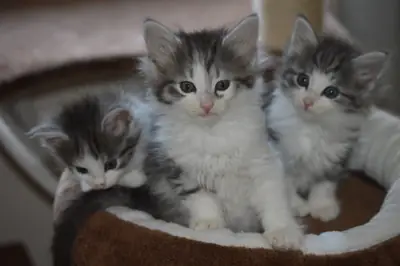
Norwegian Forrest Mainecoon Email : jacobmatirns@gmail.com
Male
Educated
Free Adoption
312 views
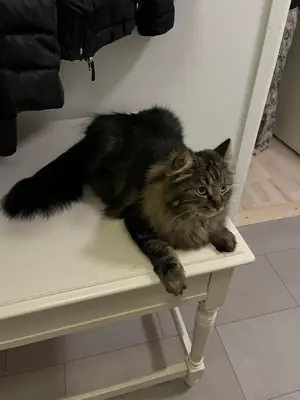
Indoor norwegian forest cat
Male
Not Educated
Free Adoption
1194 views
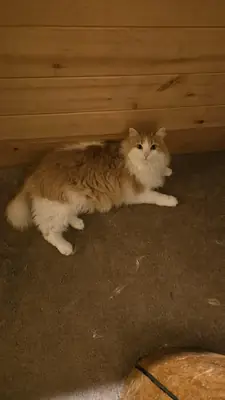
better suited to a quieter household
Male
Not Educated
Free Adoption
1076 views
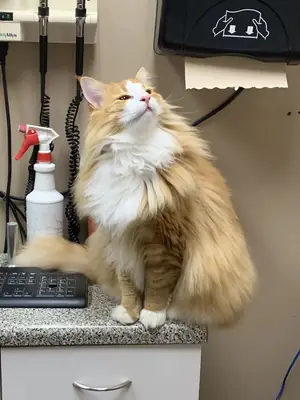
indoor cat, change in circumstances
Male
Not Educated
Free Adoption
958 views
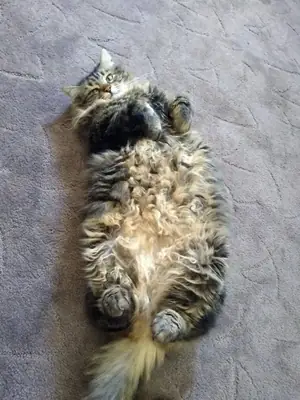
Adopt a Norwegian Forest Cat | Friendly & Playful
Female
Not Educated
Free Adoption
1583 views
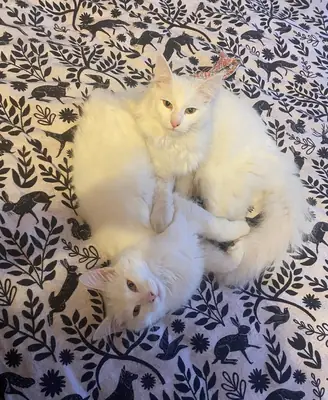
Norwegian Forest Kittens (Email (lienlesley@gmail.com)
Male
Educated
Free Adoption
816 views