vs
Click on the breeds above to change the breed you want to compare.
Compare Nureongi and Havanese side by side: temperament, energy, trainability, apartment fit, shedding, lifespan, weight and free adoption listings.
Breed traits
Character & behavior
Energy level
Playfulness
Intelligence
Trainability
Protectiveness
Sociability
Can stay alone
Lifestyle fit
Apartment-friendly
Yes
Yes
Good with kids
Yes
Yes
Good for first-time owners
Yes
Yes
Shedding
Noise level
Exercise needs
Physical & general
Life span
10–15 years
12–15 years
Weight
15–30 kg
4.5–8.1 kg
Height
30–50 cm
23–30 cm
Origin
South Korea
Cuba
Grooming effort
Nutrition sensitivity
Health risk
Heat tolerance
Cold tolerance
The Havanese and Nureongi are both charming dog breeds with distinct characteristics that cater to different lifestyles. The Havanese, originating from Cuba, is a small breed known for its sociable and playful nature, making it ideal for families and first-time owners. In contrast, the Nureongi, hailing from South Korea, is a larger breed with a strong protective instinct and a similar sociability level. While both breeds are apartment-friendly and good with children, their size, weight, and protective traits differ significantly. Prospective owners should consider their living situations and personal preferences when choosing between these two breeds.
Nureongi — Advantages
Larger size may offer more protection for families.
Higher protectiveness level, making it a good watchdog.
Good with kids and suitable for first-time owners.
Moderate grooming difficulty, making maintenance easier.
Higher protectiveness level, making it a good watchdog.
Good with kids and suitable for first-time owners.
Moderate grooming difficulty, making maintenance easier.
Disadvantages
Requires more space due to larger size.
Can stay alone longer, but may still experience anxiety.
Lower sociability compared to Havanese.
Can stay alone longer, but may still experience anxiety.
Lower sociability compared to Havanese.
Havanese — Advantages
Small size makes it suitable for apartments.
Highly sociable and friendly with children.
Good for first-time dog owners.
Moderate energy level, making exercise manageable.
Lower trainability and intelligence scores mean it's easier to bond.
Highly sociable and friendly with children.
Good for first-time dog owners.
Moderate energy level, making exercise manageable.
Lower trainability and intelligence scores mean it's easier to bond.
Disadvantages
Can be prone to separation anxiety due to lower ability to stay alone.
Requires regular grooming due to moderate grooming difficulty.
Less protective compared to Nureongi.
Requires regular grooming due to moderate grooming difficulty.
Less protective compared to Nureongi.
Frequently Asked Questions
What is the average lifespan of Havanese and Nureongi?
Havanese typically live between 12 to 15 years, while Nureongi have a lifespan of 10 to 15 years.
Are Havanese and Nureongi good with children?
Yes, both breeds are known to be good with children.
Which breed is more suitable for apartment living?
Both breeds are apartment-friendly, but Havanese may be more adaptable due to their smaller size.
How much exercise do Havanese and Nureongi need?
Both breeds have a moderate exercise need, making them manageable for most owners.
How do the grooming needs compare between the two breeds?
Havanese have a moderate grooming difficulty, while Nureongi have a lower grooming requirement.
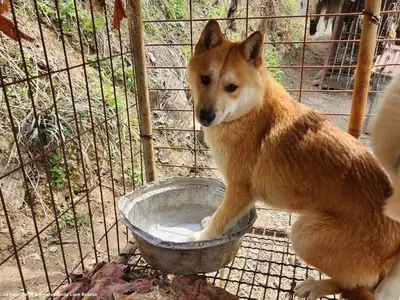
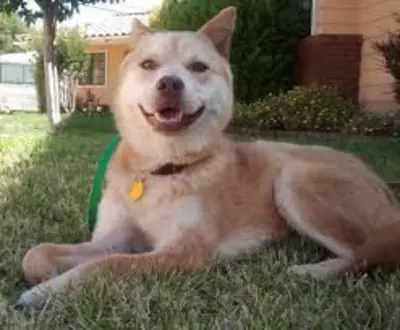
free Nureongi adoption listings
free Havanese adoption listings

English Bull Terrier Puppies One girl one boy remaining ready to go.
Male
Educated
Free Adoption
518 views
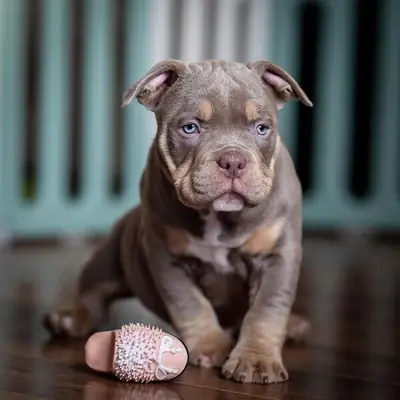
American Pittbull pupies
Male
Educated
Free Adoption
699 views

small dog, needs more time than I have
Male
Not Educated
Free Adoption
1121 views

Lovable, feedable pet
Havana Marasians available for free adoption | Gentle temperament, suitable for families
Female
Not Educated
Free Adoption
1736 views

Lovable, feedable pet
Adoption of a sweet and cheerful Havanese Bichon
Female
Educated
Free Adoption
1890 views