vs
Click on the breeds above to change the breed you want to compare.
Compare Russian Blue and Ural Rex side by side: temperament, energy, trainability, apartment fit, shedding, lifespan, weight and free adoption listings.
Breed traits
Character & behavior
Energy level
Playfulness
Intelligence
Trainability
Protectiveness
Sociability
Can stay alone
Lifestyle fit
Apartment-friendly
Yes
Yes
Good with kids
Yes
Yes
Good for first-time owners
Yes
Yes
Shedding
Noise level
Exercise needs
Physical & general
Life span
15–20 years
12–15 years
Weight
3.5–5.5 kg
3.5–5.5 kg
Height
30–35 cm
30–35 cm
Origin
Russia
Russia
Grooming effort
Nutrition sensitivity
Health risk
Heat tolerance
Cold tolerance
The Russian Blue and Ural Rex are both charming cat breeds originating from Russia, sharing similar weight, height, and apartment-friendly characteristics. While both breeds are sociable and good with kids, they differ in lifespan, intelligence, and trainability. The Russian Blue boasts a longer lifespan of 15 to 20 years, making it a potentially more enduring companion. It also has a higher intelligence and trainability rating, suggesting it may be easier to teach and engage. In contrast, the Ural Rex, with a lifespan of 12 to 15 years, offers a slightly lower intelligence and trainability but excels in sociability. Pet owners might find the Ural Rex to be more outgoing, making it a delightful choice for families seeking a playful and interactive pet. Ultimately, the choice between these two breeds will depend on individual preferences regarding lifespan, intelligence, and sociability.
Russian Blue — Advantages
Longer lifespan (15-20 years)
Higher intelligence (5)
Better trainability (4)
Good balance of energy and playfulness
Low shedding and grooming difficulty
Higher intelligence (5)
Better trainability (4)
Good balance of energy and playfulness
Low shedding and grooming difficulty
Disadvantages
Moderate sociability (4) compared to Ural Rex
Lower noise level may be less engaging for some owners
Lower noise level may be less engaging for some owners
Ural Rex — Advantages
Higher sociability (5)
Good with kids and first-time owners
Similar weight and height to Russian Blue
Low shedding and grooming difficulty
Same energy and exercise needs
Good with kids and first-time owners
Similar weight and height to Russian Blue
Low shedding and grooming difficulty
Same energy and exercise needs
Disadvantages
Shorter lifespan (12-15 years)
Lower intelligence (4) and trainability (3)
Moderate noise level (3) may be less ideal for quiet homes
Lower intelligence (4) and trainability (3)
Moderate noise level (3) may be less ideal for quiet homes
Frequently Asked Questions
What is the average lifespan of a Russian Blue?
The average lifespan of a Russian Blue is between 15 to 20 years.
Are Russian Blues good for first-time cat owners?
Yes, Russian Blues are good for first-time owners.
How do the energy levels compare between Russian Blue and Ural Rex?
Both breeds have a similar energy level of 3, indicating moderate energy needs.
Is the Ural Rex more sociable than the Russian Blue?
Yes, the Ural Rex has a higher sociability rating of 5 compared to the Russian Blue's rating of 4.
Can both breeds live comfortably in an apartment?
Yes, both the Russian Blue and Ural Rex are apartment-friendly.
free Russian Blue adoption listings
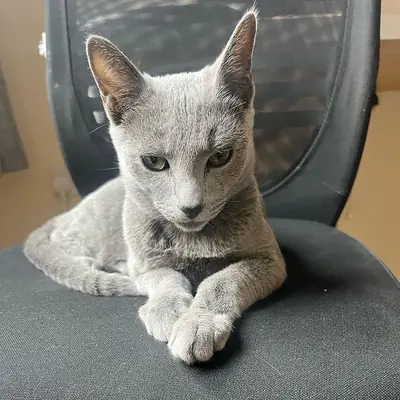
Muy juguetón y sociable con otros gatos
Male
Educated
Free Adoption
67 views
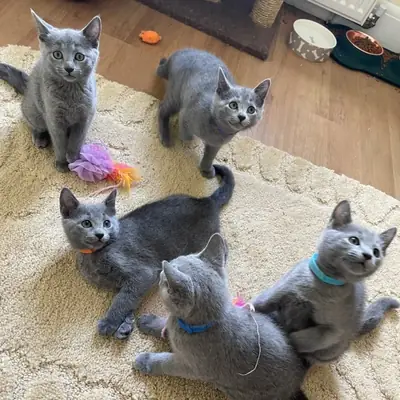
Russian Blue Kittens Available
Male
Educated
Free Adoption
299 views
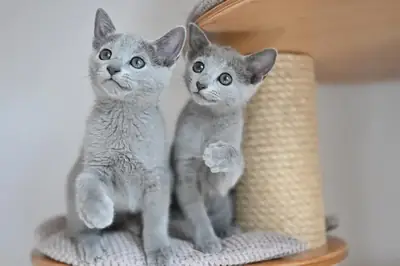
Russian Blue kittens
Male
Educated
Free Adoption
324 views
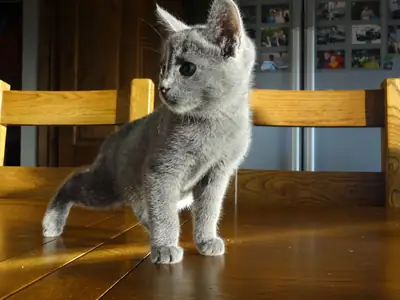
The 340 most love-collecting friend
🐾 Beautiful Russian Blue Kittens (jessicabaynton2@gmail.com)🐾
Male
Not Educated
Free Adoption
296 views
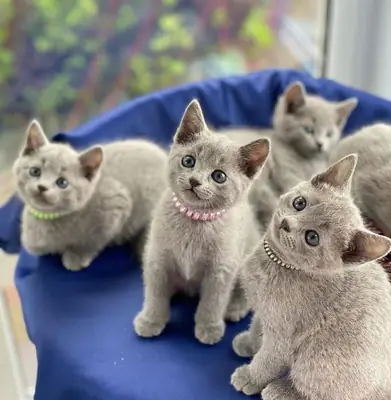
Gatito Russian Blue de Mirada Encantadora Busca un Hogar 🐱💙 | WhatsApp: +34 632 000 221
Male
Educated
Free Adoption
305 views
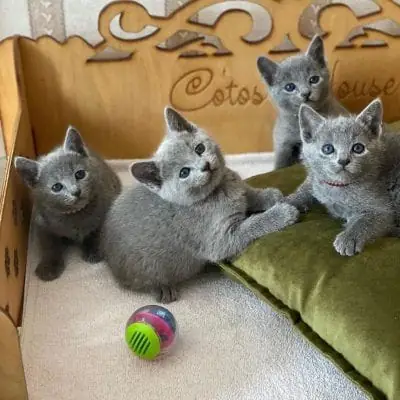
Adorable Gatito Russian Blue Esperando a su Nueva Familia 🐾🐱 | WhatsApp: +34 632 000 221
Male
Educated
Free Adoption
341 views