vs
Click on the breeds above to change the breed you want to compare.
Compare Scottish Deerhound and Siberian Husky side by side: temperament, energy, trainability, apartment fit, shedding, lifespan, weight and free adoption listings.
Breed traits
Character & behavior
Energy level
Playfulness
Intelligence
Trainability
Protectiveness
Sociability
Can stay alone
Lifestyle fit
Apartment-friendly
No
No
Good with kids
Yes
Yes
Good for first-time owners
No
No
Shedding
Noise level
Exercise needs
Physical & general
Life span
8–11 years
12–15 years
Weight
34–50 kg
16–27 kg
Height
68–81 cm
50–60 cm
Origin
Scotland
Siberia
Grooming effort
Nutrition sensitivity
Health risk
Heat tolerance
Cold tolerance
The Husky and Scottish Deerhound are both unique breeds with distinct characteristics. The Husky, originating from Siberia, is known for its high energy levels and sociability, making it a popular choice for active families. With a life expectancy of 12 to 15 years, they thrive in cold climates and require regular exercise. In contrast, the Scottish Deerhound, hailing from Scotland, has a shorter lifespan of 8 to 11 years and is slightly larger in size. While both breeds are good with children and not suitable for first-time owners, the Deerhound is less demanding in terms of grooming and noise levels. Each breed offers its own set of advantages and challenges, making the choice dependent on the owner's lifestyle and preferences.
Scottish Deerhound — Advantages
Gentle temperament, good with children.
Lower grooming needs compared to the Husky.
Less noise, making them more suitable for quieter environments.
Moderate energy level, easier to manage for some owners.
Lower grooming needs compared to the Husky.
Less noise, making them more suitable for quieter environments.
Moderate energy level, easier to manage for some owners.
Disadvantages
Shorter lifespan compared to the Husky.
Requires regular exercise but less intense than a Husky.
Can be less sociable than Huskies, depending on individual personality.
Not suitable for hot climates.
Requires regular exercise but less intense than a Husky.
Can be less sociable than Huskies, depending on individual personality.
Not suitable for hot climates.
Siberian Husky — Advantages
High energy level, ideal for active families.
Sociable and friendly with people and other pets.
Good with children, making them family-friendly.
Resilient in cold climates, thriving in snowy conditions.
Sociable and friendly with people and other pets.
Good with children, making them family-friendly.
Resilient in cold climates, thriving in snowy conditions.
Disadvantages
Requires significant exercise and mental stimulation.
Can be challenging to train due to independent nature.
High shedding level requires regular grooming.
Not suitable for apartment living due to space needs.
Can be challenging to train due to independent nature.
High shedding level requires regular grooming.
Not suitable for apartment living due to space needs.
Frequently Asked Questions
Which breed is better for families with children?
Both breeds are good with kids, but the Husky is often more energetic and playful.
How much exercise do each of these breeds need?
Huskies require high levels of exercise, while Scottish Deerhounds need moderate exercise.
Are either of these breeds good for first-time dog owners?
Neither breed is recommended for first-time owners due to their specific needs and training challenges.
What is the grooming requirement for each breed?
Huskies have a high shedding level and require regular grooming, while Scottish Deerhounds have lower grooming needs.
How do these breeds handle cold weather?
Huskies are well-suited for cold climates, whereas Scottish Deerhounds can tolerate it but are not as resilient.
free Scottish Deerhound adoption listings
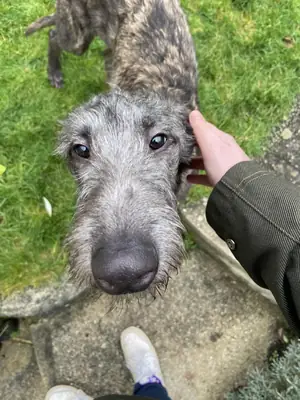
Lovable, feedable pet
Elegant Scottish Deerhound “Ragnar” – Looking for a Forever Home
Female
Educated
Free Adoption
1679 views
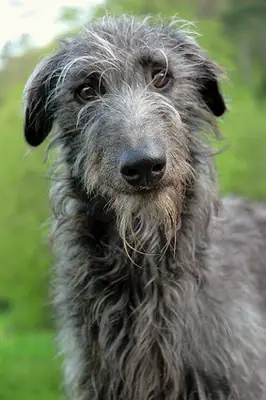
Scottish Greyhound, a noble breed, for adoption
Male
Educated
Free Adoption
1355 views
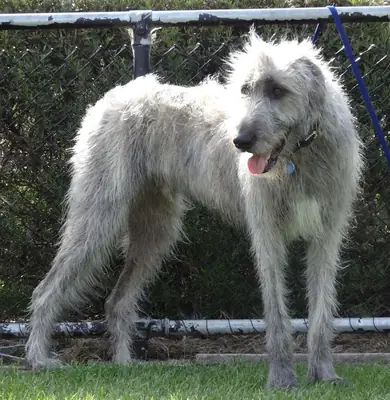
The 322 most love-collecting friend
Greyhound with a passport from Scotland
Male
Educated
Free Adoption
1362 views
free Siberian Husky adoption listings
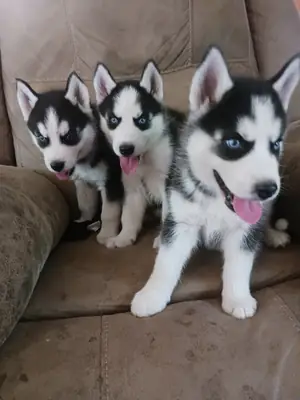
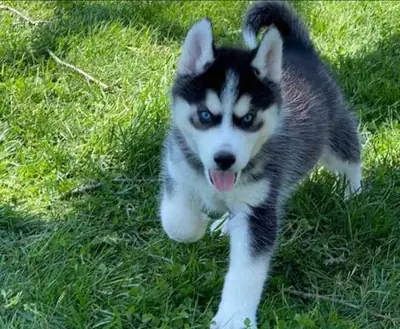
Adorables cachorros Siberian Husky registrados en AKC – ¡ojos azules y criados en familia!
Male
Educated
Free Adoption
40 views
,,,,Regalo Cachorros Yorkshire Terrier Whatsapp (+34)611386992
Male
Educated
Free Adoption
36 views
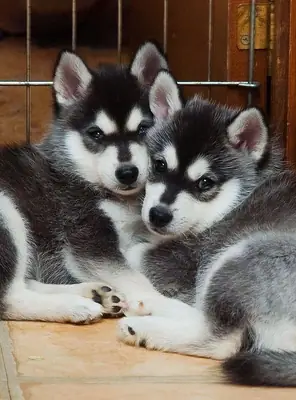
Regalo Cachorros Husky Siberiano Whatsapp (+34)611386992 ...........
Male
Educated
Free Adoption
32 views
![]]] Regalo Cachorros Husky Siberiano Whatsapp (+34)611386992](https://cdn.petopic.com/pets/mini-pictures/11779/9693/pet-listings-free-adoption-dog-siberian-husky_img_20260813_063210_883a18.webp)
]]] Regalo Cachorros Husky Siberiano Whatsapp (+34)611386992
Male
Educated
Free Adoption
31 views
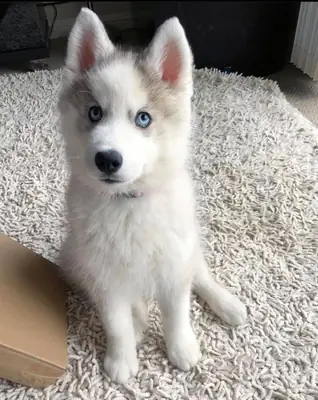
siberian husky
Male
Educated
Free Adoption
62 views
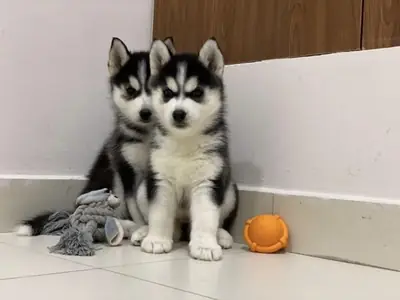
';Adorables cachorros de Husky Siberiano en adopción whatsapp (+34)611386992
Male
Educated
Free Adoption
56 views