vs
Click on the breeds above to change the breed you want to compare.
Compare Shar Pei and Japanese Chin side by side: temperament, energy, trainability, apartment fit, shedding, lifespan, weight and free adoption listings.
Breed traits
Character & behavior
Energy level
Playfulness
Intelligence
Trainability
Protectiveness
Sociability
Can stay alone
Lifestyle fit
Apartment-friendly
Yes
Yes
Good with kids
Yes
Yes
Good for first-time owners
No
Yes
Shedding
Noise level
Exercise needs
Physical & general
Life span
8–12 years
12–14 years
Weight
18–30 kg
1.8–3.2 kg
Height
46–51 cm
20–27 cm
Origin
China
Japan
Grooming effort
Nutrition sensitivity
Health risk
Heat tolerance
Cold tolerance
When comparing the Shar Pei and the Japanese Chin, potential pet owners will find distinct differences and similarities in their characteristics. The Shar Pei, originating from China, is known for its unique appearance and moderate energy levels, making it a loyal companion with a protective nature. In contrast, the Japanese Chin, hailing from Japan, is a smaller breed that thrives on sociability and is particularly friendly, making it a great choice for first-time owners. Both breeds are adaptable to apartment living and are generally good with children. However, their lifespan, weight, and specific care requirements vary significantly, which can influence a pet owner's decision based on their lifestyle and preferences.
Shar Pei — Advantages
- Protective nature makes them good watchdogs.
- Moderate energy levels suit various living environments.
- Good with kids, promoting family-friendly interactions.
- Unique appearance attracts attention and admiration.
- Moderate energy levels suit various living environments.
- Good with kids, promoting family-friendly interactions.
- Unique appearance attracts attention and admiration.
Disadvantages
- Not ideal for first-time owners due to their specific needs.
- Requires moderate grooming, which may be a consideration for some.
- Can be somewhat independent, leading to potential challenges in training.
- Requires moderate grooming, which may be a consideration for some.
- Can be somewhat independent, leading to potential challenges in training.
Japanese Chin — Advantages
- Excellent choice for first-time owners due to their manageable nature.
- Highly sociable, making them great companions.
- Smaller size is suitable for various living situations.
- Lower exercise needs make them easier to care for.
- Highly sociable, making them great companions.
- Smaller size is suitable for various living situations.
- Lower exercise needs make them easier to care for.
Disadvantages
- Less protective than Shar Pei, which may be a concern for some.
- Can be more prone to noise, which might not suit all households.
- Requires companionship and may struggle when left alone for long periods.
- Can be more prone to noise, which might not suit all households.
- Requires companionship and may struggle when left alone for long periods.
Frequently Asked Questions
What is the average lifespan of a Shar Pei?
The average lifespan of a Shar Pei is between 8 to 12 years.
Is the Japanese Chin a good breed for first-time dog owners?
Yes, the Japanese Chin is considered a good breed for first-time dog owners.
How much exercise do Shar Peis need?
Shar Peis have a moderate exercise need and require regular walks and playtime.
Are Japanese Chins good with children?
Yes, Japanese Chins are good with children and can be friendly companions.
Can Shar Peis live in apartments?
Yes, Shar Peis are apartment-friendly due to their moderate energy levels.
free Shar Pei adoption listings

Litter of 4 Shar Pei puppies.
Male
Educated
Free Adoption
127 views

Soft Chinese shar pei puppies ready to go
Male
Not Educated
Free Adoption
384 views

Staffordshire Bull Terrier Puppies
Male
Educated
Free Adoption
981 views

Beautiful Shihpoo Puppies
Male
Educated
Free Adoption
576 views

Two beautiful Shar Pei Puppies
Male
Educated
Free Adoption
771 views
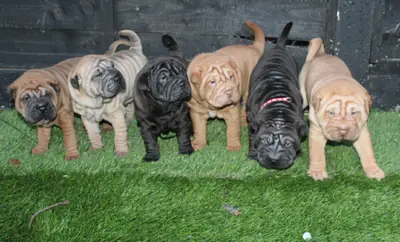
We have Shar Pei Puppiez
Male
Educated
Free Adoption
911 views
free Japanese Chin adoption listings
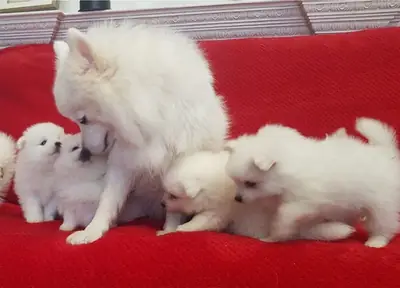
Щенки японского шпица ищут новый дом
Male
Educated
Free Adoption
201 views
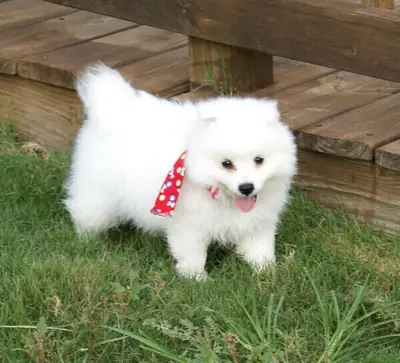
Japanese Splitz puppies
Male
Educated
Free Adoption
789 views
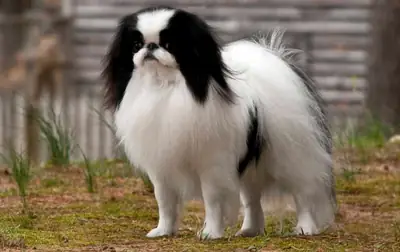
Elegant Japanese Chin for Adoption
Female
Not Educated
Free Adoption
1548 views
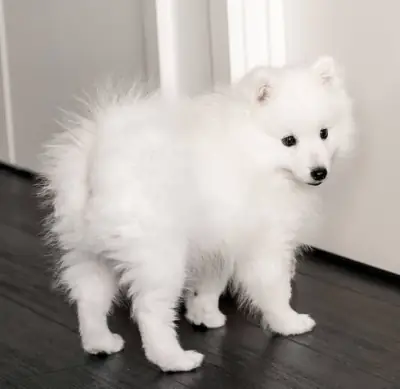
AKC Registered Japanese Spitz Puppies
Male
Educated
Free Adoption
372 views
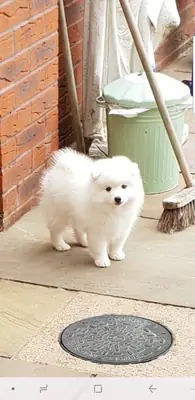
akc Reg Japanese spitz puppies
Male
Educated
Free Adoption
523 views

The Japanese Chin is a refined and affectionate companion.
Male
Not Educated
Free Adoption
1745 views