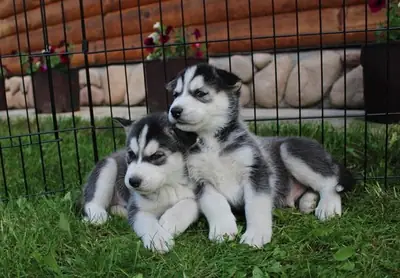
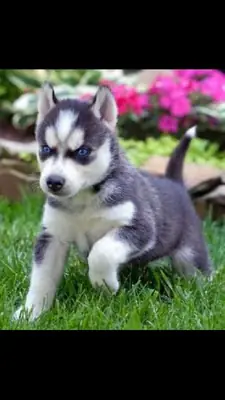
Siberian Husky quick summary
The Siberian Husky is an athletic, energetic and highly recognisable northern breed known for its thick coat, alert expression, striking eyes and strong desire to move. In the UK, many people search for “Siberian Husky characteristics”, “Husky temperament”, “do Huskies shed”, “can Huskies live in flats”, “are Huskies good with children”, “why do Huskies howl” and “can Huskies be left alone”. Those searches tell the real story: people are not just interested in how beautiful Huskies look; they want to know whether they can actually live with one.
A well-managed Husky can be friendly, playful, social, funny, active and deeply enjoyable to live with. A badly managed Husky can become noisy, destructive, difficult on the lead, impossible to trust off lead, frustrating to train, overwhelming in a flat and hard to cope with during heavy shedding seasons. The breed is not the problem by default. The problem is choosing a Husky for its looks while ignoring its real needs.
This is not a quiet, low-maintenance, easy obedience breed. A Husky needs exercise, structure, companionship, secure boundaries, grooming and patient training. If you want a dog that will sit calmly all day, rarely shed, never make noise, obey instantly and stay alone for long hours, a Husky is a poor choice. If you want an active, social and independent dog and you are ready to work, the breed can be excellent.
- Breed name: Siberian Husky
- Common name: Husky
- Breed type: Sled dog, working breed, high-energy companion
- General temperament: Friendly, outgoing, energetic, playful, independent and social
- Guarding ability: Poor choice for protection or guarding expectations
- Coat type: Dense double coat
- Shedding: Heavy, especially during seasonal coat blows
- Flat living: Possible, but difficult without serious exercise and management
- Hot weather: Must be managed carefully, especially during warm UK summer days
- Training difficulty: Intelligent but independent, so training requires patience
- Main risks: Under-exercise, escape attempts, heavy shedding, howling, boredom and separation-related problems
Siberian Husky general characteristics
The Siberian Husky is a medium-sized, athletic and endurance-focused dog. It has a thick double coat, erect ears, a balanced body, a lively expression and often very eye-catching eyes. The breed can look wolf-like, but that appearance is misleading if you expect a naturally protective guard dog. A Husky may look intense, but many Huskies are friendly, sociable and curious rather than suspicious or defensive.
The strongest feature of the breed is not its blue eyes. It is its stamina. Huskies were shaped for movement, distance and work. They are not designed to be bored house ornaments. They want to walk, run, sniff, explore and interact. If their energy is not managed properly, it often comes out as howling, chewing, digging, lead pulling, restlessness or escape attempts.
One of the biggest mistakes people make is assuming that because Huskies are intelligent, they must be easy to train. That is weak thinking. Huskies are intelligent, but many are also independent. They may understand what you want and still choose something more interesting. Motivation, consistency and secure management matter more than shouting or trying to dominate them.
A Husky should not be chosen because it photographs well. This breed comes with heavy shedding, a strong exercise requirement, a tendency to be vocal, a need for company and a real escape risk if poorly managed. Anyone who ignores those realities is not choosing a dog; they are choosing a future problem.
What is a Siberian Husky?
The Siberian Husky is a northern working breed developed for endurance and sled work. Its thick coat, efficient movement and social nature reflect that background. This is not a breed created to lie around without activity. It was built to move, cooperate and cover distance.
That background still matters today. A Husky needs a lifestyle that respects its working roots. Long walks, structured activity, secure spaces, social contact, calm training and mental stimulation are not optional extras. They are part of normal Husky ownership.
In the UK, the breed’s needs can clash with modern flat living, busy work schedules and small gardens. A Husky can adapt to many homes, but only when the owner is active, realistic and consistent. The dog’s appearance may be glamorous; the daily routine is not.
Siberian Husky physical features
The Siberian Husky should look balanced, athletic and capable rather than heavy or exaggerated. Its body is built for endurance, not bulk. The breed’s dense coat can make it appear larger than it really is, but a healthy Husky should still move freely and lightly.
Typical features include erect ears, almond-shaped eyes, a clear facial expression, a dense coat, a well-furred tail and strong legs. But choosing a Husky by coat pattern or eye colour alone is stupid. Movement, health, breathing, skin condition, temperament and suitability for your lifestyle matter far more.
Is the Siberian Husky a large dog?
The Husky is usually medium-sized, but its energy can be harder to manage than many larger breeds. Do not let the size fool you. A medium-sized Husky with unmet exercise needs can be far more difficult than a bigger but calmer dog.
Is the Husky strong?
Yes. Huskies are strong, athletic and often enthusiastic pullers. Lead training is not optional. A Husky that drags its owner along the pavement is not funny or cute; it is unmanaged.
Husky colours and eye colours
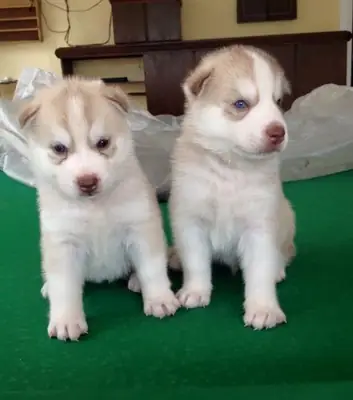
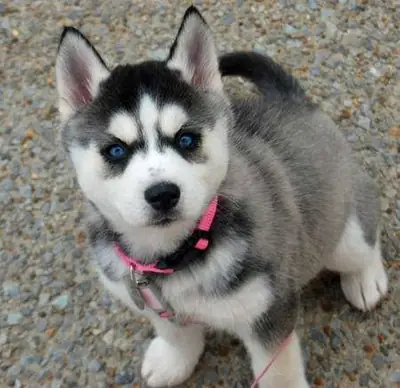
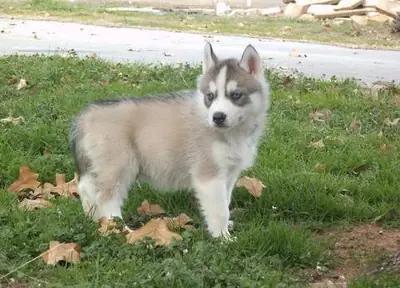
Many people picture a black and white Husky with bright blue eyes. That look is common in people’s minds, but Huskies are not limited to one appearance. They can be black and white, grey and white, red and white, sable-toned or lighter patterned. Eye colour may be blue, brown, amber or two different colours.
Eye colour does not prove quality. A blue-eyed Husky is not automatically healthier, calmer or easier to train. A Husky with two different eye colours is not automatically more special as a companion. Eye colour is visual. Daily life is about behaviour, exercise, coat care, training and escape management.
Why do some Huskies have different-coloured eyes?
Heterochromia, where the eyes are different colours, can occur in Huskies. It is visually striking, but it should never be your main reason for choosing a dog. A dramatic eye colour will not reduce shedding, prevent howling or make recall reliable.
Siberian Husky temperament
The Siberian Husky temperament is usually friendly, outgoing, energetic, playful, intelligent and independent. Many Huskies enjoy people and may be sociable with strangers. That makes them enjoyable companions, but it also means they are not the dog to choose if you want a serious guard dog.
The independent side of the Husky is where many owners fail. A Husky may love its family and still make its own decisions. It may want to follow a scent, chase movement, run towards another dog, explore an open gate or ignore a cue if the reward is not worth it. That is not because the dog is stupid. It is because the breed is independent and highly motivated by the environment.
Are Huskies loyal?
Huskies can bond strongly with their people and enjoy being part of family life. But Husky loyalty is not the same as protection-focused loyalty. Many Huskies are friendly with visitors and strangers, which is great for social homes but poor for guarding expectations.
Are Huskies stubborn?
“Stubborn” is a common label, but the better word is independent. A Husky may understand a command but decide that something else is more rewarding. Training must be motivating, consistent and realistic. If your plan is to shout and expect instant obedience, the plan is rubbish.
Are Huskies good guard dogs?
Usually no. They may alert you with noise, but they are not naturally reliable protection dogs. Their wolf-like appearance fools people. Their typical personality is often much more social than suspicious.
Can Huskies live in flats?
A Husky can live in a flat, but only under the right conditions. The question is not whether the dog physically fits inside the flat. The question is whether the owner can provide enough exercise, company, grooming, mental stimulation, heat management and noise control.
A bored Husky in a flat can become a disaster. It may howl, chew furniture, scratch doors, dig at carpets, pace around the home or explode with energy on walks. Short toilet breaks are not enough. This breed needs real daily activity.
Flat-living requirements for a Husky
- Daily structured exercise is essential.
- Alone-time training must be introduced gradually.
- Howling and vocal behaviour must be considered before choosing the breed.
- Heavy shedding means regular cleaning and brushing.
- The home must stay cool enough during warm weather.
- Doors, balconies and windows must be secure.
- Mental enrichment and calm settling routines are necessary.
Is a garden enough?
A garden helps, but it is not a replacement for exercise. A bored Husky may dig, look for gaps, test fences, howl or become more frustrated. A garden is useful only if the dog also gets walks, training and interaction.
Can Huskies cope with hot weather?
Huskies can live in the UK, but hot weather must be taken seriously. The breed has a dense double coat and was developed for cold conditions. During warm UK summer days, heat management matters. Exercising a Husky hard in the hottest part of the day is bad ownership.
The goal is not to panic every time the weather gets warm. The goal is to manage the dog properly: early morning walks, evening activity, shade, water, ventilation, cool resting areas and avoiding hot pavements.
Hot weather rules for Huskies
- Walk early in the morning or later in the evening.
- Avoid intense running during hot periods.
- Provide constant access to fresh water.
- Keep the dog in shade and cool indoor areas.
- Check pavement heat before walking.
- Watch for heavy panting, weakness, confusion or collapse.
Should you shave a Husky in summer?
Shaving a Husky to “cool it down” is usually a poor idea. The double coat has a role in insulation and skin protection. Shaving can damage coat function and expose the skin. The better plan is brushing, shade, water, sensible walking times and cool spaces.
Do Huskies shed?
Yes, Huskies shed heavily. There is no point softening this. A Siberian Husky has a dense double coat and can shed noticeably throughout the year, with heavier seasonal shedding. If you live with a Husky, expect hair on clothes, carpets, sofas, car seats and corners of the house.
You cannot stop a Husky from shedding. You can only manage it. Regular brushing removes dead undercoat, supports skin health and reduces the amount of loose hair around the home. If you cannot tolerate dog hair, do not get a Husky.
How to manage Husky shedding
- Brush several times per week.
- Increase brushing during heavy shedding seasons.
- Use tools suitable for dense undercoat.
- Check for matting, redness, itching and skin irritation.
- Avoid unnecessary shaving.
- Plan realistic home cleaning.
Are Huskies hard to train?
Huskies can be hard to train because they are independent, not because they are unintelligent. A Husky may understand the command and still choose the more interesting option. A smell, another dog, an open gate, a bird, a cat or a running opportunity can become more valuable than your voice.
Harsh handling is a weak strategy. Huskies usually do better with motivation, consistency, short sessions and rewards. But reward-based training does not mean no rules. Without clear boundaries, a Husky will happily create its own rules.
Essential Husky training
- Name response
- Recall
- Wait
- Loose lead walking
- Not rushing through doors
- Leave it
- Alone-time training
- Settling indoors
- Controlled greetings with people and dogs
Can Huskies be walked off lead?
In general, off-lead exercise should only happen in secure enclosed areas unless the dog has exceptional training and the environment is genuinely safe. Many Huskies have a strong desire to run and explore. “My dog will definitely come back” is a dangerous fantasy if your recall is not bulletproof.
Why do Huskies howl?
Huskies are famously vocal. Many howl, grumble, “talk”, whine or make dramatic sounds instead of simply barking. This can be normal communication, excitement, attention-seeking, response to sounds, boredom, frustration or distress when left alone.
Howling is not automatically a behaviour problem. It becomes a problem when it is frequent, intense, linked to separation distress or unsuitable for your neighbours. This is especially important in flats and terraced housing. If you need a quiet dog, do not pretend a Husky will become silent because you ask nicely.
How to manage Husky howling
- Provide enough exercise and mental stimulation.
- Teach alone-time gradually.
- Avoid accidentally rewarding attention-seeking howling.
- Create a calm indoor routine.
- Consider neighbour sensitivity before getting the breed.
- Check stress or health issues if vocal behaviour suddenly changes.
Do Huskies run away?
Yes, Huskies can be escape artists. This is not internet drama; it is one of the most important management issues in the breed. Huskies are curious, energetic and motivated by movement. Open doors, weak fencing, low gates, loose leads and unsecured gardens can all become opportunities.
Escape attempts may come from boredom, under-exercise, prey drive, curiosity or the simple desire to run. Cats, birds, squirrels, other dogs and open spaces can all trigger the urge to chase or explore.
How to reduce escape risk
- Teach door manners from puppyhood.
- Use secure fencing and check for gaps.
- Consider digging under fences as a real risk.
- Use strong, well-fitted walking equipment.
- Do not allow off-lead freedom in unsafe areas.
- Meet daily exercise and enrichment needs.
- Use microchip details and ID tags responsibly.
Are Huskies good with children?
Huskies can be good with children when properly socialised and supervised. Their friendly and playful nature can make them enjoyable family dogs. But they are energetic, strong and sometimes boisterous, so child-dog interactions need adult management.
A Husky can accidentally knock over small children, become overexcited during play or become too interested in toys and food. Children must also learn not to pull ears, grab the tail, climb on the dog or disturb it while eating or resting.
Rules for homes with children
- Never leave children and dogs unsupervised.
- Manage high-energy play carefully.
- Teach children not to pull fur, ears or tail.
- Do not disturb the dog during meals or sleep.
- Manage doors carefully because Huskies can bolt.
- All adults should follow the same rules.
Can Huskies be left alone?
Huskies are not ideal dogs for long hours alone. They are social, active and often strongly driven by company. If left alone without training, exercise or enrichment, they may howl, chew, scratch doors, pace, dig at carpets or become distressed.
This is not “naughtiness” in the simple sense. It is often boredom, frustration or separation-related stress. In a flat or close neighbourhood, this can quickly become a serious problem because the noise carries.
How to teach a Husky to be alone
- Start with very short absences.
- Increase alone time gradually.
- Meet exercise needs before leaving.
- Create a safe and calm resting area.
- Use appropriate chew items and enrichment.
- Keep departures and returns calm.
- Arrange support if long absences are regular.
Siberian Husky feeding
A Siberian Husky’s diet should be based on age, weight, activity level, neuter status, health and veterinary guidance. An active Husky needs good nutrition, but that does not mean unlimited food. Overfeeding creates weight gain, and poor-quality feeding can affect coat, skin, energy and digestion.
A highly active Husky and a more sedentary Husky should not be fed the same way. The food amount should reflect the real dog in front of you, not a fantasy version of the breed. Treats used for training must also be included in the daily intake.
| Life stage | Feeding focus | What to watch |
|---|---|---|
| Husky puppy | Controlled growth, bones, muscles and immune support | Avoid rapid weight gain |
| Adult Husky | Energy, muscle, skin-coat health and ideal weight | Adjust portions to actual activity |
| Neutered Husky | Calorie control and weight management | Reduce food if activity drops |
| Senior Husky | Digestion, joint comfort and muscle maintenance | Choose age-appropriate food with veterinary advice |
What should Huskies not eat?
Do not feed chocolate, onions, garlic, grapes, raisins, alcohol, caffeine, cooked bones, very fatty leftovers, heavily salted food or spicy meals. Training treats can be useful, but they should not quietly turn into overfeeding.
Siberian Husky exercise needs
The Siberian Husky has high exercise needs. This breed is not satisfied by a few short toilet walks. Walks, running in safe areas, controlled play, scent work, training and mental enrichment should be part of daily life.
An under-exercised Husky will often find its own outlet. That outlet may be chewing, digging, howling, door scratching, pulling on walks or trying to escape. Calling the dog naughty without fixing the routine is lazy ownership.
Example daily activity routine
- Morning: structured walk and short training session
- Daytime: chew item, scent game or calm settling practice
- Evening: longer walk, controlled running or active play
- Night: low-stimulation wind-down and rest
Is running enough for a Husky?
No. Physical exercise helps, but mental work also matters. Scent games, impulse control, recall practice, puzzle feeding and calm settling all help create a more balanced dog.
Siberian Husky care
The biggest part of Husky care is coat management. The dense double coat needs regular brushing, especially during seasonal shedding. Skin checks, ear checks, dental care, nail trimming, paw care, weight monitoring and exercise routines are also essential.
Huskies can appear naturally clean, but that does not mean they are maintenance-free. Poor coat care can lead to more loose hair in the home, hidden skin irritation and discomfort during warmer weather.
Basic care routine
- Several times a week: brush the coat and check the undercoat
- During shedding seasons: brush more frequently
- Weekly: check ears, eyes, paws, nails and skin
- Regularly: dental care and breath monitoring
- Daily: exercise, training and mental stimulation
How often should you bathe a Husky?
Huskies should not be bathed too often unless they are genuinely dirty or a vet recommends it. Excessive bathing can disturb the skin. Brushing and drying after wet walks are usually more important than frequent shampooing.
Do Huskies smell?
A healthy, well-groomed Husky should not have a strong bad smell. However, odour can develop from damp coat, skin problems, ear issues, dental disease, dirty paws, poor drying after wet walks or diet-related problems.
The answer is not perfume or constant bathing. Find the cause. Check ears, mouth, skin, paws and coat roots. The dense coat can trap moisture, so proper drying matters.
Common causes of Husky odour
- Damp undercoat that has not dried properly
- Skin irritation or allergy
- Ear infection or wax build-up
- Dental and mouth problems
- Dirt and moisture between paws
- Diet or digestion issues
Siberian Husky health concerns
Siberian Huskies are often seen as hardy dogs, but they are not immune to health issues. Owners should pay attention to eyes, skin, coat condition, movement, weight, heat stress and exercise-related strain.
Eye problems
The Husky’s eyes are one of its most striking features, but they are not just cosmetic. Redness, discharge, cloudiness, light sensitivity or signs of poor vision should not be ignored.
Skin and coat problems
The dense coat can hide skin irritation. During grooming, check for itching, redness, dandruff, local hair loss, sores or unusual smell.
Heat stress
Warm weather is a major management issue for Huskies. Exercise timing, water, shade and cool rest areas matter. This is especially important during summer heatwaves or humid days.
Home health checklist
- Are the eyes red, cloudy or watery?
- Is there excessive itching, dandruff or patchy hair loss?
- Does the dog pant heavily in warm weather?
- Is there limping or reduced interest in movement?
- Has weight or appetite changed?
- Has ear, mouth or skin odour increased?
Siberian Husky puppy care
A Husky puppy may look adorable, but puppyhood is not just the cute stage. This is when socialisation, toilet training, alone-time training, lead manners, door control, bite inhibition and basic cues must be built.
Small puppy problems become bigger adult problems. Door rushing, pulling, ignoring recall, howling, chewing and escape attempts should be managed early. Waiting until the dog is strong and fully grown is a bad plan.
Husky puppy priorities
- Set up vaccinations, parasite prevention and vet checks.
- Build toilet training through routine.
- Introduce people, dogs, sounds and environments carefully.
- Start lead and walking skills early.
- Teach the puppy not to rush through doors.
- Redirect biting and chewing to suitable toys.
- Teach alone time in short steps.
- Manage warm weather and exercise carefully.
What to check before choosing a Husky puppy
Look for bright eyes, clean coat, balanced movement, curiosity without extreme fear, healthy body condition and a responsible source. Eye or nose discharge, limping, bad odour, extreme lethargy or unclear health history are warning signs.
Husky vs Malamute
Siberian Huskies and Alaskan Malamutes are often confused because both are northern breeds with thick coats, endurance and sledding history. But they are not the same breed. The Husky is usually lighter, quicker, more agile and more speed-oriented. The Malamute is generally larger, heavier and more power-oriented.
| Factor | Siberian Husky | Alaskan Malamute |
|---|---|---|
| General build | Lighter, agile and athletic | Larger, stronger and heavier |
| Energy style | Speed, movement and exploration | Power and endurance |
| Appearance | Finer and faster-looking | Bigger and fuller-bodied |
| Ownership challenge | Exercise, escape management and shedding | Strength, grooming and experienced handling |
The right question is not “which one is better?”. The right question is which breed’s size, energy, coat care, training needs and lifestyle demands actually fit your home.
Who is a Husky suitable for?
A Husky is suitable for active people who enjoy daily outdoor exercise, accept heavy shedding, can manage vocal behaviour, understand escape risk and are willing to train patiently. It is not suitable for someone who wants a quiet, low-effort dog just because the breed looks beautiful.
May be suitable for
- Active owners who enjoy long walks
- Homes that can provide daily exercise and enrichment
- People who accept heavy shedding
- Owners who can train patiently and consistently
- People who can manage howling and alone-time issues
- Owners who take garden, door and lead security seriously
- Homes that can manage warm weather safely
May not be suitable for
- People wanting a low-shedding dog
- Owners wanting a quiet flat dog
- People offering only short daily walks
- Owners expecting easy obedience
- Homes where the dog is alone for long hours
- People unable to keep the dog cool in warm weather
- Anyone dreaming of easy off-lead freedom
Are Huskies good for first-time owners?
They are not the easiest first dog. A committed, active and well-prepared beginner can succeed, especially with training support. But choosing a Husky simply because it is beautiful is a weak decision.
Before getting a Siberian Husky
Before getting a Husky, be brutally honest about your life. This breed is beautiful, social, energetic and entertaining, but it is also vocal, heavily shedding, independent, escape-prone and demanding. The dog is not hard because it is bad. It is hard because the breed has real needs.
Questions to ask before choosing a Husky
- Can I provide real daily exercise?
- Can I cope with heavy shedding?
- Can I manage the dog safely in warm weather?
- Can I secure doors, windows, garden fences and walking equipment?
- Can I live with howling and vocal behaviour?
- Can I train an independent dog with patience?
- Will the dog be left alone for long hours?
- Do I truly want a Husky, or do I just like the look?
Common Husky ownership mistakes
- Choosing by eye colour: blue eyes do not make ownership easier.
- Underestimating shedding: Huskies shed heavily.
- Ignoring hot weather: summer exercise must be managed carefully.
- Allowing unsafe off-lead freedom: escape and chase risk are real.
- Providing too little exercise: short toilet walks are not enough.
- Ignoring howling: vocal behaviour can create neighbour problems.
- Expecting easy training: Huskies are intelligent but independent.
Final verdict
A Siberian Husky can be a brilliant companion for the right person. It can be social, funny, athletic, striking and affectionate in its own way. But in the wrong home, it becomes frustrating fast. It sheds heavily, needs serious exercise, dislikes long isolation, may howl, may run and can be difficult to train.
If you want a Husky, test yourself first. Do you have the time, energy, patience, secure environment and tolerance for hair and noise? If yes, the breed can be rewarding. If not, the idea is weak. A Husky’s beauty does not cancel out the work required to live with one properly.