The Pointer in 2026: Temperament, Costs, and Health Insights for Prospective Owners
The Pointer is a noble and athletic dog breed, renowned for its exceptional hunting skills and keen instincts. This guide offers a deep dive into the breed's unique characteristics, health predispositions, and the practicalities of ownership.
1. Breed Identity & Standards
The Pointer, often simply called the English Pointer, originates from England and was primarily developed as a gun dog. It excels in pointing game birds, a skill that is deeply ingrained in its genetic makeup. Pointers are categorized as medium to large dogs. Males typically stand between 25 to 28 inches (63 to 71 cm) tall and weigh between 55 to 75 pounds (25 to 34 kg), while females are slightly smaller, standing 23 to 26 inches (58 to 66 cm) tall and weighing 45 to 65 pounds (20 to 29 kg).
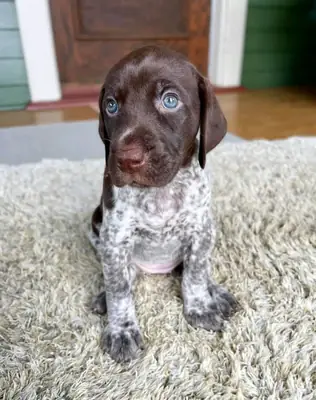
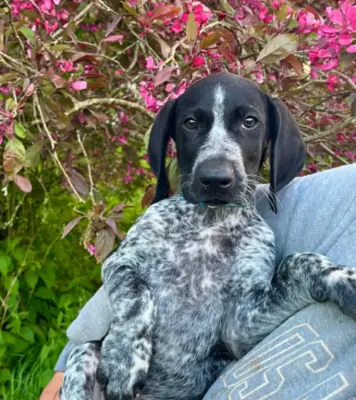
Their coat is short and smooth, requiring minimal grooming. Common colorations include liver, lemon, black, and orange, often with white markings. The breed's lifespan ranges from 12 to 15 years, which is fairly typical for dogs of their size. Pointers can be confused with other pointing breeds like the German Shorthaired Pointer or the Vizsla, but their distinctive head shape and tail carriage set them apart.
| Trait | Typical Value | Why it matters |
|---|---|---|
| Origin | England | Developed as a gun dog for hunting |
| Height | 25-28 inches (males) | Size impacts space and exercise needs |
| Weight | 55-75 pounds (males) | Affects feeding and health management |
| Coat | Short and smooth | Low grooming maintenance |
| Lifespan | 12-15 years | Typical for medium-large breeds |
2. Temperament & Instincts
Pointers are known for their friendly and even-tempered nature. Their historical role as hunting companions has endowed them with a high prey drive and remarkable endurance, making them both energetic and focused. These dogs are highly intelligent, often displaying a keen sense of awareness and situational adaptability.
Though primarily bred for fieldwork, Pointers are also sociable and enjoy the company of people and other animals. They are not typically aggressive but can be reserved with strangers, making early socialization important. Their natural instincts may lead them to chase smaller animals, so supervision and secure environments are recommended.
3. Daily Activity / Exercise Needs by Life Stage
Pointers require significant daily exercise to satisfy their physical and mental needs. This is crucial for their well-being, considering their working heritage.
| Life Stage | Target Exercise | Notes |
|---|---|---|
| Puppy | 30-45 minutes | Short, frequent play sessions are best |
| Adult | 1.5-2 hours | Includes running, walking, and mental challenges |
| Senior | 30-60 minutes | Gentle, consistent exercise to maintain health |
4. Purchase/Adoption Price Framework
The cost of acquiring a Pointer can vary significantly depending on the source. Purchasing from a breeder, particularly those who perform health testing and provide pedigree papers, is more expensive than adoption from a shelter.
| Source | Price Range (USD) | Notes |
|---|---|---|
| Breeder | $1,000 - $2,500 | Health-tested and pedigree lines |
| Rescue/Shelter | $150 - $400 | Adoption fees with potential for prior health care |
5. First-Year Setup + Monthly Running Cost
Owning a Pointer involves initial setup costs and ongoing monthly expenses, which are crucial to budget for appropriately.
| Item | Cost (USD) | Notes |
|---|---|---|
| Initial Vet Visits (Neuter, Vaccines) | $300 - $600 | Includes spaying/neutering and initial vaccinations |
| Basic Equipment (Crate, Leash, Toys) | $200 - $400 | Essential for comfort and training |
| Monthly Food | $50 - $100 | Quality kibble or raw diet |
| Monthly Parasite Prevention | $10 - $20 | Fleas, ticks, and heartworm prevention |
| Yearly Total | $1,200 - $2,000 | Includes all care and maintenance |
6. Nutrition by Life Stage
Nutritional needs vary throughout a Pointer's life and should be adjusted to maintain optimal health.
| Life Stage | Dietary Focus | Notes |
|---|---|---|
| Puppy | High-protein puppy formula | Supports growth and development |
| Adult | Balanced adult diet | Maintains energy and health |
| Senior | Senior-specific diet | Focus on joint health and digestion |
7. Grooming / Coat & Hygiene Care
Pointers are relatively low-maintenance when it comes to grooming, thanks to their short, smooth coat. Regular brushing with a soft bristle brush will help minimize shedding and keep their coat looking sleek. Bathing is only necessary when the dog gets particularly dirty, as frequent washing can strip essential oils from their skin.
Routine dental care is essential to prevent periodontal disease, so regular brushing and dental chews are recommended. Additionally, nails should be trimmed monthly to prevent overgrowth and associated discomfort.
8. Health
Pointers are generally healthy, but like all breeds, they are prone to specific hereditary conditions. Responsible breeders screen their stock for these conditions to minimize the risk.
- Hip Dysplasia: A condition where the hip joint doesn't fit snugly; can lead to arthritis.
- Elbow Dysplasia: Similar to hip dysplasia but affects the elbow joint.
- Progressive Retinal Atrophy (PRA): A degenerative eye disorder that can lead to blindness.
- Hypothyroidism: A thyroid gland disorder that can affect metabolism.
Routine veterinary check-ups and maintaining a healthy weight through diet and exercise can help mitigate these risks. Vet costs for managing these conditions can vary, with hip dysplasia treatments ranging from $1,500 to $3,000 or more for surgery.
9. Training / Behaviour Priorities
Pointers are intelligent and eager to please, which generally makes them responsive to training. However, their high energy and independent streak can pose challenges. Consistent training from an early age is vital, focusing on recall and impulse control.
Socialization is equally important to ensure they are well-adjusted around other animals and people. Using positive reinforcement techniques and keeping training sessions engaging will yield the best results.
10. Home Environment Fit
Due to their size and energy levels, Pointers are best suited to homes with ample space and access to a secure outdoor area. They thrive in environments where they can run freely and explore. While they can adapt to apartment living, this requires a commitment to daily exercise and mental stimulation to prevent boredom-related behaviors.
Pointers tend to get along well with children and can coexist with other pets if properly introduced. Their prey drive means caution is advised around small animals.
11. Lifestyle Fit Matrix
| Lifestyle | Fit Verdict | Reason |
|---|---|---|
| Active Outdoorsy | Excellent | Enjoys long walks and outdoor activities |
| Apartment Dweller | Challenging | Needs significant daily exercise |
| Family with Kids | Good | Friendly and sociable with children |
| Busy Professional | Poor | Requires time and attention for exercise |
| Experienced Dog Owner | Ideal | Benefits from knowledgeable handling |
12. Breeder / Shelter / Adoption Checklist
- Verify the breeder's credentials and ask for health clearances for both parents.
- Meet the puppy's parents to gauge temperament and health.
- Request a tour of the breeder's facilities or shelter to ensure cleanliness and care standards.
- Ask about socialization practices for puppies.
- Ensure the puppy has received initial vaccinations and deworming.
- Inquire about return policies and health guarantees.
13. FAQ
Does the Pointer shed a lot?
Pointers have a short, smooth coat that sheds moderately. Regular brushing can help minimize shedding and keep the coat in good condition.
Are Pointers good with children?
Yes, Pointers are generally good with children due to their friendly and sociable nature. Early socialization and supervision are key to ensuring positive interactions.
Do Pointers require a lot of exercise?
Absolutely. Pointers are high-energy dogs that need significant daily exercise to stay healthy and happy. They thrive in active households.
What common health issues do Pointers face?
Pointers are prone to conditions such as hip dysplasia, elbow dysplasia, and progressive retinal atrophy. Regular vet check-ups are essential to monitor their health.
Is the Pointer hard to train?
Pointers are intelligent and eager to please, making them generally receptive to training. Consistency and positive reinforcement yield the best results.
14. 2026 Note & Closing Verdict
As of 2026, Pointers continue to be a popular choice for families and active individuals due to their amiable nature and versatility. However, prospective owners should be prepared for the breed's exercise demands and potential health issues.
Who Should Adopt: Pointers are ideal for active families or individuals with experience in dog ownership who can provide ample exercise and training.
Who Should Not Adopt: Those with limited time or space may find it challenging to meet a Pointer's needs. Consider another breed if you cannot commit to daily vigorous exercise and mental stimulation.